
Rupi Bhaba Wildlife Sanctuary
Wildlife sanctuary near Yula
6.1 km from Yula
The nearest town, for stays, food and fuel.
Rupi Bhaba Wildlife Sanctuary is an alpine and sub-alpine conservation area situated along the Satluj River basin in the Kinnaur district of Himachal Pradesh. Ranging from dense temperate woodlands to high glaciated ridges, it protects critical habitats for rare Himalayan wildlife and forms an ecological passage between the Satluj valley and the high-altitude trans-Himalayan plateau. Travellers and trekkers visit to explore rugged mountain trails, observe regional birdlife and mammals, and experience the undisturbed natural environment of Kinnaur.
Getting there
By road
- From YulaNearest town1 hr 45 min · 51 km
- From Chandigarh7 hr 5 min · 322 km
- From Ludhiana9 hr 5 min · 424 km
- From Dehradun9 hr 10 min · 439 km
Typical drive times without traffic. Stations and airports from OLA Maps; distances and typical drive times from OpenStreetMap (© OpenStreetMap contributors); notes from creators' Reels.
About Rupi Bhaba Wildlife Sanctuary
Written with AI from map data and general knowledge. Check prices and timings locally before you go.
Landscape and biodiversity at Rupi Bhaba Wildlife Sanctuary
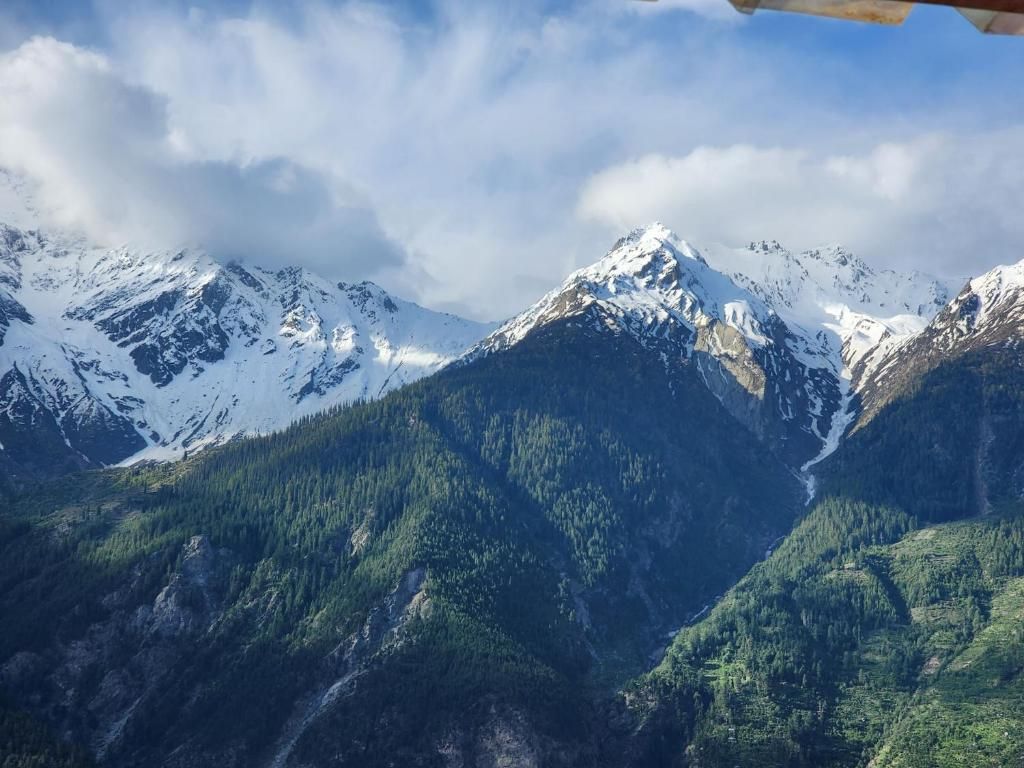
Rupi Bhaba Wildlife Sanctuary spans an extensive vertical elevation range in Kinnaur, beginning along the lower reaches of the Satluj River and rising into high alpine ridges and crags. This steep gradient creates several distinct ecological zones within a single protected territory. Lower slopes support dense stands of deodar, blue pine, and oak, which transition into fir, spruce, and subalpine birch woodlands as the altitude increases. Beyond the tree line, the terrain opens into expansive alpine meadows, talus slopes, and perennial snowfields.
This variety of vegetation zones provides refuge for a broad selection of Himalayan fauna. The upper ridges are home to elusive high-altitude mammals such as the snow leopard and the Himalayan brown bear, while the forested slopes and crags shelter Himalayan black bears, musk deer, and Himalayan tahr. Avian diversity is equally notable, with species such as the western tragopan, the Himalayan monal, and various high-soaring raptors populating the valleys. Because the terrain is steep and large portions remain roadless, wildlife within the sanctuary exists in relatively undisturbed natural patterns.
Trekking and exploration in the sanctuary
The geography of Rupi Bhaba Wildlife Sanctuary makes it an appealing destination for self-sufficient trekkers and outdoor enthusiasts. The sanctuary functions as a natural bridge between the lower Kinnaur valleys and the higher passes leading towards Spiti and the Great Himalayan ranges. Traditional paths through the area trace glacial streams, steep forested ravines, and high-altitude pastures used seasonally by local shepherds.
A well-known trekking corridor connects the lush Bhaba Valley on the Kinnaur side to the Pin Valley in Spiti via the high-altitude Bhaba Pass. Crossing these trails reveals stark landscape contrasts, moving from green meadows lined with wildflowers and birch groves to desolate moraines and glaciated cols. Because the routes involve remote terrain with no built infrastructure, visitors must be self-reliant, properly acclimatized, and equipped to manage sudden mountain weather shifts.
Read more
Best time to visit Rupi Bhaba Wildlife Sanctuary
The climate in and around the sanctuary varies considerably with altitude and season. The most practical period for visiting and trekking extends from late May to October. In late spring and early summer, snow retreats from lower trails, alpine streams flow vigorously, and the forest paths become accessible. Day temperatures during this period are generally moderate and suitable for walking, though nights at higher elevations remain chilly.
The monsoon period between July and August brings unpredictable rainfall to the lower valleys of Kinnaur, which can cause landslides along access roads and make stream crossings hazardous. Autumn, running from September through October, is considered one of the best times for outdoor travel. During these weeks, the air is typically clear, mountain visibility is sharp, and daytime conditions are dry and stable before early winter snow begins closing the upper passes in November.
How to reach Rupi Bhaba Wildlife Sanctuary
Reaching Rupi Bhaba Wildlife Sanctuary requires travelling along the river valleys of eastern Himachal Pradesh. The overland route typically starts from Shimla, following National Highway 5 along the Satluj River corridor into Kinnaur. Road travelers pass through towns like Rampur Bushahr and head toward local transit hubs and trailheads such as Wangtu, Tapri, and Kafnu, which provide access points into the Bhaba Valley and the sanctuary boundary.
Regular state-run buses and private taxis operate along the main highway route from Shimla. Because mountain highways in the Satluj gorge are subject to periodic closures from maintenance work and weather events, it is best to check current road conditions locally before setting out. Once you reach the valley roadheads, further exploration into the core areas of the sanctuary is strictly done on foot.
Tips for visiting Rupi Bhaba Wildlife Sanctuary
Because the sanctuary encompasses high elevations and remote terrain, thorough planning is essential for a safe visit. Altitude sickness is a significant factor on trails that climb above three thousand meters. Travellers should spend time acclimatizing in lower villages of Kinnaur before undertaking prolonged uphill treks. Carrying adequate warm layers is necessary, as sub-zero temperatures are common after dusk even during summer months.
Visitors should carry sturdy trekking boots, reliable waterproof outerwear, a personal medical kit, and dependable navigation tools. Since services inside the sanctuary are nonexistent, anyone planning multi-day hikes must carry high-grade camping shelters, sleeping bags, and sufficient provisions. Entry permits and conservation guidelines must be verified with local forest department offices prior to setting out. To help preserve the sanctuary environment, visitors should follow strict leave-no-trace practices and carry all non-biodegradable waste back to base towns.
Places to visit near Rupi Bhaba Wildlife Sanctuary
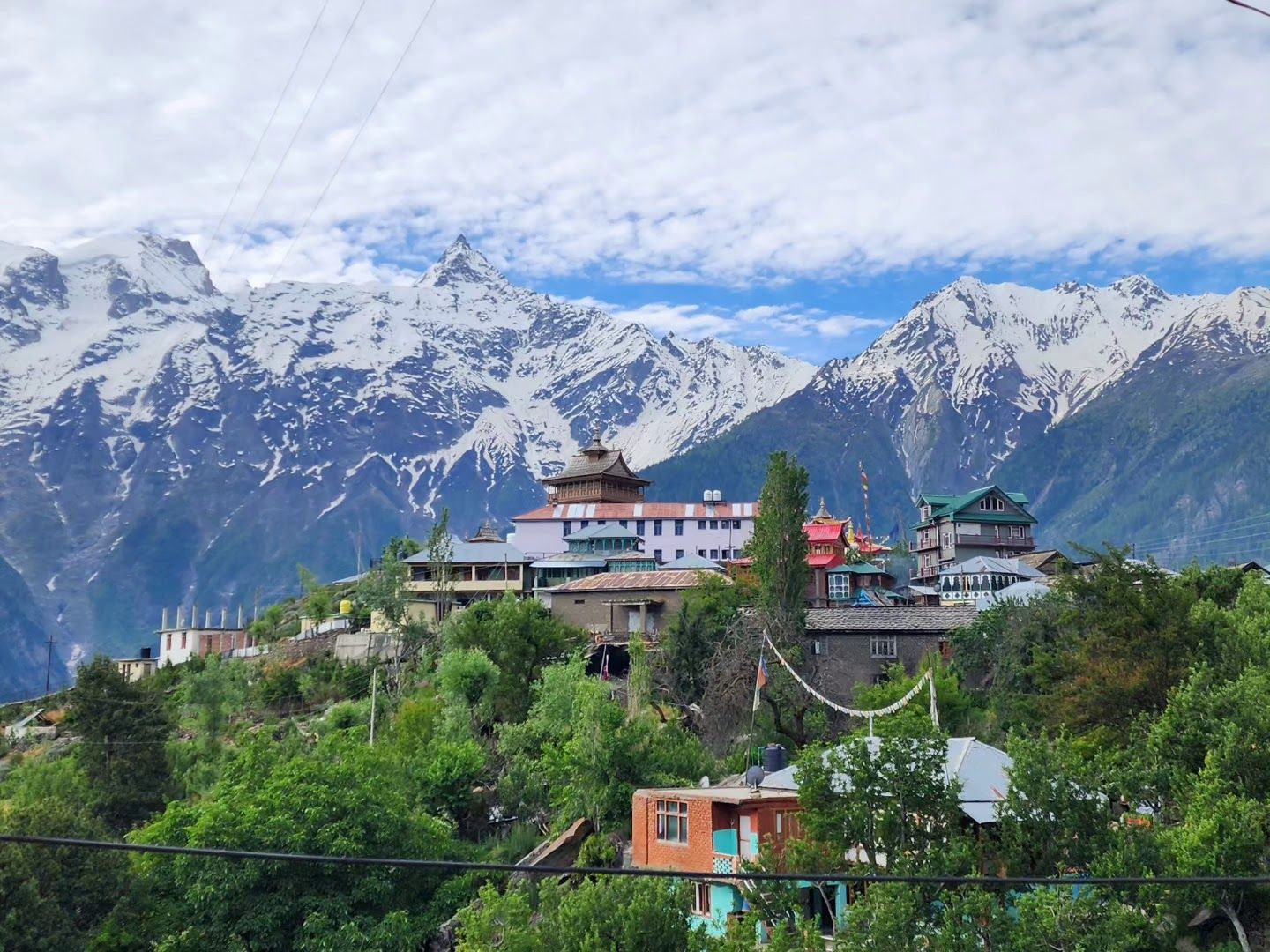
A journey to Rupi Bhaba Wildlife Sanctuary can be paired with exploring several cultural and scenic destinations across the Kinnaur region. Nearby along the valley routes lies Kamru Village and the multi-tiered Kamru Fort, which showcase classical wooden architectural traditions of the western Himalayas. Moving towards the Sangla region allows visitors to spend time alongside the Baspa River, framed by apple orchards, walnut groves, and traditional mountain houses.
Further along the main valley, the village of Kalpa provides clear sightlines toward the sacred Kinnaur Kailash peak. Cultural landmarks such as Mata Usha Devi Temple and Maheshwar Temple offer insights into the religious heritage and woodcarving artistry of local communities. Outdoor travellers interested in regional geography can also observe the Karcham Dam on the Satluj or explore trails pointing towards high mountain passes like Buran Pass.
Where to stay near Rupi Bhaba Wildlife Sanctuary
There are no commercial hotels or lodges inside Rupi Bhaba Wildlife Sanctuary, an absence that helps preserve the area's wilderness value. Those venturing on multi-day treks inside the boundary stay in self-pitched tents at traditional camping locations and shepherd grounds.
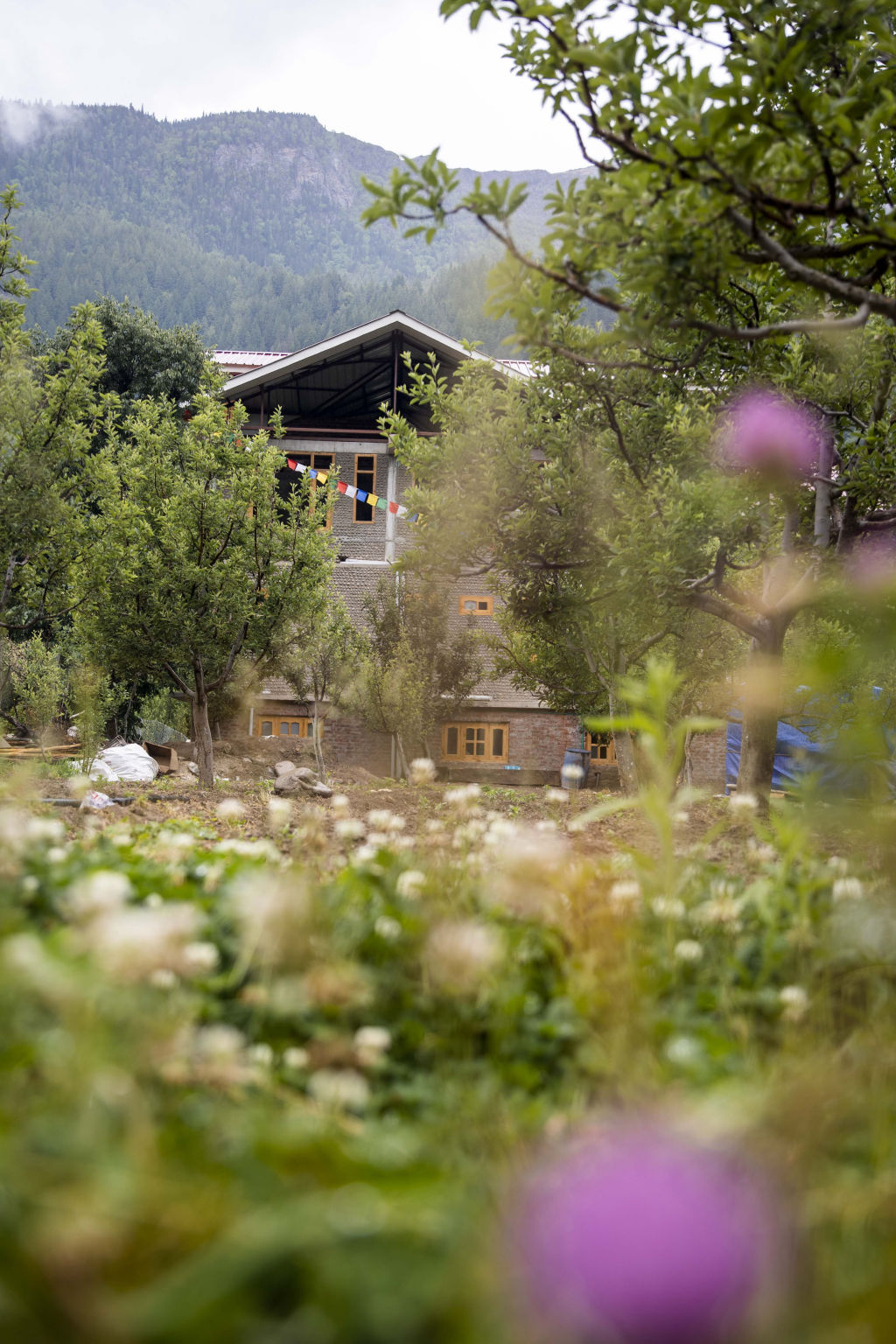
For base lodging before starting an excursion or after returning from the trail, the surrounding villages and towns in Kinnaur offer practical choices. Camps, homestays and other stays nearby can be found on HireACamp. Staying in local village homestays offers an opportunity to experience Kinnauri hospitality, rest in peaceful rural surroundings, and enjoy home-cooked regional meals while supporting community-based tourism.
Frequently asked questions
Where is Rupi Bhaba Wildlife Sanctuary situated?
The sanctuary is located in the Kinnaur district of Himachal Pradesh, situated along the northern and eastern catchment of the Satluj River.
What wildlife species can be seen in Rupi Bhaba Wildlife Sanctuary?
The sanctuary supports species such as the snow leopard, Himalayan brown bear, Himalayan black bear, musk deer, Himalayan tahr, and birds including the Himalayan monal and western tragopan.
Do I need a permit to visit Rupi Bhaba Wildlife Sanctuary?
Yes, visitors planning to trek or camp inside the sanctuary generally require permission from the Himachal Pradesh Forest Department. Permit procedures and requirements should be confirmed locally before your trip.
What is the best time of year to visit the sanctuary?
The optimal period is between late May and October, with the autumn months of September and October offering the clearest skies and most stable walking conditions.
Can beginners trek in Rupi Bhaba Wildlife Sanctuary?
While gentle walks near the access villages are manageable for most people, the core trails inside the sanctuary involve high altitudes, steep terrain, and wilderness camping, making them better suited for fit and prepared hikers.
Where you'll be
On Bank Of Satluj River, Kinnaur, HP · 3 stays nearby shown with prices
Stays near Rupi Bhaba Wildlife Sanctuary
Book a place to stay close by
More places near Rupi Bhaba Wildlife Sanctuary
Within 20 km

Built from 0 Instagram posts by 0 creators. Every tip links back to the post it came from, and where creators disagree we show both sides.






