
Yulla Kanda Trek
Trek near Chini, Himachal Pradesh
200 m from Chini
The nearest town, for stays, food and fuel.
Yulla Kanda is a high-altitude pilgrimage trek located in the Kinnaur district of Himachal Pradesh, starting near the mountain village of Yulla Khas. The trail climbs through pine forests and expansive alpine meadows to reach a sacred glacial lake with a small temple dedicated to Lord Krishna at its center. Travellers and pilgrims undertake the journey to experience pristine Himalayan wilderness, sweeping mountain panoramas, and deep-rooted local folklore.
Getting there
By road
- From ChiniNearest town1 min · 200 m
- From Chandigarh6 hr 55 min · 343 km
- From Ludhiana8 hr 55 min · 444 km
- From Dehradun9 hr · 459 km
Typical drive times without traffic. Stations and airports from OLA Maps; distances and typical drive times from OpenStreetMap (© OpenStreetMap contributors); notes from creators' Reels.
About Yulla Kanda Trek
Written with AI from map data and general knowledge. Check prices and timings locally before you go.
About the Yulla Kanda Trek
Nestled in the rugged landscapes of the Kinnaur district in Himachal Pradesh, Yulla Kanda is a revered high-altitude trail that merges natural beauty with ancient spiritual tradition. The destination of the trek is an alpine tarn set within a bowl of towering peaks. According to regional legend, the lake and the small stone temple built inside it date back to the Mahabharata era, believed to have been constructed by the Pandava brothers during their years of exile in the Himalayas.
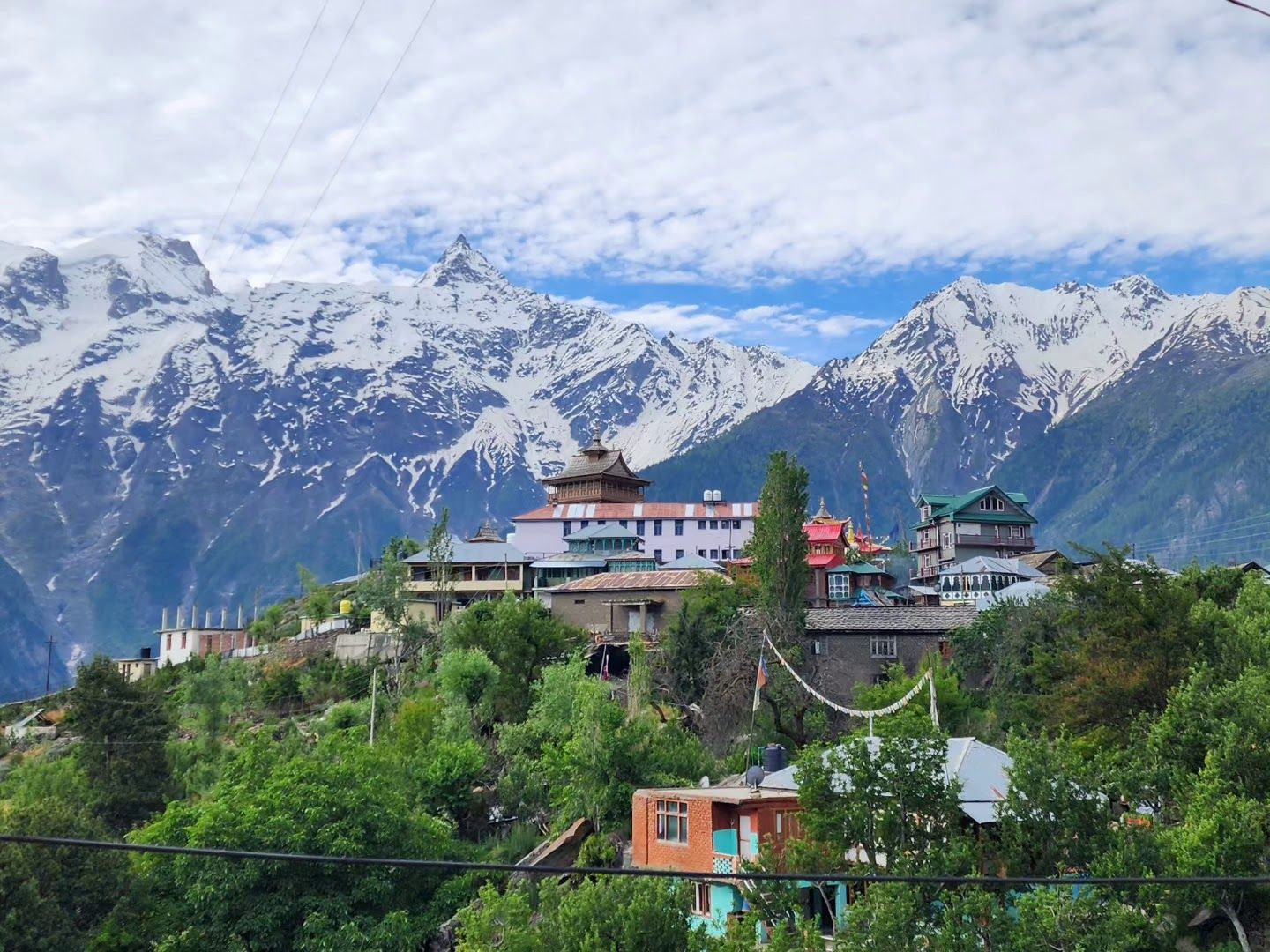
Unlike heavily commercialized routes in other parts of northern India, Yulla Kanda preserves a peaceful, untouched ambience. The journey introduces visitors to the unique character of Kinnaur, where apple orchards, intricately carved wooden homes, and warm village traditions shape mountain life. The surrounding pasture lands bloom vibrantly during the summer months, offering hikers an exceptional mix of solitude, wilderness, and heritage.
Trail Route and Key Highlights
The trekking route typically begins from Yulla Khas, a quiet hamlet clinging to the slopes above the Satluj valley. From the village, the path ascends steadily through temperate forests filled with deodar, pine, and oak trees. As the altitude increases, the woodland gradually opens up into vast alpine meadows where local shepherds graze their herds throughout the summer.
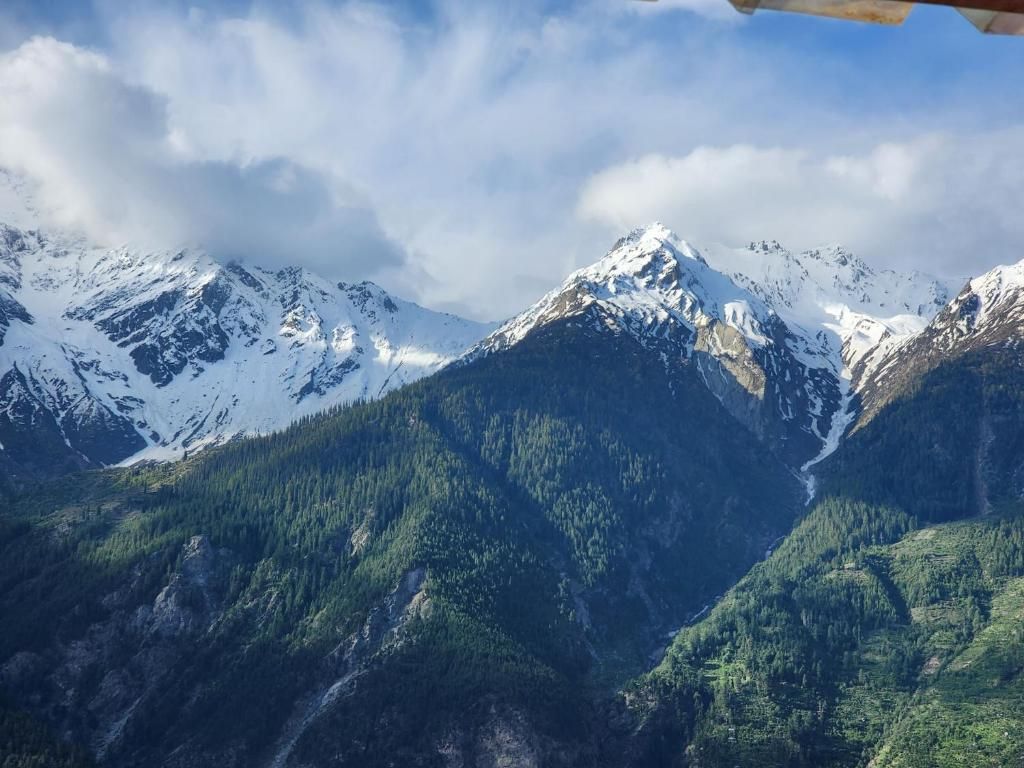
The defining highlight of the journey is the lake of Yulla Kanda itself. In the middle of this serene body of water sits a sanctum dedicated to Lord Krishna, widely regarded as one of the highest Krishna temples in the world. On calm days, the reflection of jagged peaks and lingering snowfields in the clear alpine water creates a striking sight. From the meadows surrounding the tarn, trekkers are treated to sweeping views across the Kinnaur mountain ranges, including distant glimpses of the Kinnaur Kailash massif and Jorkanden.
Read more
Best Time to Visit Yulla Kanda
The trekking window for Yulla Kanda generally spans from June to October, with conditions shifting as the season advances. In June and early July, the melting snow feeds mountain streams and brings the lower meadows to life with fresh greenery and blooming wildflowers. Trekkers during this window should expect cool temperatures and occasional pre-monsoon showers.
August is a culturally significant time on the mountain due to the festival of Janmashtami. During this period, local villagers and pilgrims from across the region make the trek up to the sacred lake to take part in rituals, turning the quiet meadows into a scene of vibrant mountain devotion. Late September through October is widely considered the best time for clear views and stable weather, as the monsoon retreats and leaves behind crisp air and deep blue Himalayan skies. By November, early winter snow blankets the higher elevations, closing the trail to standard hikers.
How to Reach the Base of the Trek
To reach the trailhead, travellers first travel into Kinnaur along the Hindustan-Tibet road. The nearest major transit points with nationwide railway and air connectivity are Chandigarh and Shimla. From these cities, vehicular routes follow National Highway 5 through the Satluj River canyon, passing towns like Rampur Bushahr and Tapri.
Near Tapri, a mountain link road branches off and winds upwards to the base village of Yulla Khas. Travellers based in Kalpa or Reckong Peo can also reach Yulla Khas by hiring local transport or driving down towards Tapri before ascending the link road. Road conditions in the high Himalayas can change due to seasonal weather, so travellers should check local road advisories before setting out on the drive.
Preparation and Trekking Tips
Yulla Kanda involves a continuous uphill ascent over rough trails, making a good baseline of cardiovascular fitness and endurance essential. Acclimatisation is equally critical before starting the climb. Spending a night or two in nearby lower-elevation settlements like Kalpa or Reckong Peo allows your body to adjust gradually to the thinner air, lowering the likelihood of altitude sickness.
Pack layered clothing suited for rapidly changing mountain conditions, including thermal base layers, a warm fleece, and a reliable windproof and waterproof outer layer. Sturdy hiking boots with dependable ankle support and grip are necessary for navigating rocky paths and uneven turf. Because the lake is an active place of pilgrimage, travellers should act with deference to local religious customs by removing shoes before entering temple precincts, avoiding bathing or washing in the holy lake, and packing out all personal rubbish and plastic.
Places to Visit Around Kinnaur
A journey to Yulla Kanda is easily combined with exploring other notable destinations across the Kinnaur district. Nearby Kalpa is celebrated for its apple orchards and sweeping views of the sacred Kinnaur Kailash peak, alongside its centuries-old wooden temples. Walking through Kalpa offers an authentic look at traditional Himachali architectural craft.
Further south along the valley, the Baspa River flows through the picturesque Sangla Valley, known for riverside trails and forested banks. Visitors can explore the towering historic Kamru Fort, which stands sentinel over Kamru Village, and pay respects at the Bering Nag Temple in Sangla. These nearby cultural sites provide valuable insight into the syncretic Hindu and Buddhist heritage that shapes the Kinnaur region.
Where to Stay Around Yulla Kanda
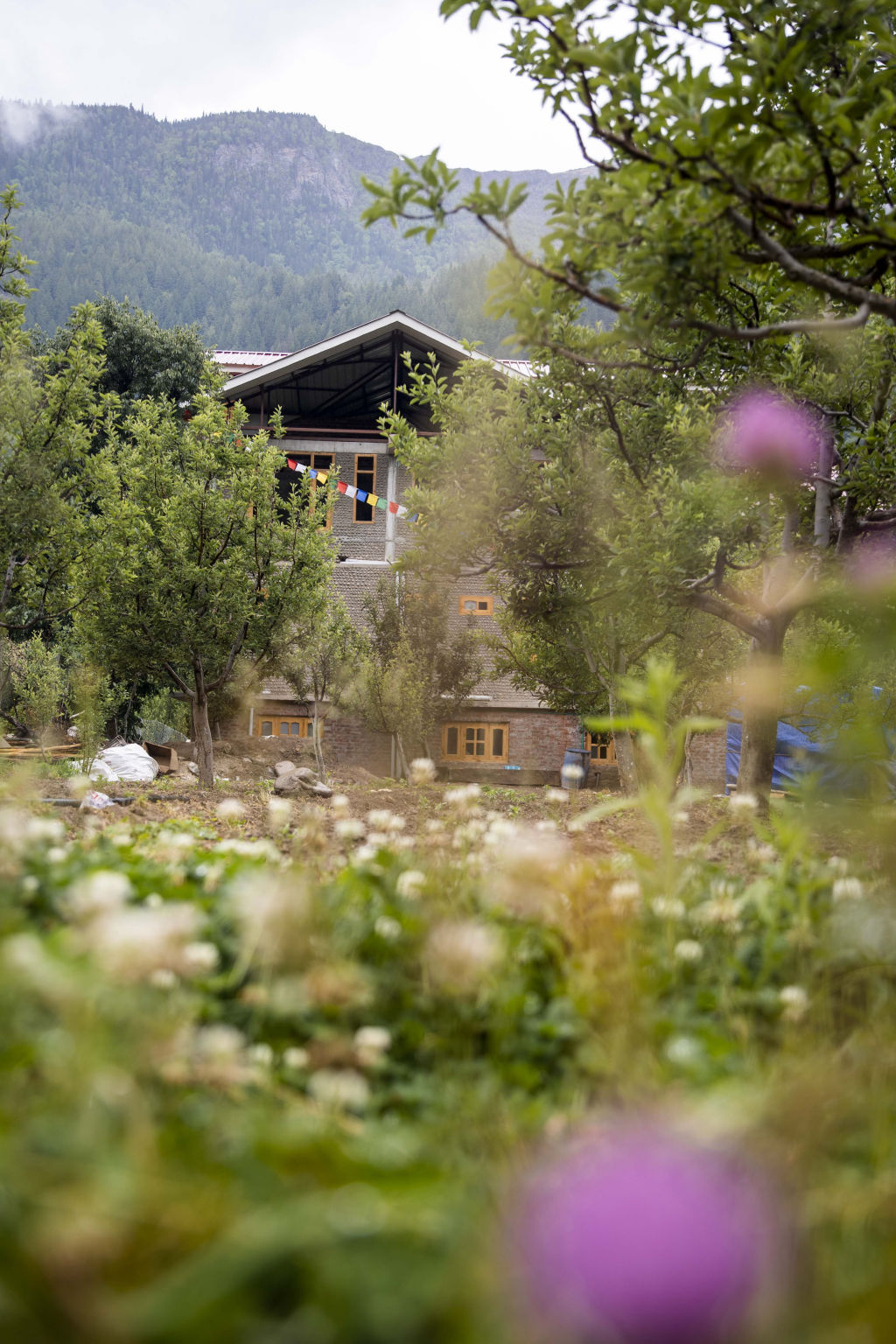
Travellers heading to Yulla Kanda usually stay in village homestays around Yulla Khas or nearby valley settlements before embarking on the trek. Staying in a village homestay offers authentic contact with Kinnauri culture and traditional meals cooked with local mountain ingredients. For those carrying their own wilderness equipment, camping in the alpine meadows below the lake is a popular way to break the journey, provided camps are pitched well away from sacred perimeters and water bodies.
For travellers seeking comfortable basecamps with wider amenities before or after the climb, Kalpa and the settlements along the Sangla Valley provide numerous options. Travellers can find and book homestays, wilderness camps, and outdoor accommodations across Kinnaur on HireACamp.
Frequently asked questions
Where does the Yulla Kanda Trek begin?
The trek typically begins from the village of Yulla Khas, located in the Kinnaur district of Himachal Pradesh and reached via a link road from Tapri.
Why is the lake at Yulla Kanda considered sacred?
The lake houses a small temple dedicated to Lord Krishna in the center of its waters, believed by local tradition to have been founded by the Pandavas during their exile.
How difficult is the Yulla Kanda Trek?
The trail is generally rated as moderate to challenging due to the steep, sustained climb and the high elevation, making proper acclimatisation and physical stamina essential.
What is the best season for the Yulla Kanda Trek?
The trail is accessible from June to October, with August being popular for the local Janmashtami festivities and September offering the clearest weather and best mountain views.
Can I camp along the Yulla Kanda trail?
Yes, self-sufficient hikers often camp in designated alpine meadows along the route, provided they pitch tents away from water sources and strictly follow leave-no-trace practices.
Where you'll be
Yulla Khas, Kalpa · 3 stays nearby shown with prices
Stays near Yulla Kanda Trek
Book a place to stay close by
More places near Yulla Kanda Trek
Within 20 km


Built from 0 Instagram posts by 0 creators. Every tip links back to the post it came from, and where creators disagree we show both sides.






