
Baspa River
Riverside spot near Sapni, Himachal Pradesh
1.5 km from Sapni
The nearest town, for stays, food and fuel.
The Baspa River is a perennial Himalayan river flowing through the scenic Sangla Valley in the Kinnaur district of Himachal Pradesh. Originating near the Indo-Tibetan border and joining the Sutlej River downstream, it forms the lifeblood of one of the state's most picturesque valleys. Travellers visit the riverbanks to experience tranquil riverside camping, trout fishing, and sweeping views of snow-clad peaks and cedar forests.
Getting there
By road
- From SapniNearest town25 min · 8.1 km
- From Chandigarh6 hr 25 min · 316 km
- From Ludhiana8 hr 20 min · 417 km
- From Dehradun8 hr 30 min · 432 km
Typical drive times without traffic. Stations and airports from OLA Maps; distances and typical drive times from OpenStreetMap (© OpenStreetMap contributors); notes from creators' Reels.
About Baspa River
Written with AI from map data and general knowledge. Check prices and timings locally before you go.
About the Baspa River
The Baspa River originates from high-altitude glaciers near the Indo-Tibetan border and flows southwest through the Kinnaur region before merging with the Sutlej River at Karcham. The valley carved by the river, commonly known as the Baspa Valley or Sangla Valley, is renowned for its fertile meadows, apple orchards, and traditional wooden architecture.
The river runs cold and clear throughout most of the year, nourished by glacial melts. Its banks are lined with towering deodar and blue pine forests, dramatic rock cliffs, and quaint villages such as Chitkul, Rakchham, and Sangla. The sound of the gushing water and the backdrop of the Greater Himalayas make the Baspa River one of the most serene natural corridors in northern India.
Landscape and Setting
The terrain along the Baspa River changes noticeably as you travel up its course. At its lower reaches near the confluence at Karcham, the valley is narrow and rocky, with steep gorges and sheer granite cliffs. As you head further upstream past Sangla toward Rakchham and Chitkul, the valley broadens into sweeping alpine meadows bordered by dense cedar woods and glacier-fed streams.
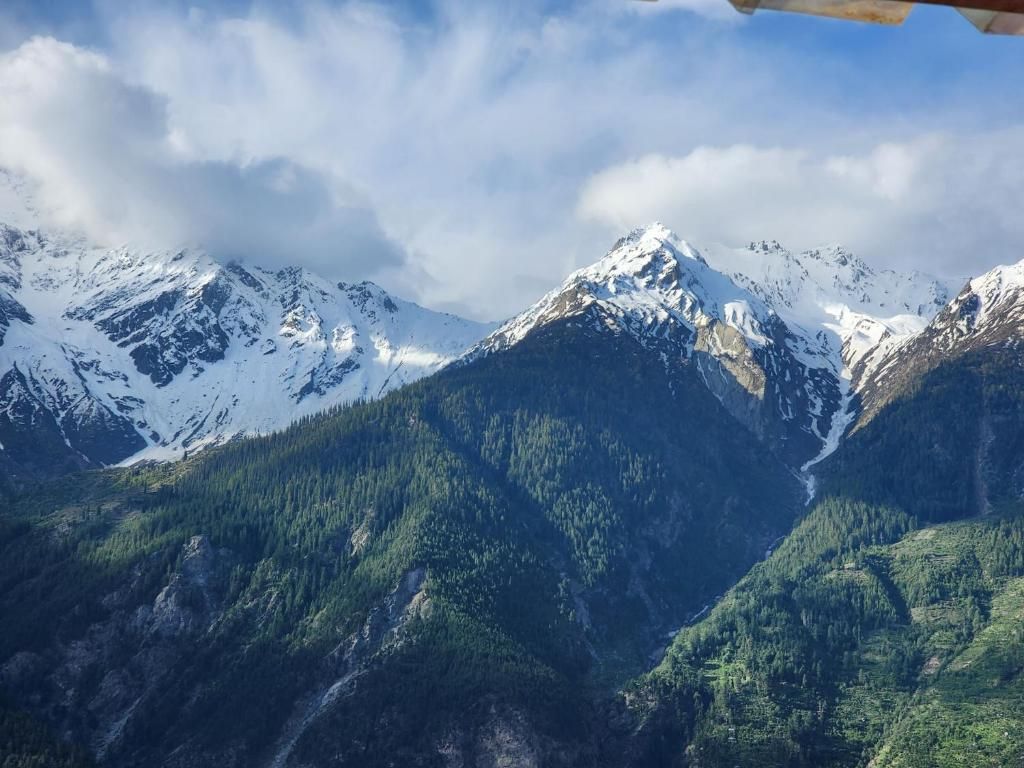
The riverbed itself is wide and littered with polished river stones, sandy shores, and gentle gravel bars where the water spreads out in shallow channels. Throughout the valley, looking south and east reveals jagged, snow-covered ridges that form the border ranges between Himachal Pradesh and Uttarakhand. This elevation and natural barrier create a distinctive mountain climate with cool summers and heavy winter snowfall.
Read more
Things to Do Along the Baspa River
Relaxing along the river's edge is the primary draw for visitors. Finding a peaceful spot on the pebbled shores to listen to the rushing water, read, or sketch against the mountain backdrop offers an unhurried mountain experience. Short nature walks and day hikes run parallel to the river, linking hamlets like Rakchham with open pastures and alpine woods.
Angling and brown trout fishing are popular along select stretches of the Baspa River, subject to seasonal fishing guidelines. Photography enthusiasts will find endless inspiration in the contrasting colours of the azure water, deep green pine trees, and rustic wooden suspension bridges that cross the river. For those seeking active outdoor exploration, the river valley serves as the starting or ending point for classic high-altitude crossover treks.
Best Time to Visit
The best time to visit the Baspa River is from April to June and from September to November. During late spring and summer, the weather is pleasantly cool, day temperatures are comfortable, and the valley is vibrant with apple blossoms and green fields. This period is ideal for walks along the water, day trips, and outdoor camping.
Autumn, especially from mid-September to October, brings crisp air, brilliant blue skies, and golden foliage as the trees change colour. Monsoon months between July and August can bring heavy rainfall and landslides along the approach roads in the Kinnaur region, requiring caution and flexible plans. Winter brings heavy snow to the upper valley, turning the landscape pristine and quiet, though road access to villages higher up the river can be temporarily blocked after major snowstorms.
How to Reach the Baspa River
To reach the Baspa River, travellers usually travel by road along the Hindustan-Tibet Highway (National Highway 5) from Shimla. From Shimla, the route passes through Narkanda, Rampur Bushahr, and Jeori before reaching Karcham. At Karcham, a branch road leaves the main highway and heads into the Baspa Valley, winding alongside the river towards Sangla and Chitkul.
The nearest railway station with broad-gauge connectivity is Kalka, while the nearest airport is Shimla Airport at Jubbarhatti, followed by Chandigarh International Airport. From Chandigarh or Shimla, public buses and private taxis are available to Kinnaur. Given the winding terrain and mountain gradients, the journey is best broken up with an overnight halt along the way.
Places to Visit Nearby
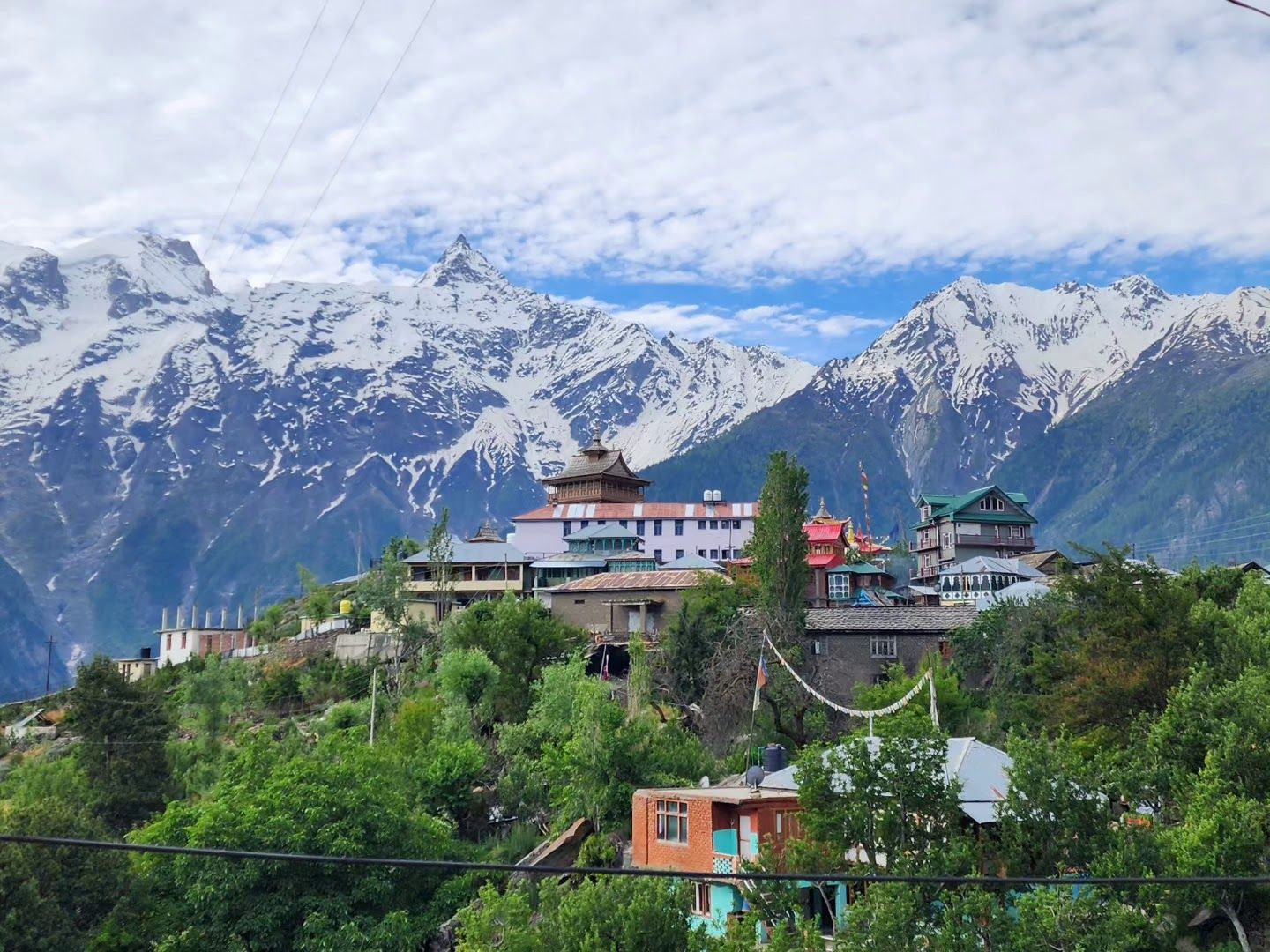
The historic village of Kalpa lies approximately 10 kilometres in a straight line from the lower valley and offers panoramic views of the sacred Kinnaur Kailash massif. Kinnaur Kailash itself stands at an aerial distance of roughly 21 kilometres, its dramatic peak dominating the horizon on clear days across northern Kinnaur.
Adventurers also use the region as a gateway to high-altitude routes. The Rupin Pass Trek lies about 34 kilometres away, connecting the Baspa Valley to the meadows of Uttarakhand across high alpine passes. Nearby passes such as Chanshal Pass, around 37 kilometres away, and Borasu Pass, roughly 39 kilometres away, showcase the rugged mountain geography that surrounds this deep Himalayan corridor.
Tips for Your Visit
The Baspa River carries fast, glacier-fed currents, and the water is freezing throughout the year. Avoid venturing deep into the water or attempting to cross without sturdy suspension bridges, as the current is much stronger than it appears. Keep a close watch on children near the riverbanks.
Even during summer, mornings and evenings can get chilly in the valley, so carry layered woollens, windcheaters, and sturdy hiking shoes. Mobile networks can be intermittent outside major settlements like Sangla, and automated teller machines may run short of cash, so carrying adequate currency and offline maps is advisable. Always carry your trash back with you to protect the fragile river ecology.
Where to Stay
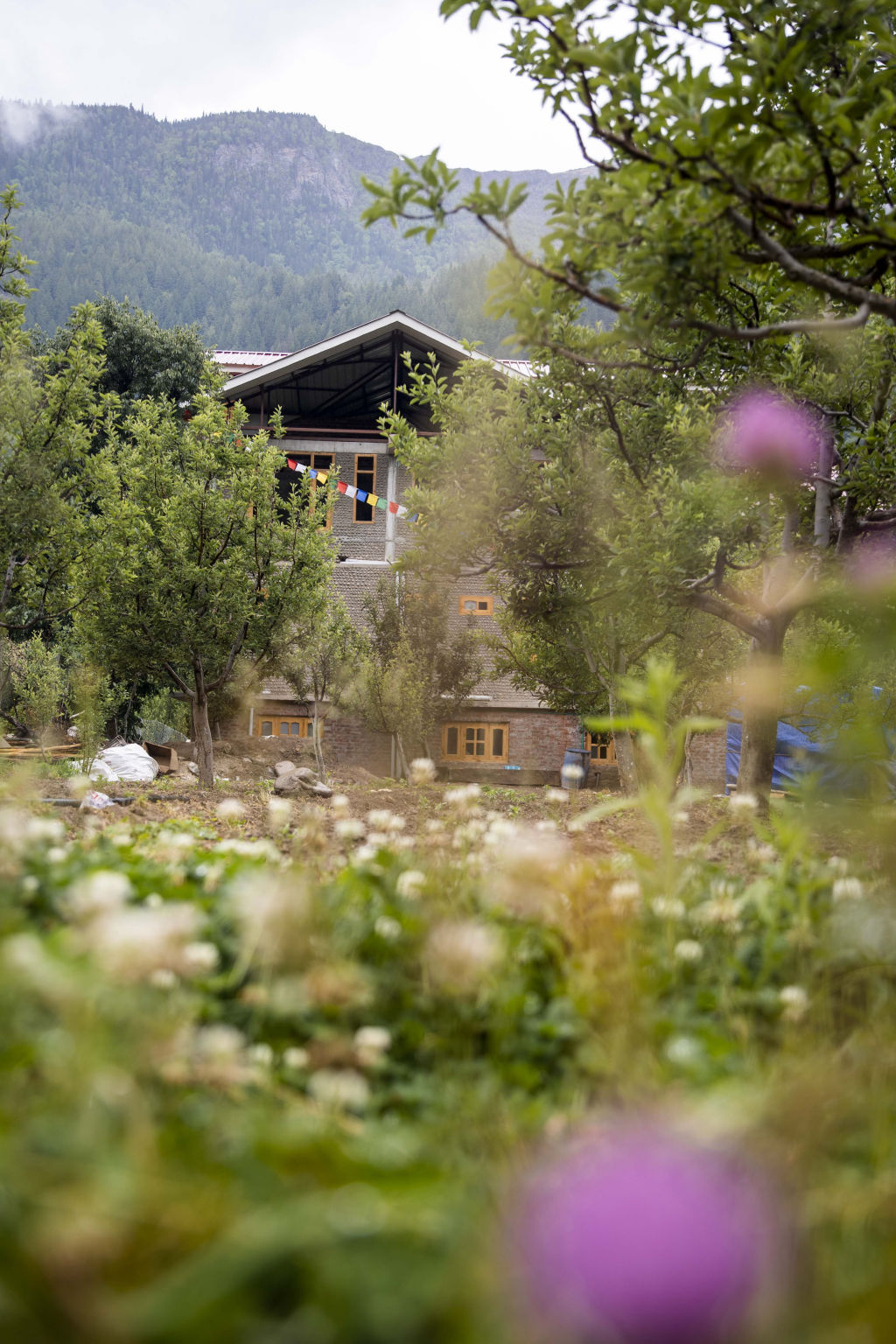
The Baspa Valley features a variety of accommodation options, ranging from riverside campsites set among apple groves to rustic village homestays and comfortable guesthouses. Villages such as Sangla and Rakchham provide peaceful bases close to the water where you can fall asleep to the sound of the river.
You can discover handpicked camps, homestays, and outdoor stays along the Baspa River on HireACamp. Booking in advance is recommended during peak summer holidays and the autumn harvest season.
Frequently asked questions
Where does the Baspa River meet the Sutlej River?
The Baspa River meets the Sutlej River at Karcham in the Kinnaur district of Himachal Pradesh.
Can you swim in the Baspa River?
Swimming is generally not recommended in the Baspa River due to extremely cold glacial temperatures and deceptively strong currents. Wading carefully in shallow, calm pebble banks is a safer way to enjoy the water.
Is the Baspa River accessible during winter?
Lower sections of the river near Sangla are usually accessible in winter, but upper reaches towards Chitkul can experience heavy snow that may temporarily close connecting roads. It is best to check current road conditions locally before travelling.
Is fishing allowed in the Baspa River?
Brown trout fishing is permitted along designated stretches of the Baspa River, but anglers must obtain an official permit from the local fisheries department before casting a line.
What is the best way to explore the Baspa River?
The best way to experience the river is by taking easy riverside nature walks between villages like Sangla and Rakchham, stopping at gravel bars, and spending time at open riverbanks.
Where you'll be
3 stays nearby shown with prices
Stays near Baspa River
Book a place to stay close by
More places near Baspa River
Within 20 km

Built from 0 Instagram posts by 0 creators. Every tip links back to the post it came from, and where creators disagree we show both sides.






