
Karcham Dam
Dam near Sapni, Himachal Pradesh
1.7 km from Sapni
The nearest town, for stays, food and fuel.
Karcham Dam is a massive hydroelectric gravity dam built near the meeting point of the Sutlej and Baspa rivers in the Kinnaur district of Himachal Pradesh. Framed by towering Himalayan ridges and steep rocky gorges, the turquoise waters of the reservoir create a striking contrast against the arid mountain terrain. Travellers driving along the Hindustan-Tibet highway toward Kalpa or the Sangla Valley frequently stop here to admire the engineering spectacle and the dramatic mountain scenery.
Getting there
By road
- From SapniNearest town27 min · 9.3 km
- From Chandigarh6 hr 20 min · 315 km
- From Ludhiana8 hr 20 min · 416 km
- From Dehradun8 hr 30 min · 431 km
Typical drive times without traffic. Stations and airports from OLA Maps; distances and typical drive times from OpenStreetMap (© OpenStreetMap contributors); notes from creators' Reels.
About Karcham Dam
Written with AI from map data and general knowledge. Check prices and timings locally before you go.
About Karcham Dam
Karcham Dam forms an integral part of the Karcham Wangtoo Hydroelectric Project, one of the largest private run-of-the-river power generation undertakings in India. Situated in the lower reaches of Kinnaur, the concrete gravity dam harnesses the tremendous natural gradient and glacial volume of the Sutlej River, shortly after it receives the waters of the Baspa River. The sheer scale of the engineering feat against the raw, vertical face of the Himalayas makes it an unmistakable landmark for travellers journeying through the district.
While the primary purpose of the structure is energy generation, the resulting reservoir has transformed the valley floor into a picturesque stopover. The water often takes on an intense emerald or silt-grey tone depending on the season and glacial runoff from upstream peaks. Towering canyon walls rise almost vertically from the edge of the water, offering travellers an imposing sense of scale and a glimpse into the immense geological forces that carved the Sutlej valley over millions of years.
The surrounding landscape of Kinnaur
The terrain surrounding Karcham Dam represents a dynamic transition zone in the Western Himalayas. As you travel upward from the lush, temperate river valleys of lower Himachal Pradesh, the landscape gradually becomes more rugged, steep, and rock-strewn, eventually leading to the trans-Himalayan dry zone of Kinnaur and Spiti. The mountains surrounding the dam feature dramatic sheer cliffs, deep ravines, and sparse alpine scrub on the lower faces, while dense stands of Himalayan cedar, blue pine, and birch cling to higher slopes.
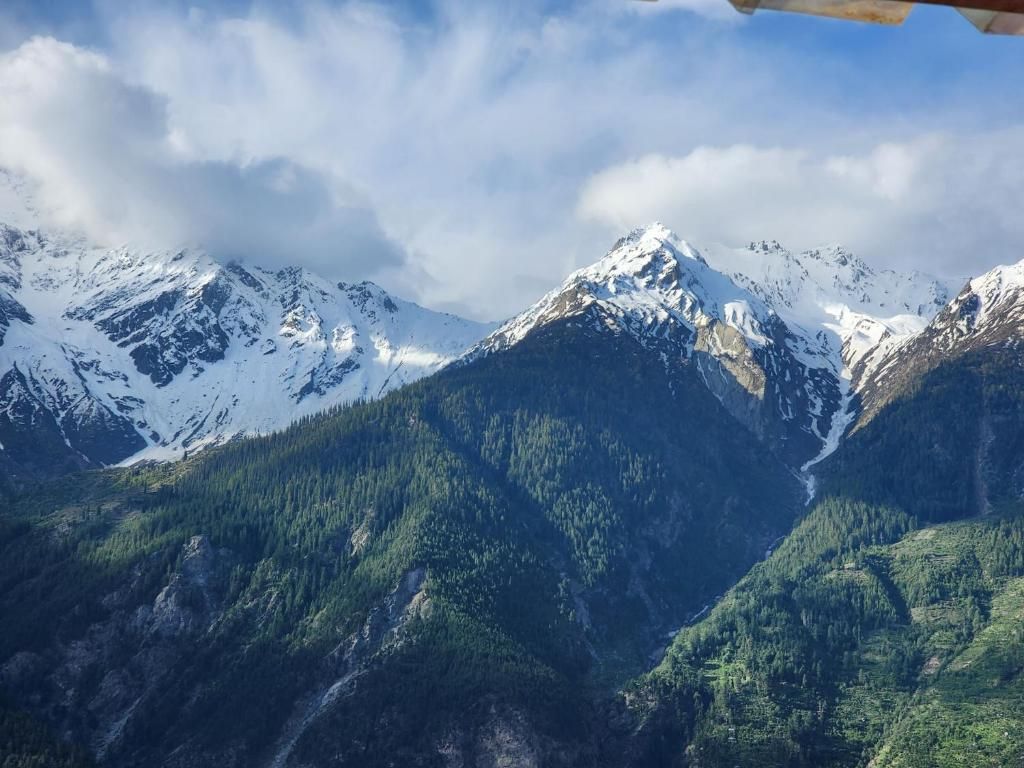
Rising above the horizon to the east and north are the glaciated summits of the Kinnaur Kailash range. On clear mornings and late afternoons, the distant snowy crests catch bright sunlight, creating an extraordinary panorama when viewed alongside the deep gorge of the Sutlej River. The valley is also known for its rich birdlife, including high-altitude raptors like the lammergeier and golden eagle, which can occasionally be spotted soaring high above the rocky cliffs flanking the dam.
Read more
Best time to visit Karcham Dam
The optimal time to visit Karcham Dam and the surrounding Kinnaur region is during the spring and summer months from April to June, as well as the autumn window from September to October. During spring and early summer, temperatures are pleasant during the day, mountain passes open up, and the surrounding slopes begin to turn green as meltwater feeds the rivers and streams.
Autumn is considered by many photographers to be the most rewarding season. From late September through October, the skies are generally clear and deep blue, providing razor-sharp views of the surrounding snow-capped peaks. Apple and apricot orchards in nearby villages like Kalpa and Sangla hang heavy with harvest-ready fruit, and golden autumn foliage lines the roads.
The monsoon months of July and August bring heavy rainfall to the lower and middle Himalayan foothills, which frequently causes landslides and road blockages along the national highway leading up to Karcham. Travel during this time requires caution and flexible schedules. Winter, from late November through March, brings freezing temperatures and snow to the higher villages, though the main valley road typically remains open as long as severe blizzards do not intervene.
How to reach Karcham Dam
Karcham Dam sits directly on the primary transit route through Kinnaur, located just off National Highway 5, historically known as the Hindustan-Tibet Road. The journey typically begins from Shimla, which is connected by mountain rail from Kalka and by road from major cities like Chandigarh and New Delhi. From Shimla, the drive follows the winding Sutlej River valley through towns like Narkanda, Rampur Bushahr, and Jeori before reaching the Karcham junction.
The drive from Shimla generally takes between seven to nine hours depending on road conditions and local traffic. For travellers relying on public transit, regular state transport buses and shared taxis run between Shimla, Reckong Peo, and Sangla, passing through Karcham. The dam is also the primary crossroads where the road diverges: one branch continues along the Sutlej toward Reckong Peo, Kalpa, and Spiti, while the other crosses the river and heads into the scenic Baspa or Sangla Valley.
Things to see and do nearby
Because Karcham Dam is an operational infrastructure point, many visitors choose to combine a brief sightseeing stop at the dam with wider exploration across the surrounding valleys. Just across the bridge at Karcham lies the gateway to the Sangla Valley, renowned for its quaint villages, riverside apple orchards, and traditional wood-and-stone temples such as the Kamru Fort and the village of Chitkul, the last inhabited settlement near the border.
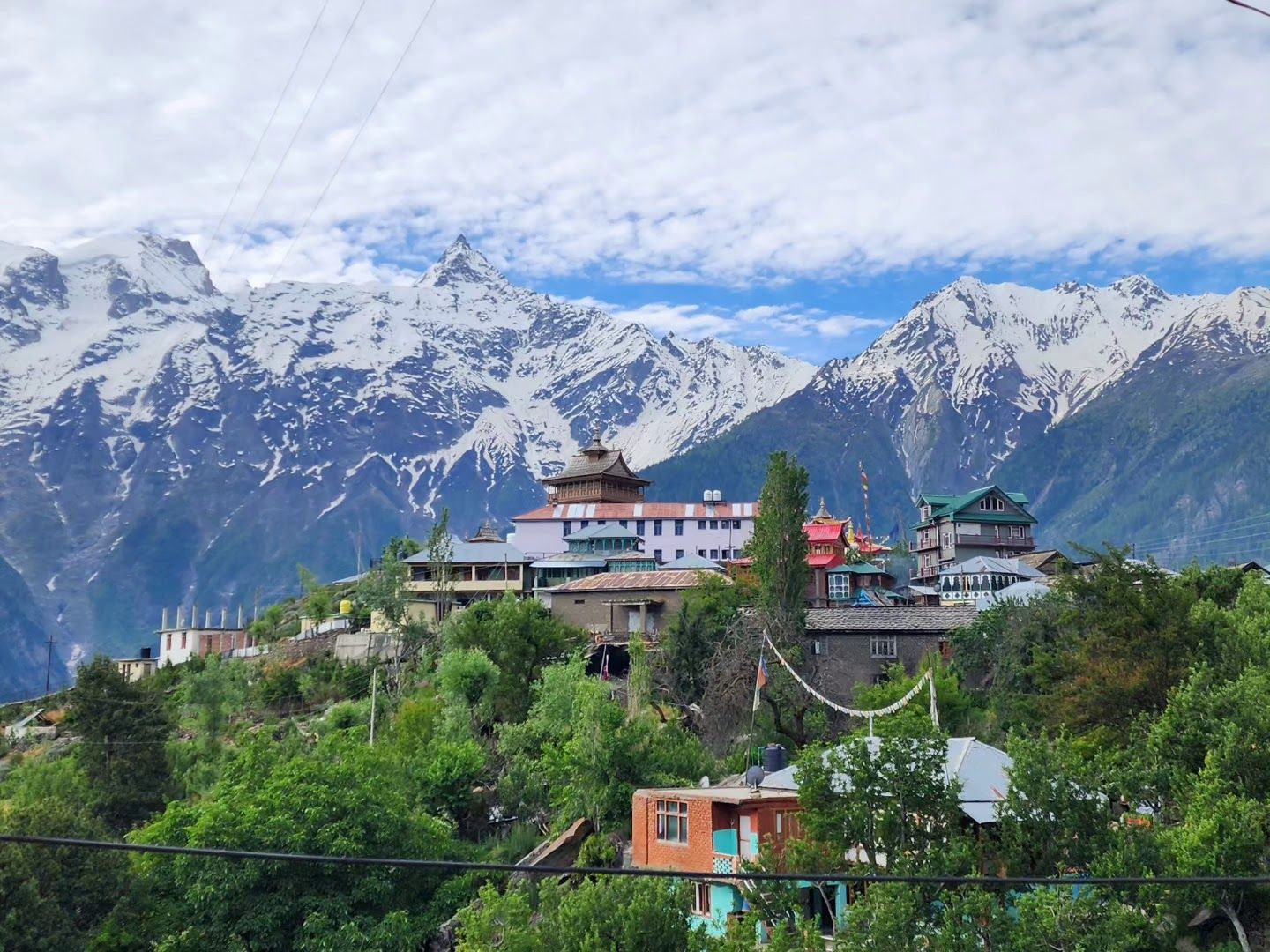
Ascending the northern ridge leads to Reckong Peo, the administrative hub of Kinnaur, and slightly higher up, the historic village of Kalpa. Kalpa provides postcard views of the sacred Kinnaur Kailash peak and its distinctive rock pillar monolith. Walking through Kalpa's centuries-old lanes, visiting local Buddhist monasteries, and strolling through hillside pine groves are among the most memorable cultural experiences in the region. Trekkers also use the wider area as a jumping-off point for famous Himalayan routes like the Rupin Pass and Borasu Pass.
Tips for your visit
When planning a stop at Karcham Dam, keep in mind that hydroelectric dams in India are critical infrastructure assets. Certain perimeter zones and operational facilities may restrict direct pedestrian access or photography, so always obey local signage and security guidelines posted along the roadway. The safest viewpoints are located from designated pull-offs along the highway where you can park without impeding narrow mountain traffic.
The high-altitude mountain roads leading to Kinnaur are notoriously winding and narrow in places. If you are prone to motion sickness, carry appropriate remedies and allow ample time for travel without rushing. Even during summer, evening and early morning temperatures in the valley can dip significantly, so pack light woollens and a windproof jacket. Keep sufficient cash on hand, as automated teller machines further up the valley can run out of currency or face network outages.
Where to stay near Karcham Dam
Most travellers visiting Karcham Dam base themselves in the nearby highland settlements of Kalpa, Reckong Peo, or the villages of the Sangla Valley such as Rakchham and Chitkul. These nearby destinations offer a much wider range of scenic, tranquil, and comfortable accommodations than the immediate industrial zone around the dam.
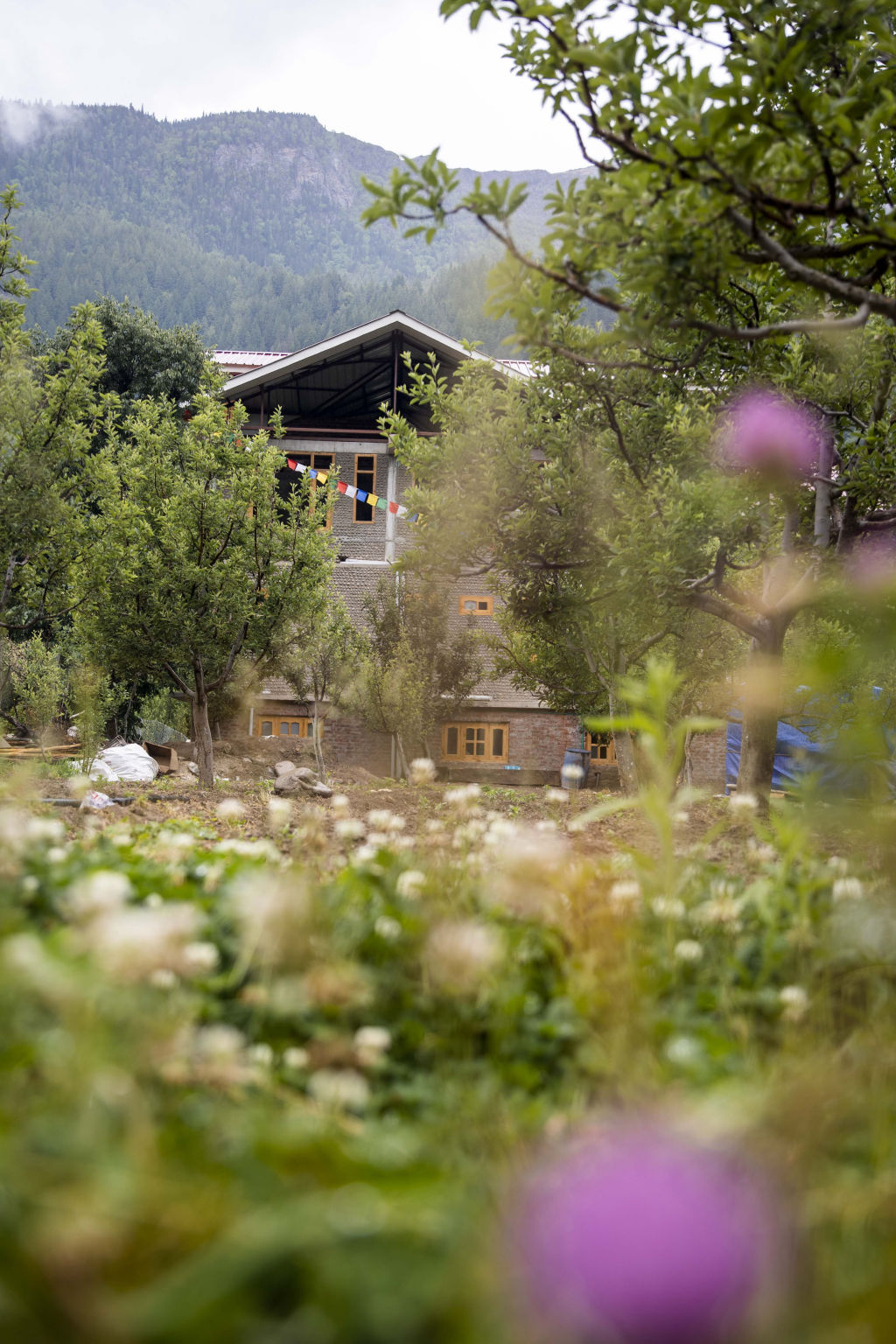
Whether you prefer traditional Himachali homestays perched among apple orchards, riverside camps along the Baspa River, or rustic mountain guesthouses with views of the Kinnaur Kailash massif, you can find and book an ideal stay for your journey through Kinnaur on HireACamp.
Frequently asked questions
Where is Karcham Dam located?
Karcham Dam is located near the confluence of the Sutlej and Baspa rivers in the Kinnaur district of Himachal Pradesh, positioned along National Highway 5 near the junction for the Sangla Valley.
Can visitors walk on Karcham Dam?
Direct pedestrian access onto the operational crest of the dam is generally restricted for security and safety reasons, but the reservoir and structure can be viewed easily from designated vantage points along the main road.
What is the best time of year to visit Karcham Dam?
The best months to visit are from April to June for pleasant weather and from September to October for clear skies, spectacular mountain views, and autumn harvest scenery in nearby Kalpa.
Which popular places can be visited near Karcham Dam?
Major nearby destinations include the heritage village of Kalpa, the administrative town of Reckong Peo, the scenic Sangla Valley, and the historic border village of Chitkul.
Are there places to stay right next to Karcham Dam?
While the immediate dam area has limited tourist infrastructure, plenty of homestays, riverside camps, and local lodges are available nearby in Kalpa and the Sangla Valley on HireACamp.
Where you'll be
Kalpa · 3 stays nearby shown with prices
Stays near Karcham Dam
Book a place to stay close by
More places near Karcham Dam
Within 20 km

Built from 0 Instagram posts by 0 creators. Every tip links back to the post it came from, and where creators disagree we show both sides.






