
Kinner Kailash Range
Peak near Chini, Himachal Pradesh
400 m from Chini
The nearest town, for stays, food and fuel.
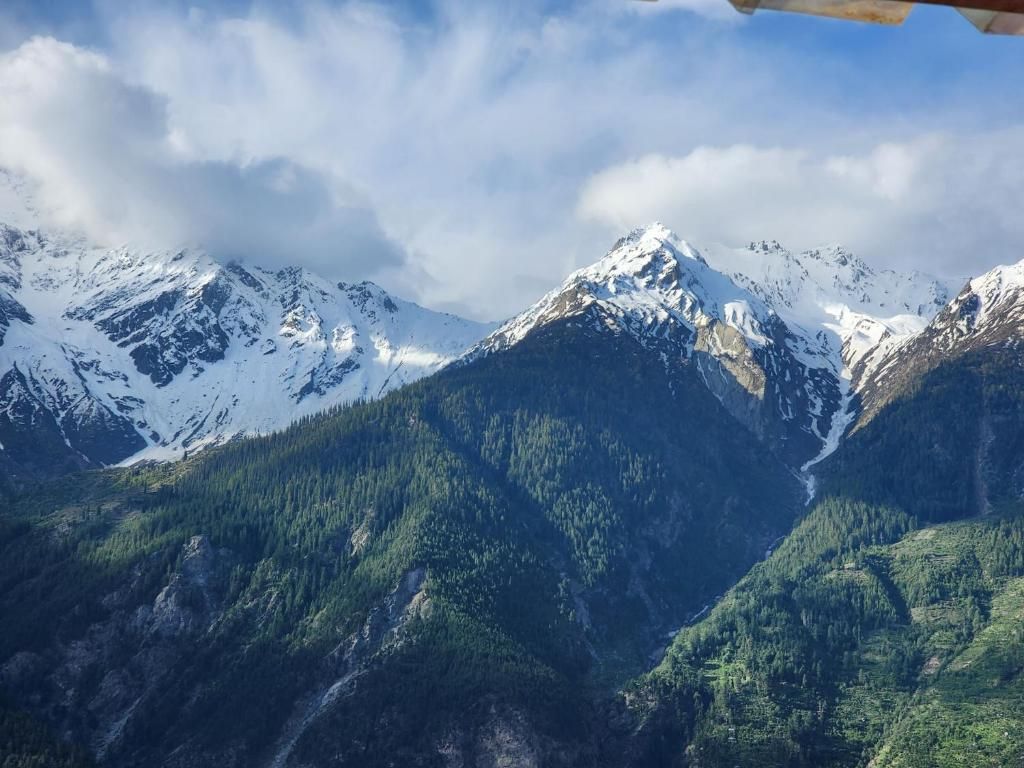
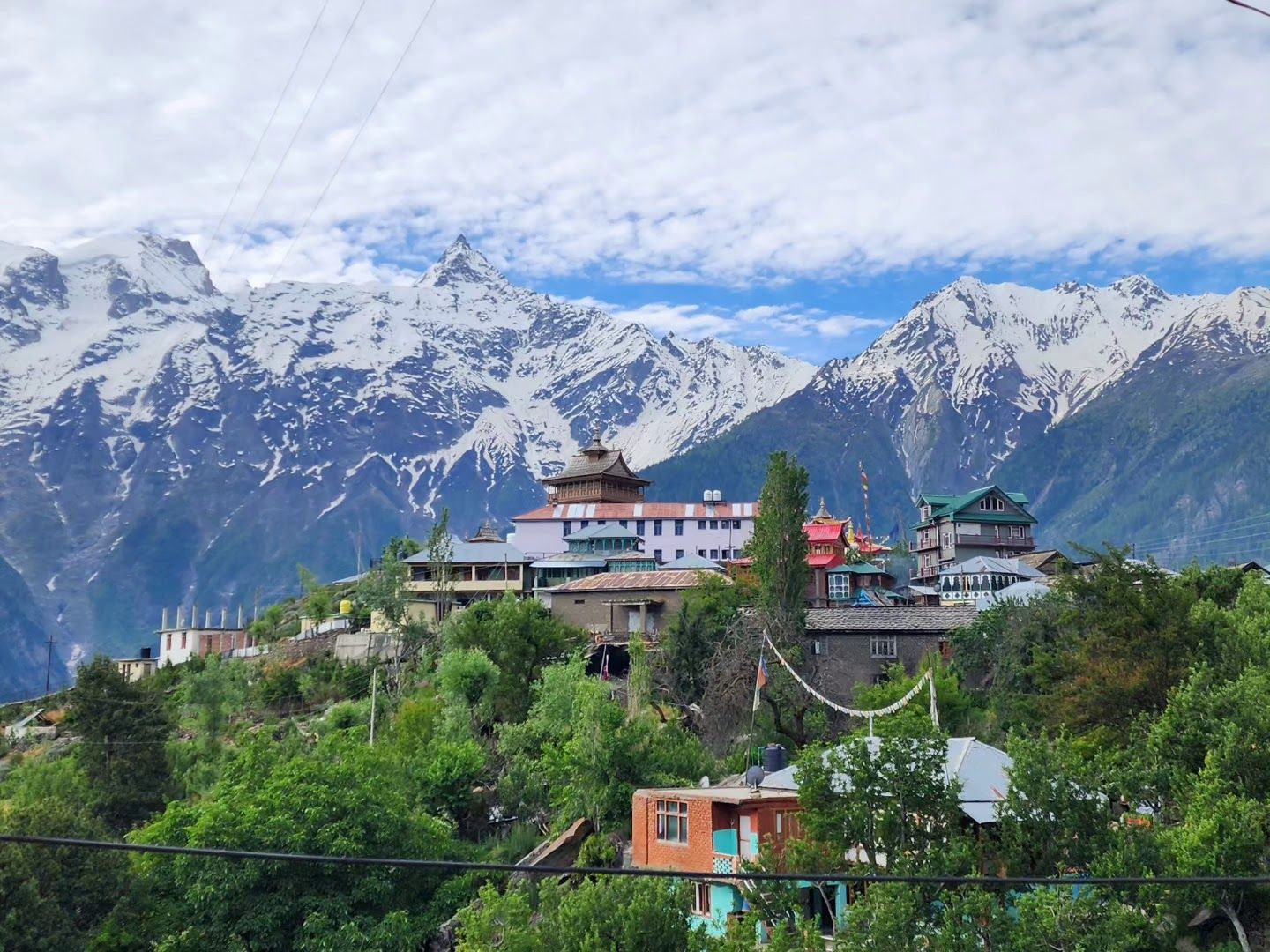
The Kinner Kailash Range dominates the high-altitude skyline above Kalpa in Himachal Pradesh, rising dramatically across the deep Sutlej River valley. Sacred to both Hindu and Buddhist traditions, the snow-bound massif draws travellers, photographers, and pilgrims eager to witness its changing light and jagged granite crests. Its imposing summits, including Jorkanden and the revered natural rock pillar, form one of the most striking visual backdrops in the Greater Himalayas.
Getting there
By road
- From ChiniNearest town10 min · 4.9 km
- From Chandigarh7 hr 5 min · 346 km
- From Ludhiana9 hr · 448 km
- From Dehradun9 hr 10 min · 463 km
Typical drive times without traffic. Stations and airports from OLA Maps; distances and typical drive times from OpenStreetMap (© OpenStreetMap contributors); notes from creators' Reels.
About Kinner Kailash Range
Written with AI from map data and general knowledge. Check prices and timings locally before you go.
About the Kinner Kailash Range
The Kinner Kailash Range forms a dramatic high-altitude barrier in the Kinnaur district of Himachal Pradesh. Rising sharply from the Sutlej and Baspa river valleys, the range is renowned for its sheer vertical relief, jagged granite crests, and extensive seasonal snowfields. The highest peak within this ridge is Jorkanden, which rises to over six thousand metres, while the sacred Kinnaur Kailash peak is revered across the region for its towering natural rock pillar that resembles a Shiva lingam.
Kinnaur occupies a distinct geographical and cultural crossroads between the lower Himalayan valleys and the arid Tibetan plateau. For centuries, the peaks of the Kinner Kailash Range have held deep spiritual significance for both Hindu and Buddhist communities living along its slopes. Villagers revere the mountain as an abode of Lord Shiva, while local folklore ties the peaks to ancient myths and seasonal rituals. As the morning sun strikes the eastern faces and evening casts long shadows across the valley floor, the granite summits appear to shift colour, creating a spectacle that has drawn travellers to this rugged Himalayan frontier for generations.
Landscape and Vantage Points
While high-altitude pilgrims and mountaineers venture onto the steep ridges during specific trekking windows, the most popular way to experience the Kinner Kailash Range is by taking in the panorama from the hillside villages opposite the peaks. The village of Kalpa, perched high on the northern slopes of the Sutlej river gorge, offers an uninterrupted direct vista of the entire massif. Sitting on the open terraces or walking through the apple orchards of Kalpa, one has a front-row seat to the sheer vertical faces of Jorkanden and the holy spire.
Light plays a central role in experiencing the range. Early mornings bring a subtle glow as the sun rises directly behind the peaks, creating striking silhouettes against the cold mountain sky. By late afternoon, warm light reflects off the ice fields and exposed rock walls, turning the ridges golden and pink before the sky deepens into dusk. The dramatic scale of the gorge separating Kalpa from the range accentuates the sheer altitude of the mountains, making it one of the most celebrated vistas anywhere in the western Himalayas.
Read more
Best Time to Visit the Kinner Kailash Range
The experience of seeing the Kinner Kailash Range changes distinctly with the turning of the seasons. Spring and early summer, from April to June, are among the most comfortable times to visit the region. During this period, the snowline recedes slightly, daytime temperatures are pleasant, and the fruit orchards around Kalpa burst into blossom. Skies are generally clear, offering crisp morning views of the white summits against deep blue skies.
The monsoon months of July and August bring cloud cover and occasional heavy rainfall to Kinnaur. While the valley turns lush and misty, the peaks are frequently veiled behind thick cloud banks, and the approach highways can experience landslides. Autumn, stretching from September through October, is widely considered the finest window for mountain views. The monsoon moisture clears completely, leaving behind razor-sharp visibility, crisp air, and golden foliage across the valley. From November onwards, severe winter sets in, blanketing the upper reaches in heavy snow and bringing freezing conditions that linger well into March.
How to Reach the Kinner Kailash Range
Reaching the viewing areas around the Kinner Kailash Range requires an adventurous journey through the rugged terrain of upper Himachal Pradesh. The standard route begins from Shimla and follows National Highway 5, carved along the steep contours of the Sutlej river valley. The road passes through towns like Rampur and Jeori before climbing toward Reckong Peo, the administrative centre of Kinnaur, from where a short, winding mountain road leads up to Kalpa.
Travellers generally reach Shimla first by road, rail, or flight before undertaking the drive into Kinnaur. Because the distance from Shimla involves long hours navigating narrow, winding mountain roads and occasional unpaved stretches, many visitors choose to break their journey midway. Local state-run buses and private taxis ply regularly between Shimla, Reckong Peo, and Kalpa, though road conditions can fluctuate depending on weather, rockfall, and seasonal maintenance. Before setting out, it is advisable to check the current status of the highway with local authorities.
Places to Visit Nearby
The areas surrounding the Kinner Kailash Range offer a wealth of traditional villages, ancient architecture, and scenic valleys. Kalpa itself is known for its winding cobbled alleys, traditional wooden homes with slate roofs, and the historic Hu-Bu-Lan-Kar monastery. Walking through its apple and apricot orchards provides a quiet look into the everyday rhythm of life in Kinnaur.
A short drive across into the neighbouring Baspa Valley leads to Sangla, celebrated for its riverbanks, fertile fields, and traditional wood-and-stone settlements. In this valley sits Kamru Village, home to the multi-storeyed Kamru Fort with its ornate wooden balconies and the revered Kamru deity shrine. Nearby in Sangla village, the ancient Bering Nag Temple displays intricate woodcarvings reflecting the region's artistic heritage. For those interested in day hikes, trails lead towards Sangla Kanda Lake and the scenic meadows above the Baspa River, framed by the snowy ridges of the southern Kinnaur ranges.
Where to Stay and Travel Tips
Accommodations for experiencing the Kinner Kailash Range are primarily located in the villages of Kalpa, Reckong Peo, and the Sangla Valley. A wide variety of homestays, traditional guest houses, and scenic outdoor camps can be booked on HireACamp. Staying in a family-run homestay in Kalpa allows travellers to experience Kinnauri hospitality, sample locally grown produce, and wake up to mountain views right outside their bedroom window.
Because Kalpa and the surrounding valleys sit above 2,700 metres, it is essential to allow adequate time for acclimatisation, particularly when arriving quickly from the plains. Stay well hydrated and avoid strenuous exertion on your first day. Even in summer, evenings and mornings can be brisk, so packing layered clothing, a windproof jacket, and sturdy walking shoes is recommended. Respect local traditions when visiting village temples and sacred sites, and check locally for current trail conditions and any village entry guidelines before wandering beyond established viewpoints.
Frequently asked questions
Where is the best place to see the Kinner Kailash Range?
The village of Kalpa offers the most direct and sweeping panoramic view of the Kinner Kailash Range, looking straight across the Sutlej river gorge toward the sacred peaks.
Can you trek to the Kinner Kailash peak?
A demanding pilgrimage trek to the sacred rock pillar takes place during a brief summer window each year, but it requires high physical fitness and local registration. Most general travellers visit Kalpa simply to view the range from across the valley.
Which months offer the clearest views of the range?
September and October typically offer the clearest mountain views, as the post-monsoon atmosphere is crisp and free of haze, while May and June also provide reliable visibility before the rainy season.
What should I pack for a trip to see the Kinner Kailash Range?
Pack warm layers including thermal innerwear, a fleece or down jacket, sturdy walking shoes, and sun protection, as temperatures drop sharply once the sun sets regardless of the season.
How high is the Kinner Kailash Range?
The peaks in the Kinner Kailash massif rise well above 6,000 metres, with Mount Jorkanden standing as the highest summit in the immediate range at approximately 6,473 metres.
Where you'll be
kalpa, Kalpa · 3 stays nearby shown with prices
Stays near Kinner Kailash Range
Book a place to stay close by
More places near Kinner Kailash Range
Within 20 km


Built from 0 Instagram posts by 0 creators. Every tip links back to the post it came from, and where creators disagree we show both sides.






