
Yuksom
Destination in Sikkim
Yuksom is a quiet, historic town nestled in the forested hills of West Sikkim. Known as the first capital of the Kingdom of Sikkim, it holds immense cultural significance alongside its reputation as the trailhead for high-altitude Himalayan treks into Khangchendzonga National Park. Travellers visit Yuksom to experience ancient monasteries, tranquil pine forests, and a peaceful mountain village life far removed from bustling tourist circuits.
Getting there
About Yuksom
Written with AI from map data and general knowledge. Check prices and timings locally before you go.
The historical heart of Sikkim
Yuksom occupies a foundational chapter in Sikkim's history. It was here in 1642 that three revered Buddhist lamas met from different corners of Tibet to consecrate the region's first Chogyal, or religious monarch, named Phuntsog Namgyal. This event marked the birth of the Kingdom of Sikkim and gave the town its name, which translates to the 'meeting place of the three superior ones.'
Today, the town preserves this spiritual heritage with remarkable quietude. The ancient stone throne where the coronation took place still stands sheltered beneath a massive pine tree at Norbugang, accompanied by a stupa and sacred foot impressions carved into stone. Walking through Yuksom feels like moving through a lived-in open-air sanctuary, where prayer flags flutter between modest wooden cottages, terraced fields, and dense sub-alpine forest.
Things to do in and around Yuksom
A rewarding way to spend time in Yuksom is exploring its historic and natural landmarks on foot. Dubdi Monastery, perched on a wooded ridge overlooking the valley, is widely regarded as one of the oldest monasteries in Sikkim. The uphill walk takes you along a scenic stone pathway flanked by tall trees, ferns, and singing birds. At the top, the monastery grounds offer serene valley vistas and intricately painted interiors that reward the climb.
Down in the village, Kathok Lake is another peaceful stop, considered sacred for its association with the rituals performed during the consecration of the first king. A walking trail circles the emerald waters, reflecting tall prayer flags and surrounding trees.
Outside the monuments, the landscape invites slow, unhurried exploration. Foot trails wander out of the settlement into cardamom plantations and riverside woods where you can spend peaceful mornings birdwatching or simply observing everyday Himalayan mountain life.
Read more
Gateway to Khangchendzonga National Park
Beyond its historical importance, Yuksom is celebrated as the starting point for some of India's most iconic trekking expeditions. The town serves as the base for routes leading toward Dzongri, Thansing, and the high-altitude viewpoint of Goecha La, which sits directly beneath the eastern face of Mount Kangchenjunga.
Trekker groups, mountain guides, and pack animals frequently assemble along the village paths during the climbing seasons. Even for travellers not attempting a multi-day high-pass expedition, day hikes into the periphery of Khangchendzonga National Park provide a taste of pristine wilderness. The trails lead through thick moss-draped forests of oak, magnolia, and rhododendron, crossing foaming glacial torrents over swaying suspension bridges.
Places to visit near Yuksom
Yuksom makes an excellent base for discovering the broader heritage of West Sikkim. A short drive away lies Khecheopalri Lake, one of the most sacred bodies of water in the Eastern Himalayas for both Buddhists and Hindus. Surrounded by pristine forest, the lake is known for its remarkable cleanliness, which folklore attributes to birds picking up any fallen leaves immediately.
Further down the mountain roads, you can visit the thundering cascades of Phamrong Falls, where a flight of steps leads to a viewing bridge across the gorge. Another significant stop in the district is Tashiding Monastery, dramatically situated atop a conical hill between two rivers. It is regarded as one of the most sacred pilgrimage sites in the state, offering broad vistas across the terraced valleys and distant snowcaps.
Best time to visit Yuksom
The best months to visit Yuksom are from March to May and from late September to November. During spring, the surrounding hills and high ridges burst into vivid colour as multiple species of rhododendron and wild orchids come into bloom. Temperatures are comfortable for walking, and the days are usually bright.
Autumn, from late September through November, offers the clearest skies and crisp air, making it the ideal window for mountain views and photography. The Himalayan peaks stand out sharply against deep blue skies following the departure of the summer rains.
The monsoon period between June and August brings heavy rainfall to the Eastern Himalayas, resulting in frequent roadblocks, landslides, and leech-filled trails. Winter, from December to February, brings cold nights and frosty mornings, though midday sunshine can still be pleasant for travellers who prefer solitude and bundle up well.
How to reach Yuksom
Yuksom is located in the Gyalshing district of West Sikkim and is reached primarily by road. The journey winds through scenic river valleys and steep forested ridges. The nearest major railway station is New Jalpaiguri, and the closest commercial airport is Bagdogra in West Bengal, both situated roughly six to seven hours away depending on road conditions.
From Siliguri, New Jalpaiguri, or Bagdogra, private taxis and shared jeeps travel via Melli and Jorethang up to Geyzing and Yuksom. If you are already travelling within Sikkim, regular shared vehicle connections operate from Pelling, Geyzing, and Gangtok. Mountain roads can be narrow and prone to delays during wet spells, so it is wise to start early in the day.
Tips for your visit
Because Yuksom is a small mountain settlement, cash is essential. ATMs in the area can occasionally be out of service or run out of cash, so withdraw sufficient funds at larger hubs like Jorethang or Geyzing before driving up.
Respect local customs when visiting religious sites. Walk clockwise around chortens, stupas, and sacred lakes, remove your footwear before entering monastery prayer halls, and ask permission before taking photographs of people or altar spaces. Pack comfortable walking shoes, rain protection regardless of the season, and warm layers for chilly mountain evenings. Carry a reusable water bottle to help keep the Himalayan environment free of plastic waste.
Where to stay in Yuksom
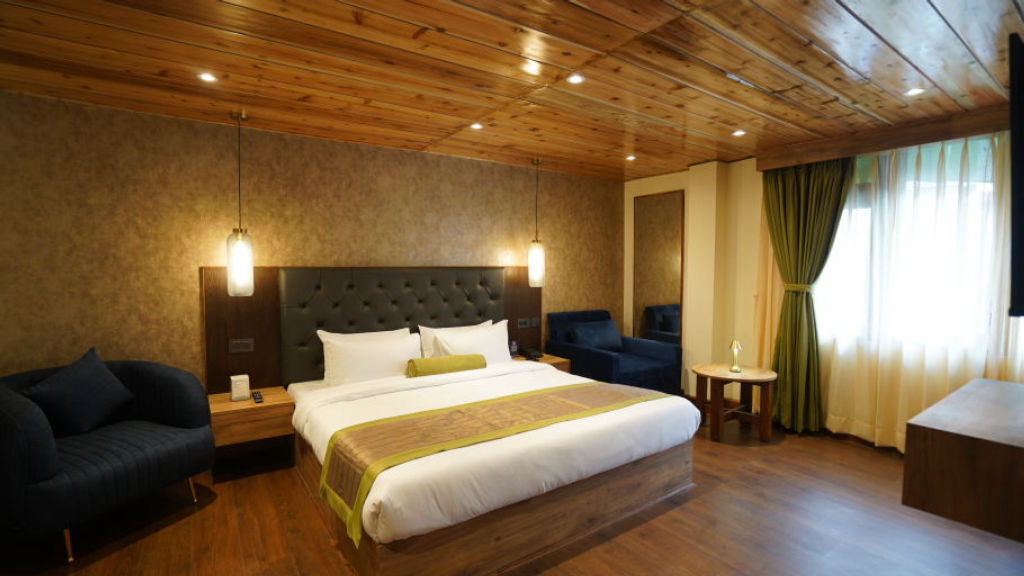
Accommodation in Yuksom revolves around local hospitality, reflecting the town's laid-back and intimate character. Options range from traditional family-run homestays and rustic mountain lodges to riverside stays and comfortable village guest houses. Staying with a local host offers a wonderful window into Sikkimese cuisine, featuring organic garden vegetables, local breads, and freshly brewed teas. You can explore and book verified camps, homestays, and boutique rural stays in and around Yuksom on HireACamp.
Frequently asked questions
What is Yuksom famous for?
Yuksom is famous as the historical first capital of Sikkim, where its first king was crowned in 1642. It is also renowned as the starting base for trekking expeditions into Khangchendzonga National Park, including the trail to Goecha La.
Can you visit Yuksom if you are not a trekker?
Yes, Yuksom is well suited for non-trekkers who enjoy peaceful surroundings, heritage sites, sacred lakes, and short nature walks through pine forests and traditional villages.
What should I carry while travelling to Yuksom?
Pack sturdy walking shoes for stone trails, warm fleece or down jackets for cool mornings and evenings, basic medications, rainwear, and sufficient cash for expenses.
How far is Yuksom from Pelling?
Yuksom is located approximately 40 kilometres from Pelling by road, and the scenic drive through terraced valleys usually takes around two hours depending on conditions.
Where you'll be
1 stay nearby shown with prices
Stays near Yuksom
Book a place to stay close by
Things to do in Yuksom
48 places creators recommend within 30 km
Lists for this area
Ranked by how many creators recommend each place


Built from 0 Instagram posts by 0 creators. Every tip links back to the post it came from, and where creators disagree we show both sides.






