Monuments near Bhundsi
This guide highlights notable historic monuments located within 40 km of Bhundsi in Haryana, extending into the rich heritage corridors of South and Central Delhi. It suits history enthusiasts, architecture lovers, and weekend day-trippers seeking open-air ruins, grand mausoleums, and ancient engineering marvels. Independent creator recommendations help you discover key architectural landmarks and plan visits during optimal times of day.
Historic towers and memorials near Bhundsi
Located just beyond the southern edge of the national capital region, Bhundsi offers convenient access to some of northern India's most notable historical landmarks. A drive north toward Mehrauli brings travellers to Qutb Minar, situated approximately 23 km away. This towering medieval minaret anchors a sprawling complex dating back to the Delhi Sultanate, celebrated for its intricate fluted red sandstone, historic carvings, and the ancient iron pillar. Nearby in Mehrauli stands Ahinsa Sthal, a tranquil Jain monument established atop a rocky knoll featuring an imposing stone statue of Lord Mahavira framed by pleasant gardens.
Continuing further into the capital, visitors can explore solemn commemorative sites such as Raj Ghat Memorial New Delhi, located around 37 km from Bhundsi along the Yamuna River. Dedicated to Mahatma Gandhi, this memorial centres around a modest black marble platform set amidst broad landscaped lawns that provide a peaceful setting for quiet contemplation.
Celebrated Mughal garden tombs
The area within 40 km of Bhundsi is home to world-renowned examples of Mughal funerary architecture. Humayun’s Tomb, situated roughly 33 km away in Nizamuddin East, is a sixteenth-century landmark admired for its Persian-style Charbagh layout, soaring marble dome, and detailed red sandstone lattice screens. Independent creators consistently note the serene symmetry of its avenues and recommend exploring the grounds during the cooler morning hours or golden hour before sunset, while advising against midday visits between 12:00 PM and 3:00 PM.
Roughly 30 km from Bhundsi lies Safdarjung Tomb, an eighteenth-century garden mausoleum that represents the last grand enclosed garden tomb built in the classic Mughal architectural tradition. Its soaring central dome, ornamental plasterwork, and quiet geometric pathways make it an engaging stop for visitors interested in later imperial architecture, especially in the gentle evening light prior to sunset.
Astronomy and water architecture
Beyond grand mausoleums, the heritage corridor accessible from Bhundsi includes striking functional and scientific structures. Jantar Mantar, located approximately 34 km from Bhundsi along Sansad Marg, is an open-air masonry observatory built in the eighteenth century by Maharaja Jai Singh II of Jaipur. Its colossal geometrical instruments were engineered to track celestial paths and measure local time, offering a glimpse into historic Indian astronomy.
A short distance away on Hailey Road sits Agrasen ki Baoli, an ancient multi-tiered stepwell around 35 km from Bhundsi. Built centuries ago to harvest rainwater and provide a shaded retreat from intense seasonal heat, the structure features dramatic stone staircases leading down between arched alcoves. Travellers often pair a stop here with broader city explorations due to its central location.
Best seasons and timing for visits
The climate across Haryana and the national capital region brings hot summers, pleasant winter months, and humid monsoon spells. The cooler stretch from late autumn to early spring offers comfortable conditions for walking across expansive open-air heritage grounds like Qutb Minar and Humayun’s Tomb. Midday hours during warmer months can be harsh, with high heat making unshaded stone courtyards difficult to navigate comfortably.
When planning a day trip, early mornings generally bring cooler temperatures, soft daylight, and fewer fellow visitors. Golden hour just before sunset is another favourable window, particularly at Safdarjung Tomb and Humayun’s Tomb, where the warm light highlights the stone facades. Late mornings on weekends tend to experience peak foot traffic, so travellers seeking quiet exploration should aim to arrive early.
Getting around and where to stay
Bhundsi connects directly into the wider regional highway grid, making travel toward South Delhi and central heritage sites straightforward. Drive times are approximate and will vary depending on regional traffic conditions, particularly during weekday rush hours along the major arterial corridors. For detailed operational schedules, current ticket arrangements, and photography regulations, travellers should verify details locally before heading out.
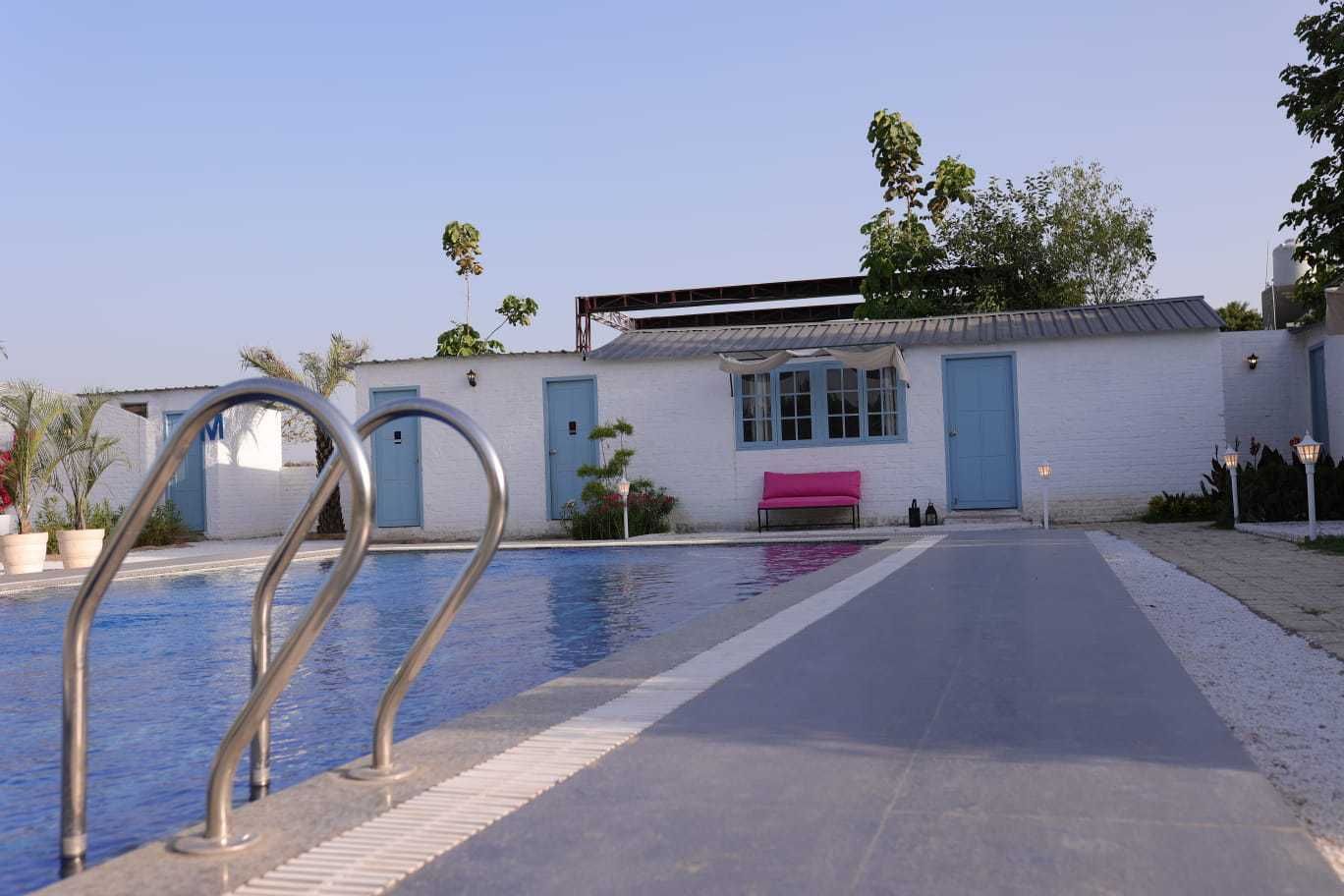
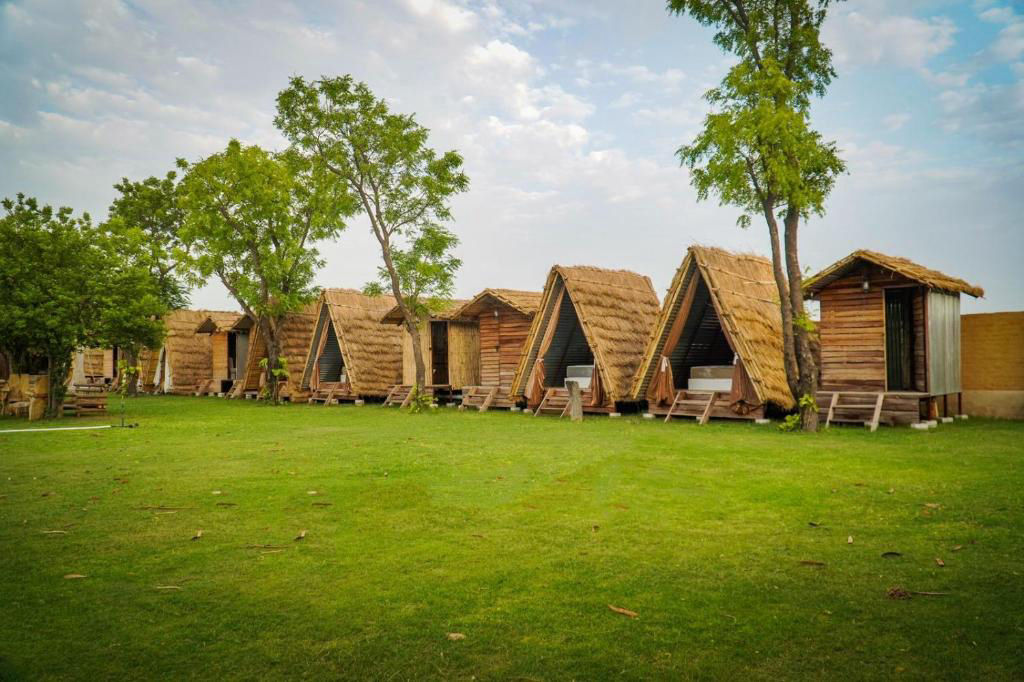
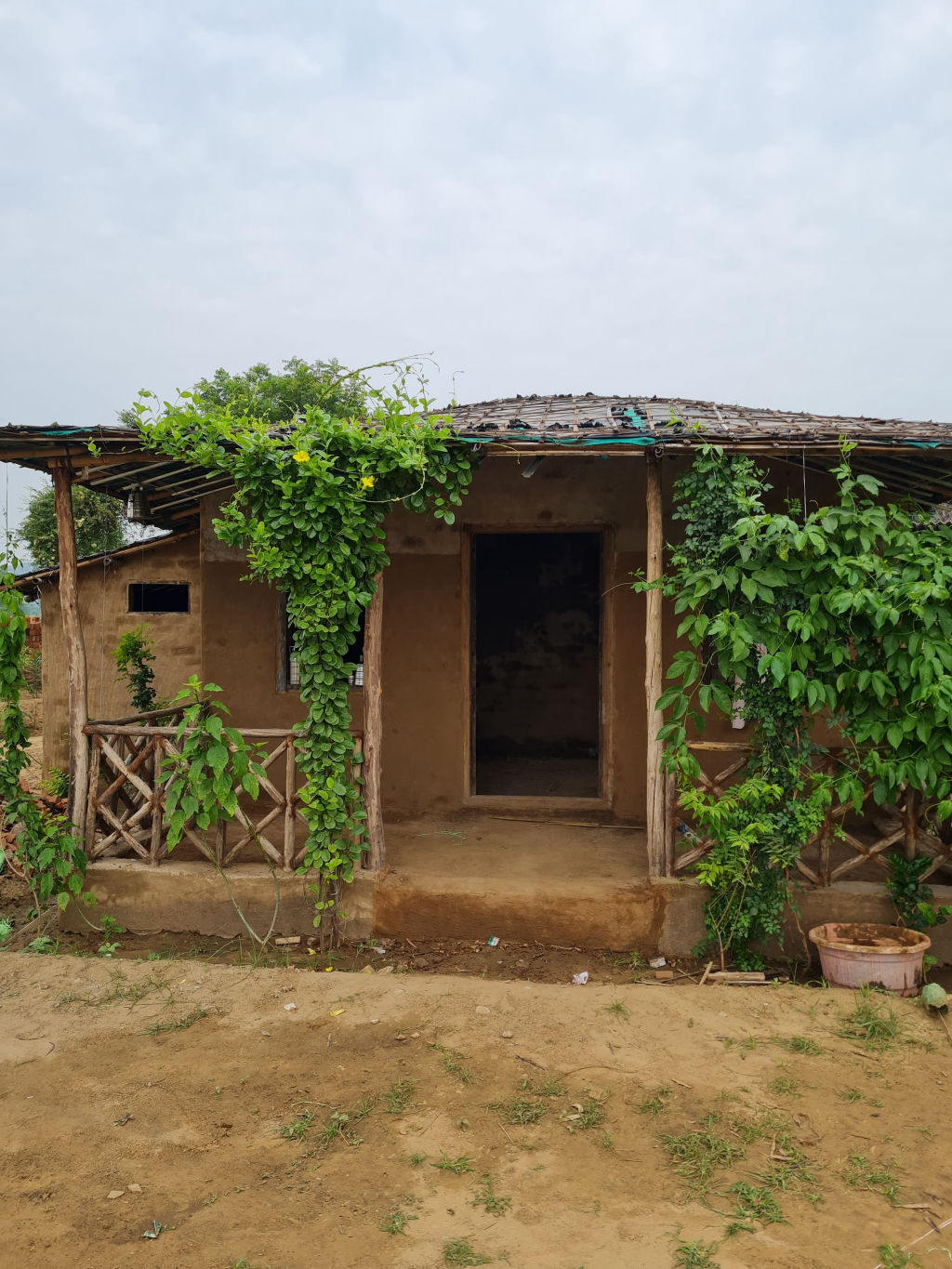
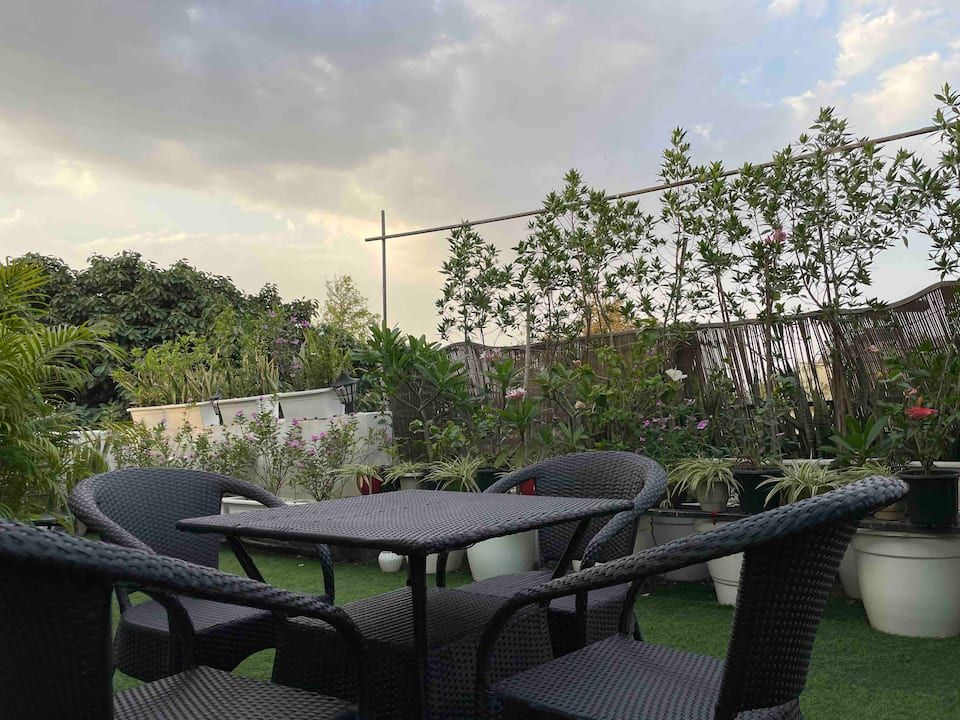
For those planning an extended getaway that balances heritage sightseeing with open countryside, HireACamp offers options for nearby camps and homestays. Basing yourself in a rural or peri-urban stay near Bhundsi lets you enjoy calm green surroundings while remaining within easy striking distance of the capital's historic landmarks.
Written with AI from creators' posts and map data. Check prices and timings locally before you go.
17 places · 18 creator recommendations · Updated today
Ranked by how many independent creators recommend each place, not by who paid. The list updates itself as new posts come in.


Frequently asked questions
Which monuments near Bhundsi are closest to visit?
Qutb Minar and Ahinsa Sthal in the Mehrauli area are among the closest monuments, located approximately 23 km north of Bhundsi.
When is the best time of day to explore Humayun’s Tomb?
Early morning is widely considered the best time to explore Humayun’s Tomb due to cooler temperatures and lower crowd levels. Golden hour before sunset also offers pleasant light, whereas midday between 12:00 PM and 3:00 PM is best avoided due to heat.
What is the best season to visit historical monuments near Bhundsi?
The cooler months between October and March provide comfortable weather for walking through open-air complexes and stone courtyards. Summer months bring intense heat that can make outdoor sightseeing strenuous during daytime hours.
What architectural style is Safdarjung Tomb known for?
Safdarjung Tomb is known as the last grand enclosed garden tomb built in the classic Mughal architectural tradition, featuring a soaring sandstone dome, intricate plasterwork, and geometric Charbagh gardens.
Where can visitors stay while exploring monuments around Bhundsi?
Travellers can find peaceful homestays, nature retreats, and outdoor camps around Bhundsi and the surrounding Aravalli foothills on HireACamp.
Stays near Bhundsi
Make a trip of it