Monuments near Greater Kailash
This guide highlights historic monuments near Greater Kailash, spanning magnificent Mughal mausoleums, ancient stepwells, and commemorative memorials. Ideal for history enthusiasts, cultural travellers, and architecture lovers, the list features sites located within a short drive of South Delhi.
Top historic landmarks near Greater Kailash
South Delhi is home to an exceptional concentration of classical heritage, with several globally celebrated sites situated just a few kilometres from Greater Kailash.
Humayun’s Tomb stands among the most prominent, frequently highlighted by travellers for its symmetrical Persian-inspired Charbagh gardens and refined red sandstone architecture. As a sixteenth-century Mughal garden tomb, its intricate stone lattice screens and imposing dome draw visitors from all over. Just a short drive away lies Safdarjung Tomb, an eighteenth-century garden mausoleum that serves as the last major enclosed tomb of the classic Mughal era. Visitors appreciate its soaring sandstone dome, decorative plasterwork, and serene geometric grounds.
Close by in South Delhi, the medieval complex surrounding Qutb Minar offers an encounter with Delhi Sultanate masonry. Built primarily of fluted red sandstone and marble, this towering minaret features detailed calligraphic carvings and ancient iron pillar ruins. Nearby in Deer Park, Bagh-I-Alam Ka Gumbad provides a quiet fifteenth-century Lodi-era structure nestled amidst verdant parklands, while Ahinsa Sthal sits on a nearby rocky knoll featuring a grand seated statue of Lord Mahavira.
Astronomical and architectural wonders
Heading slightly north toward the central district, visitors encounter unique architectural achievements designed for practical and scientific utility.
Jantar Mantar, commissioned by Maharaja Jai Singh II of Jaipur along Sansad Marg, is an open-air eighteenth-century astronomical observatory. Its massive geometric masonry instruments were meticulously calculated to measure local time and track celestial movements, remaining an enduring fascination for travellers.
Tucked away near Connaught Place is Agrasen ki Baoli, an ancient stepwell built with deep stepped stonework and arched alcoves. Historically constructed to collect monsoon rainwater and offer a cool underground sanctuary from the summer heat, this stone structure is widely visited by heritage enthusiasts exploring Delhi's historic urban landscape.
Memorials and independence history
In addition to medieval and early modern landmarks, the area preserves critical chapters of India's modern journey toward independence.
Raj Ghat Memorial New Delhi offers a serene, contemplative space on the banks of the Yamuna River. Dedicated to Mahatma Gandhi, this site marks the location of his cremation in 1948 with a minimalist black marble platform surrounded by wide lawns. Nearby, the grand sandstone arch of India Gate stands along Kartavya Path as a national war memorial, while the Salt march Statue, also known as Gyarah Murti, captures Gandhi and his followers during the 1930 Dandi March in a dynamic bronze installation.
Travellers interested in nineteenth-century history can venture toward the Northern Ridge to view the Gothic-style Mutiny Memorial or inspect the ancient Ashoka Pillar, a Mauryan sandstone monolith relocated to Delhi in the fourteenth century.
Best time to visit
The cooler months from October to March present the most comfortable conditions for walking through open-air grounds, expansive courtyards, and garden avenues.
For daily timing, creators strongly recommend arriving during early morning hours or during the late afternoon golden hour just before sunset. Early mornings offer gentle light, lower temperatures, and fewer crowds, which is especially beneficial when exploring sprawling sites like Humayun’s Tomb or Safdarjung Tomb. Midday hours between noon and mid-afternoon are best avoided due to intense overhead sun and heat.
Where to stay and travel tips
Traffic across the capital can fluctuate substantially throughout the day, so visiting early in the morning helps ensure quick travel times and easy parking. Because many sites feature extensive walking over stone pathways, lawns, and steps, wearing comfortable footwear and carrying water is recommended. Check entry guidelines and current visiting hours locally before setting out.
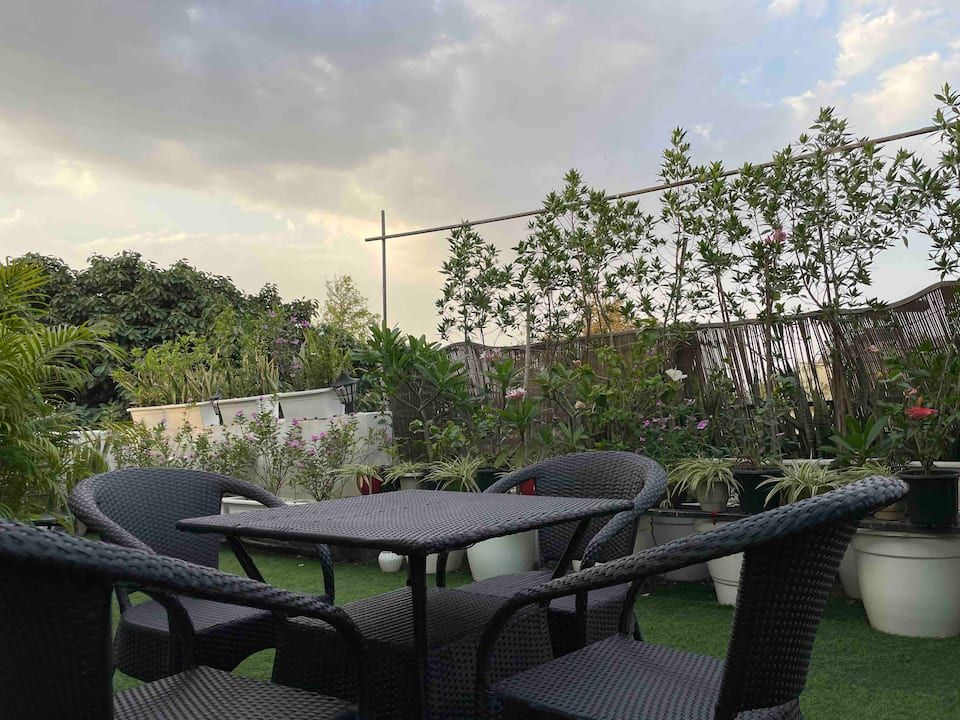
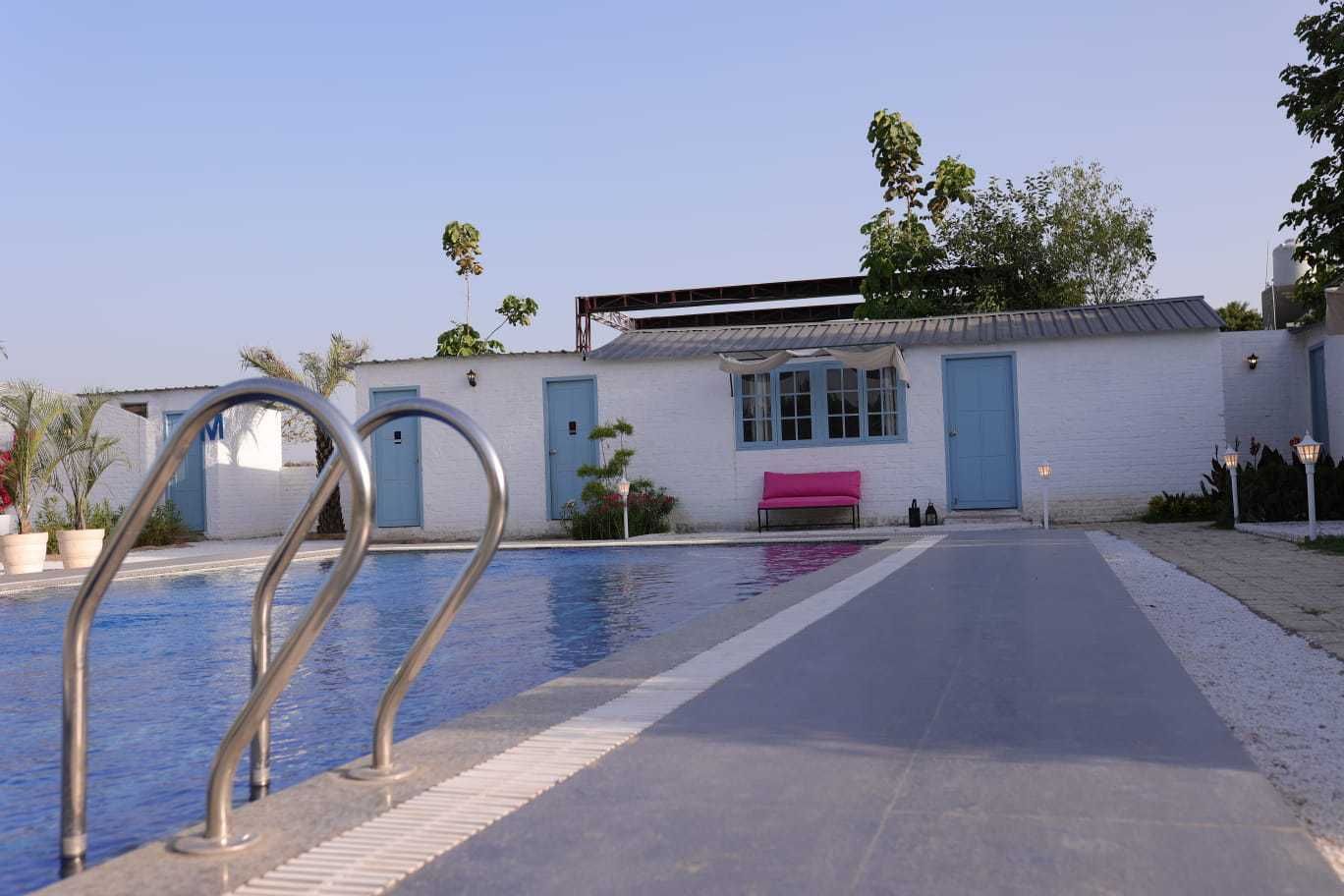
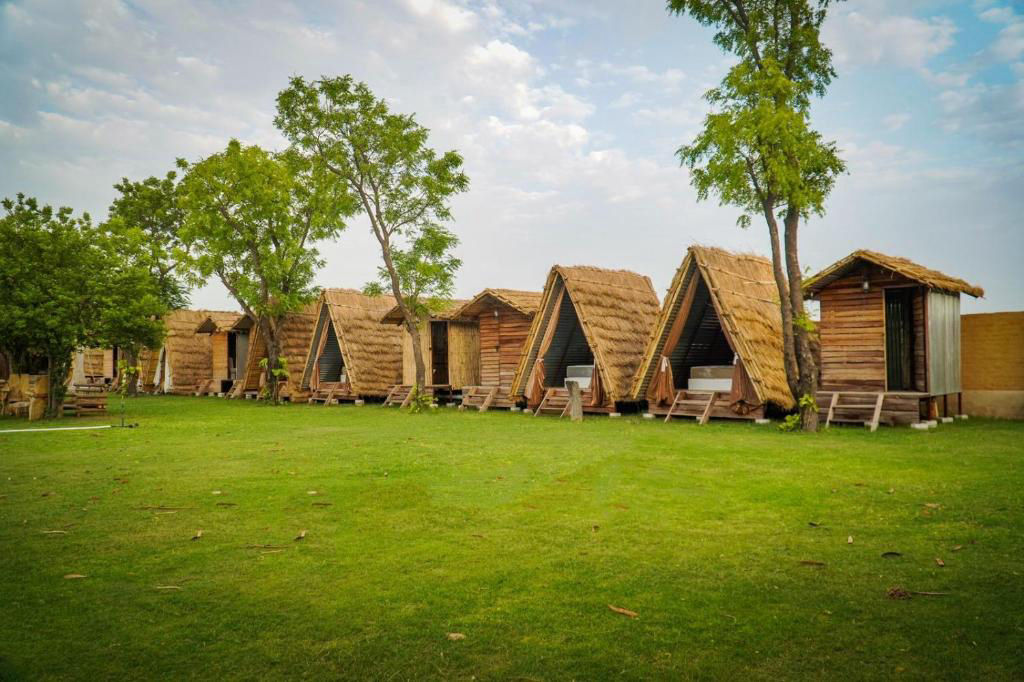
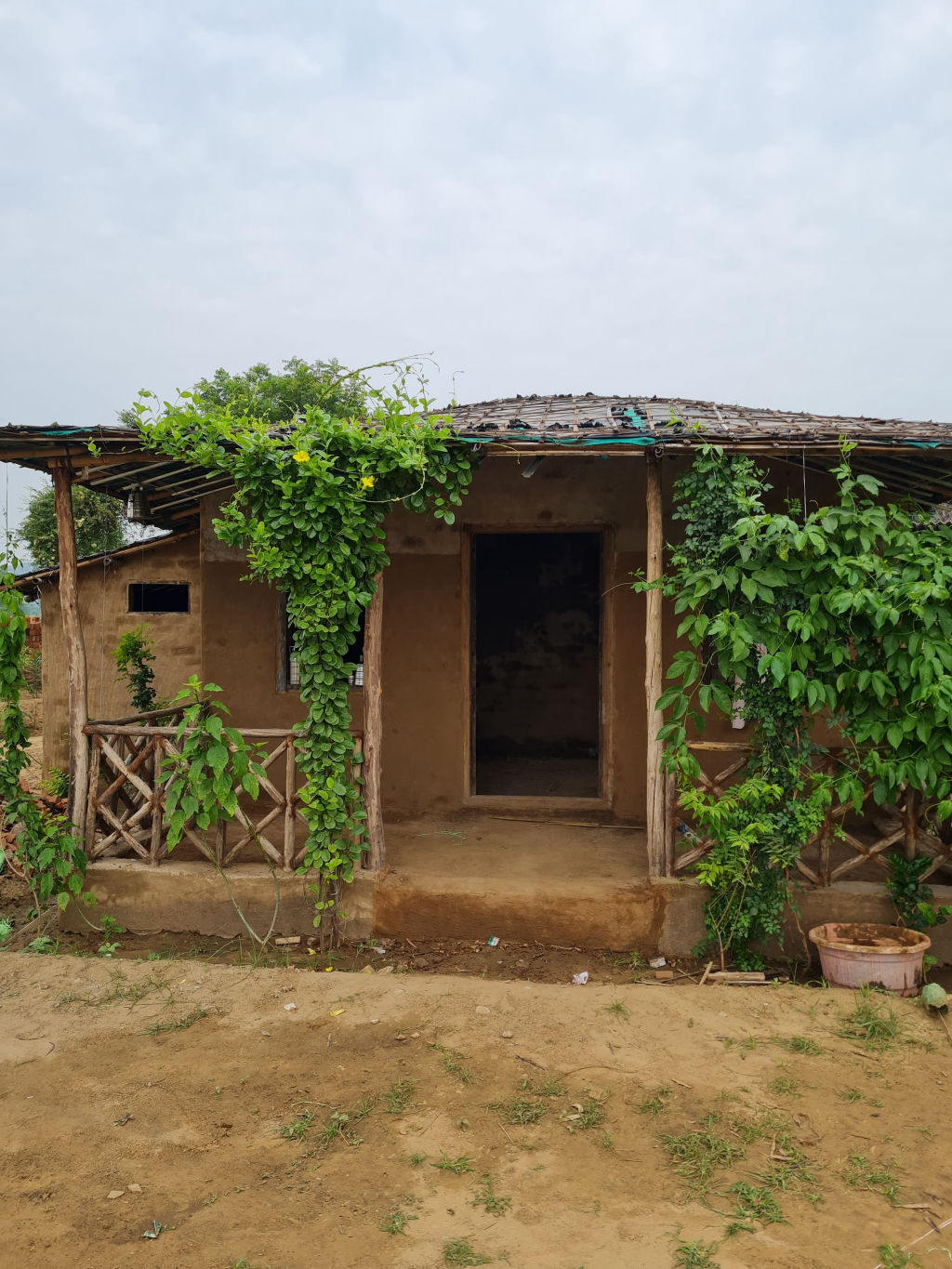
If you are planning an extended trip to explore heritage sites around South Delhi and neighbouring regions, you can find quiet homestays, nature retreats, and outdoor camps on HireACamp to suit your travel plans.
Written with AI from creators' posts and map data. Check prices and timings locally before you go.
19 places · 18 creator recommendations · Updated today
Ranked by how many independent creators recommend each place, not by who paid. The list updates itself as new posts come in.


Frequently asked questions
Which monuments near Greater Kailash are closest to visit?
Bagh-I-Alam Ka Gumbad, Humayun’s Tomb, Safdarjung Tomb, and Qutb Minar are all situated within approximately five to six kilometres of Greater Kailash.
What is the best time of day to visit Humayun’s Tomb?
Visiting during the early morning or the golden hour before sunset offers cooler temperatures and soft lighting, while avoiding the midday heat and peak crowd levels.
Are there stepwells located near Greater Kailash?
Agrasen ki Baoli is an ancient stepwell located approximately nine kilometres from Greater Kailash on Hailey Road, known for its stepped masonry and arched alcoves.
Can I visit multiple monuments in a single day?
Yes, many landmarks such as Humayun’s Tomb, Safdarjung Tomb, and India Gate are clustered within South and Central Delhi, making them convenient to combine into a morning or afternoon itinerary.
Stays near Greater Kailash
Make a trip of it