Monuments near Karol Bagh
Karol Bagh sits centrally within the capital, offering straightforward access to centuries of heritage spanning Mughal garden complexes, ancient stepwells, and British-era memorials. This guide features prominent historic monuments near Karol Bagh, highlighting architectural details and practical insights from local creators. It is well suited for history lovers, photography enthusiasts, and travellers planning heritage walks around New Delhi.
Top picks among monuments near Karol Bagh
Humayun’s Tomb is one of the most frequently recommended sites, located in Nizamuddin East about 9 km from Karol Bagh. Constructed in the sixteenth century, this Mughal garden tomb is celebrated for its symmetrical red sandstone architecture, Persian-style Charbagh layout, and quiet grounds framed by stone lattice screens.
Closer to central New Delhi, roughly 4 km from Karol Bagh, stands Jantar Mantar on Sansad Marg. Commissioned by Maharaja Jai Singh II of Jaipur in the eighteenth century, this open-air observatory features enormous masonry instruments designed to measure time and track celestial bodies. Just a short journey away on Hailey Road lies Agrasen ki Baoli, a deep historic stepwell featuring distinct stepped masonry and arched niches that provided cool shelter and collected rainwater centuries ago.
Along the banks of the Yamuna River, about 6 km from Karol Bagh, the Raj Ghat Memorial New Delhi offers a quiet commemorative landscape. The open-air complex features a simple black marble platform marking the cremation site of Mahatma Gandhi within extensive lawns. Further south, roughly 7 km from Karol Bagh, Safdarjung Tomb marks the late Mughal era with its soaring sandstone dome, decorative plasterwork, and enclosed geometric garden setting.
Medieval towers and ridge monuments
About 14 km south of Karol Bagh in Mehrauli stands Qutb Minar, an imposing medieval tower composed of fluted red sandstone and marble. This early Indo-Islamic landmark is flanked by ancient mosque remnants and the famous fourth-century iron pillar.
In Hauz Khas, roughly 11 km from Karol Bagh, Bagh-I-Alam Ka Gumbad provides a quiet historical pause inside the wooded grounds of Deer Park. Dating to the fifteenth-century Lodi era, the tomb features classic stone masonry set against natural surroundings. Closer to central Karol Bagh, approximately 3 km away on the Delhi Ridge, travellers can also walk to the third-century BCE Ashoka Pillar with its preserved Brahmi inscriptions, as well as the Gothic-style Mutiny Memorial commemorating the events of 1857.
Best time to visit
Delhi experiences severe heat during the summer months from April to June, while the winter months from October to March offer mild, comfortable weather that is ideal for outdoor walking. The monsoon months between July and September bring humidity alongside intermittent rain.
For outdoor sites like Humayun’s Tomb, creators recommend visiting early in the morning or during the golden hour before sunset for comfortable temperatures and optimal photographic light. Midday between 12:00 PM and 3:00 PM is best avoided due to direct sun and heat, and late morning hours on weekends tend to experience the highest foot traffic. Safdarjung Tomb is similarly recommended during the golden hour before sunset when the evening light illuminates the red sandstone.
Getting there and practical tips
The monuments around central New Delhi are easily reached from Karol Bagh via the Delhi Metro, city auto-rickshaws, and app-based taxis. Drive times can fluctuate depending on central city traffic, so planning visits outside peak rush hours will help keep transit straightforward.
Most historic monuments require a fair amount of walking along stone courtyards, earthen pathways, and staircases. Comfortable walking shoes and carrying drinking water are strongly advised. Since entry guidelines, opening hours, and photographic regulations can vary across municipal, memorial, and archaeological authorities, travellers should confirm operational details locally before their visit.
Where to stay
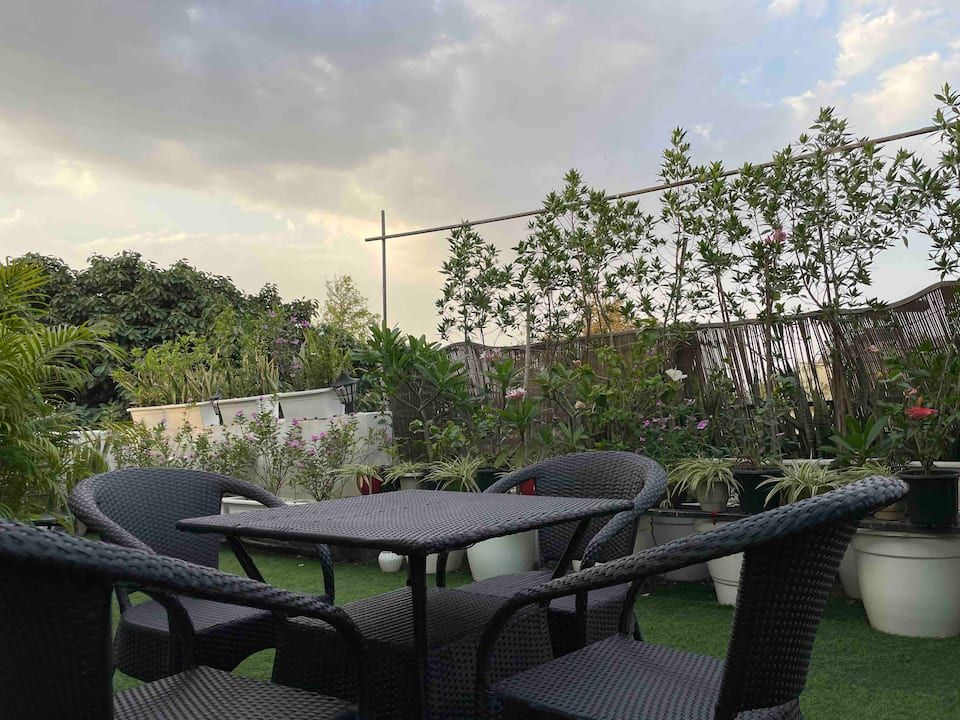
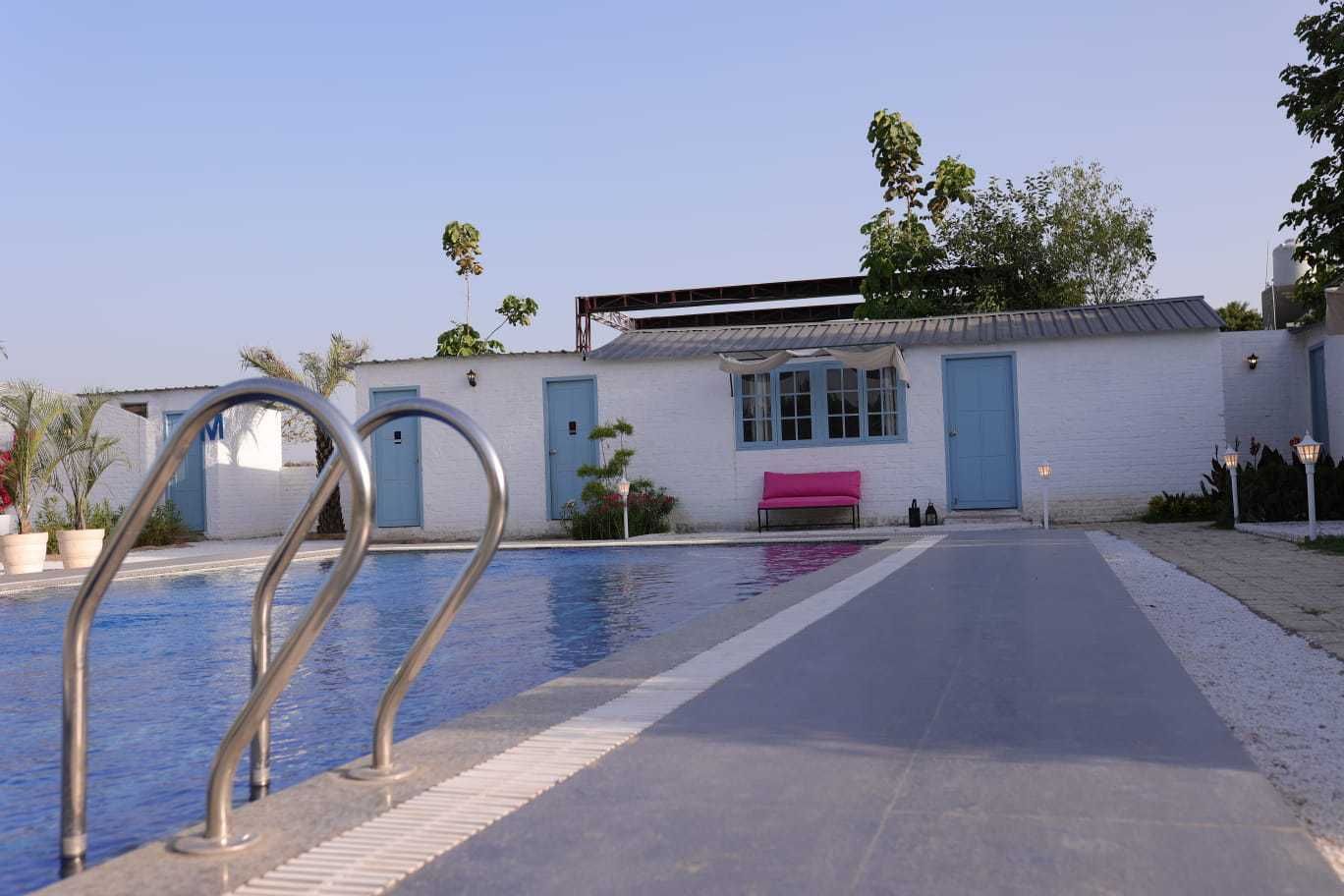
Travellers visiting Delhi for heritage explorations can choose from varied stay options across different corners of the capital and its outer borders. If you prefer peaceful open-air settings, local homestays, or unique outdoor getaways within driving distance of central Delhi, curated listings can be explored on HireACamp.
Written with AI from creators' posts and map data. Check prices and timings locally before you go.
19 places · 18 creator recommendations · Updated today
Ranked by how many independent creators recommend each place, not by who paid. The list updates itself as new posts come in.


Frequently asked questions
Which monuments are closest to Karol Bagh?
The Mutiny Memorial and Ashoka Pillar on the Northern Ridge are located about 3 km from Karol Bagh, while Jantar Mantar and Agrasen ki Baoli in central New Delhi are roughly 4 km away.
When is the best time of day to explore Humayun’s Tomb?
Visiting early in the morning or during the golden hour before sunset offers cooler temperatures and gentle lighting, while the midday hours from 12:00 PM to 3:00 PM should be avoided due to harsh sun.
What is the historical significance of Jantar Mantar?
Built in the eighteenth century by Maharaja Jai Singh II of Jaipur, Jantar Mantar is an open-air astronomical observatory consisting of large masonry instruments engineered to chart celestial movements and track time.
What style of architecture is seen at Safdarjung Tomb?
Safdarjung Tomb is built in the late Mughal architectural tradition, featuring a towering sandstone dome, ornate plaster details, and a surrounding enclosed Charbagh garden.
Can I visit ancient Mauryan sites near Karol Bagh?
Yes, the Ashoka Pillar on Delhi's Northern Ridge dates back to the third century BCE and features ancient Brahmi inscriptions, situated approximately 3 km from Karol Bagh.
Stays near Karol Bagh
Make a trip of it