Monuments near Paharganj
Paharganj sits in the bustling heart of central Delhi, placing travellers right next to centuries of imperial and civic heritage. This curated list highlights notable monuments located within 40 kilometres of Paharganj, spanning ancient stepwells, majestic Mughal mausoleums, and colonial memorials. It serves curious explorers, history enthusiasts, and weekend walkers seeking classic architectural sights within easy reach.
Architectural landmarks in central Delhi
Located right near Paharganj, central Delhi contains a remarkable concentration of historical structures built across different centuries. Among the most widely recommended is Humayun’s Tomb, a sixteenth-century Mughal garden tomb situated roughly 6 kilometres from Paharganj in Nizamuddin East. Celebrated for its symmetrical Charbagh gardens, soaring dome, and detailed red sandstone lattice screens, it provides a quiet setting that reflects classical Persian and Mughal landscape architecture.
Just around 2 kilometres from Paharganj lies Jantar Mantar along Sansad Marg, an eighteenth-century open-air observatory commissioned by Maharaja Jai Singh II of Jaipur. Its colossal masonry instruments were designed to chart celestial movements and measure time with surprising precision. A short distance away along Hailey Road sits Agrasen ki Baoli, an ancient multi-level stepwell featuring arched corridors and steep stone steps originally engineered to store rainwater and offer a cool respite from the city's seasonal heat.
Close to the banks of the Yamuna River, about 3 kilometres from Paharganj, is Raj Ghat Memorial New Delhi. This serene memorial marks the cremation site of Mahatma Gandhi with an understated black marble platform framed by manicured lawns. A little further south, approximately 6 kilometres away, Safdarjung Tomb showcases late Mughal architecture, featuring an expansive enclosed garden, elaborate plasterwork, and a domed mausoleum that catches the light beautifully during sunset.
Sites across Mehrauli and the Northern Ridge
Extending outward from the central core, the historic landscapes of Mehrauli and the Northern Ridge hold remnants of older dynasties. Roughly 13 to 14 kilometres south of Paharganj, Qutb Minar anchors an expansive complex dating back to the foundation of the Delhi Sultanate. Its fluted red sandstone minaret, delicate calligraphic carvings, and ancient iron pillar make it an essential stop for anyone studying medieval Indian architecture. In the same general area, Ahinsa Sthal presents a seated stone statue of Lord Mahavira on a rocky knoll overlooking Mehrauli.
Closer to central South Delhi, Bagh-I-Alam Ka Gumbad Delhi sits within the greenery of Deer Park in Hauz Khas. Dating to the fifteenth-century Lodi dynasty, its medieval stone structure offers a calm setting popular among morning walkers and heritage enthusiasts. North of Paharganj, the Delhi Ridge shelters older curiosities including the Ashoka Pillar, a third-century BCE monolith moved to Delhi in the fourteenth century, and the Gothic-style Mutiny Memorial, which preserves nineteenth-century colonial military history amidst the wooded ridge trails.
Optimal hours and seasonal timing
Delhi experiences extreme climate variations, ranging from intensely hot summers to chilly, clear winters. The cooler months between October and March provide the most comfortable weather for walking among outdoor stone structures and sprawling open gardens. During this season, daytime temperatures remain moderate, making extensive foot travel pleasant.
For sites with open grounds such as Humayun’s Tomb, morning visits or late afternoon golden hours offer cooler temperatures and softer lighting for photography. Independent creators frequently advise avoiding visits between 12:00 PM and 3:00 PM because of direct overhead sun and sharp lighting. Late mornings on weekends also tend to draw heavier local crowds, so heading out right at opening hours allows for a far more contemplative visit. Safdarjung Tomb is similarly enjoyed in the hour just before sunset, when the sandstone facades reflect warm tones across the water channels.
Getting around from Paharganj
Paharganj is one of Delhi's most centrally located neighbourhoods, positioned directly adjacent to New Delhi Railway Station and well served by the Delhi Metro network. Nearby stations connect seamlessly with both the Yellow and Blue lines, allowing straightforward transit to monuments located north on the Ridge or south toward Hauz Khas and Mehrauli.
For closer locations such as Jantar Mantar, Agrasen ki Baoli, India Gate, and Raj Ghat Memorial New Delhi, hailing an auto-rickshaw or booking a local cab provides a direct route that typically takes only a short drive depending on city traffic. Because driving times can fluctuate considerably during morning and evening rush hours, taking the metro or scheduling visits outside peak commute windows helps ensure a smooth trip.
Where to stay near Paharganj
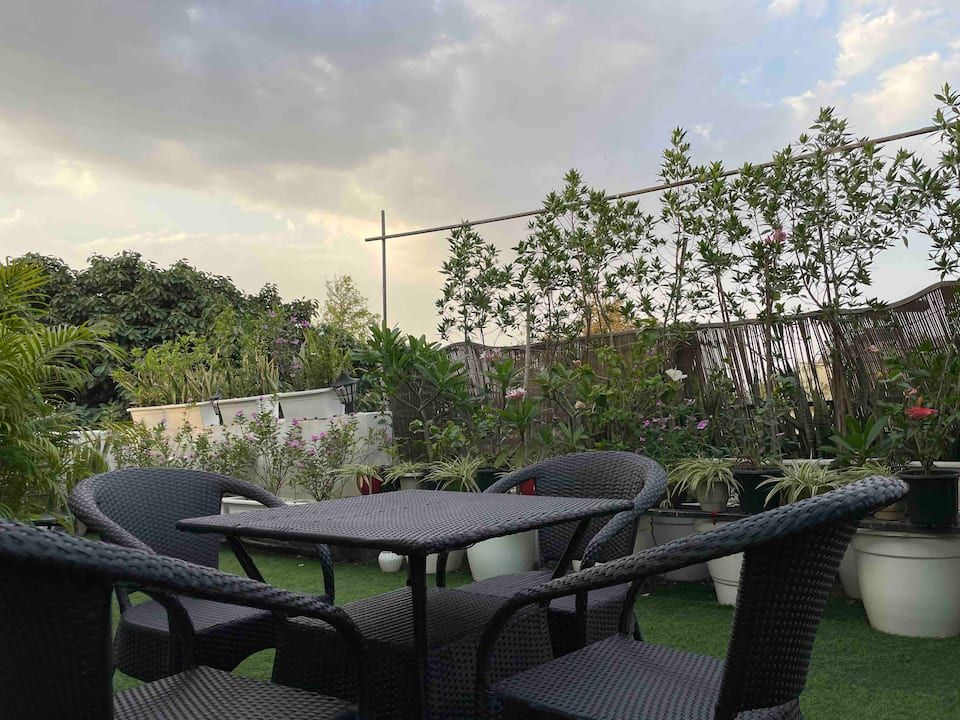
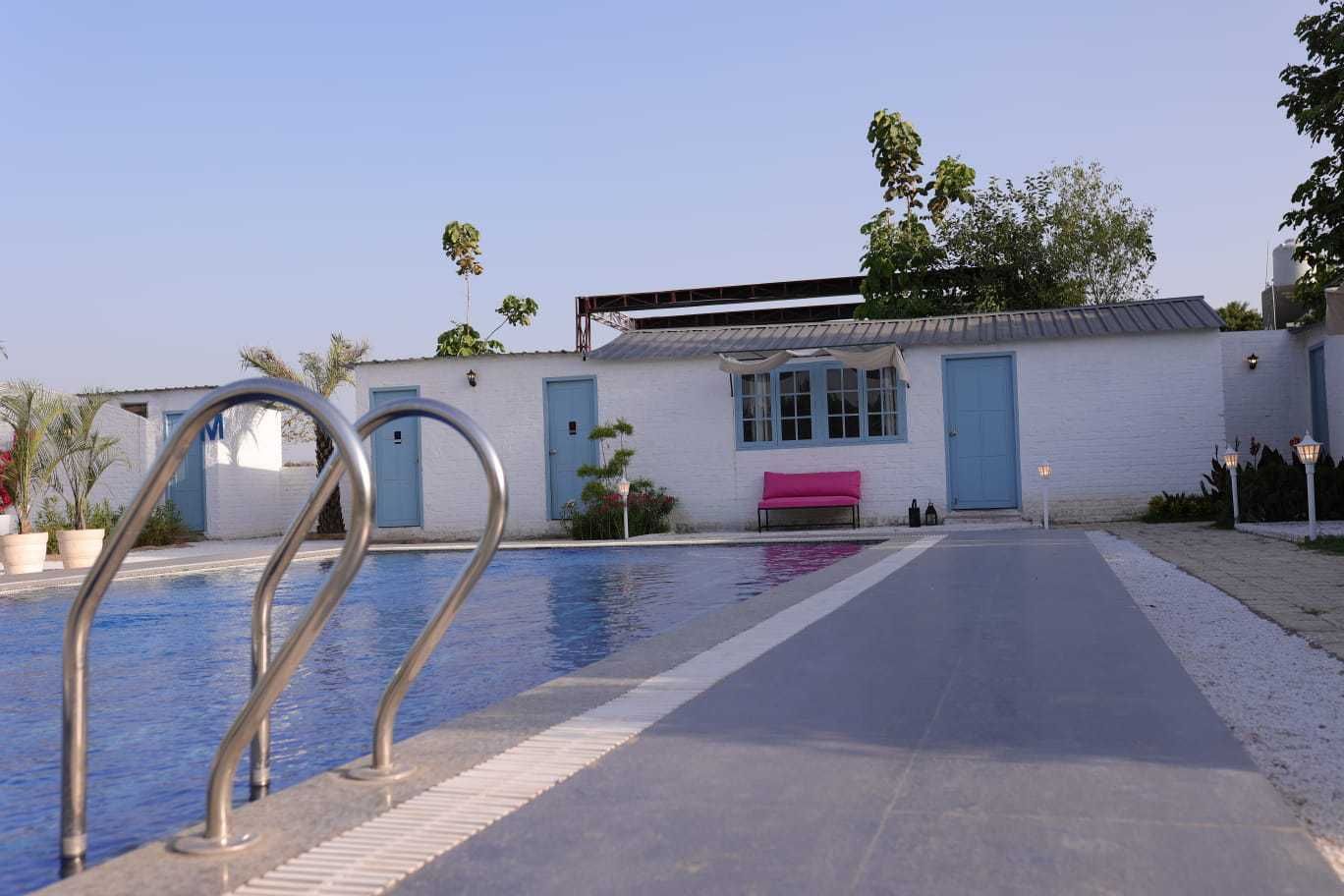
While Paharganj is traditionally known for its bustling urban streets and transit hubs, travellers seeking a restful experience can look across the wider national capital region for alternative accommodations. Staying in quieter residential quarters, nature-facing boutique properties, or peaceful rural outskirts allows you to balance busy monument sightseeing with relaxing evenings.
You can find comfortable homestays, private cottages, and experiential camps located in and around Delhi on HireACamp. These stays offer welcoming hospitality and a grounded base from which you can explore the capital's historic landmarks at your own pace.
Written with AI from creators' posts and map data. Check prices and timings locally before you go.
19 places · 18 creator recommendations · Updated today
Ranked by how many independent creators recommend each place, not by who paid. The list updates itself as new posts come in.


Frequently asked questions
What is the best time of day to visit Humayun’s Tomb?
Visiting Humayun’s Tomb during early morning or the golden hour before sunset offers cooler temperatures and softer natural light. It is best to avoid the midday period between 12:00 PM and 3:00 PM to escape the harsh heat and overhead sun.
Which monuments are closest to Paharganj?
Jantar Mantar and Agrasen ki Baoli are the closest monuments, situated approximately 2 kilometres away near Connaught Place. India Gate and Raj Ghat Memorial New Delhi are also very close, roughly 3 kilometres from Paharganj.
How do I reach Qutb Minar from Paharganj?
Qutb Minar is located about 13 to 14 kilometres south of Paharganj in Mehrauli. The most convenient public transit route is via the Delhi Metro Yellow Line, which runs directly from central Delhi toward the Qutab Minar station.
What should I keep in mind when visiting Agrasen ki Baoli?
Agrasen ki Baoli is an open-air stone stepwell with multiple levels of steep stairs, so wearing comfortable walking shoes is recommended. Visitors should check local access guidelines on arrival and plan their visit during daylight hours.
Stays near Paharganj
Make a trip of it