Monuments near Pul Pehlad
This guide features renowned monuments and architectural landmarks located within 40 km of Pul Pehlad in Delhi. It is tailored for history enthusiasts, cultural travellers, and photographers looking to discover centuries of heritage across the national capital. The places range from medieval Sultanate towers and sprawling Mughal garden tombs to colonial and modern commemorative grounds.
Top heritage sites near Pul Pehlad
Pul Pehlad in South Delhi provides convenient access to some of the capital's most celebrated historic sites. Humayun’s Tomb, located about 11 km away, is a sixteenth-century Mughal garden tomb in Nizamuddin East. Independent creators frequently highlight its Charbagh layout, grand central dome, and intricate stone lattice screens set amidst geometric waterways. Early mornings and late afternoons offer softer light and lower temperatures, while midday hours bring stronger heat.
About 13 km from Pul Pehlad stands Safdarjung Tomb, an eighteenth-century mausoleum built for Nawab Safdarjung. As the last major enclosed garden tomb built in the Mughal architectural tradition, it attracts visitors who appreciate its soaring sandstone dome, decorative plasterwork, and quiet gardens. Creators often recommend exploring during the golden hour before sunset when the evening light accentuates the warm tones of the sandstone facade.
Historic observatories, stepwells, and memorials
A short drive toward central Delhi reveals distinct monuments that reflect diverse eras of Delhi's past. Jantar Mantar, approximately 16 km from Pul Pehlad, is an open-air astronomical observatory commissioned by Maharaja Jai Singh II of Jaipur. Its towering masonry instruments were carefully engineered to track astronomical movements and calculate local solar time.
Not far away on Hailey Road lies Agrasen ki Baoli, roughly 15 km from Pul Pehlad. Built as a stepped water reservoir to store rainwater and provide shelter during intense summer heat, this ancient stepwell is known for its dramatic stone corridors and stacked arched alcoves. For a reflective outdoor experience, Raj Ghat Memorial New Delhi is situated along the Yamuna River about 16 km away, where a simple black marble platform amidst manicured lawns marks the cremation site of Mahatma Gandhi.
Sultanate architecture in South Delhi
South Delhi contains dense clusters of medieval stone craft within easy reach of Pul Pehlad. Qutb Minar, situated approximately 11 km away in Mehrauli, is a towering medieval minaret built from fluted red sandstone and marble, anchoring an ensemble of early Delhi Sultanate structures and the ancient iron pillar. Nearby in the same heritage belt is Ahinsa Sthal, a tranquil Jain monument atop a rocky rise featuring a large seated statue of Lord Mahavira surrounded by greenery.
Travellers can also visit Bagh-I-Alam Ka Gumbad Delhi, located about 11 km away inside Deer Park in Hauz Khas. Dating to the fifteenth-century Lodi era, this stone tomb features decorative tile remnants and is framed by open parkland popular among morning walkers and architecture lovers.
Best seasons and timing for exploration
Delhi experiences severe heat during the summer months from April through June, while the winter months from October to March offer pleasant daytime conditions suited for exploring open courtyards and large garden enclosures. The post-monsoon period in late August and September also brings fresher greenery to the surrounding gardens.
Regardless of the season, timing your outings around the early morning or the late afternoon golden hour is helpful. Avoiding the midday sun between noon and 3:00 PM allows you to avoid harsh overhead lighting and the warmest temperatures of the day, making outdoor walks across broad stone terraces considerably more comfortable.
Planning travel and where to stay
Pul Pehlad is well linked to Central and South Delhi through arterial roads and the regional metro network. Road travel across Delhi varies according to daily traffic conditions, so planning visits outside peak office commute hours will ensure a smoother drive. When visiting protected monuments, confirm operational timings and ticket booking rules on official heritage portals or locally at the site before arriving.
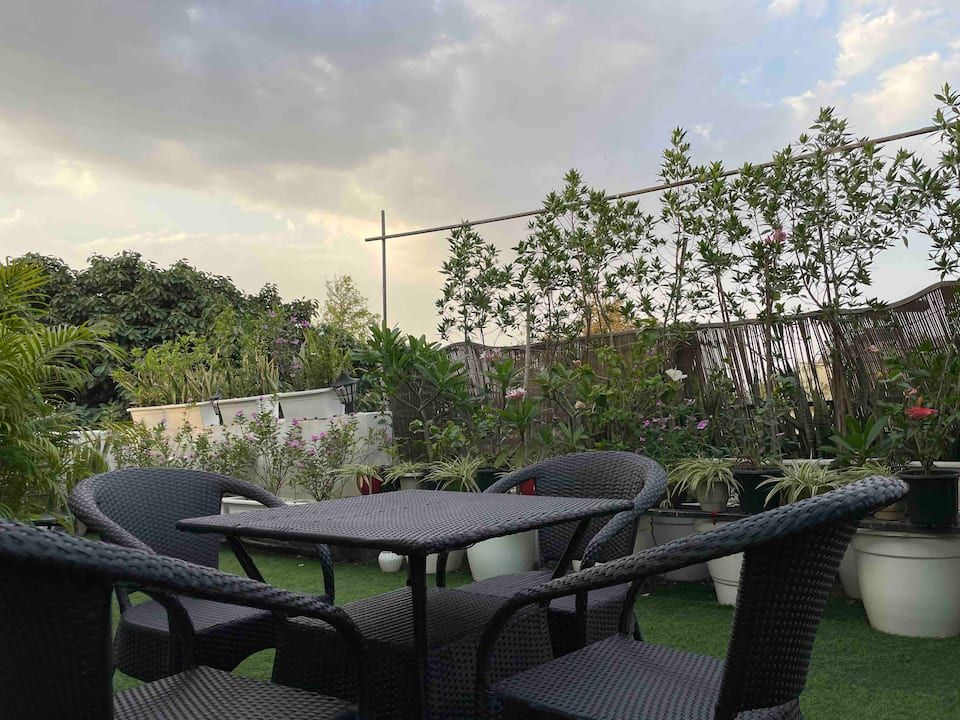
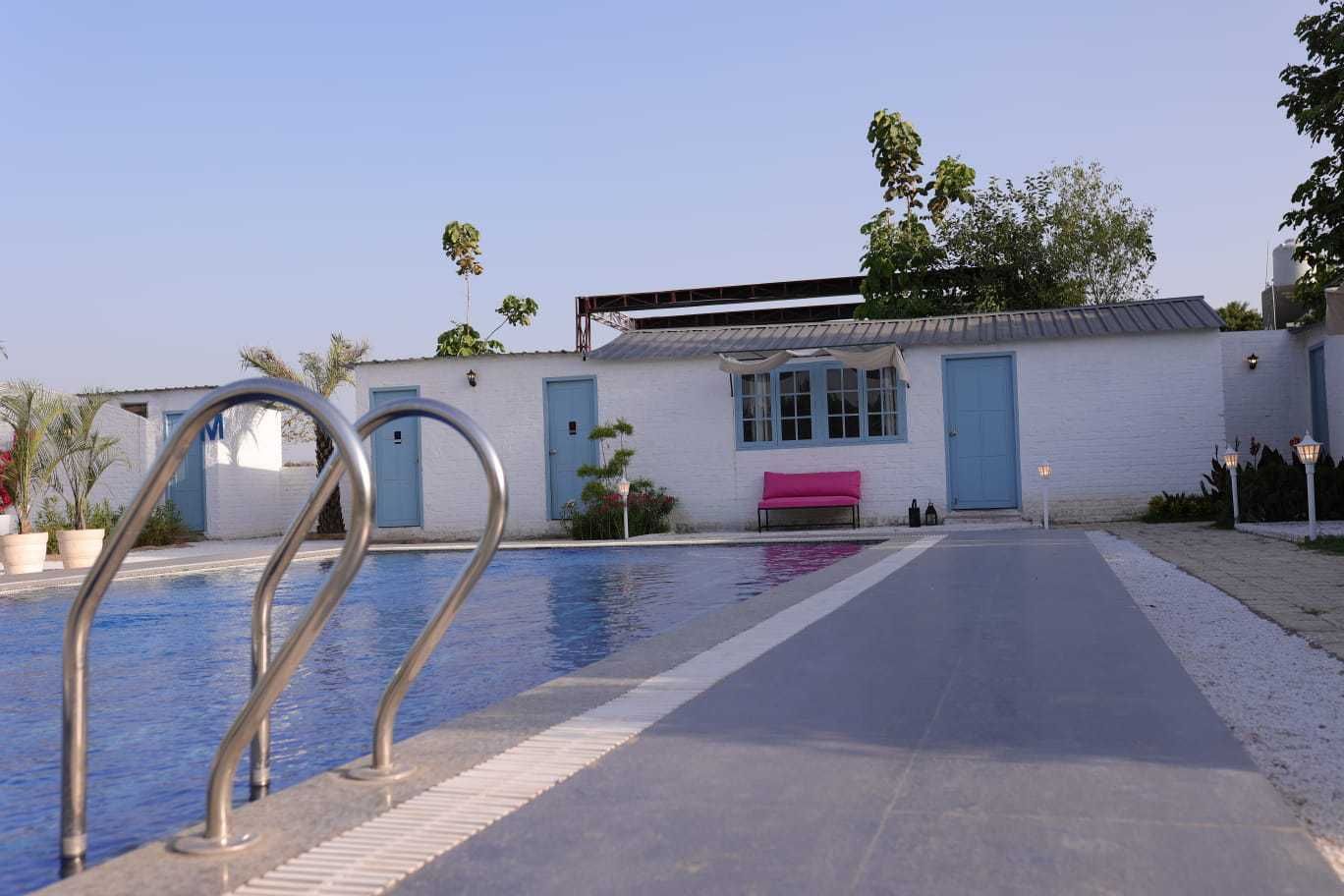
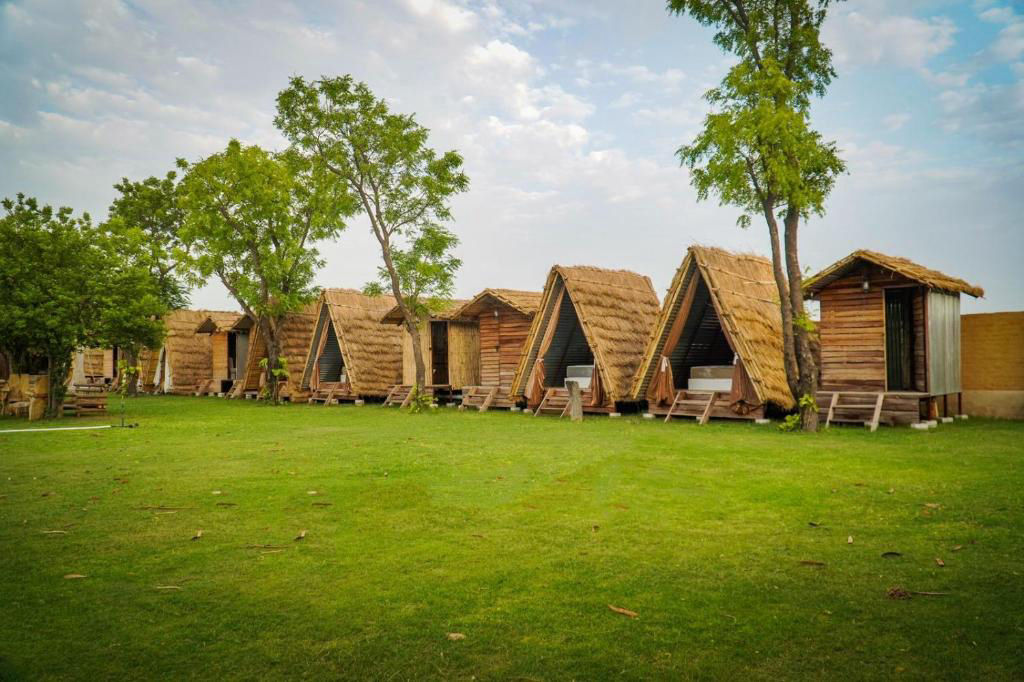
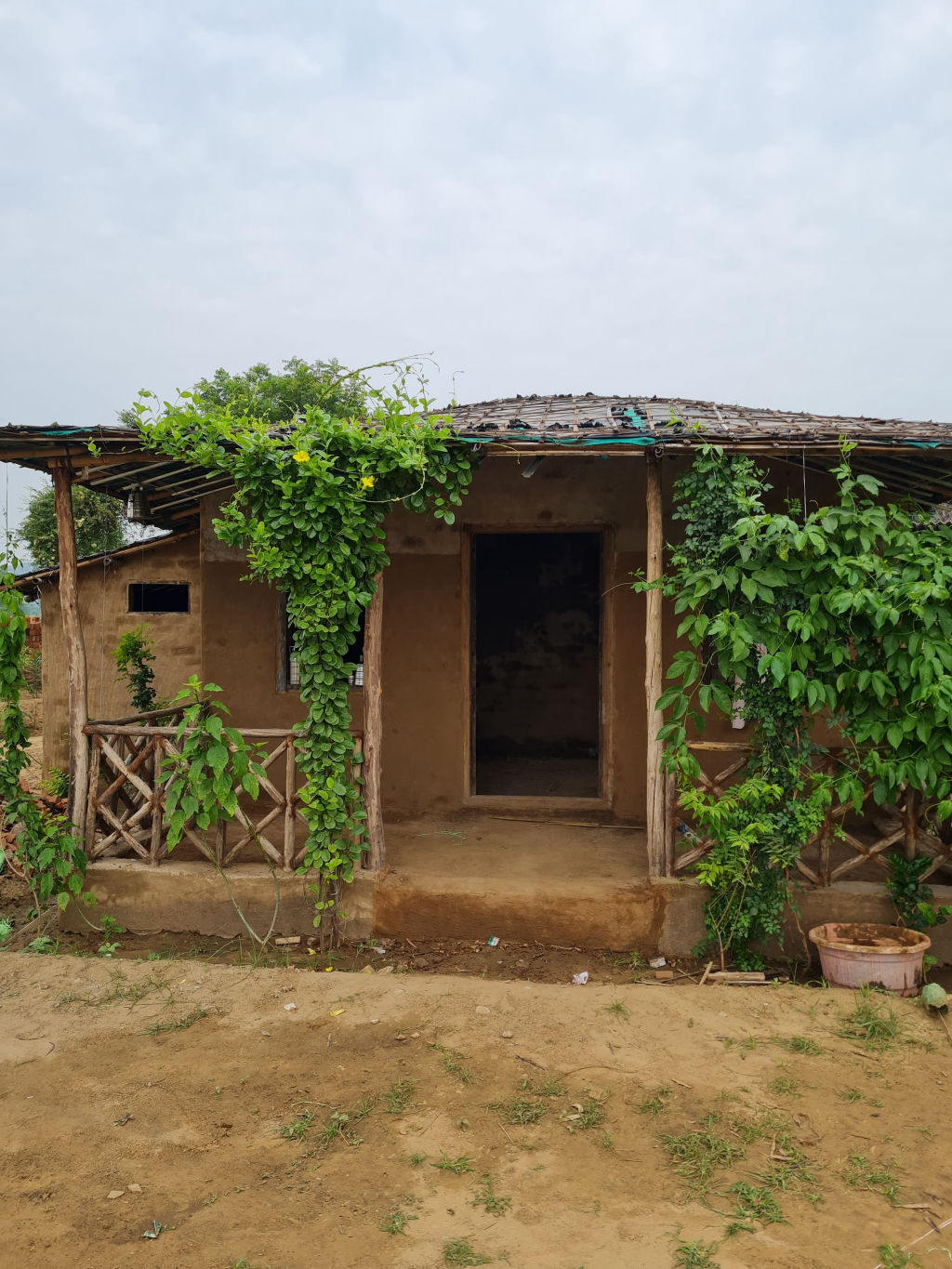
Travellers wishing to stay close to green spaces and heritage precincts can find homestays, nature retreats, and outdoor camps through HireACamp. Booking accommodations across the quieter outskirts or leafy South Delhi neighbourhoods provides a restful base after full days spent wandering the capital's historic landmarks.
Written with AI from creators' posts and map data. Check prices and timings locally before you go.
19 places · 18 creator recommendations · Updated today
Ranked by how many independent creators recommend each place, not by who paid. The list updates itself as new posts come in.


Frequently asked questions
Which monuments near Pul Pehlad are closest to visit?
Qutb Minar, Ahinsa Sthal, Humayun’s Tomb, and Bagh-I-Alam Ka Gumbad Delhi are among the closest sites, each located roughly 9 to 11 km from Pul Pehlad.
What is the recommended time of day to visit Humayun’s Tomb?
Early morning and the golden hour before sunset provide comfortable temperatures and balanced lighting for photography. It is advisable to avoid the heat between 12:00 PM and 3:00 PM and late mornings on weekends when crowds peak.
Can you visit multiple heritage monuments near Pul Pehlad in one day?
Yes, pairing Humayun’s Tomb with Safdarjung Tomb, or visiting Jantar Mantar alongside Agrasen ki Baoli in Central Delhi, is easy because these sites are located near each other.
What makes Safdarjung Tomb historically notable?
Safdarjung Tomb is recognized as the last major enclosed garden tomb built in the classical Mughal style, featuring intricate plasterwork, a grand central dome, and geometric water channels.
Stays near Pul Pehlad
Make a trip of it