Monuments near Saiyad-ul-ajaib
This curated collection features historic monuments situated within forty kilometres of Saiyad-ul-ajaib in Delhi, spanning centuries of architectural heritage. From monumental Mughal garden tombs to ancient stepwells and medieval minarets, these sites offer a rich window into the capital's past. The list is well suited for history enthusiasts, cultural travellers, and day-trippers looking to explore South Delhi and its surrounding districts.
Top picks among monuments near Saiyad-ul-ajaib
Leading the recommendations is Humayun’s Tomb, a sixteenth-century Mughal garden tomb in Nizamuddin East. Known for its symmetrical red sandstone facade, Persian-inspired Charbagh gardens, and grand central dome, the site is frequently praised by visitors for its serene environment and intricate stone lattice screens.
Safdarjung Tomb, situated about eight kilometres away, represents the last major enclosed garden tomb built in the Mughal architectural tradition. Its soaring sandstone dome and geometric garden channels offer a quieter alternative close to central Delhi. Just a short journey from Saiyad-ul-ajaib sits Qutb Minar in Mehrauli, a towering red sandstone and marble minaret anchoring an ancient Indo-Islamic complex that includes the famous rust-resistant Iron Pillar.
Travellers interested in distinct civic architecture can head toward Sansad Marg to explore Jantar Mantar, an open-air eighteenth-century observatory built by Maharaja Jai Singh II featuring large masonry instruments. Nearby on Hailey Road, Agrasen ki Baoli provides a striking look at medieval water conservation, characterized by arched side alcoves and dramatic descending stone steps.
Best times of day for your visit
Timing plays an important role when visiting Delhi's heritage monuments, particularly because most complexes feature expansive open courtyards and exposed stone pavements. For Humayun’s Tomb, independent creators strongly recommend visiting during early morning or the golden hour before sunset. These hours provide cooler temperatures, gentler light for photography, and a calmer atmosphere.
Midday visits between noon and three in the afternoon are best avoided due to harsh overhead sun and higher temperatures, especially from spring through autumn. Weekend late mornings also tend to bring peak crowd levels to popular sites like Qutb Minar and Humayun’s Tomb. Safdarjung Tomb is similarly recommended during late afternoon, when the setting sun highlights the warm tones of its ornamental plasterwork and sandstone.
Getting around from Saiyad-ul-ajaib
Saiyad-ul-ajaib is conveniently located in South Delhi near Mehrauli, making several major monuments accessible within a few minutes. Ahinsa Sthal and Qutb Minar are both within two kilometres of the area, making them easy initial stops for an itinerary.
Venturing deeper into Delhi brings you to Safdarjung Tomb and Humayun’s Tomb at an approximate drive of eight to nine kilometres. Central Delhi monuments such as India Gate, Jantar Mantar, and Agrasen ki Baoli sit roughly eleven to twelve kilometres away, while riverside memorials like Raj Ghat Memorial New Delhi are around fourteen kilometres distant. Travellers can easily navigate between these locations using local auto-rickshaws, app-based cabs, or the Delhi Metro network, though driving times will vary with city traffic.
Tips for exploring heritage monuments
Most historic grounds in and around Delhi encompass sizable garden lawns and uneven stone pathways. Wearing comfortable walking footwear is essential, as visiting multiple complexes in one day requires significant walking. Carrying drinking water and sun protection is advisable throughout most of the year.
Because regulations, camera permissions, and entrance arrangements can change, visitors should check practical guidelines and timings locally upon arrival at each monument ticket counter. Maintaining quiet decorum is appreciated across all memorial grounds and garden enclosures, particularly at reflective sites like Raj Ghat Memorial New Delhi.
Where to stay
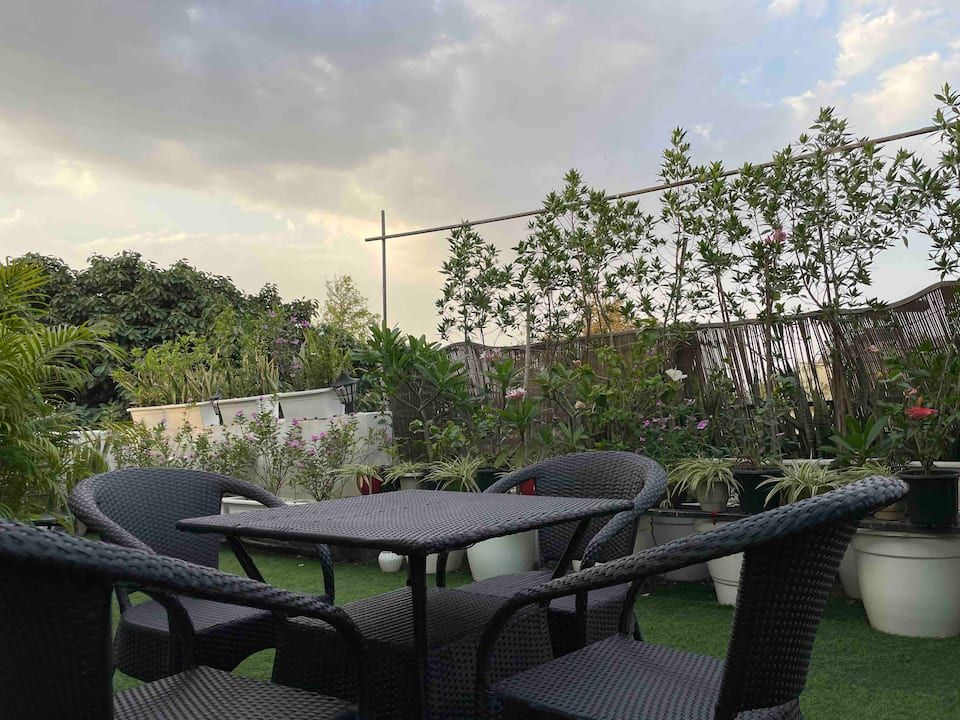
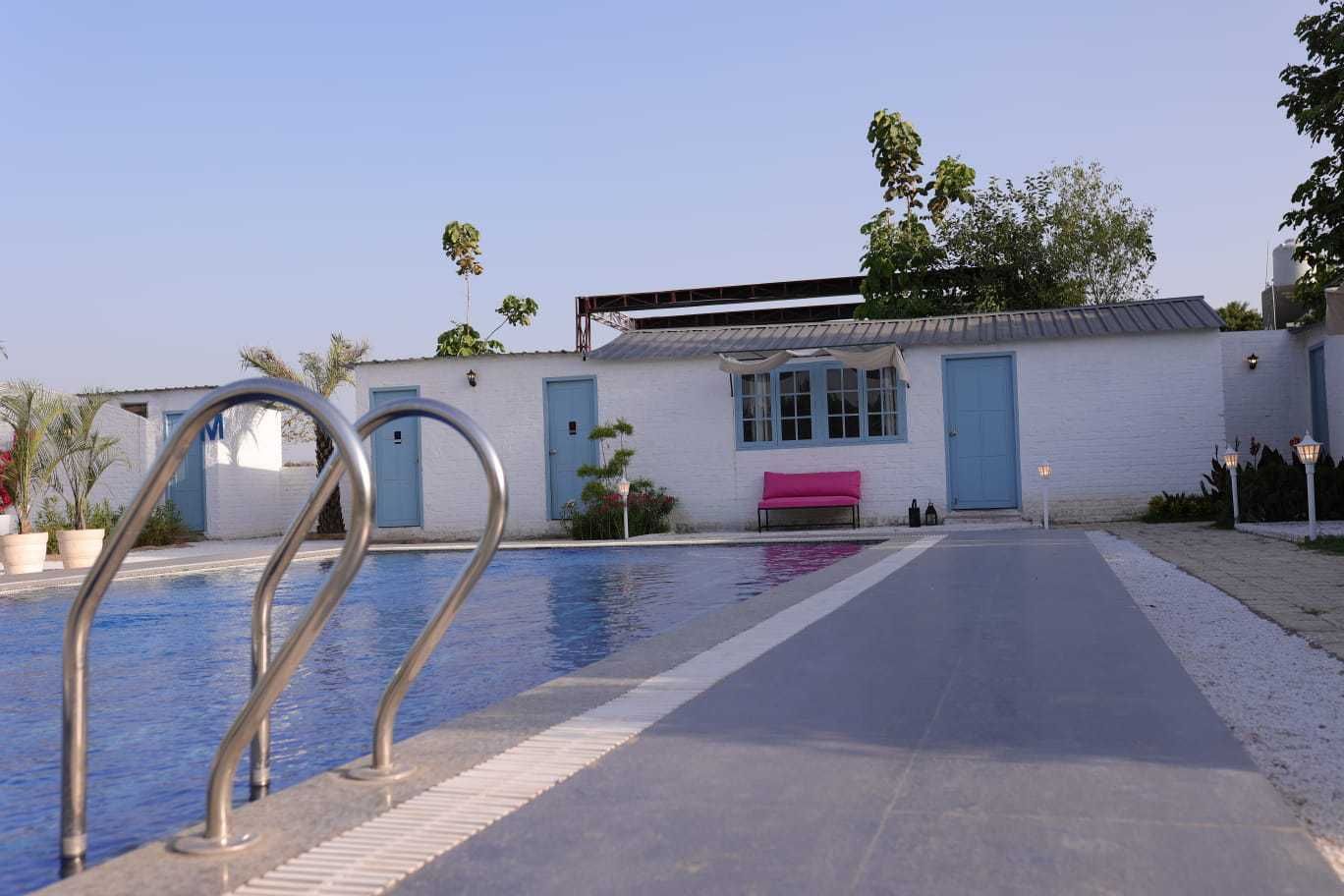
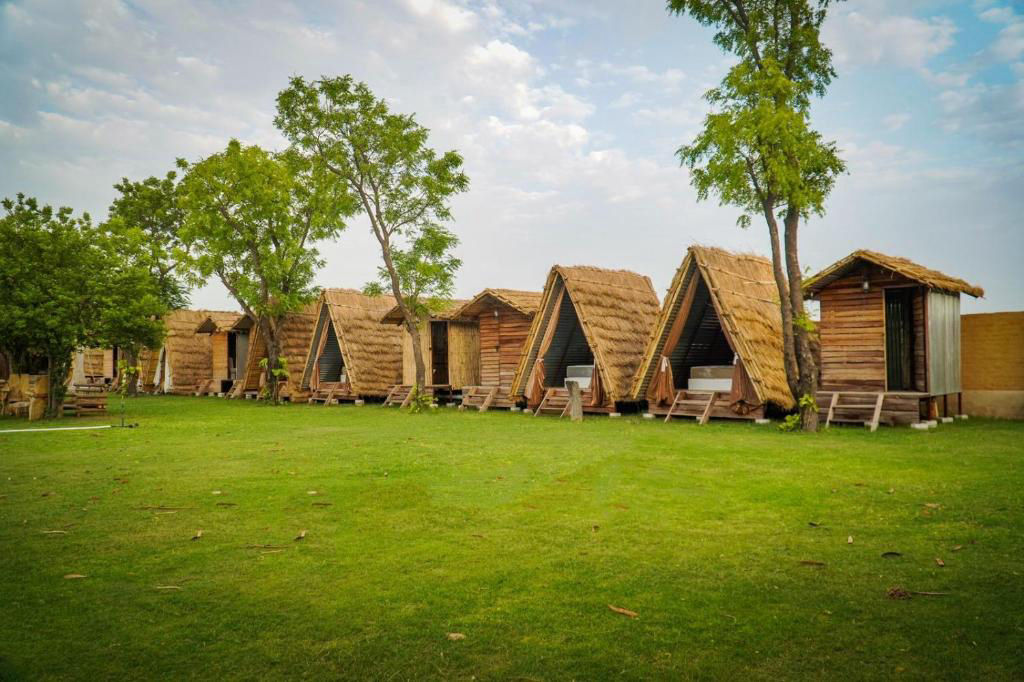
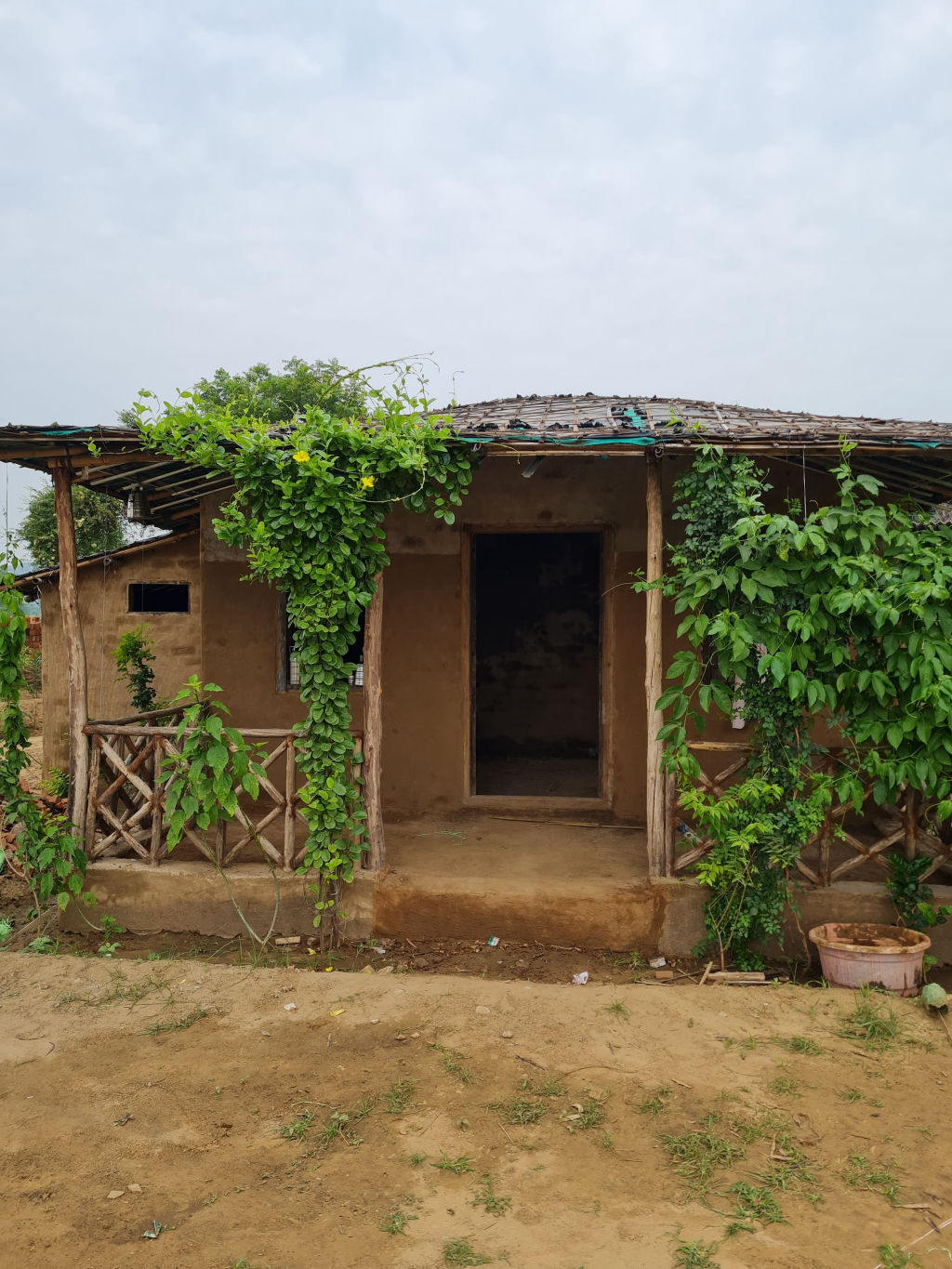
Exploring the monuments around Saiyad-ul-ajaib is easiest when based near South Delhi's transit links and leafy residential quarters. Whether you are looking for welcoming homestays, private city rentals, or outdoor stays on the capital's rural edges, you can find a variety of verified accommodations on HireACamp.
Written with AI from creators' posts and map data. Check prices and timings locally before you go.
19 places · 18 creator recommendations · Updated today
Ranked by how many independent creators recommend each place, not by who paid. The list updates itself as new posts come in.


Frequently asked questions
Which monuments are closest to Saiyad-ul-ajaib?
Ahinsa Sthal and Qutb Minar are the closest monuments, situated within approximately one to two kilometres of Saiyad-ul-ajaib in the historic Mehrauli area.
What is the recommended time of day to visit Humayun’s Tomb?
Visiting early in the morning or during the golden hour before sunset is recommended to take advantage of cooler temperatures, softer lighting, and lower crowd levels.
Can I visit multiple monuments near Saiyad-ul-ajaib in one day?
Yes, their geographic clustering allows you to pair Mehrauli landmarks like Qutb Minar with nearby South Delhi monuments such as Safdarjung Tomb and Humayun’s Tomb in a single day.
What architectural eras are represented around this area?
The area spans a wide historical spectrum, ranging from medieval Delhi Sultanate architecture at Qutb Minar to grand Mughal tombs like Humayun's Tomb and eighteenth-century astronomical stonework at Jantar Mantar.
Are there quiet monuments near Saiyad-ul-ajaib to escape the city noise?
Ahinsa Sthal offers a peaceful hillock setting in Mehrauli, while Bagh-I-Alam Ka Gumbad in Hauz Khas provides a calm medieval tomb nestled within the greenery of Deer Park.
Stays near Saiyad-ul-ajaib
Make a trip of it