Monuments near Shahpur Jat
This guide covers historic monuments and heritage landmarks situated within 40 kilometres of Shahpur Jat in Delhi. Featuring Mughal garden mausoleums, ancient astronomical observatories, stepwells, and commemorative memorials, it suits history enthusiasts, architecture buffs, and weekend explorers alike. Whether you have a few hours or a full weekend, these nearby sites offer an accessible journey through the capital's rich architectural past.
Top historic monuments near Shahpur Jat
Humayun’s Tomb stands just about 6 kilometres from Shahpur Jat and represents one of the most celebrated Mughal garden tombs in New Delhi. Built in the sixteenth century, this landmark features classic symmetry, Charbagh gardens, and intricate red sandstone architecture beneath an expansive central dome. Just 5 kilometres away, Safdarjung Tomb presents another stunning example of the enclosed garden mausoleum tradition, built in the eighteenth century for Nawab Safdarjung. Its ornamental plasterwork and soaring dome showcase late Mughal design. Closer still, around 4 kilometres away in Mehrauli, Qutb Minar towers over an ancient complex of fluted sandstone structures and early Indo-Islamic carvings. For a calm walk amidst greenery, Bagh-I-Alam Ka Gumbad Delhi sits roughly 2 kilometres away in Deer Park, offering a fifteenth-century Lodi-era tomb surrounded by serene parkland.
Heritage and astronomy in central Delhi
Heading north into the central district, Jantar Mantar sits roughly 9 kilometres from Shahpur Jat along Sansad Marg. Commissioned in the eighteenth century by Maharaja Jai Singh II of Jaipur, this open-air observatory features massive masonry instruments once calibrated to track celestial movements and measure local time. A short distance away on Hailey Road, Agrasen ki Baoli plunges into the earth as an ancient multi-level stepwell. Its stepped stonework and arched alcoves historically gathered rainwater and provided a sheltered, cool sanctuary from the city heat. Farther along Kartavya Path, the ceremonial triumphal arch of India Gate stands roughly 7 kilometres away, commemorating Indian soldiers from early twentieth-century conflicts, while the nearby Salt march Statue on a landscaped island depicts Mahatma Gandhi and his companions during the 1930 Dandi March.
Best time to explore the monuments
Visiting Delhi's heritage landmarks requires mindful timing, particularly during the warm months when midday temperatures can be taxing. For major open-air sites like Humayun’s Tomb and Safdarjung Tomb, early morning and the golden hour before sunset offer comfortable conditions, providing soft lighting for photography and pleasantly cooler air. Creators and seasoned explorers strongly advise avoiding the hours between 12:00 PM and 3:00 PM when direct sunlight and radiant heat from stone courtyards are most intense. Weekend late mornings also tend to bring peak crowd levels, so early weekday mornings provide the calmest atmosphere. Across the broader calendar, the winter season from October through March is widely considered the most comfortable period to tour outdoor stone structures and sprawling garden complexes across the capital.
Practical tips for visiting regional monuments
Navigating monuments near Shahpur Jat is straightforward, as South and Central Delhi are well connected by road and the Delhi Metro network. When planning your route to popular sites like Raj Ghat Memorial New Delhi or Ahinsa Sthal in Mehrauli, note that typical drive times from Shahpur Jat range from fifteen to forty-five minutes depending on traffic. Extensive walking is required across expansive lawns, stone corridors, and uneven steps, making sturdy walking footwear and sun protection essential. Monument regulations, entry details, camera permissions, and visiting hours can vary between sites and may change periodically, so visitors should check current requirements locally before arriving. Additionally, quiet areas such as the memorial at Raj Ghat call for respectful conduct, while historic masonry should always be treated with care.
Where to stay near Shahpur Jat
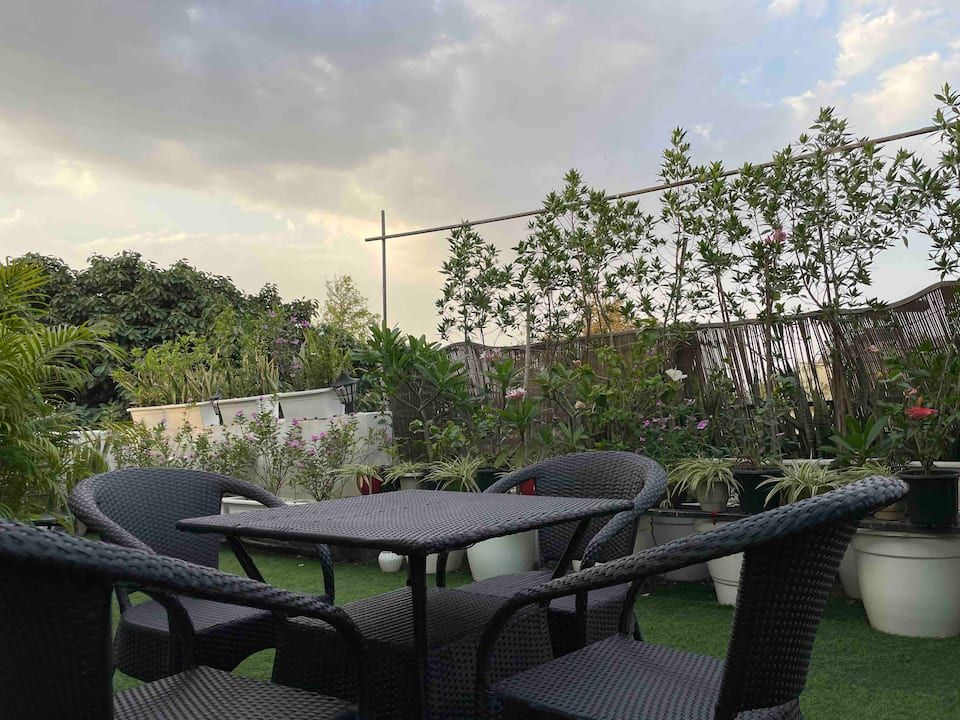
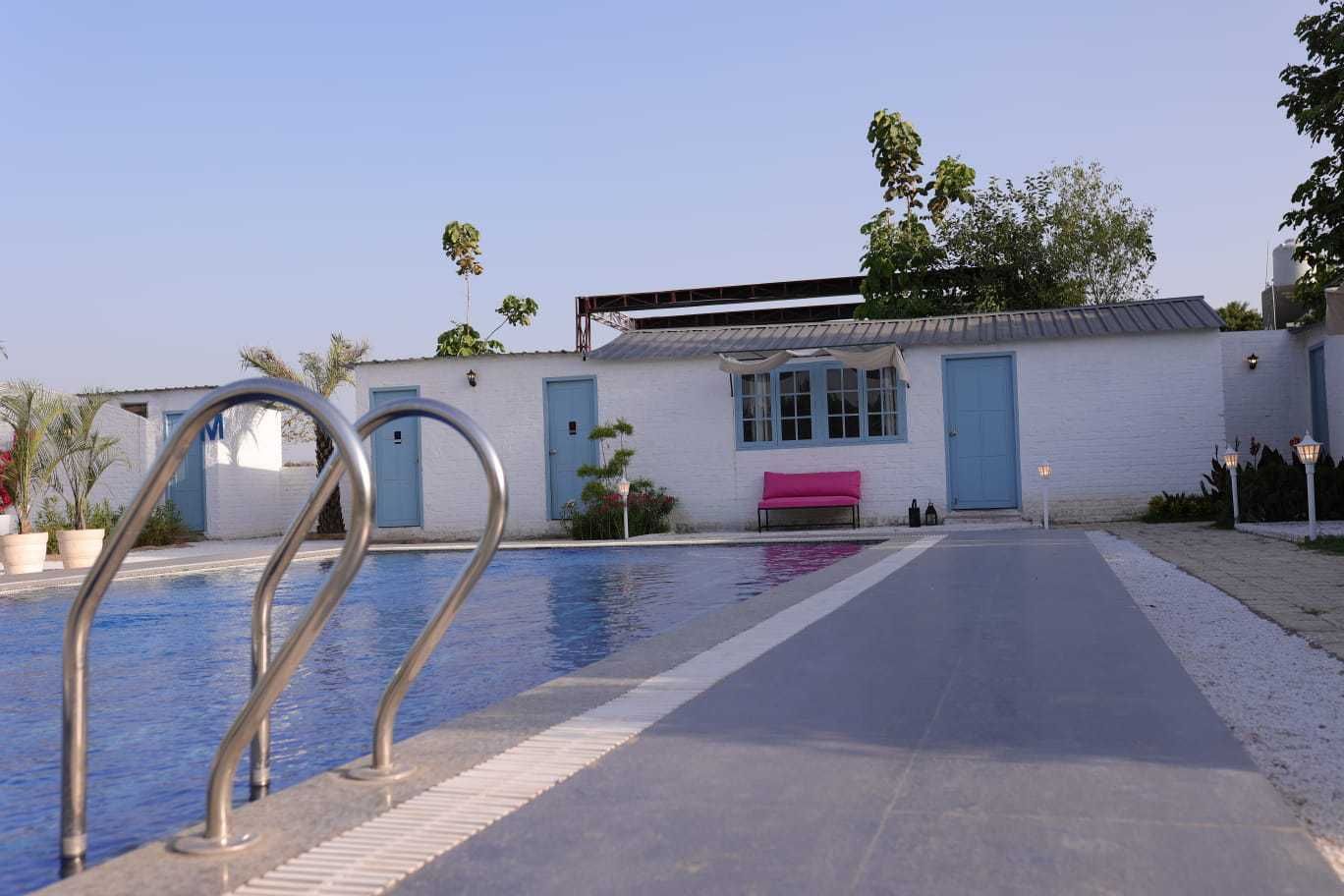
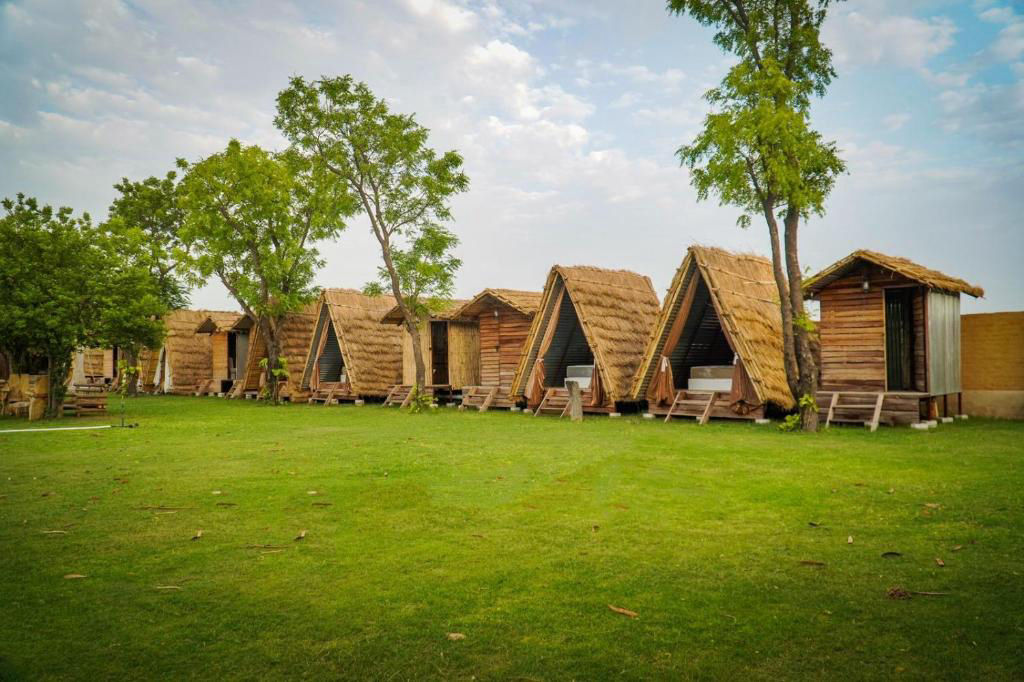
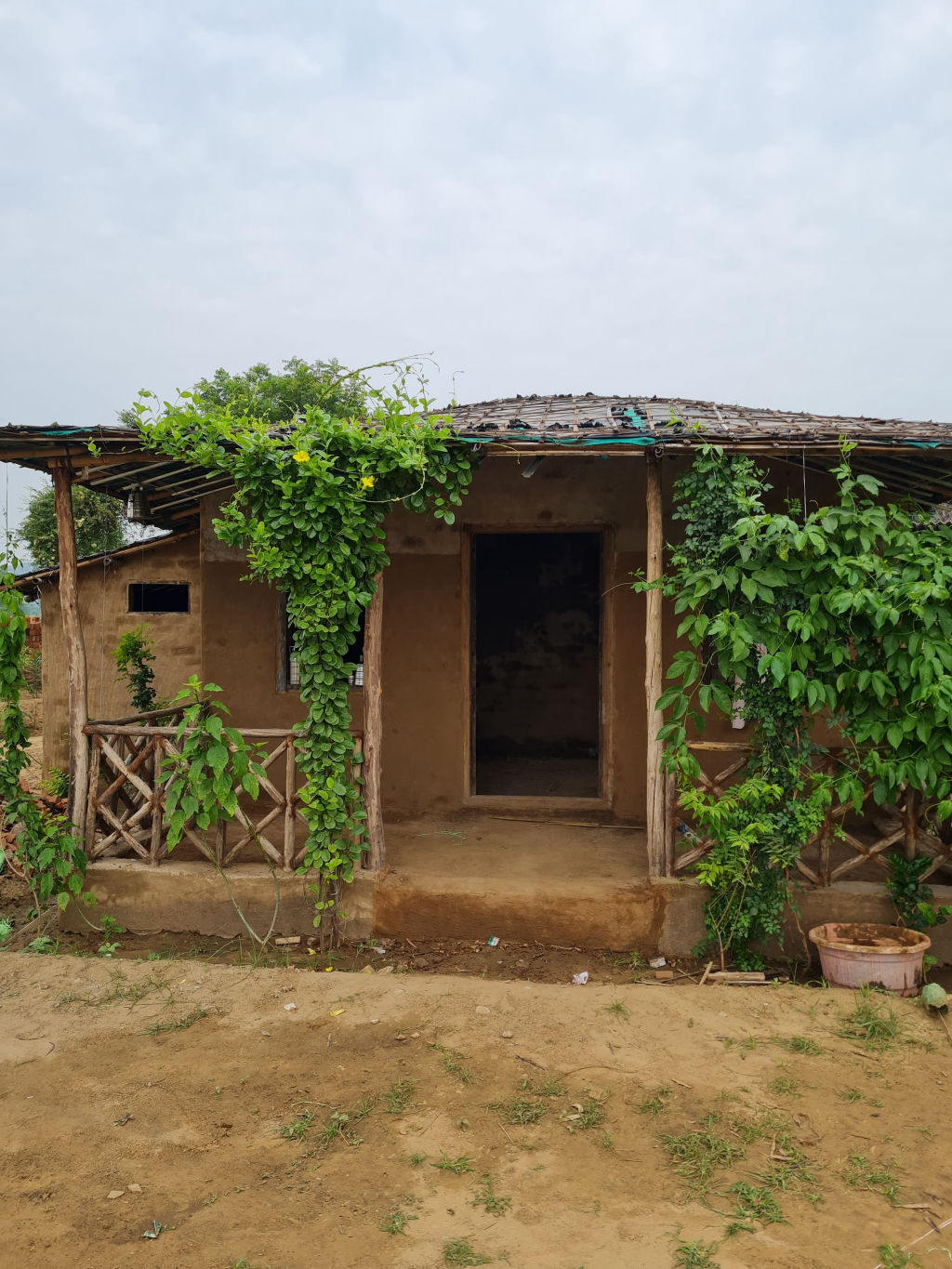
Shahpur Jat offers a distinct base within South Delhi, known for its creative studios, independent boutiques, and charming lanes. Staying in this quarter places you in close proximity to historic ruins and major road corridors connecting North, Central, and South Delhi. Those planning a heritage getaway can discover a range of distinctive stays nearby on HireACamp. The platform features curated camps, boutique homestays, and nature-oriented accommodations scattered across the National Capital Region and its scenic fringes. Choosing a homestay or outdoor retreat through HireACamp lets you unwind away from commercial hotel corridors while staying just a short drive from Delhi’s iconic historical treasures.
Written with AI from creators' posts and map data. Check prices and timings locally before you go.
19 places · 18 creator recommendations · Updated today
Ranked by how many independent creators recommend each place, not by who paid. The list updates itself as new posts come in.


Frequently asked questions
Which monuments near Shahpur Jat are best to visit during early morning?
Humayun’s Tomb and Bagh-I-Alam Ka Gumbad Delhi are particularly rewarding in the early morning hours. Morning visits offer cooler temperatures, gentle natural light, and quiet grounds before daytime crowds arrive.
What is the significance of Safdarjung Tomb?
Safdarjung Tomb, located approximately 5 kilometres from Shahpur Jat, is recognized as the last major enclosed garden tomb built in the classic Mughal architectural tradition. Commissioned in the eighteenth century, it features tranquil geometric gardens, elaborate plasterwork, and a soaring central dome.
How far is Qutb Minar from Shahpur Jat?
Qutb Minar is located in Mehrauli, roughly 4 kilometres southwest of Shahpur Jat. The drive typically takes fifteen to twenty-five minutes under normal traffic conditions.
Can you see astronomical instruments near Shahpur Jat?
Yes, Jantar Mantar is situated about 9 kilometres north of Shahpur Jat along Sansad Marg. The eighteenth-century complex houses large-scale masonry instruments constructed by Maharaja Jai Singh II to chart celestial movements and measure time.
What is the best way to travel between these monuments?
Most monuments in this area are easily reached via the Delhi Metro, auto-rickshaws, or local taxis. Setting out early in the day helps avoid peak traffic across Central and South Delhi.
Stays near Shahpur Jat
Make a trip of it