Monuments near Shakar Pur Baramad
This guide highlights the historic monuments located within easy reach of Shakar Pur Baramad in Delhi. It covers imperial tombs, ancient observatories, and solemn memorials spanning centuries of the capital's heritage. The collection is well suited for history buffs, architectural admirers, and day-trippers seeking enriching urban outings.
Top architectural monuments near Shakar Pur Baramad
Humayun’s Tomb, situated roughly 4 km from Shakar Pur Baramad in Nizamuddin East, is an iconic sixteenth-century Mughal garden tomb celebrated for its symmetrical red sandstone facade, Charbagh layout, and grand dome. About 8 km away stands Safdarjung Tomb, recognized as the final major enclosed garden mausoleum of the Mughal tradition, showcasing detailed plasterwork and peaceful geometric grounds. Further south in Mehrauli, roughly 14 km away, the soaring Qutb Minar presents intricate calligraphic stonework and historic ruins dating back to the Delhi Sultanate. Travellers can also explore Bagh-I-Alam Ka Gumbad Delhi, a fifteenth-century Lodi-era monument nestled in the greenery of Deer Park in Hauz Khas.
Memorials and ancient wonders
Close to Shakar Pur Baramad, Raj Ghat Memorial New Delhi lies about 4 km away along the banks of the Yamuna River, marking the solemn cremation site of Mahatma Gandhi with an unadorned black marble platform surrounded by quiet lawns. About 5 km away on Hailey Road, Agrasen ki Baoli offers an evocative look at ancient water harvesting through its stepped stonework and stacked arched alcoves. Near Connaught Place, about 6 km from Shakar Pur Baramad, Jantar Mantar features eighteenth-century masonry instruments commissioned by Maharaja Jai Singh II to chart the skies. Nearby stands India Gate along Kartavya Path, an imposing sandstone arch honoring fallen soldiers. Those exploring further can observe the Salt march Statue, also known as Gyarah Murti, and the peaceful Ahinsa Sthal in Mehrauli.
Northern Ridge and outlying historical sites
Delhi holds layers of antiquity across its diverse neighborhoods and open spaces. On the Northern Ridge, approximately 9 km from Shakar Pur Baramad, visitors can seek out the third-century BCE Ashoka Pillar with its preserved Brahmi inscriptions, alongside the Gothic-style Mutiny Memorial. Northward in Coronation Park, the Coronation Memorial Pillar marks the assembly grounds of the imperial Delhi Durbars. For travellers venturing toward the western fringes, Delhi Darwaza in Najafgarh reflects surviving regional military fortifications, while Azad Hind Gram near Tikri Kalan commemorates Netaji Subhas Chandra Bose and the Indian National Army. Farther southwest, Dayaram ki Chhatri showcases a traditional stone cenotaph honoring regional agrarian heritage.
Best times for sightseeing
The cooler months from October to March present the most comfortable weather for exploring outdoor historical sites across the Delhi capital region. During the warmer seasons, timing your outings is essential to avoid the midday sun. Independent creators suggest planning trips to Humayun’s Tomb during the early morning or golden hour before sunset, noting that mornings provide pleasant temperatures and optimal photography lighting while the hours between 12:00 PM and 3:00 PM bring harsh heat. Similarly, late afternoon golden hour is especially recommended when wandering the manicured gardens of Safdarjung Tomb. Visiting earlier in the day also helps bypass the peak crowds that tend to gather on weekend late mornings.
Tips for your trip and where to stay
When planning visits to monuments across Delhi, dressing in comfortable footwear and carrying drinking water is advisable, as many sites encompass vast garden grounds and stone corridors. Local transport options make hopping between central monuments straightforward, though checking local access guidelines and entry requirements before departing is always wise. For travellers planning an extended getaway or seeking refreshing accommodation close to nature and city sights, verified homestays, camps, and unique outdoor stays nearby can be discovered on HireACamp. Booking a restful base allows you to explore Delhi's timeless architecture at a relaxed, self-guided pace.
Written with AI from creators' posts and map data. Check prices and timings locally before you go.
19 places · 18 creator recommendations · Updated today
Ranked by how many independent creators recommend each place, not by who paid. The list updates itself as new posts come in.


Frequently asked questions
What is the best time of day to visit Humayun’s Tomb?
Early morning or the golden hour before sunset is widely recommended to enjoy softer lighting and cooler temperatures. It is best to avoid visiting between 12:00 PM and 3:00 PM, as well as late mornings on weekends when crowd levels peak.
Which monuments are closest to Shakar Pur Baramad?
Humayun’s Tomb and the Raj Ghat Memorial New Delhi are among the closest sites, situated approximately 4 km away. Agrasen ki Baoli and India Gate are also just about 5 km from the area.
What architectural style is Safdarjung Tomb known for?
Safdarjung Tomb is recognized as the last grand enclosed garden mausoleum built in the classic Mughal architectural tradition. It features a soaring central dome, intricate ornamental plasterwork, and sprawling geometric gardens.
Can Jantar Mantar and Agrasen ki Baoli be visited together?
Yes, both sites are located in central New Delhi within a short distance of each other and roughly 5 to 6 km from Shakar Pur Baramad. Their central location makes them convenient to combine into a single morning or afternoon outing.
Where can travellers stay when exploring heritage sites near Shakar Pur Baramad?
Travellers looking for comfortable lodging can browse camps, homestays, and outdoor getaways on HireACamp to find ideal bases near Delhi's historic attractions.
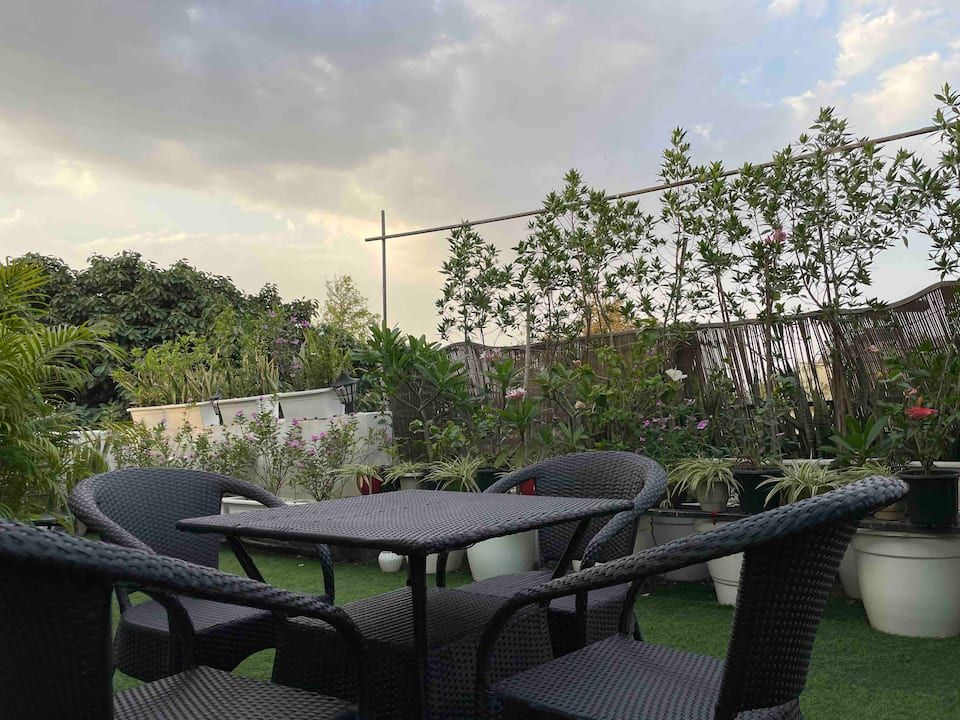
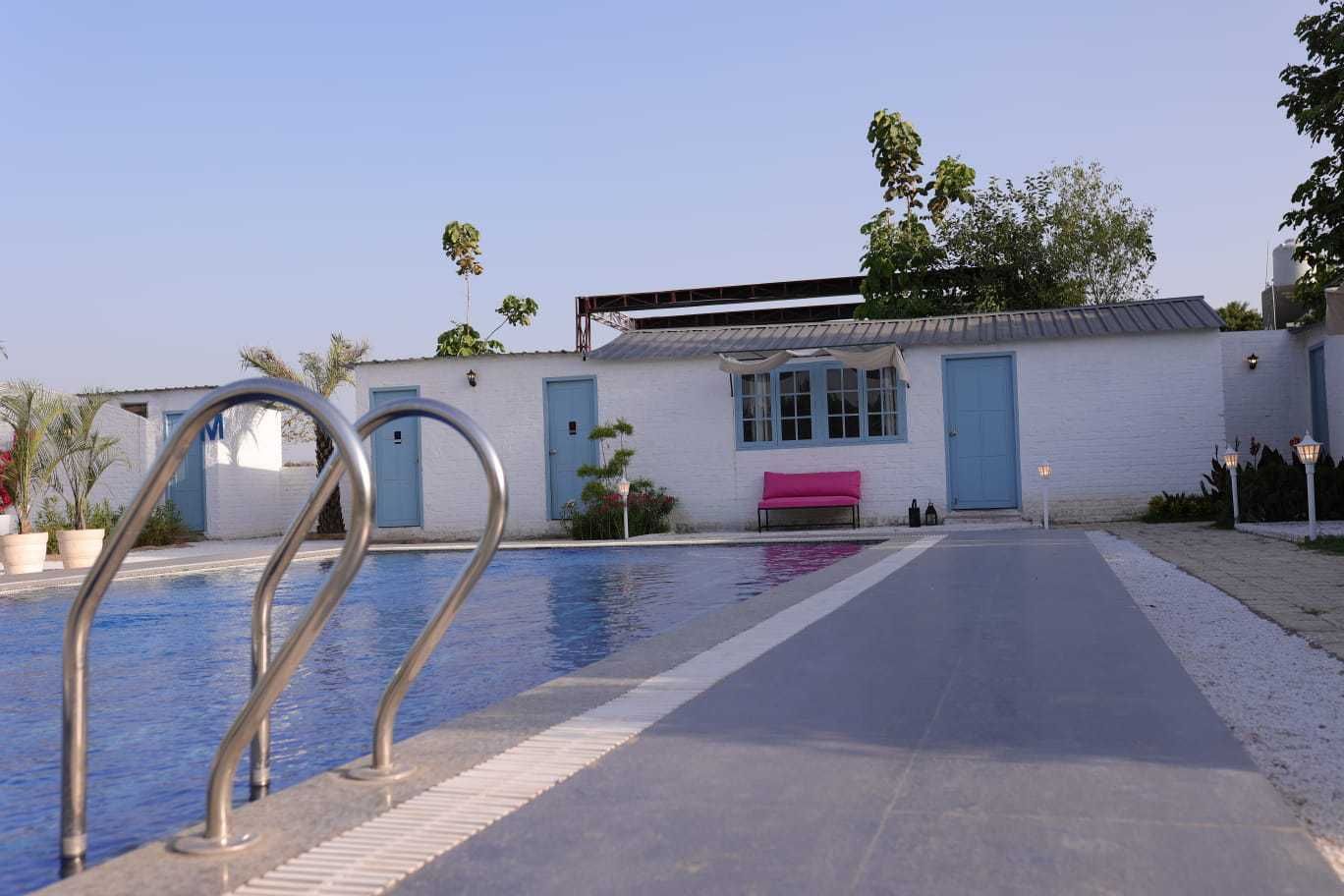
Stays near Shakar Pur Baramad
Make a trip of it