
Hoksar Glacier
Nature near Aru, Ladakh
11 km from Aru
The nearest town, for stays, food and fuel.
Hoksar Glacier is a remote high-altitude glacier situated along the rugged mountain divides of Ladakh and upper Kashmir. Formed among stark alpine ridges and scree valleys, it feeds glacial streams that sustain downstream mountain pastures and high lakes. Trekkers and mountaineers venture here to witness an untouched glacial landscape far removed from conventional tourism corridors.
Getting there
By road
- From AruNearest town6 min · 900 m
Typical drive times without traffic. Stations and airports from OLA Maps; distances and typical drive times from OpenStreetMap (© OpenStreetMap contributors); notes from creators' Reels.
About Hoksar Glacier
Written with AI from map data and general knowledge. Check prices and timings locally before you go.
About Hoksar Glacier
Hoksar Glacier occupies an isolated amphitheatre in the Greater Himalayan range bordering Ladakh. Sitting high above the tree line, the glacier is characterized by extensive lateral and terminal moraines, deep crevasses, and frozen meltwater pools. The landscape around the ice sheet reflects extreme glacial weathering, with massive boulder fields, fractured cliffs, and loose scree sloping down from towering rock walls.
Because of its extreme elevation and remote location, the glacier remains pristine throughout the year. It plays a critical ecological role in the regional hydrology, slowly discharging meltwater during the warmer months into glacial streams that eventually join larger river tributaries. For adventurers who navigate this terrain, Hoksar Glacier presents a raw portrait of Himalayan glaciation that few casual visitors ever see.
The High-Altitude Landscape and Terrain
Reaching and traversing the area surrounding Hoksar Glacier requires navigating severe mountain terrain. The approach weaves through vast glacial outwashes, steep mountain passes, and valleys carved out by millennia of ice movement. As you gain elevation, dwarf alpine shrubs and patchy mosses give way entirely to bare rock, permafrost, and perennial ice.
The terrain around the glacier margin can be unstable due to ongoing freeze-and-thaw cycles. Rockfall from surrounding slopes is a frequent occurrence, especially during midday as warming temperatures loosen debris. Navigating this environment demands careful footwork, as loose moraine covers slick, hard-packed ice beneath the surface. The stark silence of the valley is broken only by the whistling wind and the occasional deep rumble of shifting ice.
Read more
Best time to visit Hoksar Glacier
The window for venturing towards Hoksar Glacier is tightly constrained by Himalayan weather. Mid-summer through early autumn, typically spanning late June to mid-September, offers the safest conditions. During this period, daytime temperatures rise sufficiently to melt snowpacks on lower passes, opening routes that remain impassable for the rest of the year.
By late September, temperatures drop significantly, bringing nighttime sub-zero freezes and sudden autumn snowstorms that can trap travelers. Winter in this region is fierce and unyielding, burying the entire glacial cirque under meters of snow and triggering severe avalanches. Anyone considering an expedition should prioritize July and August, while remaining prepared for unpredictable, fast-moving storms even in the peak of summer.
How to reach Hoksar Glacier
Accessing Hoksar Glacier is purely an expedition-style endeavor on foot. There are no motorable roads or constructed footpaths leading directly to the glacier snout. Travelers typically approach the general sector from valley trailheads connecting the Kashmir side near Pahalgam and Sonamarg, or from the drier western approaches of Ladakh via Kargil and Suru-adjacent valleys.
From whichever base village or roadhead you commence your trek, the journey involves multiple days of rigorous walking over high passes and unmarked mountain trails. Because trails are faint or nonexistent across moraine fields, traveling with knowledgeable local mountain guides who understand the geography and weather patterns is essential. Check locally regarding current route feasibility, trail stability, and any administrative permissions required before starting.
Trekking and safety considerations
Due to the extreme elevation and isolation of Hoksar Glacier, self-sufficiency and fitness are non-negotiable. Acute Mountain Sickness is a real risk, requiring a deliberate acclimatization schedule with staged elevation gains before entering the higher reaches of the valley. Ensure you carry adequate hydration, shelter, and high-calorie rations.
Weather conditions can change from clear skies to blizzard-like conditions within an hour. High-grade four-season tents, sub-zero sleeping bags, windproof and waterproof outer layers, and sturdy mountaineering boots with firm ankle support are fundamental gear requirements. Route navigation tools such as topographic maps and satellite communication devices are strongly recommended, as mobile networks do not function in these high glacial valleys.
Places to explore nearby
The mountainous terrain encircling Hoksar Glacier is dotted with classic alpine tarns and majestic summits. Doda Sar lies roughly nine kilometers away across rugged ridgelines, representing one of several pristine high-altitude tarns in this elevated wilderness. Further along the mountain routes are renowned glacial bodies including Tarsar Lake, Marsar Lake, and Chhumanai Sar, all known for their changing water colors and alpine amphitheaters.
Nearby prominent landmarks include the sheer peak of Deo Masjid and the tranquil setting of Chanda Sar. These natural sites often form part of extended multi-day wilderness traverses, offering intrepid backpackers a broader exploration of the high-altitude interface where Kashmir's green meadows transition into Ladakh's rock and ice.
Where to stay near Hoksar Glacier
There are no built accommodations, mountain huts, or established facilities near Hoksar Glacier. Staying near the glacier requires self-contained wilderness camping, carrying your own expedition-grade tents, cold-weather bedding, and cooking equipment. Pitching camp requires finding sheltered ground well away from active moraines, potential rockfall zones, and glacier runoff channels.
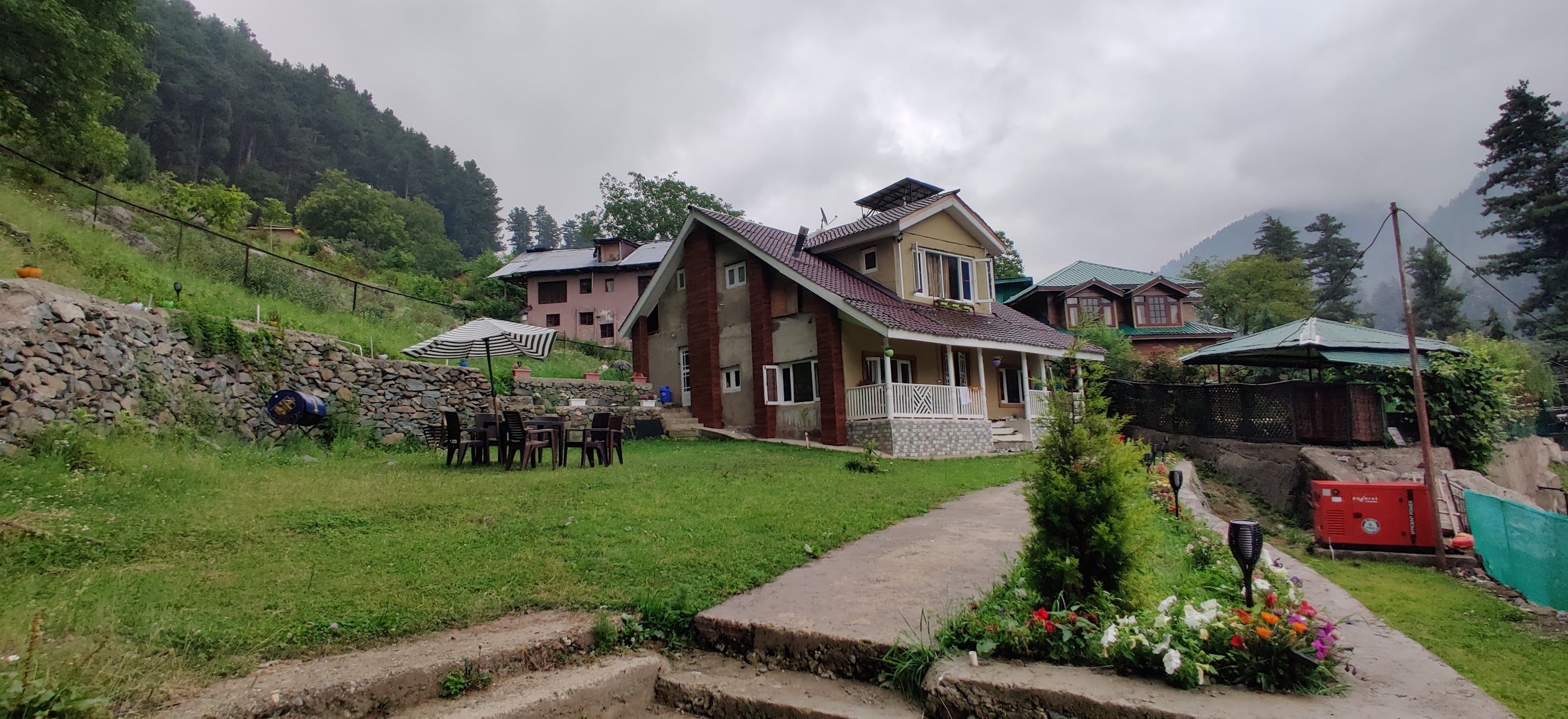
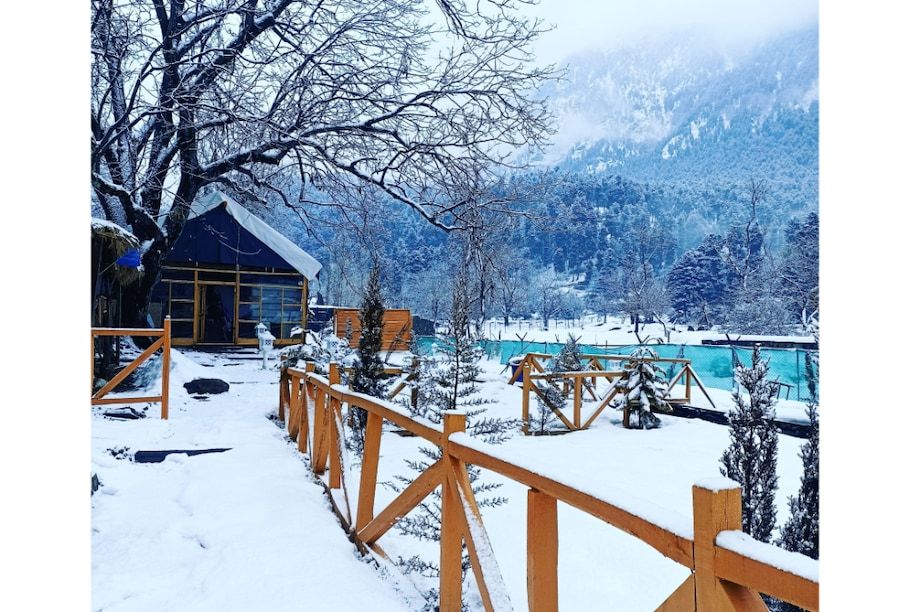
For restful accommodation before and after your trek, you can find a selection of homestays, cottages, and riverside camps in the base towns and peripheral valleys listed on HireACamp. Staying with local hosts in the staging villages provides a comfortable setting to acclimatize, organize trekking supplies, and hire dependable pack animals and guides.
Frequently asked questions
Can beginners trek to Hoksar Glacier?
No, reaching Hoksar Glacier requires strenuous multi-day trekking over unmarked, high-altitude moraines and loose scree. It is suitable only for experienced trekkers with strong fitness and proper acclimatization.
Are there road connections to Hoksar Glacier?
No, there are no roads leading to the glacier. The site can only be accessed on foot via multi-day backcountry trails starting from roadheads in surrounding valleys.
What is the best month to trek around Hoksar Glacier?
July and August are the best months, as high mountain passes are generally clear of winter snow and daytime temperatures are most manageable.
Do mobile phones work at Hoksar Glacier?
No, there is no cellular network coverage at or near the glacier. Trekkers should rely on offline topographic maps and satellite safety devices.
Are permits required to visit the glacier area?
Permit requirements can vary based on regional border regulations and chosen trekking access routes. It is best to verify current travel guidelines with local authorities before heading out.
Where you'll be
Ladakh · 2 stays nearby shown with prices
Stays near Hoksar Glacier
Book a place to stay close by
More places near Hoksar Glacier
Within 20 km
Built from 0 Instagram posts by 0 creators. Every tip links back to the post it came from, and where creators disagree we show both sides.






