
Sona Sar
Lake near Sonamarg, Ladakh
7.8 km from Sonamarg
The nearest town, for stays, food and fuel.
Sona Sar is a pristine high-altitude alpine lake set amidst the rugged, glaciated terrain of Ladakh near the alpine crests of the Greater Himalayas. Fed by melting snowfields and ancient glaciers, the lake attracts trekkers and mountain adventurers seeking dramatic wilderness far from conventional tourist circuits. Its turquoise waters and stark mountain amphitheatre make it one of the most striking alpine tarns in the region.
Getting there
By road
- From SonamargNearest town13 min · 6 km
Typical drive times without traffic. Stations and airports from OLA Maps; distances and typical drive times from OpenStreetMap (© OpenStreetMap contributors); notes from creators' Reels.
About Sona Sar
Written with AI from map data and general knowledge. Check prices and timings locally before you go.
About Sona Sar and Its Setting
Sona Sar is an oligotrophic high-altitude lake positioned high among the rocky ridges and moraines of Ladakh. The lake sits cradled by towering mountain massifs that define the boundary between the arid trans-Himalayan plateau and the wetter alpine valleys of the Kashmir divide. Surrounded by steep scree slopes, residual snowdrifts, and massive granite slabs, the lake reflects varying shades of blue, turquoise, and steel gray depending on the angle of sunlight and the movement of cloud cover.
The word sar translates to lake in regional dialects, and water bodies bearing this name across the upper Himalayas are revered for their pure, life-giving waters. Sona Sar remains undisturbed for most of the year, locked in ice through the long winter months and coming alive only during the brief Himalayan summer. The stark contrast between the icy water, dark rocks, and patches of alpine moss makes the setting deeply captivating for anyone traversing these upper trails.
The Trek to Sona Sar
Reaching Sona Sar requires undertaking a demanding high-altitude trek that winds through valleys, scree ridges, and glacial boulder fields. The trail follows natural mountain corridors and stream beds shaped by seasonal runoff. Trekkers navigate unpaved dirt footpaths that gradually ascend past boulder-strewn meadows before climbing steeply toward the alpine tarn.
The trek demands good physical stamina and sound route-finding skills. Because paths at these elevations can be faint or obscured by recent rockfall and seasonal snow, hiring an experienced local guide is strongly recommended. Along the way, hikers must negotiate steep switchbacks, cross cold mountain streams, and adapt to the thin air of Ladakh's upper ridges. The reward upon arriving at the lake's shores is a profound sense of solitude surrounded by untamed mountain peaks.
Read more
Best Time to Visit Sona Sar
The trekking window for Sona Sar is short and strictly dictated by weather conditions. The summer months, spanning from July to early September, offer the most favorable window for visiting. During this period, the winter snows have largely melted off the approaches, trails become identifiable, and daytime temperatures remain comfortable for walking.
From late September onward, autumn brings sharply falling temperatures, bitter night frosts, and the risk of early blizzards. By November, the entire region is plunged into a harsh sub-zero winter that freezes the lake solid and makes the high mountain passes impassable until late spring. Even in peak summer, high-altitude weather can change rapidly from clear blue skies to gale-force winds, rainfall, or sudden flurries, requiring visitors to be prepared for all conditions.
Flora and Fauna of the Alpine Zone
The environment surrounding Sona Sar represents an extreme alpine tundra ecosystem. Because of the cold, wind-scoured terrain and brief growing season, large trees cannot survive here. Instead, the lower approaches feature stunted juniper shrubs, wild alpine herbs, and hardy flowering plants that bloom quickly during July and August to take advantage of the summer warmth.
Wildlife in this remote region is adapted to high elevations and rugged cliffs. Trekkers often spot Himalayan marmots basking on warm boulders outside their burrows. Flocks of alpine choughs, snow pigeons, and raptors such as the golden eagle patrol the thermals above the lake. Higher rocky slopes provide sanctuary to agile mountain ungulates, while tracks of elusive predators like the snow leopard or Himalayan brown bear are occasionally recorded by seasoned trackers in the surrounding valleys.
Preparation and Practical Tips
A successful expedition to Sona Sar requires careful planning and self-sufficiency. Acclimatization is essential before attempting the climb; spend a couple of days at lower altitudes in Ladakh or base settlements to allow your body to adjust to reduced oxygen levels. Hydration and a steady hiking pace help prevent symptoms of acute mountain sickness.
Equip yourself with high-ankle trekking shoes that offer solid traction over loose moraine and wet boulders. Pack in layers, including a thermal base layer, a fleece jacket, and a windproof, waterproof outer shell, along with warm gloves and a woolen cap. Carry a reliable water filtration system, high-energy snacks, a comprehensive first-aid kit, and offline navigation maps or a physical topographical chart. Because there is no waste disposal infrastructure in this pristine wilderness, follow strict leave-no-trace principles and carry all rubbish back down.
Places to Explore Nearby
The broader mountain region around Sona Sar is home to several other spectacular high-altitude landmarks and alpine tarns. Just a short distance away across the ridges lies Doda Sar, another alpine lake surrounded by rocky ramparts. Trekkers exploring extended circuits can link up paths leading toward the famous twin lakes of Tarsar and Marsar, known for their sweeping alpine meadows and dramatic cirques.
Peaks like Deo Masjid dominate the skyline in this range, providing formidable vistas for experienced mountaineers. Smaller mountain tarns such as Chanda Sar, Chhumanai Sar, and Muhwar Sar dot the neighboring tributary valleys, offering varied trekking terrain. To the south, the lush meadows of the Nagaberan valley provide a striking green contrast to the barren, wind-swept ridges of the Ladakh side.
Where to Stay near Sona Sar
Due to its remote wilderness location at high altitude, there are no permanent hotels, lodges, or built accommodations directly at Sona Sar. Visitors undertaking multi-day treks generally camp on suitable flat, dry ground set back from the lake shores, bringing their own four-season tents, sleeping bags, and cooking gear.
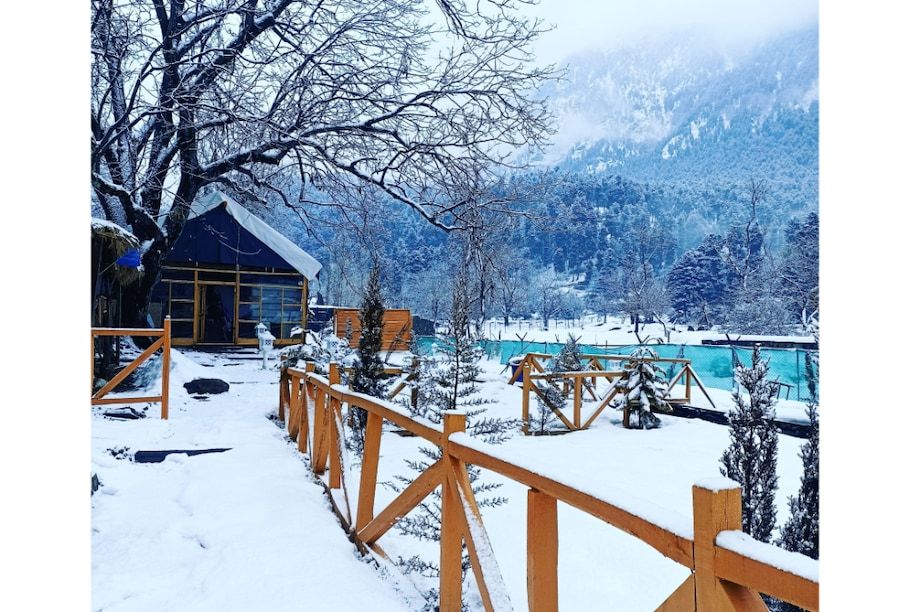
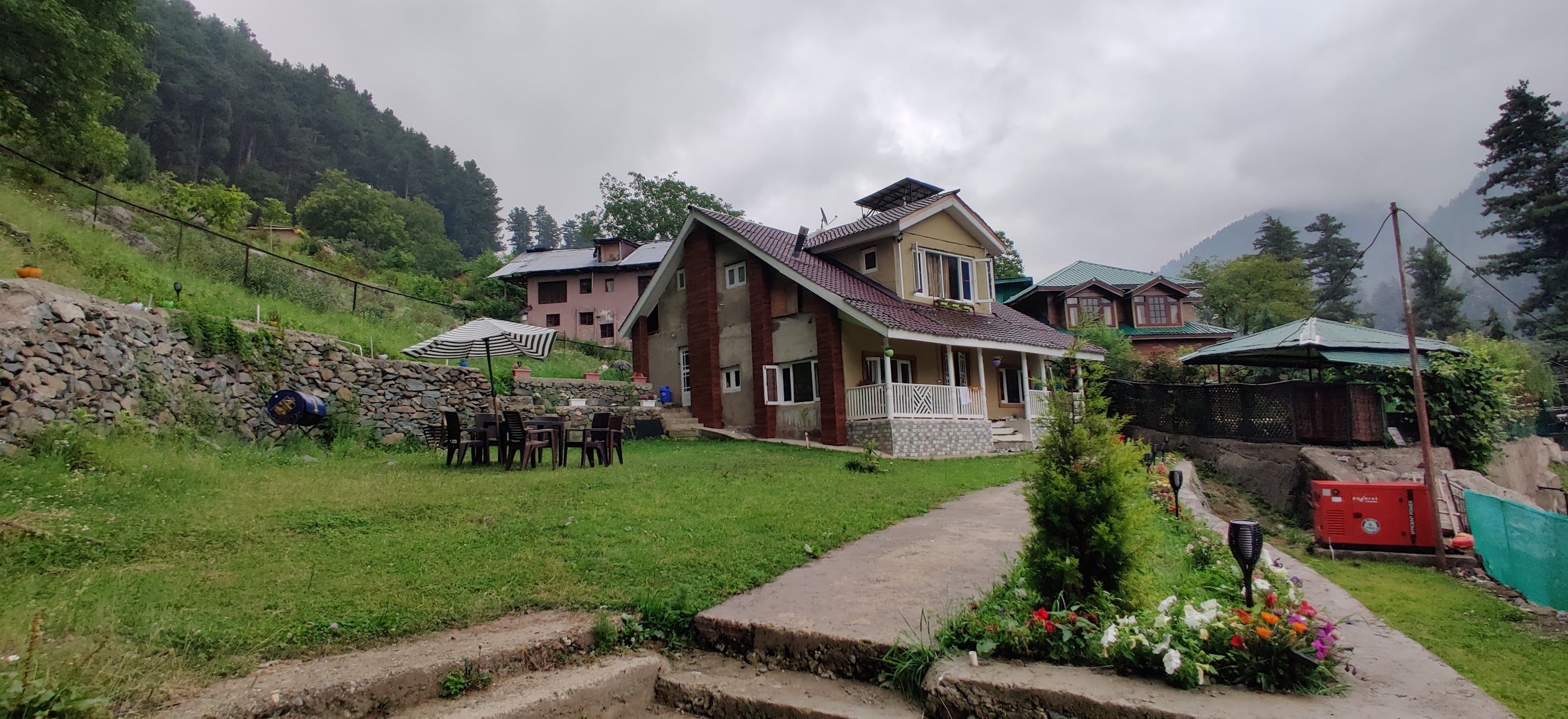
For comfortable lodging before and after your trek, base villages and regional towns offer authentic homestays, guesthouses, and established wilderness camps. You can explore and book verified stays, local homestays, and camping options across Ladakh on HireACamp, ensuring a warm and restful base for your Himalayan adventures.
Frequently asked questions
Where is Sona Sar located?
Sona Sar is a high-altitude alpine lake located in the rugged mountain ranges of Ladakh, India, situated near the crest line between Ladakh and the Kashmir valley.
How difficult is the trek to Sona Sar?
The trek to Sona Sar is rated moderate to challenging due to the high elevation, steep climbs, rough moraine paths, and changing weather conditions. Trekkers should have good physical fitness and prior hiking experience.
Can I visit Sona Sar during the winter?
No, Sona Sar is not accessible during the winter months from November to May. The high mountain passes are blocked by heavy snow and temperatures drop well below freezing, making the route hazardous.
Do I need a local guide to reach Sona Sar?
Hiring a local guide is strongly recommended. The high-altitude trails can be faint, mobile network coverage is absent, and navigating rocky moraines and changing mountain weather requires local expertise.
Are there places to stay directly at Sona Sar?
There are no built accommodations or facilities at the lake itself. Trekkers must camp with self-contained equipment, while homestays and organized campsites in nearby base villages can be found on HireACamp.
Where you'll be
Ladakh · 2 stays nearby shown with prices
Stays near Sona Sar
Book a place to stay close by
More places near Sona Sar
Within 20 km
Built from 0 Instagram posts by 0 creators. Every tip links back to the post it came from, and where creators disagree we show both sides.






