
Kolahoi Glacier
Nature near Baltal, Ladakh
12 km from Baltal
The nearest town, for stays, food and fuel.
Kolahoi Glacier is a majestic hanging glacier nestled beneath the pyramidal Kolahoi Peak in the Greater Himalayan range. As the principal source of the Lidder River, it feeds pristine alpine streams, lush meadows, and vast river valleys across the region. Adventurers and nature enthusiasts visit the glacier to experience rugged Himalayan wilderness, dramatic moraine landscapes, and high-altitude trekking trails.
Getting there
By road
- From BaltalNearest town23 min · 4.1 km
Typical drive times without traffic. Stations and airports from OLA Maps; distances and typical drive times from OpenStreetMap (© OpenStreetMap contributors); notes from creators' Reels.
About Kolahoi Glacier
Written with AI from map data and general knowledge. Check prices and timings locally before you go.
The Legacy and Landscape of Kolahoi Glacier
Perched below the imposing summit of Mount Kolahoi, this glacier is one of the most prominent ice masses in the region. Often called the Goddess of Light in local folklore due to the sheer golden glow of Kolahoi Peak at sunrise, the glacier occupies an amphitheatre of jagged rock walls, hanging icefalls, and sweeping lateral moraines.
The glacier acts as the ecological heartbeat of the surrounding valleys. Melts from Kolahoi form the West Lidder River, which carves its way down through alpine meadows and pine forests before nourishing farmlands and towns downstream. Over the past few decades, like many Himalayan glaciers, Kolahoi has experienced gradual recession, making it a place of deep scientific interest as well as immense natural wonder for those who journey toward its snout.
The Trek to Kolahoi Glacier
Reaching Kolahoi Glacier is an adventurous wilderness trek that takes travellers across a changing tapestry of Himalayan terrain. The journey typically begins in quiet foothill villages before tracing the rushing Lidder stream upstream through dense conifer woodlands, birch groves, and expansive grasslands where nomadic shepherds graze their flocks during the warmer months.
As the trail climbs higher, the tree line gives way to rugged alpine wilderness. Trekkers cross glacial streams, navigate rocky moraines, and walk through broad valley bottoms such as Satlanjan, a clearing known for its multiple converging mountain streams. The final approach to the glacier requires scrambling over loose scree, boulders, and terminal moraine deposits before arriving at the viewpoint overlooking the glacier snout and the towering rock faces that encircle it.
Read more
Best Time to Visit Kolahoi Glacier
The optimal window for undertaking a trek to Kolahoi Glacier falls between late June and early September. During early summer, leftover winter snow blankets the higher passes and valley floors, gradually melting away to reveal emerald green pastures blanketed in alpine wildflowers like primulas, anemones, and blue poppies.
July and August generally bring comfortable daytime temperatures suitable for walking, though sudden mountain rain showers can occur. By September, the air turns noticeably crisper, skies are often clear, and the valleys begin their shift toward autumn hues. The trail is inaccessible during the deep winter and spring months, when heavy snowfall buries the trails, closes high mountain passes, and presents severe avalanche risks.
Preparation and Safety for the Trail
Given its high elevation and rugged terrain, visiting Kolahoi Glacier requires thoughtful preparation and basic mountain fitness. Trekkers should acclimatize properly before attempting the ascent, staying hydrated and pacing themselves to avoid high-altitude sickness. The weather at these altitudes can change rapidly, with bright sunshine quickly giving way to cold winds, fog, or freezing rain.
Walking on or near the glacier itself requires caution. Glacial snouts can be unstable, with active rockfall zones, hidden crevasses, and slippery glacial silt. It is always wise to trek with knowledgeable local mountain guides who understand the shifting nature of the moraines and stream crossings. Sturdy trekking boots with good grip, thermal layers, waterproof outerwear, and reliable trekking poles are essential pieces of gear to pack.
Places to Explore Nearby
The broader mountain landscape surrounding Kolahoi Glacier is dotted with captivating natural and cultural sites. Trekkers often combine their journey with visits to high-altitude alpine lakes such as Tarsar Lake and Doda Sar, which are renowned for their turquoise waters framed by stark granite ridges. Other pristine water bodies in the wider mountain circuit include Chhumanai Sar and Muhwar Sar.
In the lower valleys, visitors can explore the meadows of Chandanwari or visit historic sites like the ancient Mamleshwar Temple, a centuries-old stone shrine dedicated to Lord Shiva set along the riverbanks. The mountain ridges also open up views toward prominent summits like Deo Masjid, making the entire circuit a haven for alpine photography and nature exploration.
Where to Stay near Kolahoi Glacier
Because Kolahoi Glacier sits in an untamed wilderness zone, there are no permanent hotels or lodge facilities at the glacier itself. Most visitors camp overnight along the route, pitching tents in designated meadow sites under starry mountain skies.
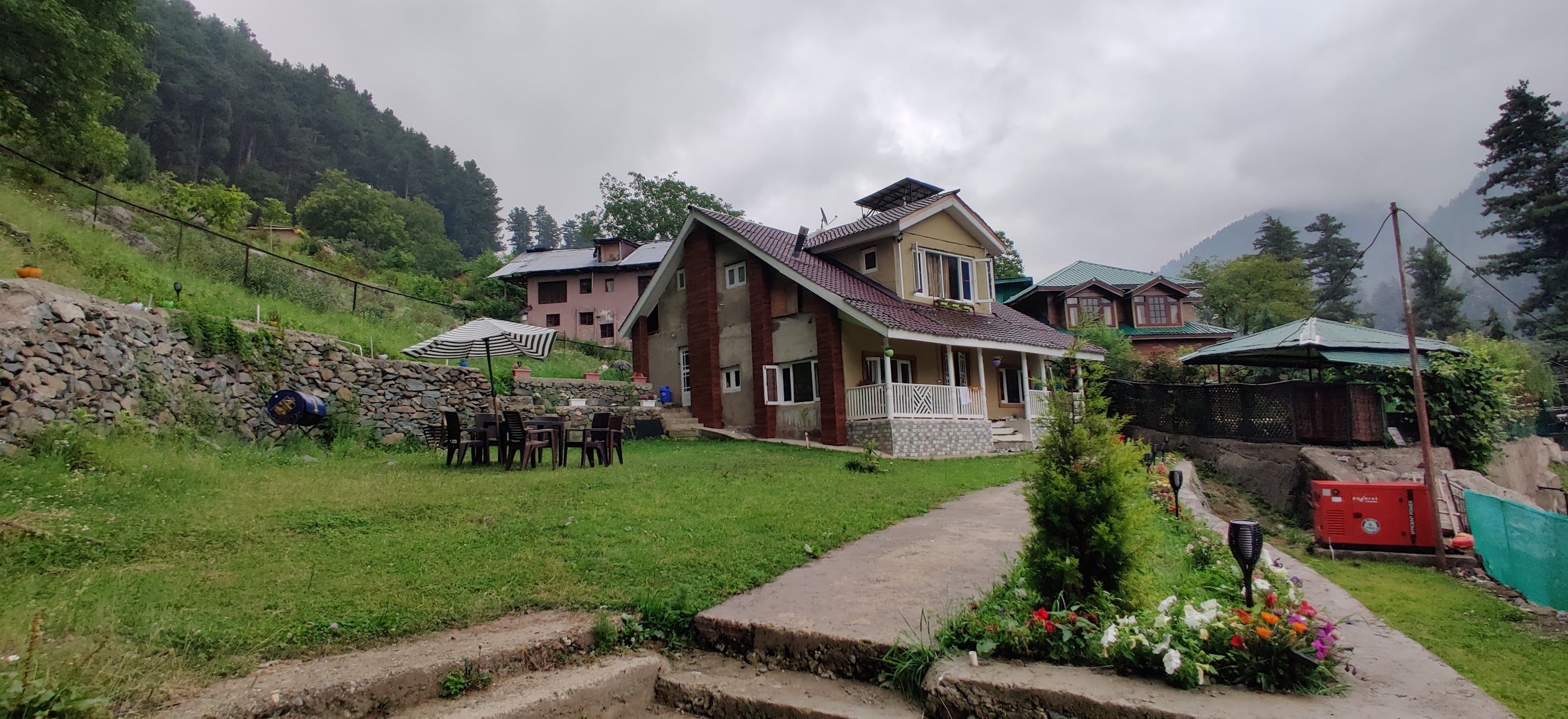
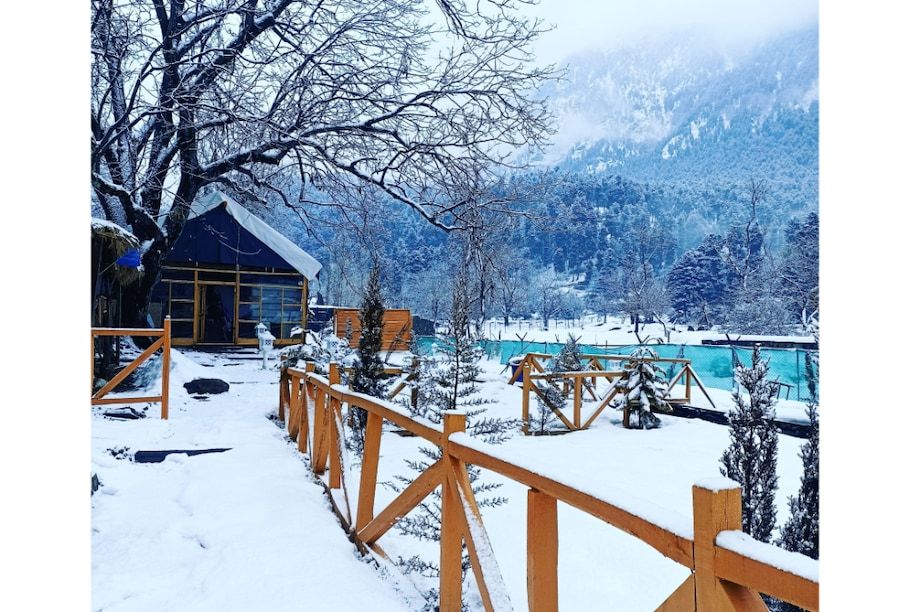
For base camps, gateway villages and riverside hamlets down in the valley offer welcoming homestays, wilderness cottages, and scenic campgrounds. You can discover and book verified campsites, peaceful nature retreats, and rural homestays near the starting points of the trail on HireACamp to ensure a comfortable stay before and after your trek.
Frequently asked questions
How difficult is the trek to Kolahoi Glacier?
The trek is generally considered moderate in difficulty. It involves multi-day hiking across river crossings, rocky moraines, and gradual altitude gain, requiring a good level of physical fitness and endurance.
Can beginners visit Kolahoi Glacier?
Beginners with active lifestyle habits and prior hiking experience can complete the trek, provided they go with an experienced guide, pack warm and waterproof clothing, and allow time to acclimatize properly.
Is it safe to walk directly on the glacier?
Walking onto the ice mass itself is not recommended without specialized mountaineering equipment and local guidance due to shifting ice, crevasses, and falling moraine rocks. Most travellers view the glacier safely from a designated vantage point near the snout.
What kind of clothing should I pack for the trek?
Pack a sturdy three-layer clothing system including moisture-wicking base layers, an insulating fleece or down jacket, and a windproof waterproof outer shell. Sturdy ankle-support trekking boots, warm gloves, and a sun hat are also essential.
Where you'll be
Ladakh · 2 stays nearby shown with prices
Stays near Kolahoi Glacier
Book a place to stay close by
More places near Kolahoi Glacier
Within 20 km
Built from 0 Instagram posts by 0 creators. Every tip links back to the post it came from, and where creators disagree we show both sides.






