
Kolahoi Peak
Peak near Aru, Ladakh
10 km from Aru
The nearest town, for stays, food and fuel.
Kolahoi Peak is a striking pyramidal mountain rising high in the Greater Himalaya near the rugged borderlands of the region. Known for its hanging glaciers, dramatic alpine ridges, and sweeping glacial valleys, it is an iconic landmark for seasoned mountaineers and high-altitude trekkers. Visitors journey here to experience untamed alpine wilderness, remote glacial lakes, and uninterrupted views across northern mountain ranges.
Getting there
By road
- From AruNearest town6 min · 900 m
Typical drive times without traffic. Stations and airports from OLA Maps; distances and typical drive times from OpenStreetMap (© OpenStreetMap contributors); notes from creators' Reels.
About Kolahoi Peak
Written with AI from map data and general knowledge. Check prices and timings locally before you go.
About Kolahoi Peak
Kolahoi Peak stands as one of the most prominent summits in the western Himalayan arc, characterized by its sharp pyramid profile and extensive hanging glacier system. Often referred to by mountain enthusiasts as the Matterhorn of the region, its jagged topography dominates the horizon across surrounding high valleys. The mountain serves as a crucial natural reservoir, feeding perennial streams and alpine rivers that nourish downstream valleys and alpine meadows.
Surrounding the peak is a raw landscape carved by centuries of glacial movement. Expansive moraines, sheer granite buttresses, and snow-fed basins define the approaches to Kolahoi Peak. The elevation brings harsh, high-alpine conditions where only resilient high-altitude flora and hardy mountain wildlife thrive. For mountaineers and trekkers, the mountain represents an unvarnished alpine encounter that requires thorough preparation, endurance, and deep respect for high-altitude terrain.
Landscape and wildlife around Kolahoi Peak
The terrain enclosing Kolahoi Peak changes dramatically as elevation increases. The lower valleys are blanketed by pine, fir, and subalpine birch woodlands, which gradually give way to broad meadows filled with summer wildflowers such as blue poppies, saxifrages, and wild anemones. Beyond the tree line, the green expanses transition into scree fields, boulder fields, and the permanent ice and snow of the upper glacier.
This remote ecosystem is home to diverse Himalayan wildlife. Hikers and expeditions may spot Himalayan marmots basking on warm stones or catch sight of agile ungulates such as the Himalayan musk deer and ibex navigating precipitous cliffs. High above, golden eagles, bearded vultures, and lammergeiers ride the mountain thermals, while the elusive snow leopard is known to inhabit the higher, inaccessible ridgelines.
Read more
Trekking and climbing at Kolahoi Peak
Reaching the base or attempting the upper ridges of Kolahoi Peak is a serious expedition demanding physical fitness, mountaineering knowledge, and acclimatization. The trekking trails that wind toward the peak's flanks take travellers through deep valleys, river crossings, and rugged glacial moraines. Campers along these trails set up pitches on flat meadow shelves beside glacial streams, with unobstructed views of the summit's icy ramparts.
Climbing Kolahoi Peak itself involves traversing crevasse-riddled ice fields, loose rock gullies, and exposed ridgelines. Because weather conditions in this part of the Himalayas can shift rapidly from clear blue skies to blinding whiteouts, technical equipment including crampons, ice axes, and ropes are essential for high-altitude routes. Even for those not attempting the summit, trekking to the viewpoint moraines or nearby passes offers a breathtaking glimpse of pristine mountain wilderness.
Best time to visit Kolahoi Peak
The most favorable window to explore the area surrounding Kolahoi Peak is during the summer months, from late June through September. During this period, winter snows retreat from the approach trails, mountain passes become passable on foot, and alpine wildflowers burst into bloom across the lower slopes. Daytime temperatures in the valleys can be pleasant, though nights at high camps remain quite cold and frequently drop near or below freezing.
Autumn, running from September through mid-October, brings crisp air, stable visibility, and clear skies, making it an excellent time for photography and high-altitude trekking before winter storms set in. From late October through May, heavy snowfall completely blankets the region, closing trails and making the slopes of Kolahoi Peak inaccessible to standard trekking groups due to extreme cold and heightened avalanche danger.
How to reach Kolahoi Peak
Accessing Kolahoi Peak typically begins by travelling to the regional hubs of Srinagar or Leh, depending on your wider itinerary, both of which feature commercial airports with regular connections to major Indian cities. From these base cities, road transport carries travellers along high-altitude mountain highways toward the trailheads that lead into the mountain's tributary valleys.
Once at the roadhead, further progress toward Kolahoi Peak must be completed on foot or with pack animals along established high-altitude trekking routes. These trails take several days of self-sustained hiking to reach the upper glacier bases. Travellers should consult local guiding authorities and check regional access requirements, permit regulations, and current trail safety before heading into the wilderness.
Places to explore around Kolahoi Peak
The vast alpine landscape around Kolahoi Peak is dotted with stunning high-altitude lakes and cultural waypoints. Nearby glacial lakes such as Doda Sar, Chhumanai Sar, and Muhwar Sar offer pristine waters cradled by barren scree slopes and snowy peaks. Trekkers venturing across the neighbouring ridges often combine their journey with trips to iconic alpine waters like Tarsar Lake, celebrated for its turquoise hue and expansive meadow shores.
Lower in the valley network, cultural stops provide a gentle contrast to the stark wilderness. Ancient heritage landmarks such as Mamleshwar Temple and Gauri Shankar Mandir showcase historic stone architecture nestled within valley settlements. Scenic trail segments around Chandanwari and picturesque alpine viewpoints like Mini Switzerland provide rewarding detours for outdoor enthusiasts exploring the wider region.
Where to stay near Kolahoi Peak
Due to the rugged and remote location of Kolahoi Peak, accommodation in the immediate vicinity is limited to self-contained wilderness camping. Trekkers carry their own four-season tents, sleeping mats, and warm bedding, establishing designated campsites in sheltered meadows near fresh water sources.
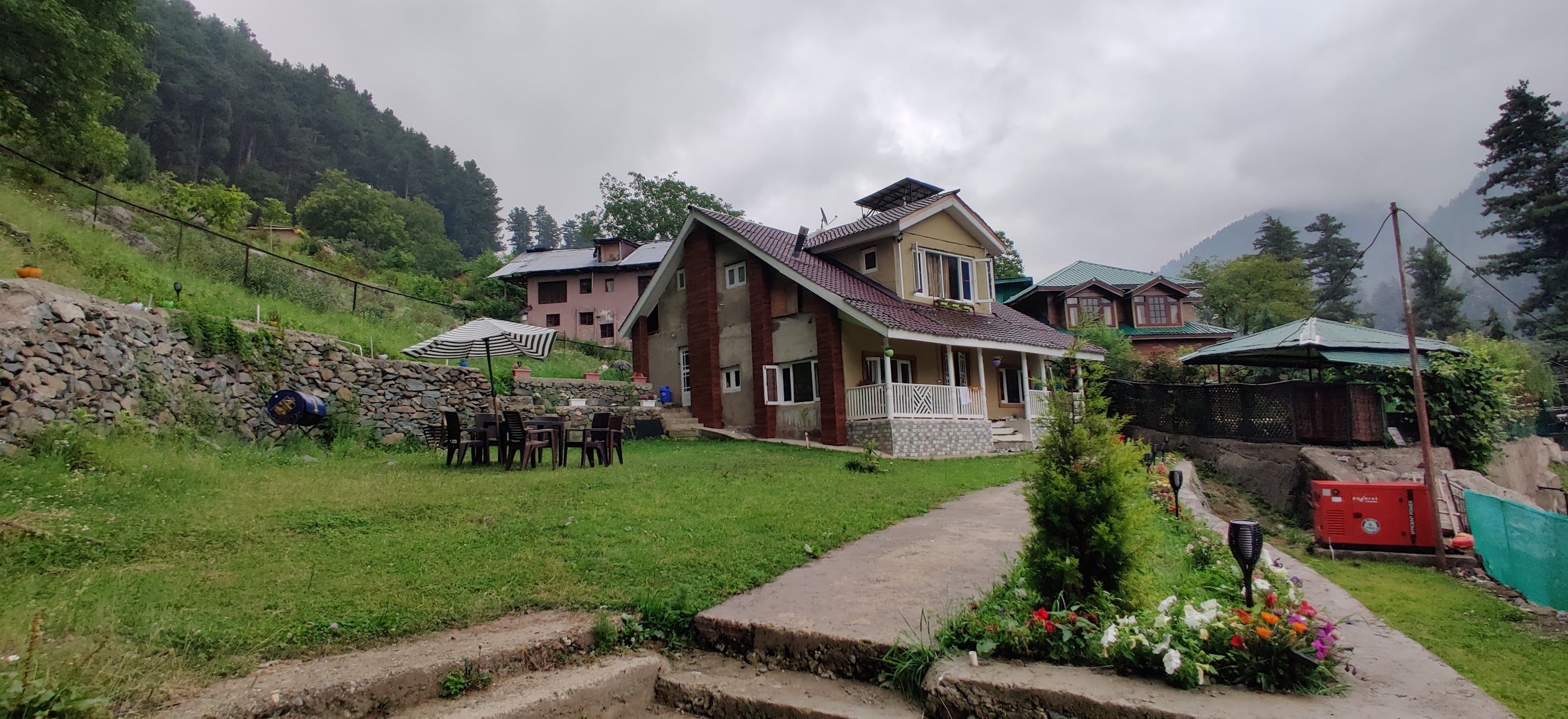
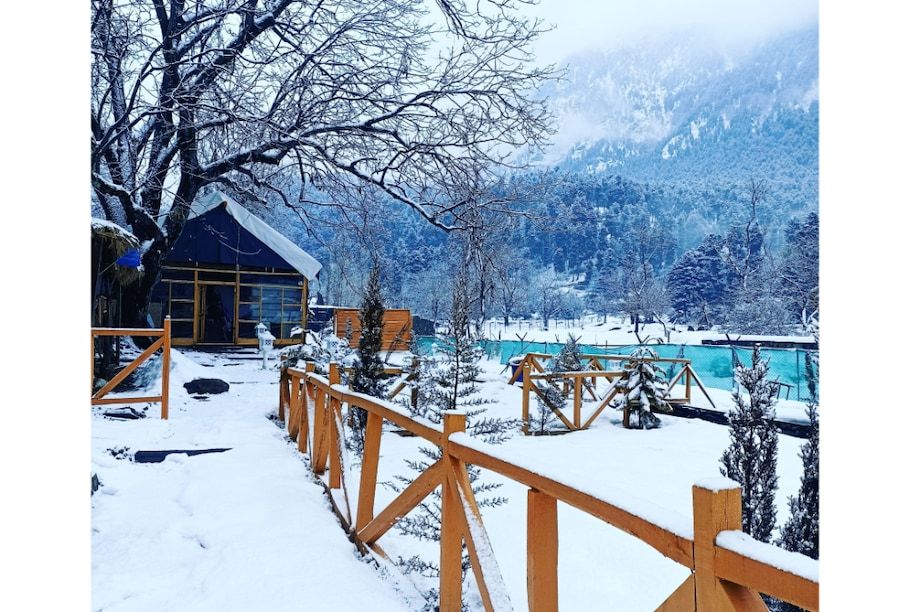
In the surrounding towns, valley villages, and base settlements that serve as expedition starting points, travellers can choose from local guesthouses, homestays, and seasonal campsites. You can explore and book suitable homestays, outdoor camps, and nature retreats across the region through HireACamp to ensure a warm, comfortable base before and after your trek.
Frequently asked questions
Can beginners climb Kolahoi Peak?
No, climbing to the summit of Kolahoi Peak involves technical mountaineering over steep rock faces, loose scree, and crevassed glaciers. Beginners can, however, undertake guided treks to the viewpoints and valley trails near the base of the peak.
What kind of clothing should I pack for a trip near Kolahoi Peak?
Dress in sturdy layers, including moisture-wicking thermals, insulating fleece or down jackets, and windproof and waterproof outer shells. Sturdy waterproof trekking boots, warm beanies, gloves, and polarized sunglasses are also vital.
Are permits required to visit Kolahoi Peak?
High-altitude trekking and mountaineering expeditions in this sensitive frontier region often require trekking registration and permits from local authorities. Travellers should check current administrative guidelines and trail regulations locally before departing.
What is the best season for trekking around Kolahoi Peak?
The ideal time to trek around Kolahoi Peak is between July and September, when trails are clear of deep snow, mountain weather is relatively settled, and meadows are lush and green.
Where you'll be
Ladakh · 2 stays nearby shown with prices
Stays near Kolahoi Peak
Book a place to stay close by
More places near Kolahoi Peak
Within 20 km
Built from 0 Instagram posts by 0 creators. Every tip links back to the post it came from, and where creators disagree we show both sides.






