
Tarsar Lake
Lake near Narastan, Jammu and Kashmir
10 km from Narastan
The nearest town, for stays, food and fuel.
Tarsar Lake is a pristine almond-shaped alpine lake nestled in the upper valleys of the Kashmir Himalayas, accessible from the base town of Pahalgam. Known for its clear turquoise waters surrounded by rolling meadows and jagged peaks, it is one of the most celebrated high-altitude trekking destinations in Jammu and Kashmir. Travellers and outdoor enthusiasts make the journey to experience pristine wilderness, alpine flora, and dramatic montane scenery.
Getting there
By road
- From NarastanNearest town26 min · 8.5 km
Typical drive times without traffic. Stations and airports from OLA Maps; distances and typical drive times from OpenStreetMap (© OpenStreetMap contributors); notes from creators' Reels.
About Tarsar Lake
Written with AI from map data and general knowledge. Check prices and timings locally before you go.
About Tarsar Lake
Tarsar Lake is an oligotrophic alpine waterbody set high in the mountains of Jammu and Kashmir, situated within the greater Pahalgam region. Flanked by majestic ridgelines, this dramatic freshwater lake is celebrated for its distinctive almond shape and striking blue water that shifts in tone with the angle of the sun and passing cloud cover.
The lake is fed directly by glacial snowmelt and high-altitude runoff, retaining its crystalline clarity throughout the summer season. An imposing rocky mountain ridge separates Tarsar from its twin lake, Marsar, which sits just across the crest. The surrounding terrain is classic alpine tundra, dotted with wild alpine flowers, boulder fields, and sweeping meadows that provide grazing grounds for migratory Gujjar and Bakarwal herders during the warmer months.
The Trek to Tarsar Lake
Reaching Tarsar Lake requires a multi-day backcountry trek, making the journey an immersive outdoor adventure. Trekkers typically start from the rustic settlement of Aru, located just upstream of Pahalgam. From Aru, the trail weaves steadily alongside rushing streams, passing through dense pine and fir woods before opening up into vast grassy clearings like Lidderwat.
As the trail climbs beyond the treeline, the landscape transitions into broad alpine valleys characterized by rushing mountain brooks, glacial moraines, and sheer cliffs. Navigating this route involves steady ascents, river crossings, and walking over varied ground ranging from soft turf to rocky trails. Camping along the grassy shores of Tarsar Lake is widely regarded as one of the quintessential trekking highlights in the Kashmir Valley.
Read more
Best Time to Visit Tarsar Lake
The window for visiting Tarsar Lake is relatively short and dictated by heavy winter snowfall. The prime season runs from late June through September, when high mountain passes clear of deep snow and the alpine meadows burst into vibrant shades of green.
July and August offer the lush green scenery that Kashmir is famous for, with colourful wildflowers blooming across the valleys and pleasant daytime walking temperatures. By September, the monsoon influences diminish, leaving behind crisp, clear skies and golden-hued meadows, though nighttime temperatures dip sharply toward freezing. From October through late spring, the region remains blanketed in thick snow and is inaccessible to conventional trekking.
Flora and Wildlife Around Tarsar Lake
The untamed habitats surrounding Tarsar Lake harbour diverse mountain flora and fauna adapted to life at elevation. The lower segments of the trail support dense stands of Himalayan cedar, birch, and fir, which gradually give way to dwarf junipers, gentians, potentillas, and rare alpine saxifrages.
The region borders protected wildlife corridors, including the wider Dachhigam Forest expanse further to the west. While wildlife can be elusive, keen observers may spot Himalayan marmots whistling from their burrows, mountain pikas, and herds of grazing ponies. Birdlife is abundant during the summer, featuring species such as golden eagles, bearded vultures, snowcocks, and various colourful finches.
How to Reach Tarsar Lake
The journey to Tarsar Lake begins from Srinagar, the capital city of Jammu and Kashmir. Srinagar is well connected by air via Sheikh ul-Alam International Airport and by road through major national highways connecting to the rest of northern India.
From Srinagar, travellers drive south-east toward Pahalgam, a scenic drive through saffron fields and along the Lidder River that typically takes between two and a half to three hours. From Pahalgam, a short drive on a mountain road leads to Aru village, the standard trailhead for the trek. From Aru, travel continues strictly on foot or on pony back along traditional wilderness trails. Trekkers should check current trail regulations and permit requirements locally before starting their expedition.
Tips for Trekking to Tarsar Lake
Because Tarsar Lake sits in a high-elevation alpine zone, proper acclimatization and physical fitness are essential before embarking on the trek. Take time to adjust to the elevation in Pahalgam or Aru before pushing higher into the valleys, and maintain steady hydration along the trail.
Mountain weather is notoriously volatile, capable of shifting from bright sunshine to cold rain or sleet within minutes. Carry a reliable layering system, including thermal base layers, a fleece, a wind-and-waterproof outer jacket, and sturdy ankle-support trekking boots. A good rain cover for your backpack, headlamps, trekking poles, and warm sleeping gear are critical. Ensure you follow leave-no-trace principles diligently by carrying back all non-biodegradable waste.
Where to Stay Around Tarsar Lake
During the trek itself, accommodation is limited to wilderness camping in designated meadow areas alongside the trail and near the lakeshore. Trekkers must rely on self-sufficient tents, warm sleeping bags, and portable camp kitchens brought along on the expedition.
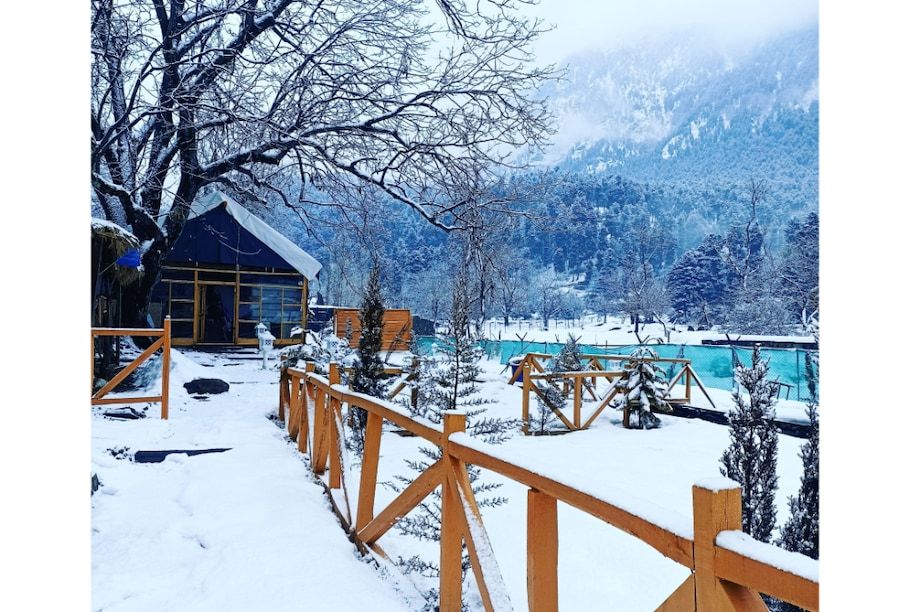
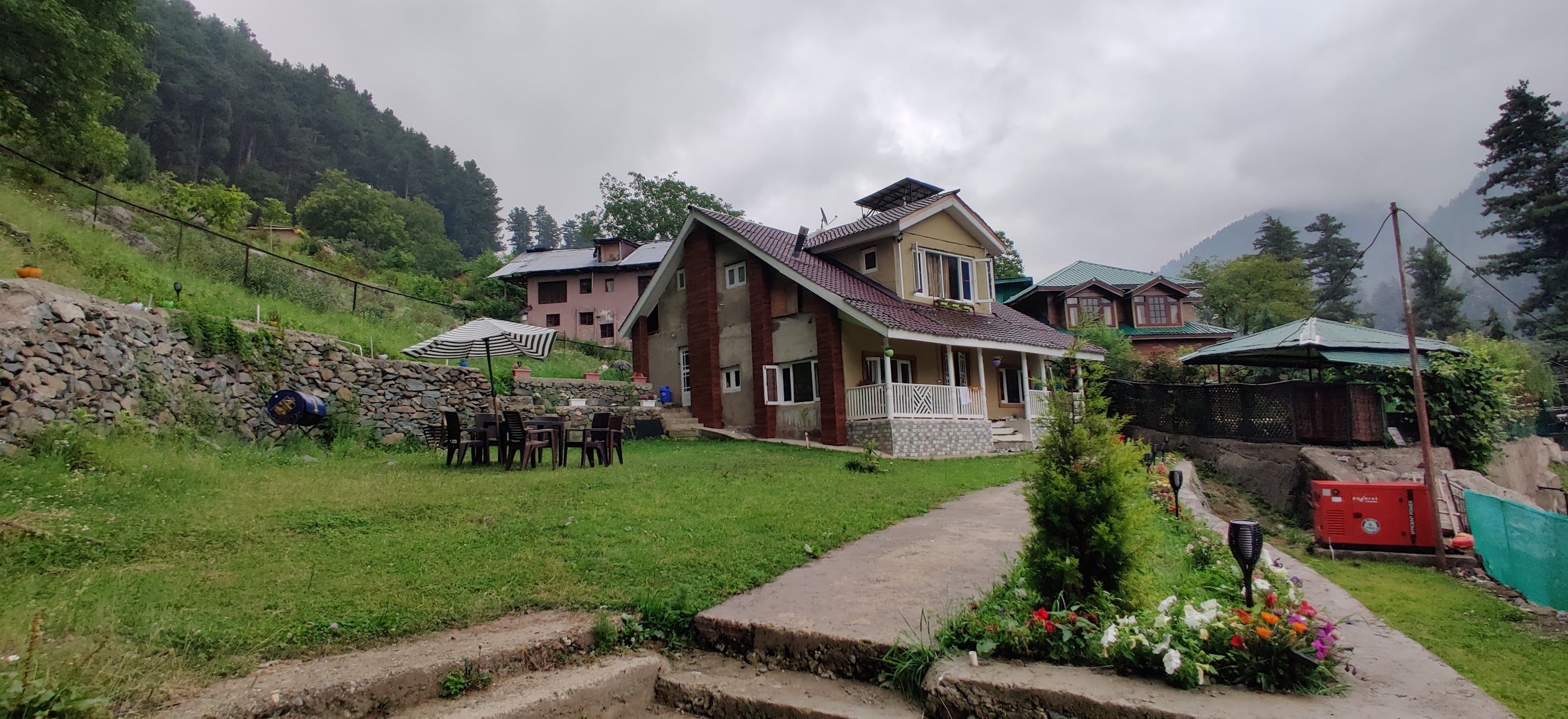
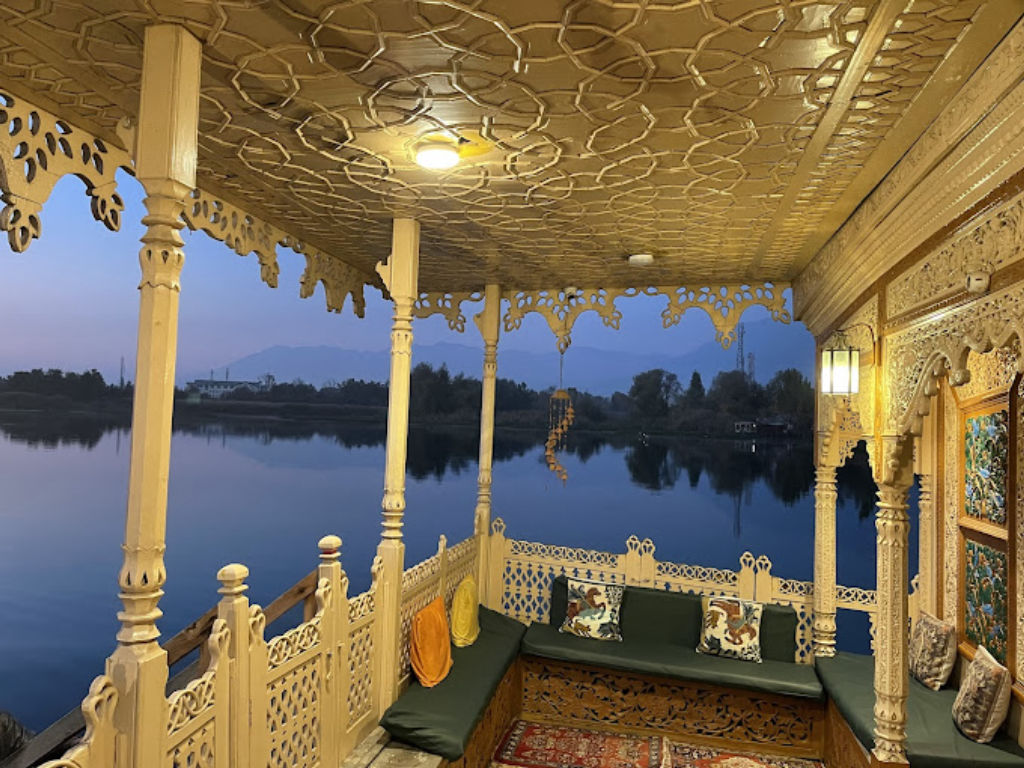
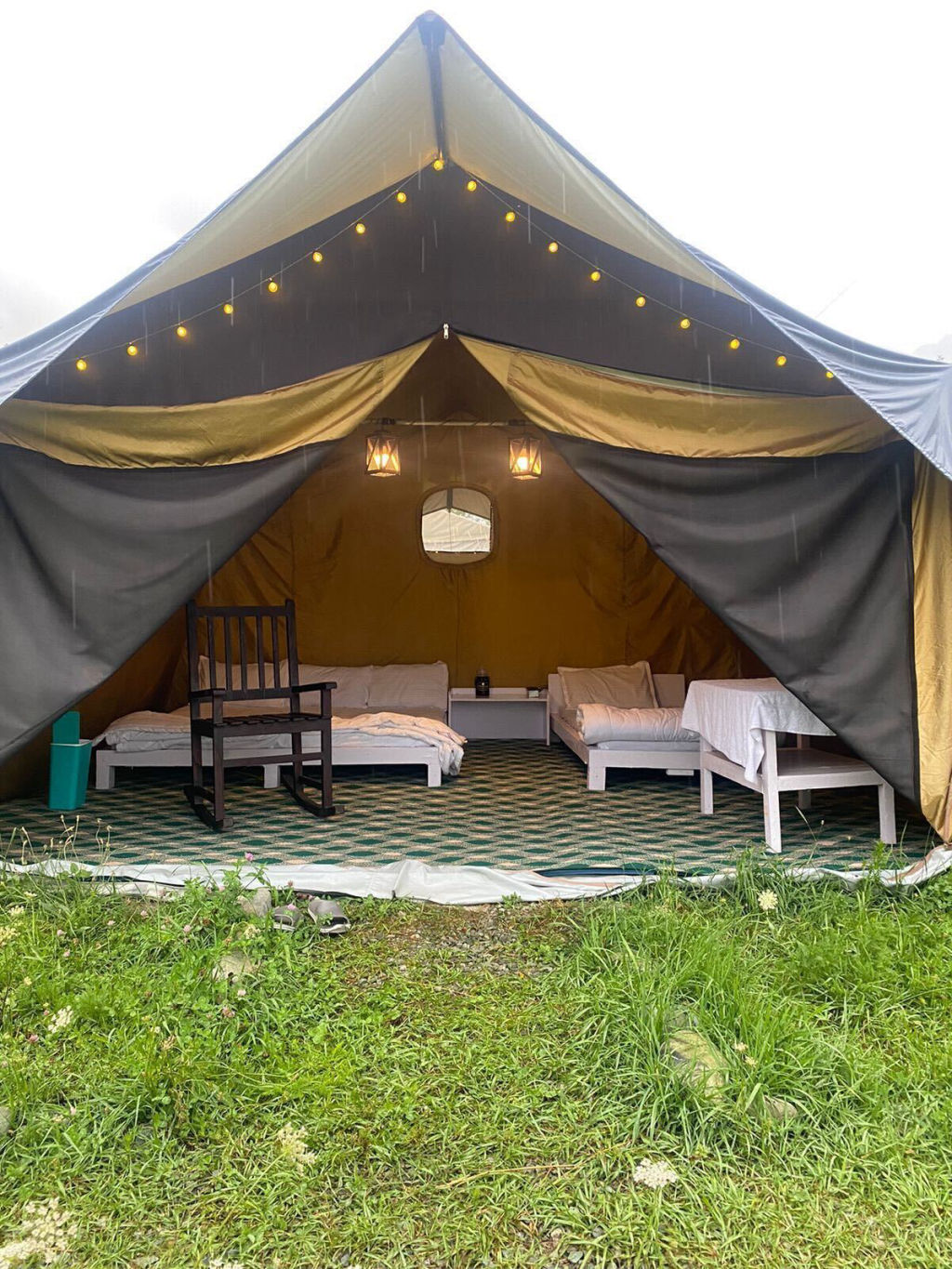
Before and after your trek, the towns of Pahalgam and Aru provide convenient and comfortable bases. You can find well-appointed riverside campsites, cosy homestays, and guesthouses on HireACamp. Staying a night or two in these base settlements allows you to rest, acclimatize, and organize your gear before heading into the mountains.
Frequently asked questions
Can I visit Tarsar Lake without trekking?
No, Tarsar Lake is situated in a roadless alpine wilderness and can only be reached on foot or by hiring local pack ponies from the trailhead at Aru near Pahalgam.
How difficult is the trek to Tarsar Lake?
The trek to Tarsar Lake is generally rated as moderate, requiring good physical stamina and cardiovascular fitness to handle long daily walks over uneven mountain terrain.
Which months are best for visiting Tarsar Lake?
The best months to visit are from late June to September, when the trails are free of heavy snow and daytime temperatures are comfortable for hiking.
Are there mobile networks available at Tarsar Lake?
Mobile network coverage typically ends shortly after leaving Aru village, meaning you will be off-grid for the duration of the trek near Tarsar Lake.
Where should I stay before starting the trek?
Pahalgam and Aru are the most convenient bases, where you can book authentic homestays, guesthouses, or nature camps through HireACamp before your trek begins.
Where you'll be
Pahalgam · 4 stays nearby shown with prices
Stays near Tarsar Lake
Book a place to stay close by
More places near Tarsar Lake
Within 20 km
Built from 0 Instagram posts by 0 creators. Every tip links back to the post it came from, and where creators disagree we show both sides.






