
Deo Masjid
Peak near Narastan, Jammu and Kashmir
13 km from Narastan
The nearest town, for stays, food and fuel.
Deo Masjid is a prominent high-altitude peak rising in the rugged Himalayan ranges of Jammu and Kashmir. Situated within the upper mountainous reaches of Anantnag district, the mountain attracts avid trekkers and mountaineers who seek untamed alpine wilderness. Travellers venture here to experience sweeping panoramic views of the Kashmir Valley, pristine ridgelines, and tranquil high-elevation meadows.
Getting there
By road
- From NarastanNearest town2 hr 45 min · 111 km
Typical drive times without traffic. Stations and airports from OLA Maps; distances and typical drive times from OpenStreetMap (© OpenStreetMap contributors); notes from creators' Reels.
About Deo Masjid
Written with AI from map data and general knowledge. Check prices and timings locally before you go.
Understanding the landscape of Deo Masjid
Deo Masjid stands as an imposing mountain summit set against the dramatic topography of the Kashmir Himalayas. Geographically perched in the northern upper folds of Anantnag district, it borders the rugged ridges separating the valley basin from the inner high-altitude backcountry. The surrounding terrain is marked by sheer rocky crags, glacial valleys, scree slopes, and expansive alpine pastures that come alive with wild flora in the warmer months.
The mountain's elevation offers an unobstructed vantage point over the inner Zabarwan ridges and neighbouring summits like Mahadev Peak. Unlike heavily frequented tourist hill spots, Deo Masjid is rooted in genuine wilderness. The slopes serve as traditional grazing grounds for local migratory pastoralists like the Gujjars and Bakarwals during the height of summer, lending the landscape a timeless, pastoral character.
Trekking and outdoor activities at Deo Masjid
Trekking is the primary pursuit for anyone journeying towards Deo Masjid. The approach trails take hikers across alpine boulder fields, clear glacial streams, and high meadows where silence dominates the landscape. Ascending towards the higher shoulders of the mountain tests endurance and altitude acclimatisation, making it a rewarding experience for seasoned hikers and alpine enthusiasts.
Apart from multi-day hiking expeditions, the terrain around the mountain provides exceptional opportunities for backcountry photography. The light shifting across the surrounding peaks during sunrise and sunset transforms the granite faces into brilliant shades of amber and gold. In the lower valleys beneath the peak, birdwatching and botanical observation offer quieter rewards, with native Himalayan birds and hardy alpine plants thriving along stream corridors.
Read more
Best time to visit Deo Masjid
The optimal window to explore the Deo Masjid area is during the summer and early autumn months, spanning from mid-June to early October. By late June, the heavy winter snows recede from the lower passes and approach paths, opening the high meadows to safe travel. Temperatures during the summer months remain pleasant during the day, though nights at high altitude are invariably brisk and can drop close to freezing.
From late July to August, the meadows reach peak vibrancy with lush grass and blooming alpine wildflowers, although travellers should be prepared for sporadic monsoon rains and lingering fog. September and early October bring crisp, dry mountain air and crystal-clear skies, providing the best visibility for long-range views of surrounding Himalayan massifs. From November through May, the mountain is blanketed under thick snow, closing trekking trails to standard hikers due to severe cold, ice, and avalanche hazards.
How to reach Deo Masjid
Reaching Deo Masjid requires a combination of road travel and sustained foot trekking. The nearest major transit hub is Srinagar, which has regular flight connectivity through Sheikh Ul-Alam International Airport and road access through the national highway network. From Srinagar or the central hubs of Anantnag district, road journeys lead to peripheral villages and trailheads that skirt the outer mountain valleys.
Once at the roadhead, further movement towards Deo Masjid is strictly on foot. Depending on the exact trail chosen, trekkers navigate remote forest trails, river crossings, and rising alpine pastures before ascending the higher ridges of the peak. Because these mountain routes are largely unpaved and unmarked, engaging local mountain guides and taking support from experienced trail leaders is strongly recommended for safety and route finding.
Tips for your visit
Trekking in high-altitude environments demands thorough physical and logistical preparation. Acclimatise properly before tackling significant elevation gains on the ascent to Deo Masjid, and ensure you remain well hydrated throughout the trek. Weather in this part of Kashmir can shift suddenly, so carry reliable layered clothing, a windproof and waterproof outer shell, thermal base layers, and sturdy trekking boots with good ankle support.
Because the upper reaches of the mountain lack commercial stalls and cellular coverage, carry all necessary food rations, water purification systems, a comprehensive first-aid kit, and navigation tools. Respect the pristine environment by following strict leave-no-trace principles, carrying back all non-biodegradable waste, and avoiding disturbing the livestock or encampments of local shepherds.
Places to explore around Deo Masjid
The broader region surrounding Deo Masjid is rich with notable peaks, deep woodlands, and historical attractions. To the west lies the prominent Mahadev Peak and the rugged crests of the Zabarwan Range, both famous for rewarding treks overlooking the valley. Nestled in the adjoining slopes is Dachigam, known for its dense temperate forests and rare Himalayan wildlife.
Further outward, outdoor enthusiasts can explore the famed Nagberan Tarsar Marsar alpine trail corridor or the world-renowned Kashmir Great Lakes circuit, both renowned for high-altitude turquoise tarns. In the lower valley areas closer to Srinagar, tranquil natural spots like Aripal Springs and historic Mughal sites such as Harwan Garden, Nishat Bagh, and Shalamar Bagh offer relaxing post-trek excursions.
Where to stay near Deo Masjid
Because Deo Masjid is situated in an untamed mountain zone, accommodation in the immediate vicinity of the upper peak consists purely of self-supported wilderness camping. Trekkers must carry alpine-grade tents, sleeping bags rated for freezing temperatures, and camp cooking equipment if planning an overnight stay along the high ridges.
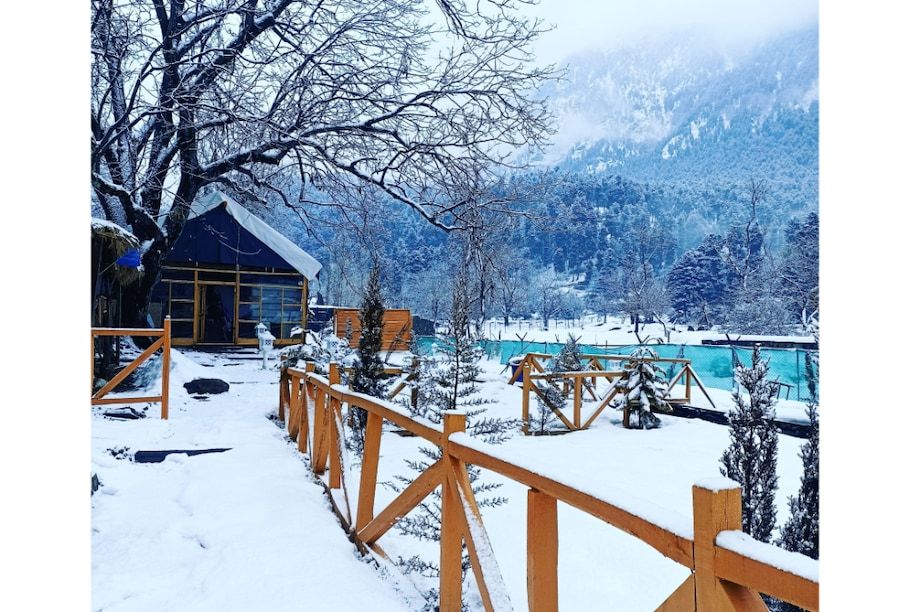
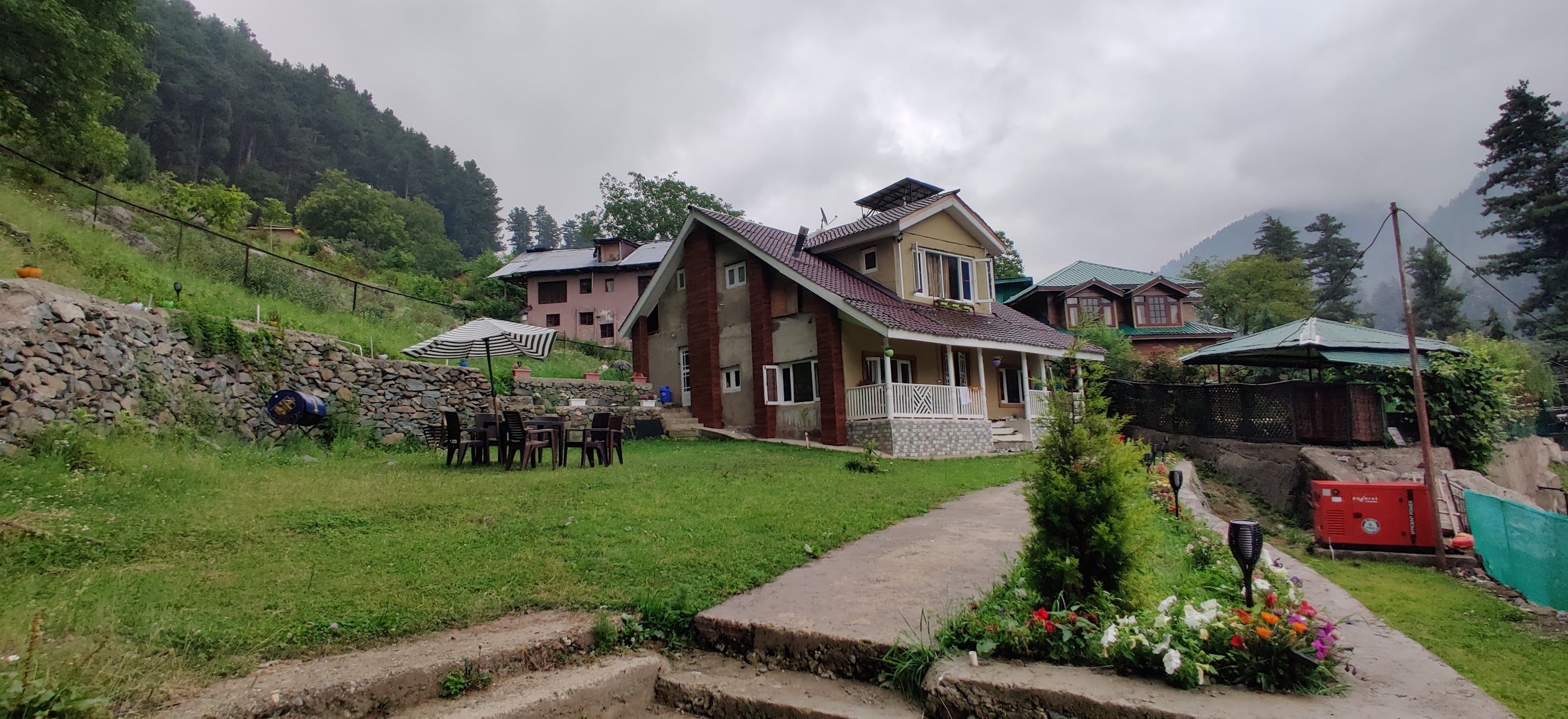
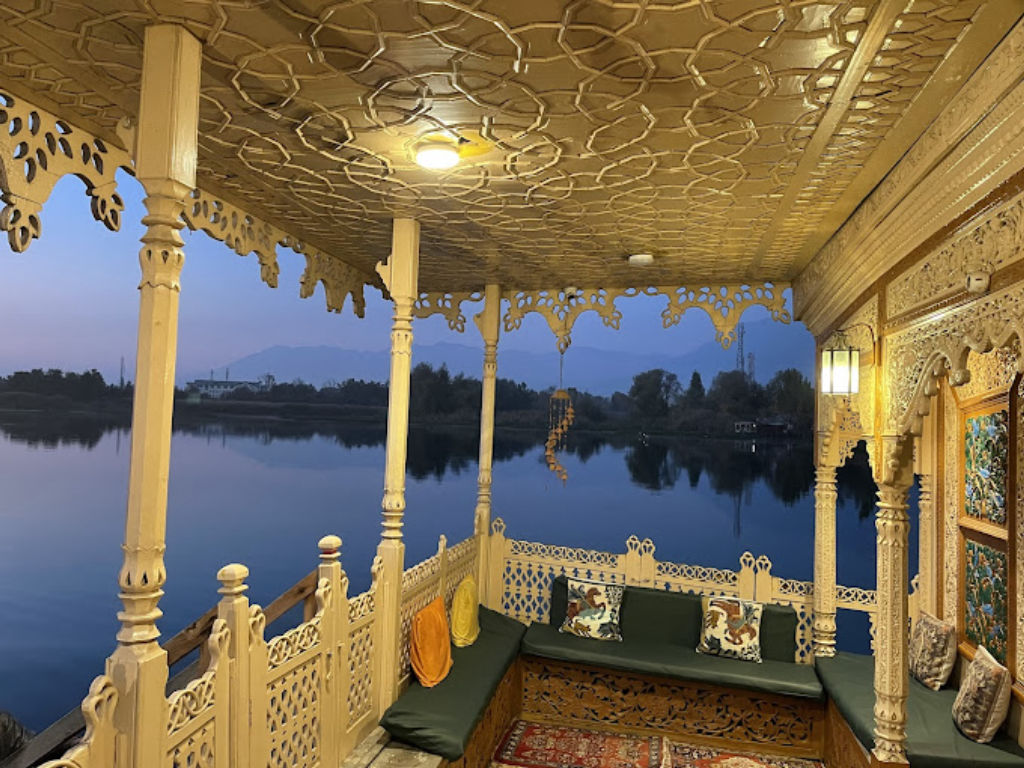
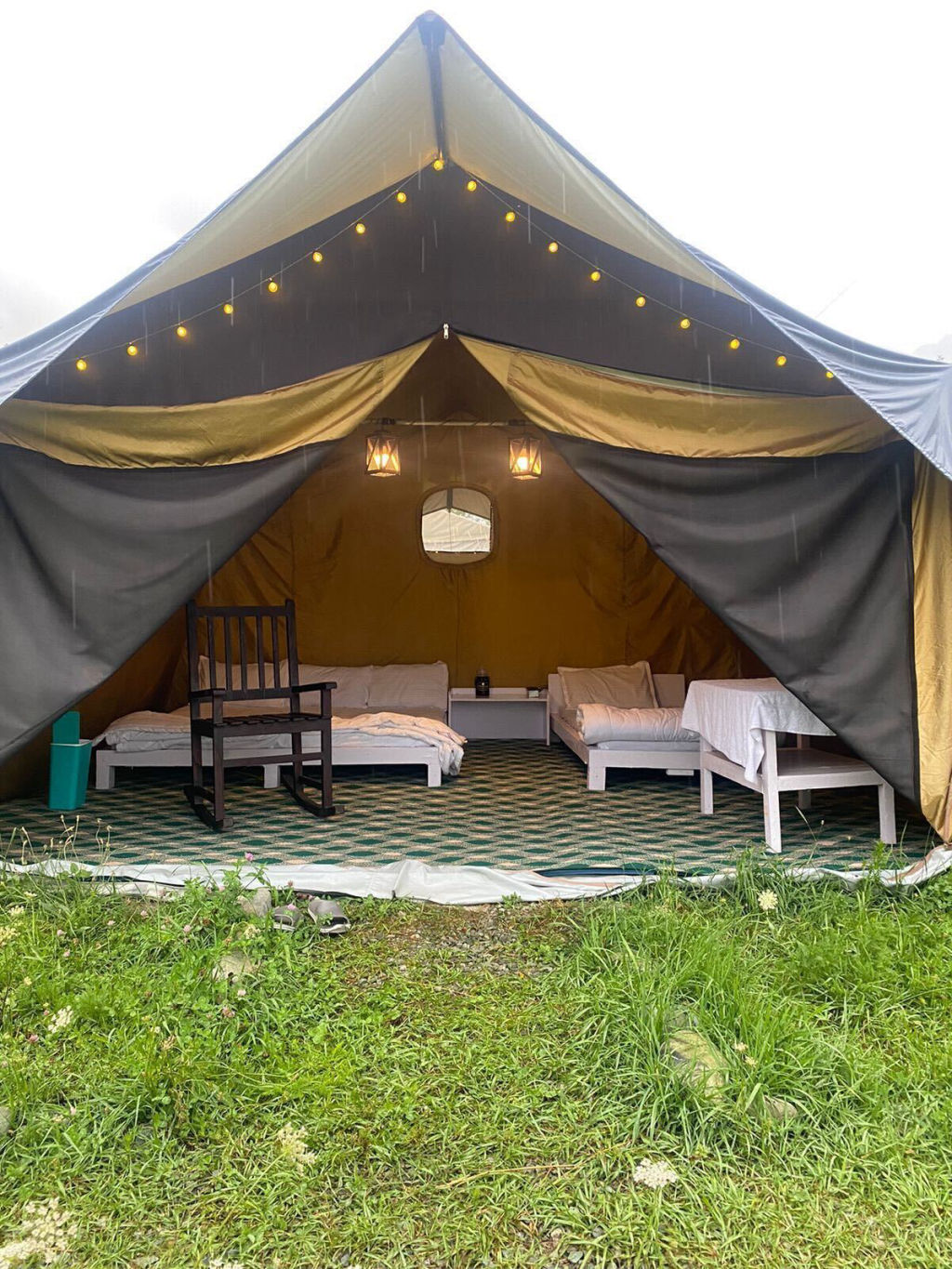
For travellers seeking fixed lodging before or after their trek, comfortable options can be found in the nearby towns, valley settlements, and peripheral districts of Anantnag and Srinagar. A wide selection of verified nature camps, rustic homestays, and boutique rural stays can be discovered and booked on HireACamp to serve as a restful base camp for your journey.
Frequently asked questions
Where is Deo Masjid located?
Deo Masjid is a high mountain peak located in the upper ranges of Anantnag district in Jammu and Kashmir, bordering the high ridgelines east of the central Kashmir Valley.
Can beginners trek to Deo Masjid?
The trek involves steep ascents, rocky scree, and high-altitude wilderness, making it better suited for trekkers with prior hiking experience and good physical endurance.
What is the best season to trek near Deo Masjid?
The best time to visit is from mid-June to early October, when snow has cleared from the approach passes and weather conditions are most stable.
Do I need a local guide for Deo Masjid?
Yes, hiring an experienced local mountain guide is highly advised because trails are rugged, remote, and lack standard signage or cellular reception.
Are there hotels or guesthouses on Deo Masjid peak?
No, there are no built accommodations on the mountain itself. Trekkers must camp with their own gear, while homestays and camps can be booked in surrounding valley towns on HireACamp.
Where you'll be
Anantnag district · 4 stays nearby shown with prices
Stays near Deo Masjid
Book a place to stay close by
More places near Deo Masjid
Within 20 km
Built from 0 Instagram posts by 0 creators. Every tip links back to the post it came from, and where creators disagree we show both sides.






