
Narastan
Destination in Jammu and Kashmir
Narastan is a rural village in the Tral area of south Kashmir, nestled against the forested foothills of the Greater Himalayas. The settlement is renowned for its remarkably preserved eighth-century stone temple, sprawling walnut groves, and clear mountain streams. Travellers visit Narastan to explore ancient Kashmiri stone architecture and to access quiet walking routes that lead toward alpine pastures and mountain ridges.
Getting there
About Narastan
Written with AI from map data and general knowledge. Check prices and timings locally before you go.
About Narastan and its heritage
Narastan is a quiet settlement located in the Tral region of Pulwama district in Jammu and Kashmir. Set in a secluded valley beneath rising pine-covered ridges, the village presents a calm and traditional rhythm of life. Mountain streams fed by snowmelt run through the area, feeding terraced farms, apple orchards, and centuries-old walnut groves that support local families.
The village is best known for the ancient Narastan temple, which dates back to around the eighth or ninth century. Constructed during an era of prolific stone architecture in the Kashmir Valley, the monument is built from chiselled grey limestone without mortar. The structure features a square central sanctum, distinct trefoil arches, a pyramidal roofline, and an enclosed stone courtyard. Unlike many other ancient sites in the region that stand in fragmented ruins, significant portions of the temple compound and its sanctum remain standing, offering an evocative window into Kashmir's early medieval heritage.
Things to do in Narastan
The primary highlight of any visit to Narastan is exploring the grounds of the ancient stone temple. Visitors can study the precise dry-stone masonry, observe weathered motifs and carvings, and admire how early builders integrated monument design with the surrounding mountain backdrop. The site is peaceful and generally free from heavy tourist crowds, making it ideal for history lovers and photographers.
Beyond the monument, walking through the village offers a firsthand look at traditional Kashmiri rural culture. Narrow lanes wind past traditional brick-and-timber houses, granaries, and cattle sheds. During spring and summer, the village outskirts are lush with wildflowers and blossoming fruit trees, while autumn brings active harvests of walnuts and apples. The village stream provides pleasant spots along its banks for resting, reading, or enjoying a quiet outdoor lunch.
Read more
Places to visit near Narastan
The Tral sub-district and the nearby Jhelum valley offer several interesting stops within short driving distance. A short trip down the valley leads to Aripal Springs, a natural freshwater spring surrounded by large chinars and willows. The spring is appreciated by locals for its cold, clear water and provides a refreshing natural spot to pause during a day of exploration.
Closer to the Srinagar-Jammu highway stand the prominent ruins of Avantipura, home to the Avantiswami and Avantisvara temples. Built during the reign of King Avantivarman in the ninth century, these vast complexes feature grand colonnades, detailed friezes, and remnants of large courtyards that pair naturally with a heritage visit to Narastan. The rugged ridge of Wustarwan also lies nearby, offering hiking routes and wide vantage points across the saffron fields of Pampore and the broad Kashmir valley.
Outdoor trails and trekking around Narastan
Narastan serves as a starting point for hiking and trekking into the lesser-explored ridges of south Kashmir. Trails wind upward behind the village, climbing through pine and cedar forests before opening into high-altitude grasslands. These meadows are used seasonally by Gujjar and Bakarwal pastoral communities who graze their livestock during the summer months.
More ambitious trekkers use the paths around Narastan to connect with routes heading toward high-altitude alpine lakes such as Sorus Nag, or to traverse the backcountry terrain leading toward the Overa-Aru wildlife corridor and the Lidder Valley near Pahalgam. The trails are natural and largely unmarked, requiring proper mountain footwear, warm layers, and guidance from local villagers or experienced mountain guides.
Best time to visit Narastan
The most favourable time to visit Narastan is from April to October, when access roads are clear and temperatures are comfortable. Springtime in April and May brings blooming orchards, flowing streams, and cool, fresh air. Summer from June through August offers warm, sunny days suitable for village walks, outdoor day hikes, and camping in the nearby hills.
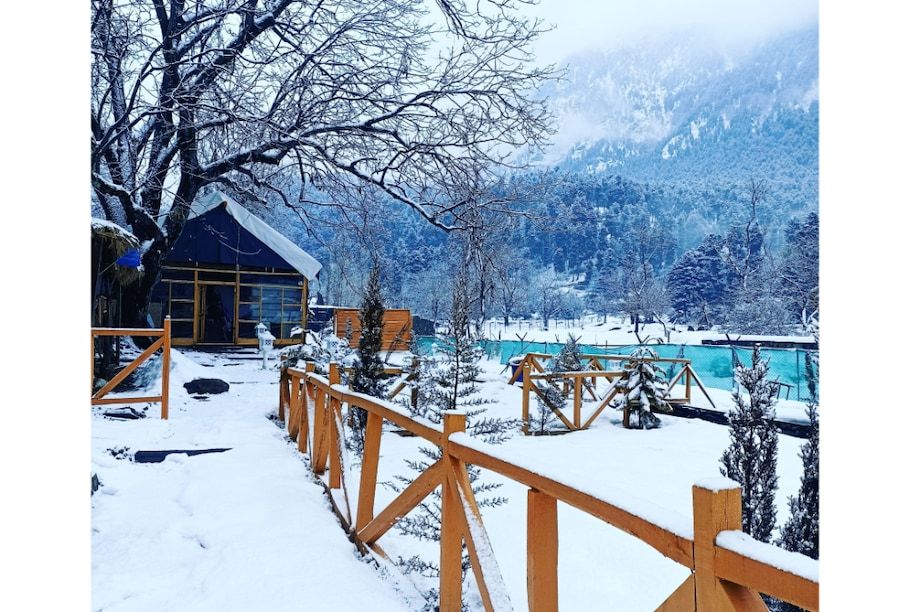
Autumn, running from September through November, is one of the most scenic periods in the valley. The foliage of walnut trees and surrounding forests shifts into vibrant tones of amber and gold, and farmers can be seen harvesting and drying crops. Winter brings heavy snowfall and freezing temperatures from December to February. While cold weather makes travel slower and requires preparation for snow, the sight of the stone temple dusted in white against dark evergreen hills is striking.
How to reach Narastan
Narastan is located in south Kashmir and is reached by road from Srinagar or nearby towns in Pulwama district. Srinagar Airport is the closest air terminal, located roughly two to two and a half hours away by road under standard traffic conditions. Taxis can be hired at the airport or in central Srinagar to take you directly through Awantipora and Tral to Narastan.
If you are using public or shared transport, you can take a shared taxi or bus along the main highway to Awantipora or Tral town. From Tral, local shared taxis and private cabs commute along the rural roads heading to Narastan village. The nearest broad-gauge railway stations outside the valley are Jammu Tawi and Udhampur, while local passenger trains stop at Awantipora station on the regional railway line connecting Banihal to Srinagar and Baramulla.
Where to stay in Narastan
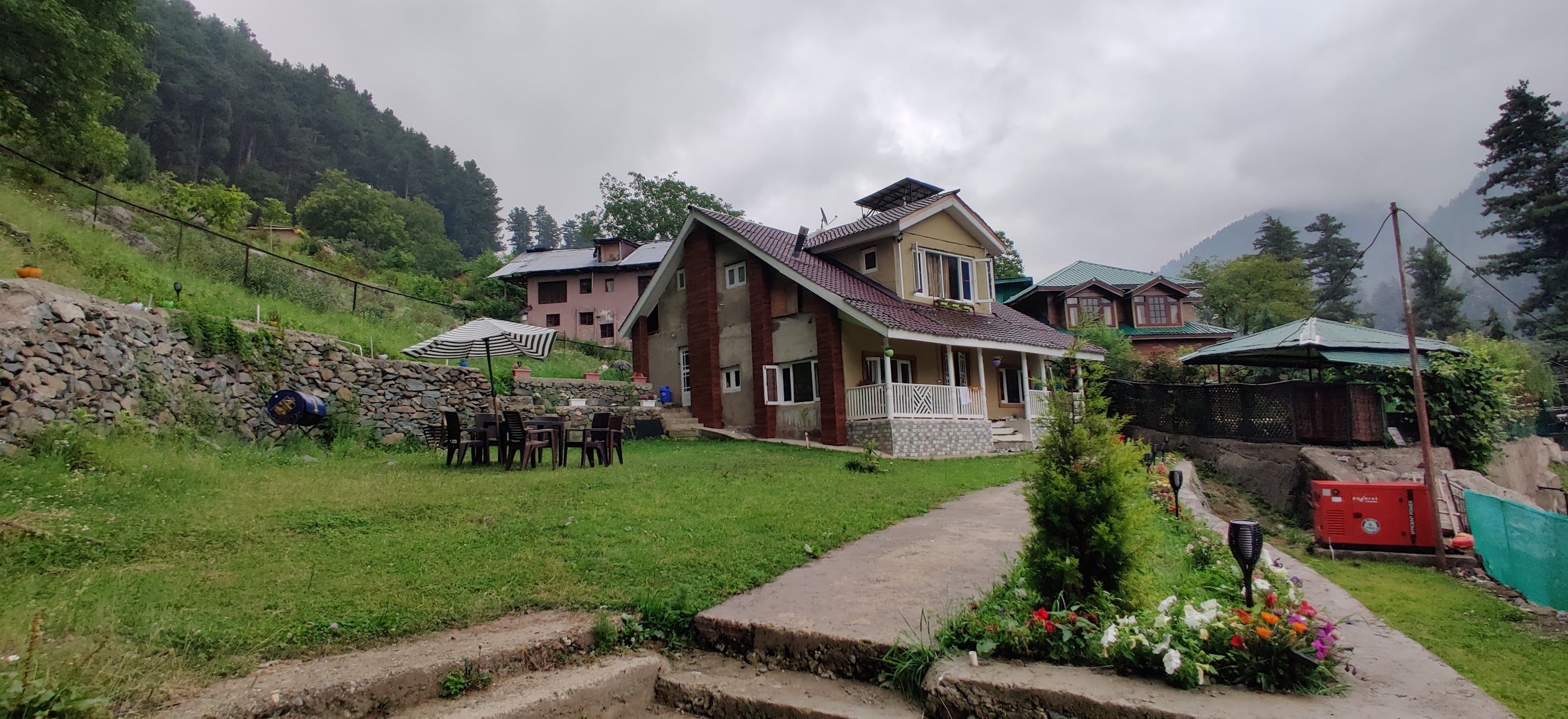
Accommodations right in Narastan are simple and limited, focusing primarily on traditional homestay arrangements where guests can stay with local hosts. Staying in a village homestay allows travellers to enjoy home-cooked Kashmiri food, relax in traditional carpeted rooms, and learn directly about local customs and seasonal life.
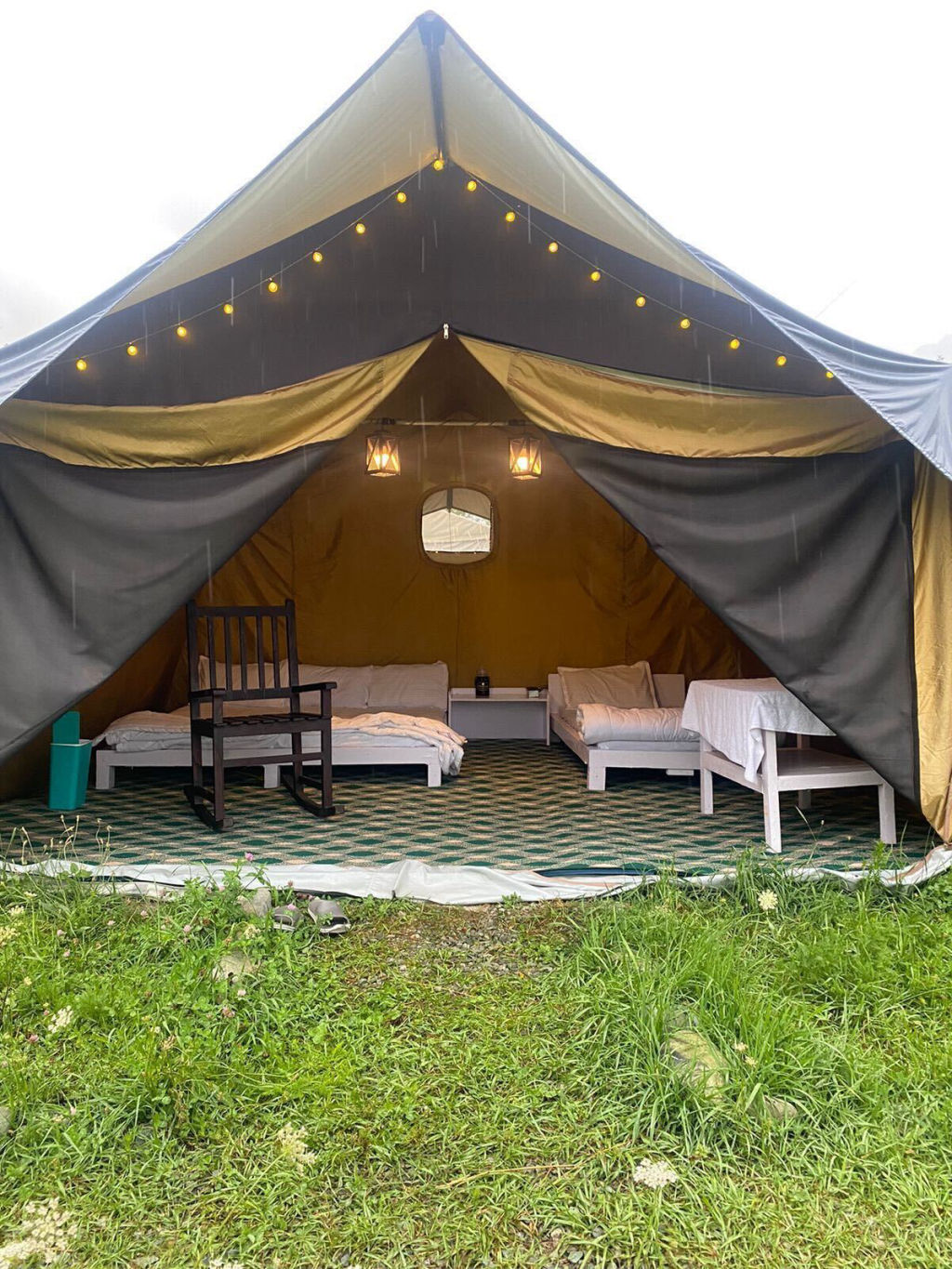
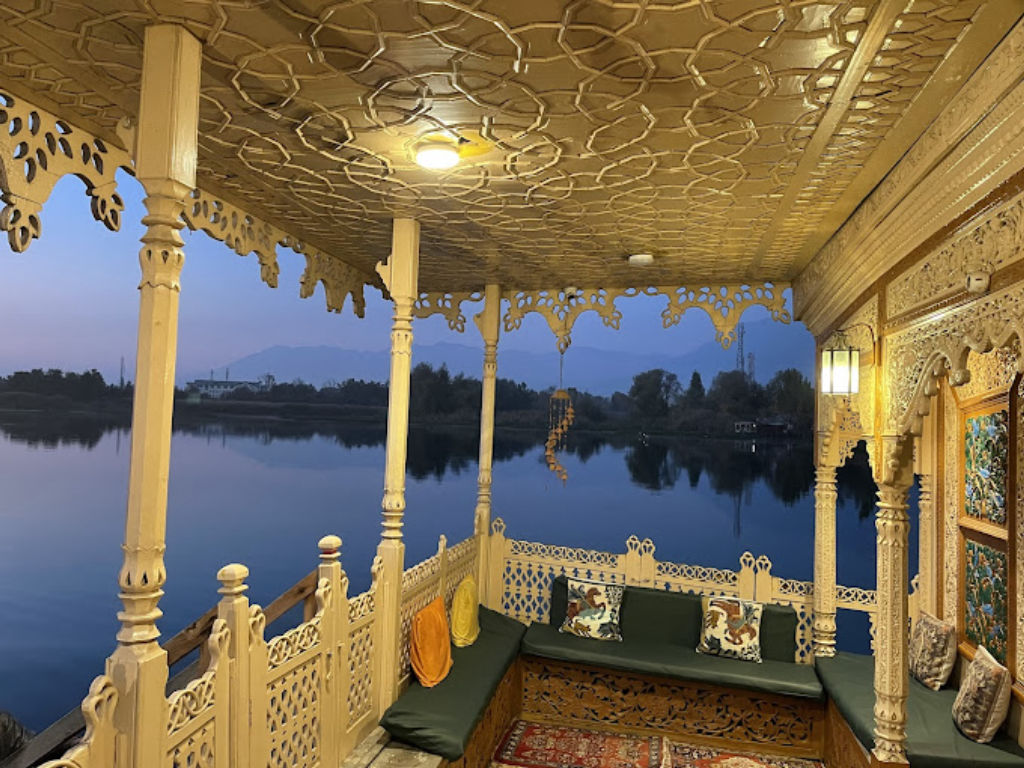
For travellers seeking curated stays, wilderness campsites, and characterful homestays in the Tral valley and surrounding parts of south Kashmir, options can be found on HireACamp. Booking a stay nearby serves as a peaceful base to explore the temple ruins, local trails, and nearby nature sites at your own pace.
Frequently asked questions
What is Narastan known for?
Narastan is primarily known for its remarkably preserved eighth-century stone temple, traditional walnut orchards, and scenic location in the Himalayan foothills of Tral.
Where is Narastan located?
Narastan is a village situated in the Tral sub-district of Pulwama district in Jammu and Kashmir, India.
Can you go trekking from Narastan?
Yes, trails lead from the village up into pine forests, seasonal pastoral meadows, and toward alpine lakes like Sorus Nag, though local guidance is recommended.
How do you reach Narastan from Srinagar?
You can reach Narastan from Srinagar by driving through Awantipora and Tral, a journey of approximately two to two and a half hours by private vehicle or taxi.
What is the best time to visit Narastan?
The best time to visit is between April and October, when the weather is mild, orchards are in bloom or fruit, and walking trails are easy to access.
Where you'll be
4 stays nearby shown with prices
Stays near Narastan
Book a place to stay close by
Things to do in Narastan
48 places creators recommend within 30 km
Built from 0 Instagram posts by 0 creators. Every tip links back to the post it came from, and where creators disagree we show both sides.






