
Marsar Lake
Lake near Narastan, Jammu and Kashmir
10 km from Narastan
The nearest town, for stays, food and fuel.
Marsar Lake is a pristine high-altitude alpine lake nestled deep in the mountain ranges of Jammu and Kashmir. Often spoken of alongside its twin, Tarsar Lake, it is renowned for its striking blue waters, frequent blankets of rolling mist, and dramatic glacial surroundings. Hikers and nature lovers venture here to experience one of the most untouched alpine wilderness areas in the Kashmir Valley.
Getting there
By road
- From NarastanNearest town26 min · 8.5 km
Typical drive times without traffic. Stations and airports from OLA Maps; distances and typical drive times from OpenStreetMap (© OpenStreetMap contributors); notes from creators' Reels.
About Marsar Lake
Written with AI from map data and general knowledge. Check prices and timings locally before you go.
About Marsar Lake
Perched high in the Kashmiri wilderness, Marsar Lake sits enclosed by steep ridges and dramatic mountain peaks. Along with nearby Tarsar Lake, it forms one of the most iconic natural twin-lake systems in the region. Unlike lower-elevation lakes, Marsar remains largely isolated from road networks and modern development, preserving an atmosphere of pure, undisturbed alpine beauty.
The lake is oligotrophic, holding crystal-clear meltwater fed directly by surrounding snowfields and glacial sheets. A fascinating characteristic of Marsar Lake is the unpredictable weather that surrounds it; dense clouds and mist frequently gather above its surface, only to part minutes later and reveal the deep aquamarine water beneath. Its northern banks overlook the protected wilderness of Dachigam, making it an ecologically sensitive and revered natural sanctuary.
Trekking to Marsar Lake
Reaching Marsar Lake is an adventure undertaken on foot, as there are no motorable tracks leading directly to the water's edge. The journey forms part of the renowned Tarsar Marsar trail network, which commonly commences from the picturesque village of Aru near Pahalgam or ascends via valleys around Tral and Nagberan. Trekkers cross vast emerald meadows carpeted with wild alpine blooms, clear mountain brooks, and high mountain passes.
The final ascent toward the lake ridge presents steep, boulder-strewn terrain that demands steady footing and reasonable physical fitness. Standing on the high pass overlooking Marsar Lake rewards hikers with panoramic views of both the water body below and the jagged peaks reaching toward the horizon. Because direct access down to the shoreline is steep and protected for watershed conservation, visitors often take in the scenery from the vantage points along the surrounding mountain crests.
Read more
Best time to visit
The window for visiting Marsar Lake is tightly linked to the high-altitude seasons of Jammu and Kashmir. The ideal period begins in early July and lasts through mid-September. By July, winter snow has melted sufficiently along the passes, unveiling lush green pastures, gushing streams, and vibrant wildflower patches. The daytime temperatures during midsummer are comfortable for walking, though nights remain chilly.
From late September onward, the air turns sharply cold, and early snowfall can quickly block trails and high passes. Throughout winter and spring, Marsar Lake is frozen over and blanketed under heavy snow, rendering the approach inaccessible to ordinary hikers. Those planning a trip should monitor weather forecasts closely, as mountain weather can shift rapidly even during the height of summer.
Landscape and wildlife around Marsar
The environment surrounding Marsar Lake represents typical upper-Himalayan ecology. Vast rolling pastures known locally as margs dominate the middle elevations, providing seasonal grazing grounds for the herds of nomadic Gujjar and Bakarwal shepherds. As you climb closer to Marsar, tree lines recede entirely, leaving behind stunted alpine shrubs, lichens, and mosses clinging to granite rocks.
The lake sits on the higher edges of the Dachhigam Forest basin, which is home to rare and threatened Himalayan fauna. While large mammals such as the Kashmir stag or Himalayan black bear generally roam the lower, densely forested valleys, the high crags around Marsar are inhabited by golden eagles, Himalayan marmots, and mountain voles. The absolute quiet of the basin allows visitors to listen to the natural sounds of falling water, rushing winds, and the occasional call of high-altitude raptors.
Tips for your visit
Trekking to Marsar Lake requires careful preparation and physical endurance. Before embarking on the trail, spend at least a couple of days in Srinagar or another base village to acclimatize to the higher altitudes of the region. Mountain sickness can impact even fit travellers if elevation gains are taken too quickly.
Weather conditions in the mountains can change from sunny skies to chilly downpours within an hour. Carry durable waterproof jackets, warm insulating layers, thermal innerwear, and a sturdy pair of broken-in trekking boots with good ankle support. Bring personal water bottles with purification tablets or filters to drink safely from mountain springs.
Because Marsar Lake is an untouched freshwater reserve and a critical source of drinking water for downstream valleys, practicing Leave No Trace principles is vital. Pack out every scrap of waste you bring in, avoid washing with soap near the water, and refrain from disturbing local wildlife or alpine vegetation.
Places to visit nearby
The journey to Marsar Lake naturally connects you to several other scenic highlights in Jammu and Kashmir. Its sister lake, Tarsar, is located just across the mountain divide and is famous for camping on its emerald shoreline. The sprawling Nagberan valley and the Aripal Springs in the Tral area offer calm, forested settings ideal for exploring rural Kashmiri life.
Closer to Srinagar, the historic Mughal gardens, including Nishat Bagh, Shalamar Bagh, and Harwan Garden, provide gentle, picturesque walks against the backdrop of the Zabarwan Range. Outdoor enthusiasts can also set their sights on Mahadev Peak, a towering summit visible across the valley that offers another challenging day trek for dedicated hikers.
Where to stay
During the trek to Marsar Lake, accommodation consists entirely of wilderness camping along designated meadow campsites such as those near Tarsar Lake or the surrounding valleys. Trekkers must carry alpine tents, sleeping bags rated for freezing temperatures, and cooking supplies, or travel with a supported expedition team.
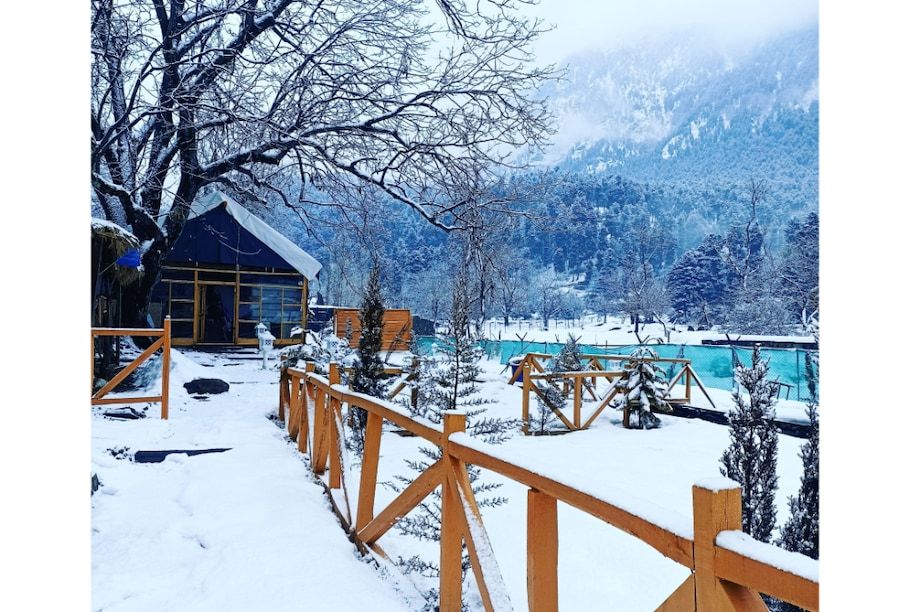
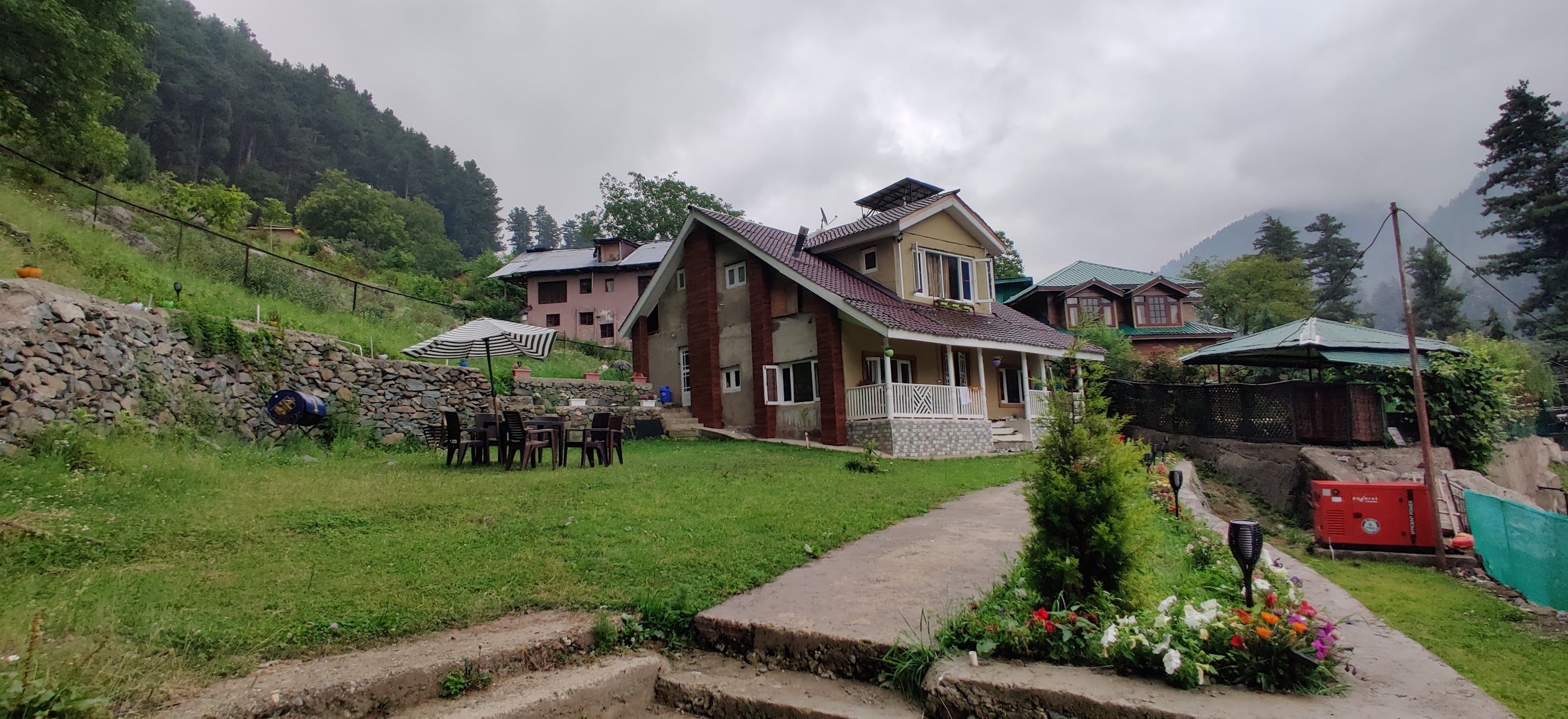
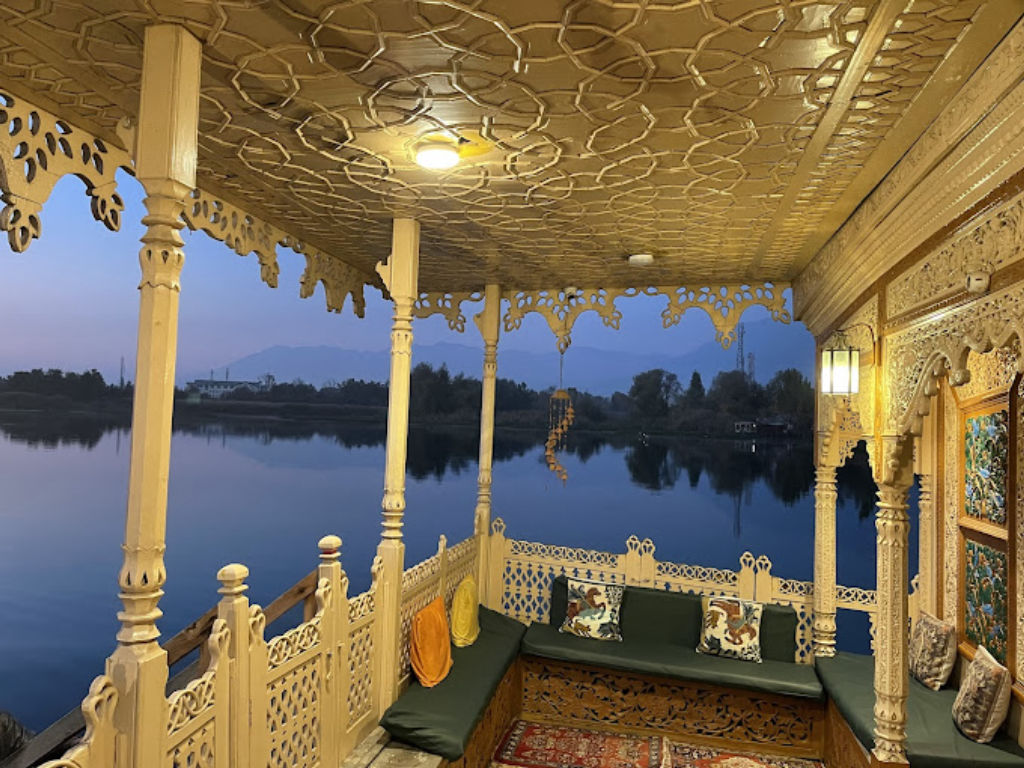
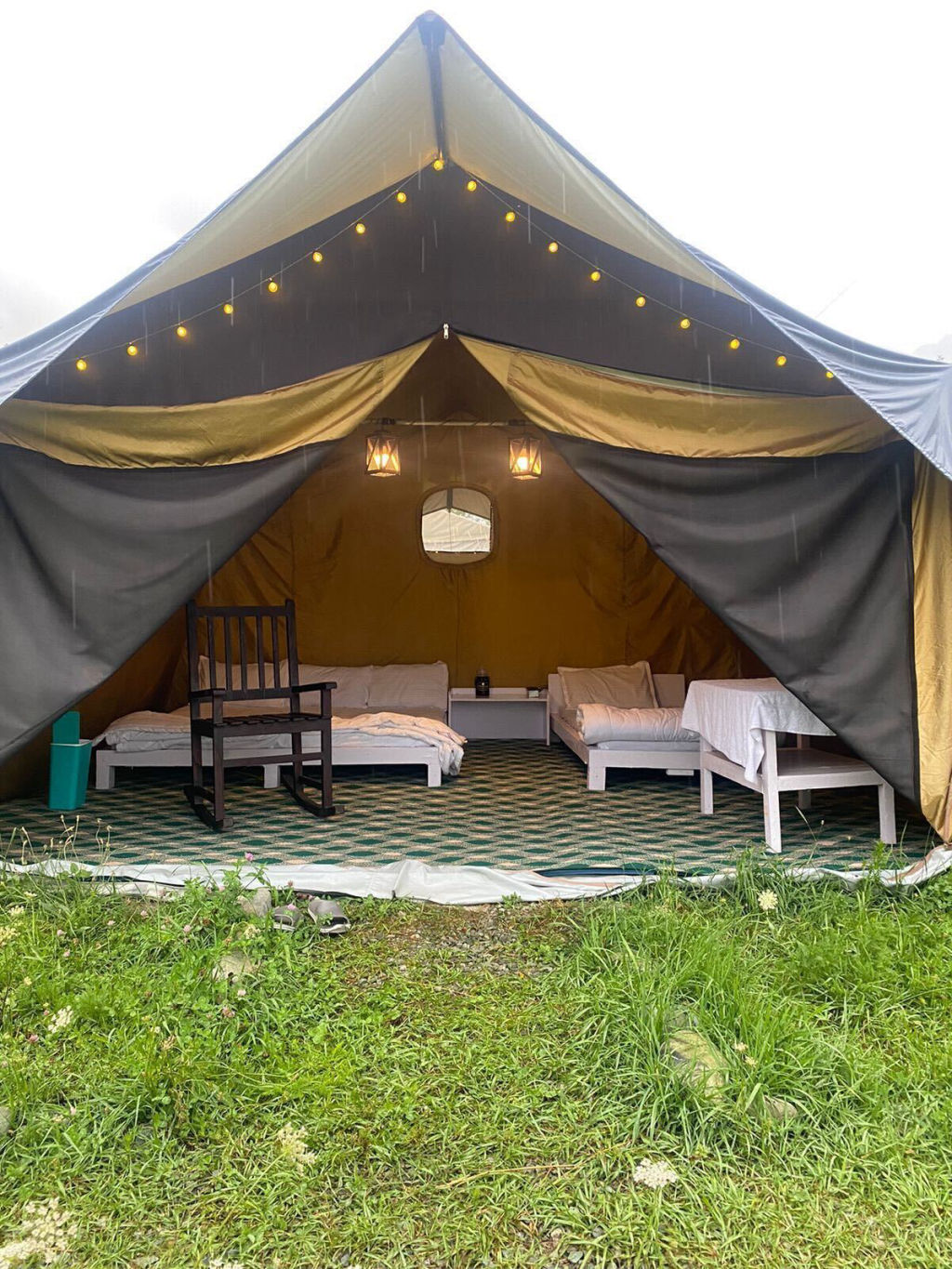
Before and after the trek, the best places to base yourself are Srinagar or the smaller gateway villages along the mountain approaches. You can discover comfortable homestays, traditional guesthouses, and scenic outdoor getaways across the Kashmir Valley on HireACamp to rest and recharge around your trek.
Frequently asked questions
Where is Marsar Lake located?
Marsar Lake is an alpine lake situated in the high mountains of Jammu and Kashmir, bordering the Dachigam basin near Srinagar and Pahalgam.
Can I reach Marsar Lake by car or bike?
No, there are no motorable roads to Marsar Lake. Reaching the lake requires a multi-day foot trek through high mountain valleys and passes.
What is the best month to trek to Marsar Lake?
The best time to visit is between July and mid-September when mountain passes are clear of deep snow and alpine meadows are in full bloom.
Is Marsar Lake suitable for beginner hikers?
The trek to Marsar Lake involves steady elevation gains, rocky terrain, and variable high-altitude weather, making it best suited for individuals with moderate fitness and some prior hiking experience.
Where can I find accommodation for a trip to Marsar Lake?
On the trail, accommodation is limited to wilderness camping, while homestays, guesthouses, and camps in nearby bases like Srinagar can be booked on HireACamp.
Where you'll be
Srinagar · 4 stays nearby shown with prices
Stays near Marsar Lake
Book a place to stay close by
More places near Marsar Lake
Within 20 km
Built from 0 Instagram posts by 0 creators. Every tip links back to the post it came from, and where creators disagree we show both sides.






