
Multhan
Destination in Himachal Pradesh
Multhan is a tranquil mountain settlement located along the Uhl River in the Kangra district of Himachal Pradesh, right across the bridge from Barot. Surrounded by dense deodar and pine woodlands, it serves as the administrative gateway to the traditional Chhota Bhangal valley. Travellers visit Multhan to experience peaceful riverside walks, rural village culture, angling, and scenic day hikes into the Dhauladhar foothills.
Getting there
By road
- From Chandigarh5 hr 10 min · 220 km
- From Ludhiana5 hr 45 min · 261 km
- From Amritsar6 hr 35 min · 303 km
- From Dehradun8 hr 40 min · 413 km
Typical drive times without traffic. Stations and airports from OLA Maps; distances and typical drive times from OpenStreetMap (© OpenStreetMap contributors); notes from creators' Reels.
About Multhan
Written with AI from map data and general knowledge. Check prices and timings locally before you go.
Understanding Multhan and Chhota Bhangal
Multhan is a peaceful mountain settlement in the Kangra district of Himachal Pradesh, situated along the banks of the Uhl River in the upper reaches of the Chhota Bhangal valley. It sits immediately adjacent to Barot, connected by bridges that span the river boundary between Kangra and Mandi districts. While travellers frequently refer to the entire valley basin by the name of Barot, Multhan serves as the administrative hub for the surrounding villages of Chhota Bhangal.
The town rests in an amphitheatre of forested slopes, dominated by tall deodar, pine, and oak trees. Terraced agricultural fields step down the hillsides toward cold mountain streams. Life in Multhan moves at a deliberate, unhurried pace shaped by seasonal farming, traditional wood-and-stone architecture, and mountain folklore. It attracts visitors looking to escape congested highway corridors in favour of forest trails, riverbank paths, and genuine village hospitality.
Things to do in Multhan
A visit to Multhan centres on outdoor activity and rural life. The river valley offers quiet stretches of bank where travellers can sit by the clear mountain water or walk through village paths bordered by apple orchards and vegetable patches. The rushing waters of the Uhl and Lambadug rivers define the rhythm of the settlement, providing a peaceful backdrop for unwinding outdoors.
Angling has a long history in the Uhl and Lambadug rivers, which are known for both brown and rainbow trout. Travellers interested in recreational angling can check locally regarding seasonal permits and designated fishing stretches before heading out to the water.
Walking is the most rewarding way to experience the area. Trails radiate out from Multhan toward smaller hamlets nestled higher on the slopes. You can hike up forest trails lined with rhododendrons and wild ferns, listening to the rushing water below and observing birdlife ranging from Himalayan monals to kingfishers. Spending time in the local village squares also provides a glimpse into the traditional lifestyle of the Chhota Bhangal community.
Read more
Places to visit around Multhan
Several natural and cultural points of interest lie within short excursions from Multhan. Just a short journey up the valley lies Lapas Waterfalls, where mountain run-off tumbles down rock faces into clear forest pools, making it a favoured walk for nature enthusiasts seeking scenic photography spots.
The valley is rich in spiritual heritage, with ancient shrines reflecting local deity traditions. Dev Pashakot Mandir, located down the valley, is dedicated to the regional guardian deity and features intricate wooden carvings typical of Himachali craftsmanship. Another notable site is the Simsa Mata Temple, revered across the region and frequented by pilgrims from neighbouring valleys. Nearby shrines like the Mata Banderi Temple and Baba Balakrupi Mandir also form part of the cultural circuit of the foothills.
Each of these spots can be reached through short drives or countryside walks, passing through terraced farmland and dense stands of pine trees along the valley floor.
Day trips and nearby getaways
Multhan serves as an ideal base for exploring the wider Dhauladhar foothills. Crossing the river directly links you to Barot, known for its historic hydel project infrastructure, reservoir, and scenic river trails that wind deep into the gorge.
Across the higher ridges lies Bir, renowned for paragliding, Tibetan monasteries, and quiet valley pathways. While the aerial distance across the mountains is modest, road connections link Multhan down through Ghatasani and the Mandi-Pathankot highway towards Bir and Billing. This makes it possible to combine a peaceful stay in the forested depths of Multhan with excursions to the vibrant paragliding hub on the other side of the ridge.
Trekking routes also lead from the Chhota Bhangal valley into neighbouring areas, including trails that wind over high passes toward Kullu or cross alpine meadows toward Billing. These routes require proper preparation, local guides, and awareness of weather conditions.
Best time to visit Multhan
Multhan experiences a temperate mountain climate with four distinct seasons. Spring and summer, spanning from late March through June, bring comfortable daytime temperatures and blooming wildflowers. This is the most popular time for walking, riverside outings, and exploring the surrounding nature trails without the hindrance of extreme cold.
The monsoon arrives in July and extends through August. During this period, the valley turns vibrant green, and waterfalls flow with full force. However, rain brings a heightened risk of landslides, road closures, and swollen river channels in the narrow valley, so travellers should check road conditions before undertaking the journey.
Autumn, from September to November, is widely regarded as one of the best times to visit Multhan. Skies clear up after the rains, offering panoramic views of the forested ridges and crisp, cool weather. Winter sets in from December to February, bringing freezing night temperatures, frosty mornings, and occasional snowfall on the surrounding high ridges, making it suited for those who appreciate quiet winter mountain sceneries.
How to reach Multhan
Multhan is accessible by road via the Ghatasani turnoff on the National Highway connecting Mandi and Pathankot. From Ghatasani, a winding mountain road passes through Jhatingri and drops down into the valley toward Multhan and Barot. Buses and taxis ply this route regularly, though personal or hired vehicles are recommended for flexibility.
By rail, the nearest broad-gauge railway station is Pathankot, located approximately four to five hours away by road. A heritage narrow-gauge toy train also operates from Pathankot to Joginder Nagar, the closest railway halt to Multhan. From Joginder Nagar, local taxis and buses make the remaining uphill drive through Ghatasani.
For air travellers, the nearest airport is Kangra Airport at Gaggal near Dharamshala, while Bhuntar Airport in Kullu is another alternative. Both airports connect to major Indian cities, and taxis can be hired from either terminal for the onward road journey to Multhan. Mountain roads can experience delays due to weather, so allow extra travel time.
Where to stay in Multhan
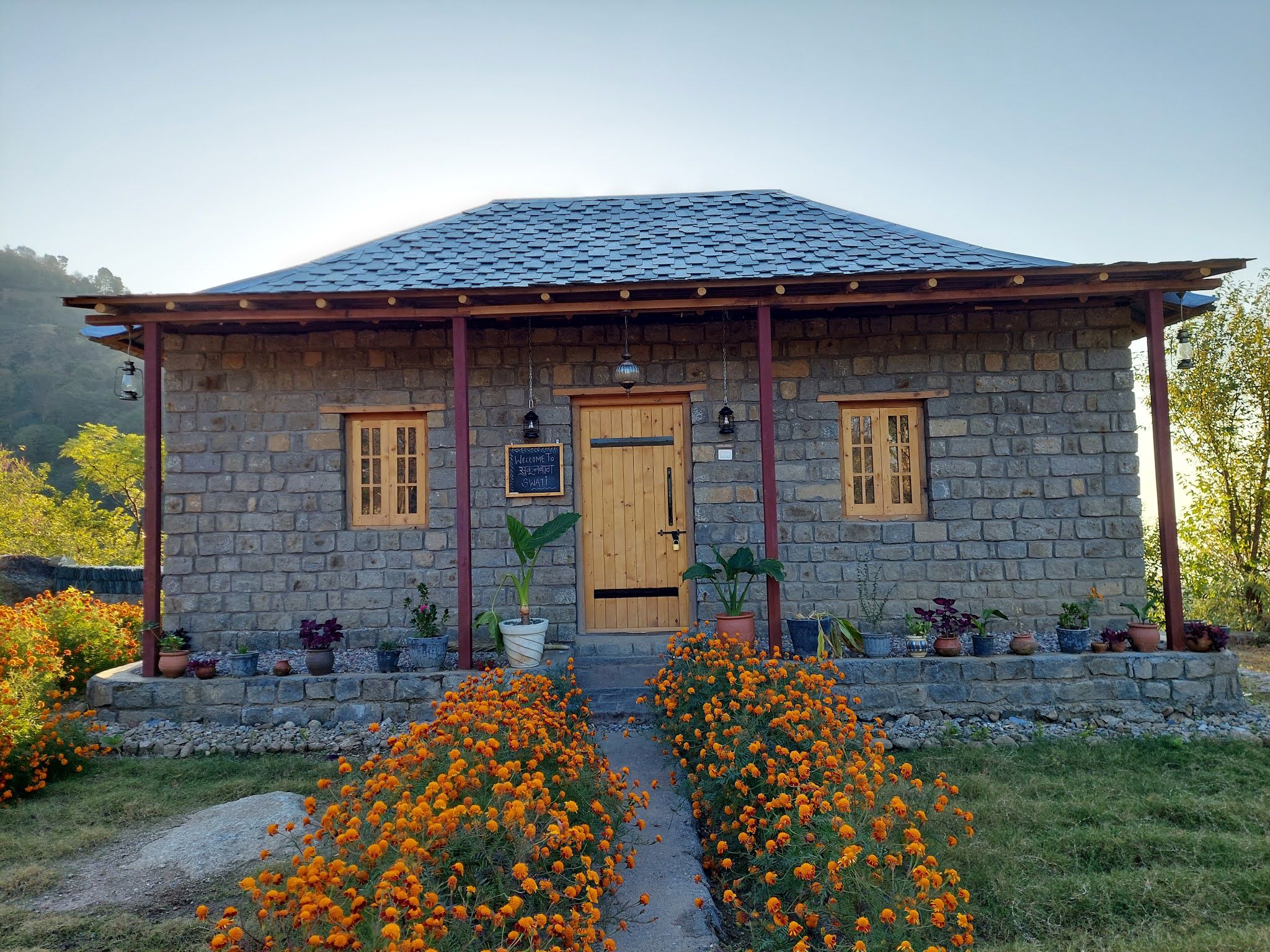
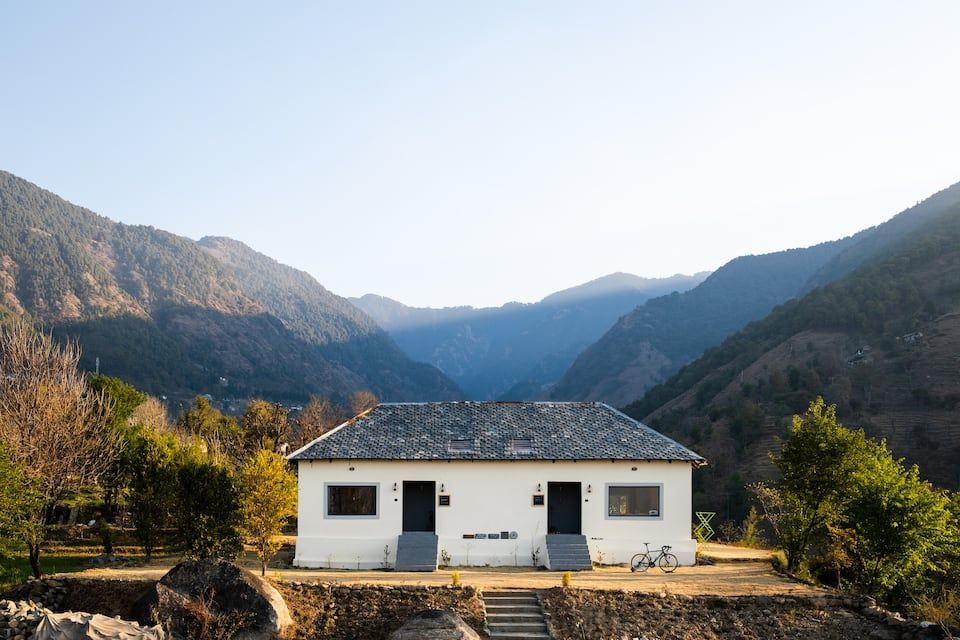
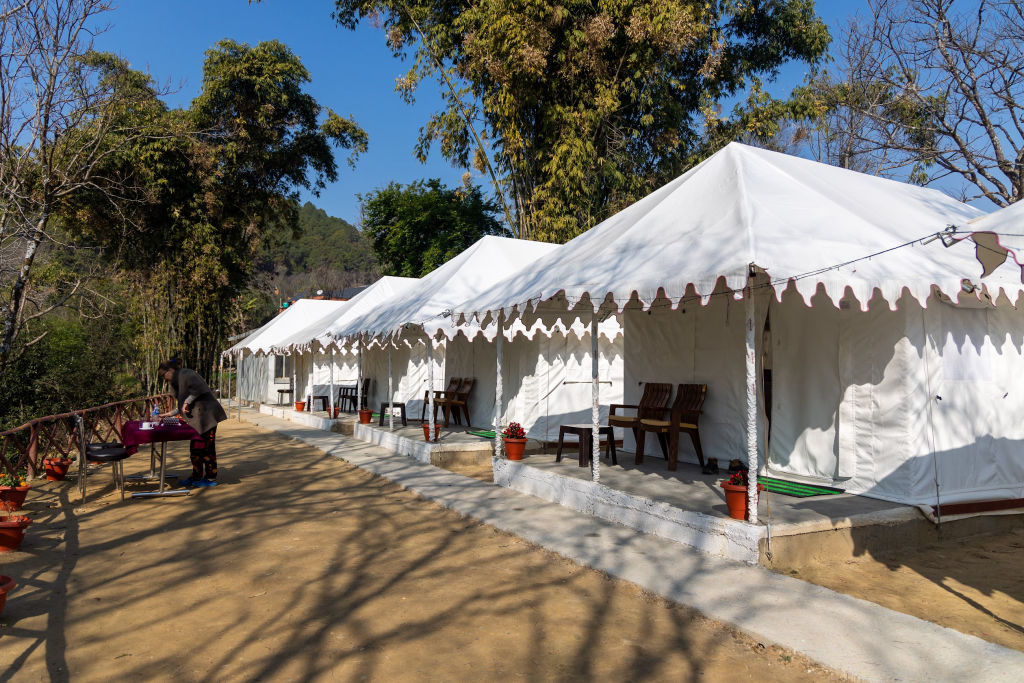
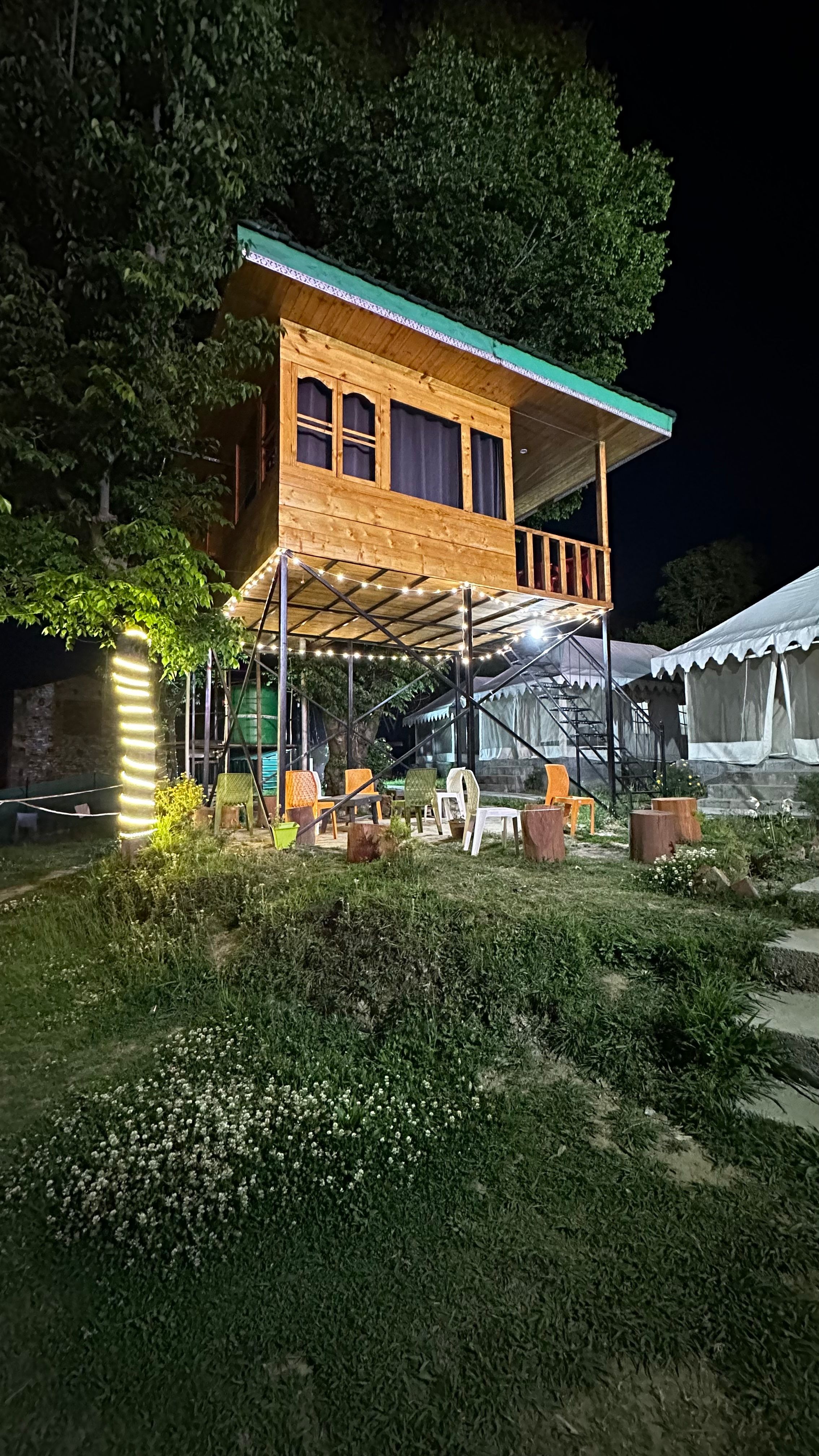
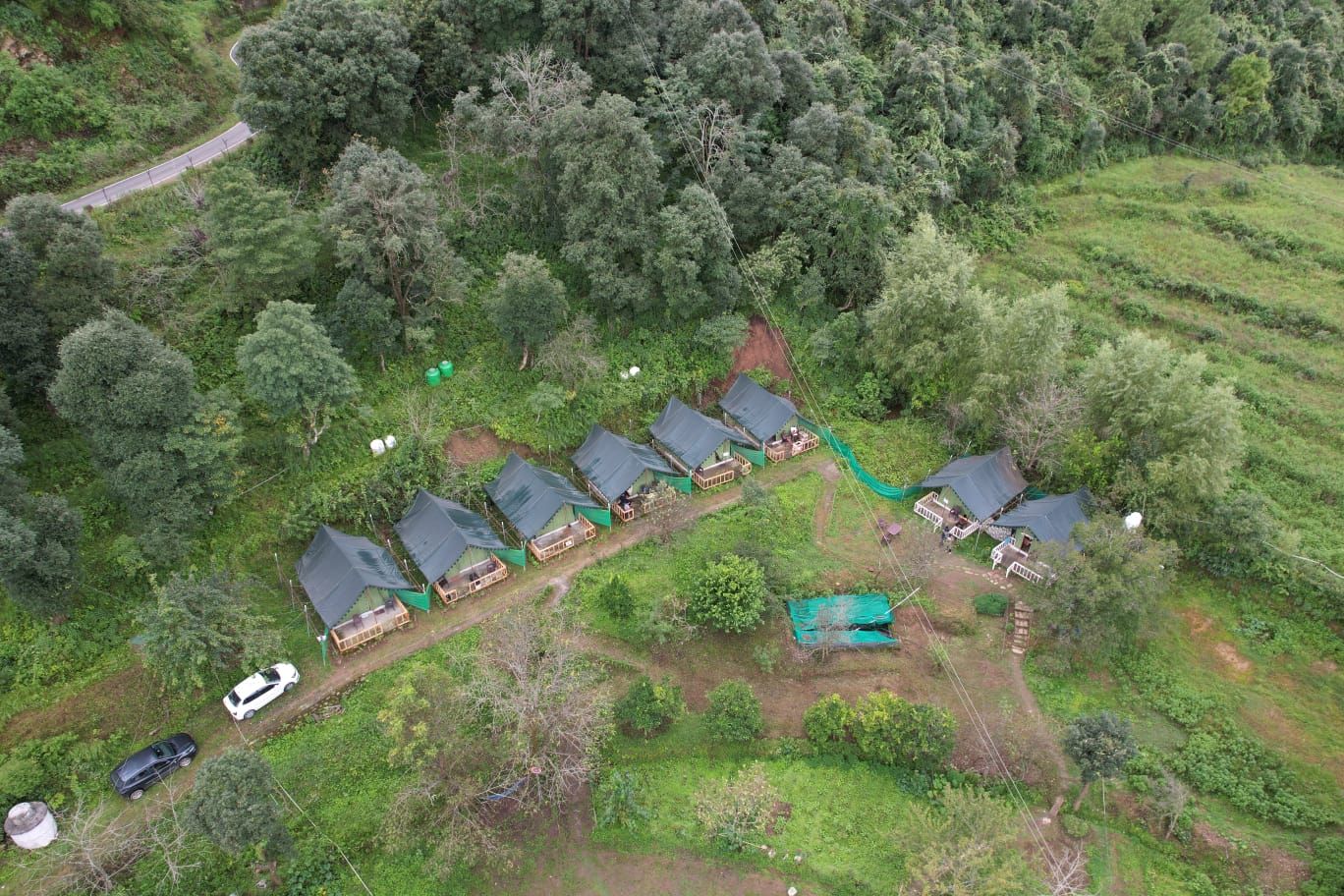
Accommodation in and around Multhan is suited to travellers seeking an authentic, close-to-nature experience. The valley primarily features rustic homestays run by local families, small guesthouses, and designated riverside camping spots set amid orchards and pine woods.
Staying in a village homestay allows you to enjoy traditional Himachali food cooked using regional produce and experience the warmth of local hospitality. For those who want to sleep near running water or wake up to forest birds, camping along approved grounds in the valley is a favourite choice. You can find and book vetted camps, homestays, and outdoor stays around Multhan through HireACamp.
Frequently asked questions
Where is Multhan located?
Multhan is a small town in the Kangra district of Himachal Pradesh, situated in the Chhota Bhangal valley along the banks of the Uhl River, adjacent to Barot.
What is Multhan known for?
Multhan is known as the gateway to the Chhota Bhangal valley, featuring clear mountain streams, trout fishing, scenic hiking trails, and nearby sights like Lapas Waterfalls and Dev Pashakot Mandir.
How are Multhan and Barot related?
Multhan and Barot lie directly across the Uhl River from each other, connected by bridges. Multhan falls under the Kangra district, while Barot falls under the Mandi district.
When is the best time to visit Multhan?
The best months to visit Multhan are from March to June for pleasant weather and from September to November for clear skies and crisp autumn landscapes.
Can I find camping and homestays in Multhan?
Yes, Multhan and the surrounding valley offer family-run homestays and outdoor camping setups by the river, which you can book on HireACamp.
Where you'll be
5 stays nearby shown with prices
Stays near Multhan
Book a place to stay close by
Things to do in Multhan
48 places creators recommend within 30 km

Built from 0 Instagram posts by 0 creators. Every tip links back to the post it came from, and where creators disagree we show both sides.






