
Gangotri Temple
Temple near Gangotri, Uttarakhand
300 m from Gangotri
The nearest town, for stays, food and fuel.
Gangotri Temple is one of the most revered high-altitude pilgrimage destinations in India, located along the banks of the Bhagirathi River in Uttarakhand. Set amidst towering granite peaks and deodar forests, it marks the spiritual source of the sacred River Ganga. Travellers and pilgrims visit Gangotri Temple to experience its rich spiritual lore, alpine vistas, and access to rugged Himalayan trekking routes.
Getting there
By road
- From Dehradun5 hr 20 min · 235 km
- From Chandigarh8 hr 35 min · 427 km
- From New Delhi8 hr 50 min · 465 km
Typical drive times without traffic. Stations and airports from OLA Maps; distances and typical drive times from OpenStreetMap (© OpenStreetMap contributors); notes from creators' Reels.
About Gangotri Temple
Written with AI from map data and general knowledge. Check prices and timings locally before you go.
About Gangotri Temple
Perched at an elevation of over 3,000 metres in the Garhwal Himalayas, Gangotri Temple is an essential anchor of the Chota Char Dham pilgrimage circuit. The temple is dedicated to Goddess Ganga, venerated as the river that descended from the heavens to cleanse the sins of humankind. Constructed from white granite, the shrine overlooks the rushing, turquoise-grey waters of the Bhagirathi River, surrounded by dense stands of cedar and pine, with snow-clad massifs rising dramatically in the backdrop.
While the geographical source of the river is the Gaumukh glacier, situated higher up the valley, Gangotri Temple serves as the spiritual seat and accessible gateway for devotees and trekkers alike. The atmosphere around the temple complex is vibrant yet serene, filled with the continuous roar of mountain water, ringing bells, and cool alpine breezes. Pilgrims gather on the stone ghats along the riverbanks to collect sacred water, offer prayers, and immerse themselves in the quiet intensity of high-mountain devotion.
History and Legends of Gangotri Temple
The mythological roots of Gangotri Temple run deep into ancient Indian lore. According to Hindu mythology, King Bhagiratha underwent intense penance here to bring the celestial river Ganga down to Earth to liberate the souls of his ancestors. To cushion the immense force of the river's descent, Lord Shiva captured Ganga within his matted hair before releasing her into gentler mountain streams. A sacred submerged rock near the temple, known as the Bhagirath Shila, is believed to be the exact spot where the king meditated.
The original stone temple was erected in the early eighteenth century by the Gorkha general Amar Singh Thapa. Over the subsequent decades, the structure underwent restoration and expansion, maintaining its understated white stone facade that contrasts sharply with the rugged mountain cliffs behind it. Every winter, as heavy snowfall blankets the valley, the idol of Goddess Ganga is brought down in a ceremonial procession to the village of Mukhba near Harsil, returning to Gangotri only with the advent of spring.
Read more
Best Time to Visit Gangotri Temple
Due to its high altitude and harsh winter conditions, Gangotri Temple remains accessible to visitors for roughly six months of the year. The temple doors traditionally open on the auspicious day of Akshaya Tritiya in late April or early May and close shortly after Diwali, usually in late October or early November. Outside of this window, road access is frequently blocked by heavy snow, and the settlement remains largely uninhabited.
The summer months of May and June offer pleasant daytime conditions, making it the peak pilgrimage period. Temperatures during the day remain cool and refreshing, though nights are noticeably chilly. Monsoon arrives between July and August, bringing increased risks of landslides, cloudbursts, and roadblocks along the mountain highways. If travelling during the rains, extra caution and flexible schedules are essential. Autumn, spanning September and October, brings crisp air, exceptionally clear skies, and brilliant golden views of the surrounding peaks, making it one of the most scenic periods to plan a trip.
How to Reach Gangotri Temple
Gangotri is accessible by road, situated at the terminus of National Highway 34 in Uttarakhand. The nearest major railheads and airports are located in Rishikesh, Haridwar, and Dehradun. From these foothill hubs, visitors must travel by road through winding mountain corridors via Chamba, Tehri, and Uttarkashi.
The drive from Rishikesh or Dehradun to Gangotri typically requires an overnight break, with Uttarkashi or Harsil serving as common halting points to break up the journey and acclimatise to the altitude. The route passes through the dramatic Bhagirathi River gorge, offering striking transitions from subtropical valleys to pine-scented highlands. Shared jeeps, state transport buses, and private taxis operate regularly between Uttarkashi and Gangotri during the pilgrimage season, though self-driving requires comfort with narrow mountain bends and varying road surfaces.
Places to Visit Around Gangotri
The valley surrounding Gangotri is dotted with striking natural landscapes and historic hamlets. Just nineteen kilometres down the road lies the picturesque Harsil valley, renowned for its sprawling apple orchards, traditional deodar-wood houses, and gentle pine-lined walks along the riverbank. Harsil offers a tranquil, lower-elevation base with milder conditions than Gangotri town.
Further down the highway towards Uttarkashi is Gangnani, celebrated for its natural thermal sulphur springs where travellers stop to bathe in the warm waters. For mountaineers and trekkers, Gangotri serves as the base for the expedition towards Gaumukh glacier, Tapovan, and the soaring peaks of the Bhagirathi and Shivling massifs. Those interested in high-altitude meadows can venture further towards Dayara Bugyal, a sweeping alpine pasture that provides panoramic vistas of snow-capped Himalayan ranges, including the prominent Bandarpunch peak.
Tips for Visiting Gangotri Temple
Planning ahead is vital when visiting a high-altitude Himalayan shrine like Gangotri. Because the temple sits above 3,000 metres, altitude sickness can affect travellers arriving rapidly from the plains. Spending a night at an intermediate elevation such as Uttarkashi or Harsil helps your body adjust comfortably to the thinner air. Drink plenty of water and avoid overexertion during your first day.
Even in the height of summer, warm clothing is necessary. Pack thermal base layers, a fleece, and a reliable windproof or down jacket, as night-time temperatures drop steeply once the sun dips behind the mountain ridges. Cash is essential in Gangotri, as local mobile connectivity can be intermittent and automated teller machines along the upper highway often run dry. If you intend to trek beyond the town into the Gangotri National Park towards Gaumukh, ensure you arrange required forest permits and medical clearances locally beforehand.
Where to Stay near Gangotri Temple
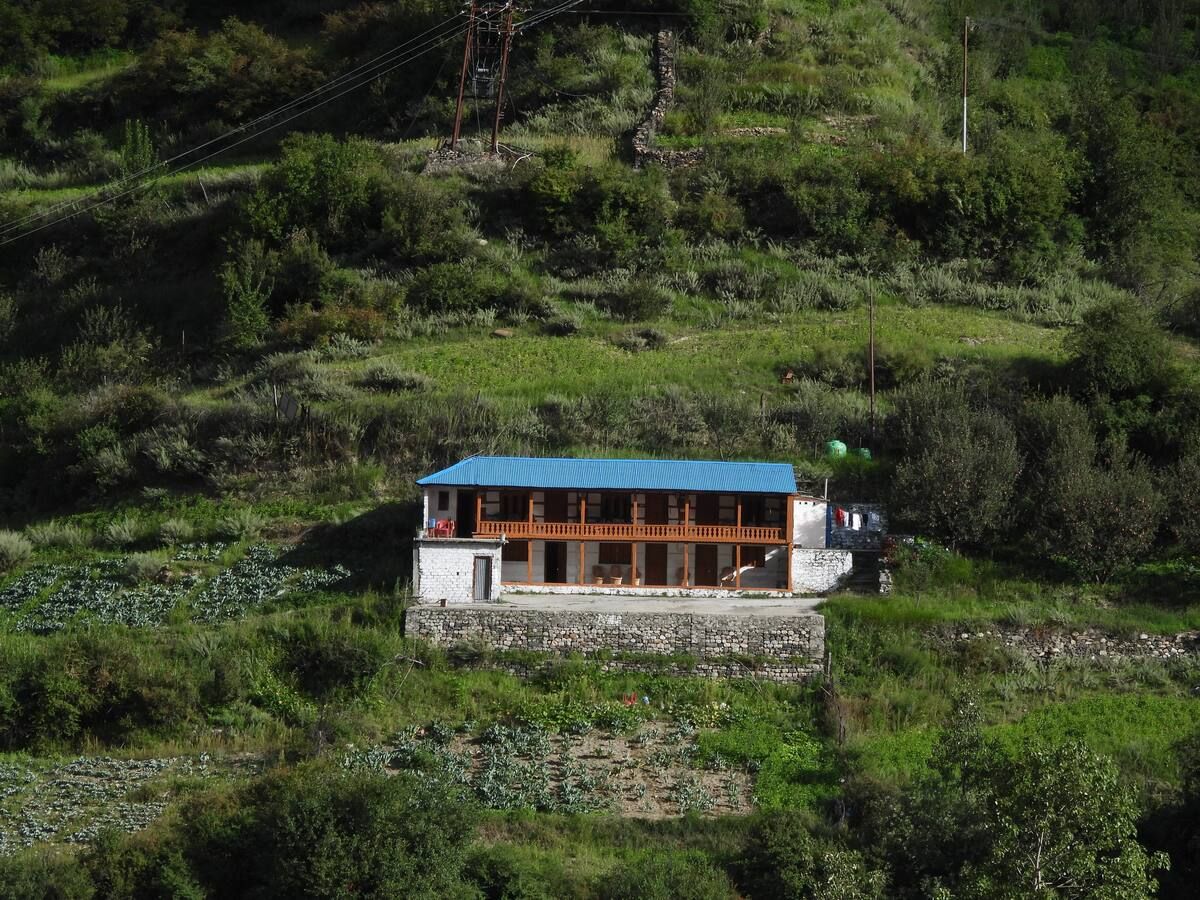
Accommodation directly in Gangotri village consists primarily of modest pilgrim guest houses, dharamsalas, and basic lodges that operate exclusively during the open temple season. Amenities in these high-altitude stays are generally functional and straightforward, suited for travellers seeking proximity to the temple.
For a broader selection of peaceful accommodations, many travellers choose to stay in the nearby Harsil valley, Dharali, or along the banks of the Bhagirathi further downstream. You can discover comfortable homestays, riverside cottages, and scenic tented camps on HireACamp. Staying in these lower villages provides a warmer climate, quieter surroundings, and an authentic taste of local Garhwali mountain hospitality.
Frequently asked questions
When does Gangotri Temple open and close?
The temple opens annually on Akshaya Tritiya, usually in late April or early May, and closes shortly after Diwali in late October or November. During the winter months, heavy snow covers the area, and the deity is worshipped at Mukhba village near Harsil.
Can I drive directly to Gangotri Temple?
Yes, Gangotri is connected by a motorable road that leads right up to the village entry. From the main parking area, the temple complex is a short walk along a paved pedestrian path.
Do I need a permit to visit Gangotri Temple?
Visiting the temple itself does not require an inner line or forest permit, though mandatory pilgrim registration for the Char Dham Yatra is typically enforced by the state government. Permits are only required if you plan to trek beyond the town into Gangotri National Park towards Gaumukh.
What should I wear when visiting Gangotri?
Dress in warm layers, including thermal wear, woollen sweaters, and a windproof jacket, as high-altitude weather changes quickly and evenings are cold year-round. Modest, respectful attire is expected within the sacred temple premises.
How far is Harsil from Gangotri Temple?
Harsil is situated roughly 25 kilometres down the valley by road from Gangotri. It takes about an hour to drive between the two places, making Harsil a popular and comfortable base for visiting the temple.
Where you'll be
Gangotri Village, Gangotri · 1 stay nearby shown with prices
Stays near Gangotri Temple
Book a place to stay close by
More places near Gangotri Temple
Within 20 km

Built from 0 Instagram posts by 0 creators. Every tip links back to the post it came from, and where creators disagree we show both sides.






