
Kedarnath Temple
Temple near Gangotri, Uttarakhand
7.2 km from Gangotri
The nearest town, for stays, food and fuel.
Kedarnath Temple is an ancient and revered Hindu shrine dedicated to Lord Shiva, set amidst the high peaks of the Garhwal Himalayas in Uttarakhand. Perched at an altitude of over three thousand metres near the head of the Mandakini Valley, it forms one of the twelve Jyotirlingas and a vital part of the Char Dham pilgrimage. Travellers and pilgrims make the demanding journey here drawn by deep spiritual devotion, ancient stone architecture, and dramatic views of glaciated mountain walls.
Getting there
By road
- From Dehradun5 hr 20 min · 235 km
- From Chandigarh8 hr 35 min · 427 km
- From New Delhi8 hr 50 min · 465 km
Typical drive times without traffic. Stations and airports from OLA Maps; distances and typical drive times from OpenStreetMap (© OpenStreetMap contributors); notes from creators' Reels.
About Kedarnath Temple
Written with AI from map data and general knowledge. Check prices and timings locally before you go.
About Kedarnath Temple
Kedarnath Temple stands as one of the most sacred pilgrimage sites in India, nestled in the rugged high-altitude terrain of Uttarakhand. According to tradition and historical accounts, the stone temple was established centuries ago, with roots tracing back to the Mahabharata epic and later revitalised by the philosopher Adi Shankaracharya. Built out of massive, intricately carved grey granite slabs, the temple has weathered centuries of intense snowstorms, earthquakes, and flash floods, standing firm against the elements.
The shrine is dedicated to Sadashiva, a manifestation of Lord Shiva, and marks the most prominent of the Panch Kedar temples. Behind the temple complex rises the snow-covered Kedarnath massif and towering Himalayan peaks that dominate the horizon. Pilgrims from across the world undertake the arduous journey on foot, pony, or helicopter to seek blessings in its stone sanctum, where a conical rock formation is worshipped as the presiding deity.
Landscape and Geography around Kedarnath
The landscape surrounding Kedarnath Temple is defined by sheer glacial moraines, alpine meadows, and sheer rock precipices. The temple town sits in a wide glacial amphitheatre fed by melting snow and ice fields. High above the valley floor rise steep ridges that form part of the greater Gangotri and Kedarnath mountain ranges, separating the Mandakini watershed from the Bhagirathi river basin.
Because of its extreme elevation, vegetation around the temple is scarce, consisting primarily of low-growing alpine grasses, mosses, and hardy scrub that flourish briefly during the warmer summer months. Across the high ridgelines lie treacherous mountain passes like Auden's Col and sacred high-altitude lakes such as Kedartal, surrounded by prominent summits like Mount Shivling and Thalay Sagar in the wider mountain group. The raw, wind-swept environment gives the area a profound sense of isolation and grandeur.
Read more
Best Time to Visit Kedarnath Temple
Due to heavy snowfall and extreme winter conditions, Kedarnath Temple remains open to visitors for roughly six months each year, typically from late April or early May until around the festival of Diwali in late autumn. During the winter, the temple deity is ritually moved to Ukhimath for worship as the shrine itself becomes submerged under deep blankets of snow.
May and June offer the most accessible conditions, with daytime temperatures remaining pleasant, though nights are invariably cold. The monsoon season during July and August brings substantial rain across Uttarakhand, which can cause landslides along mountain roads and make the steep walking trail slippery; travellers visiting during this period must prepare for weather delays. September and October are often considered ideal for crystal-clear mountain vistas and stable weather, although temperatures drop noticeably as winter approaches. Warm layers and windproof outerwear are indispensable regardless of the month you choose to visit.
How to Reach Kedarnath Temple
Reaching Kedarnath Temple involves a scenic overland drive followed by a long foot trek through mountain terrain. Travellers typically start their journey from major gateway cities in Uttarakhand such as Haridwar, Rishikesh, or Dehradun, which are well connected to other parts of the country by train, road, and air. From these transit hubs, roads follow river valleys through towns like Devprayag, Srinagar, and Rudraprayag, winding up towards the motorable roadhead at Gaurikund.
From Gaurikund, the ascent to Kedarnath Temple spans a rigorous mountain path of roughly sixteen to eighteen kilometres along the roaring Mandakini river. Pilgrims navigate this steep trail on foot, while options such as mules, palanquins, and pony services are also arranged locally. For those unable to walk the trail, seasonal helicopter shuttle services operate from designated helipads in the lower valley, subject to clear weather. Planning ample travel time is essential, as high mountain roads can be subject to delays from weather and traffic.
Places to Explore in the Region
While Kedarnath Temple is the spiritual focal point of the area, the broader high-altitude region holds numerous natural and cultural landmarks for enthusiastic travellers. Just a short climb above the main temple sits the Bhairavnath Temple, perched on an exposed ridge offering sweeping views back across the Kedarnath valley. Legend holds Bhairavnath as the guardian deity of the valley during the months when snow isolates the shrine.
Further across the mountain range, adventurous trekkers explore iconic landscapes such as Kedartal, a glacial lake resting under the shadow of Thalay Sagar and the Bhrigupanth peaks, as well as the famed Gomukh Tapovan route within the Gangotri National Park. While many of these high-altitude passes and trails require serious mountaineering preparation and local permits, lower mountain villages and river confluences along the pilgrimage corridors offer tranquil walking trails, historic shrines, and memorable glimpses into Garhwali mountain culture.
Tips for Planning Your Visit
A journey to Kedarnath requires thoughtful physical and logistical preparation due to the altitude and volatile mountain climate. Visitors should allow adequate time to acclimatise in lower valley towns before attempting the steep ascent, as altitude sickness can affect anyone regardless of fitness. Staying well hydrated, resting frequently along the trail, and avoiding rapid ascents will make the trek far safer and more comfortable.
Packing practical clothing is critical. Ensure you bring thermal innerwear, a windproof and water-resistant outer jacket, sturdy broken-in hiking boots, a walking pole, and personal medical supplies. Rain covers for daypacks are essential, as alpine showers can roll in without warning. Since cellular connectivity can be patchy and local automated teller machines are limited in high mountain settlements, it is wise to carry adequate cash and complete required administrative pilgrimage registrations well before starting your trek.
Where to Stay around Kedarnath
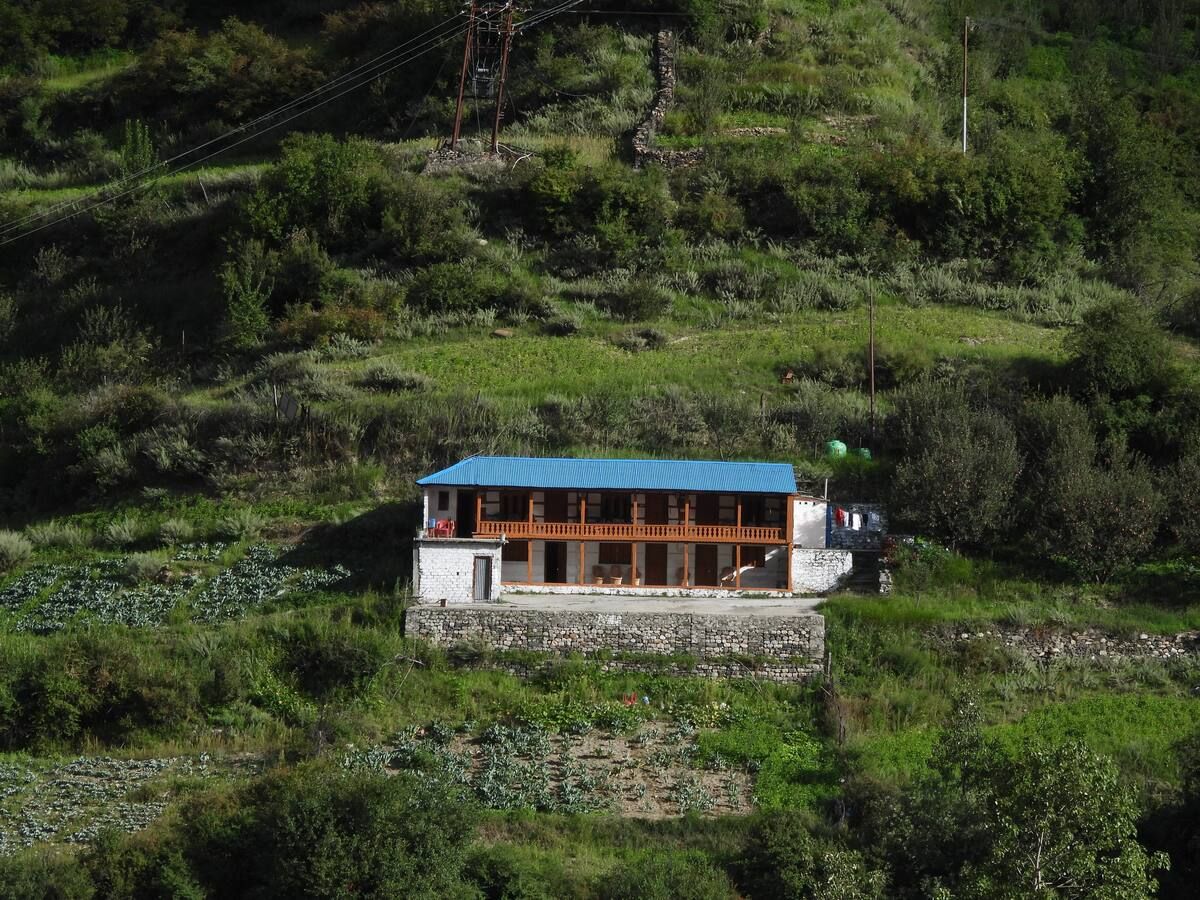
Accommodation around Kedarnath Temple ranges from basic pilgrim guest shelters and tent colonies near the shrine to varied homestays, local lodges, and camping sites scattered throughout the approach valley. Because bed capacity directly at Kedarnath can fill up rapidly during the peak pilgrimage window, many visitors opt to stay in the base settlements lower down the valley, such as Guptkashi, Phata, Sonprayag, or near Gaurikund, before starting their climb early the following morning.
For travellers seeking nature-focused stays, scenic riverside camps, and welcoming regional homestays across the valleys leading up to the shrine, you can discover a wide selection of handpicked stays on HireACamp. Booking your stay well in advance is strongly recommended, especially if you intend to travel during the festive peak months of May, June, or October.
Frequently asked questions
When does Kedarnath Temple open and close each year?
Kedarnath Temple generally opens for pilgrims in late April or early May on the auspicious occasion of Akshaya Tritiya and closes around Bhai Dooj, shortly after Diwali in October or November, when winter snows set in.
How difficult is the trek to Kedarnath Temple?
The trek from the roadhead at Gaurikund to Kedarnath covers roughly sixteen kilometres along a steep and continuous uphill gradient. It requires moderate to good cardiovascular fitness, and walkers should take regular breaks to prevent high-altitude fatigue.
Do I need to register before visiting Kedarnath?
Yes, mandatory biometric or online registration is required by the state authorities for all pilgrims and travellers visiting the Char Dham temples, including Kedarnath. Visitors should complete the process through the official government portal before departure.
Is Kedarnath Temple accessible during the winter months?
No, the temple itself is closed throughout the winter due to heavy snow and sub-zero temperatures. During this season, the representative idol of Lord Shiva is taken down to the Omkareshwar Temple in Ukhimath, where prayers continue until the following spring.
What kind of clothing should I pack for Kedarnath?
You should pack warm thermal layers, fleece jackets, a windproof and waterproof outer layer, gloves, and a woollen cap, as temperatures at the temple are cold even during peak summer. Sturdy walking shoes with reliable traction are essential for the trail.
Where you'll be
Kedarnath · 1 stay nearby shown with prices
Stays near Kedarnath Temple
Book a place to stay close by
More places near Kedarnath Temple
Within 20 km
Built from 0 Instagram posts by 0 creators. Every tip links back to the post it came from, and where creators disagree we show both sides.






