
Harsil valley
Valley near Harsil, Uttarakhand
1 post · 1 sourced tip
Guide from 1 post by 1 creator
@penguin_farrar
Hidden gem
Far fewer reviews than places like it nearby, yet creators keep finding it.
1.1 km from Harsil
The nearest town, for stays, food and fuel.
Harsil Valley Travel Guide
Essential road travel information for reaching Harsil Valley based on creator reports.
Good to know
Tips from creators' posts. Each one links to its source.
Getting There
Driving to Harsil Valley from Delhi covers approximately 470 km and takes around 11 to 12 hours.
Reported by @penguin_farrarSource
Getting there
By road
- From HarsilNearest town5 min · 2.6 km
- From Dehradun7 hr 40 min · 218 km
- From New Delhi11 hr 5 min · 444 km
- From Chandigarh11 hr 15 min · 385 km
By train, bus or air
- Bus StandNearest bus stand1 hr · 75 km
Typical drive times without traffic. Stations and airports from OLA Maps; distances and typical drive times from OLA Maps and OpenStreetMap (© OpenStreetMap contributors); notes from creators' Reels.
About Harsil valley
Written with AI from creators' posts and map data. Check prices and timings locally before you go.
About Harsil Valley
Harsil Valley rests in the upper reaches of the Garhwal Himalayas in Uttarakhand, positioned along the highway connecting Uttarkashi to the pilgrimage site of Gangotri. For decades, it was known primarily as a tranquil rest stop for pilgrims heading to the holy shrine, but its pastoral scenery and calm setting have made it a destination in its own right.
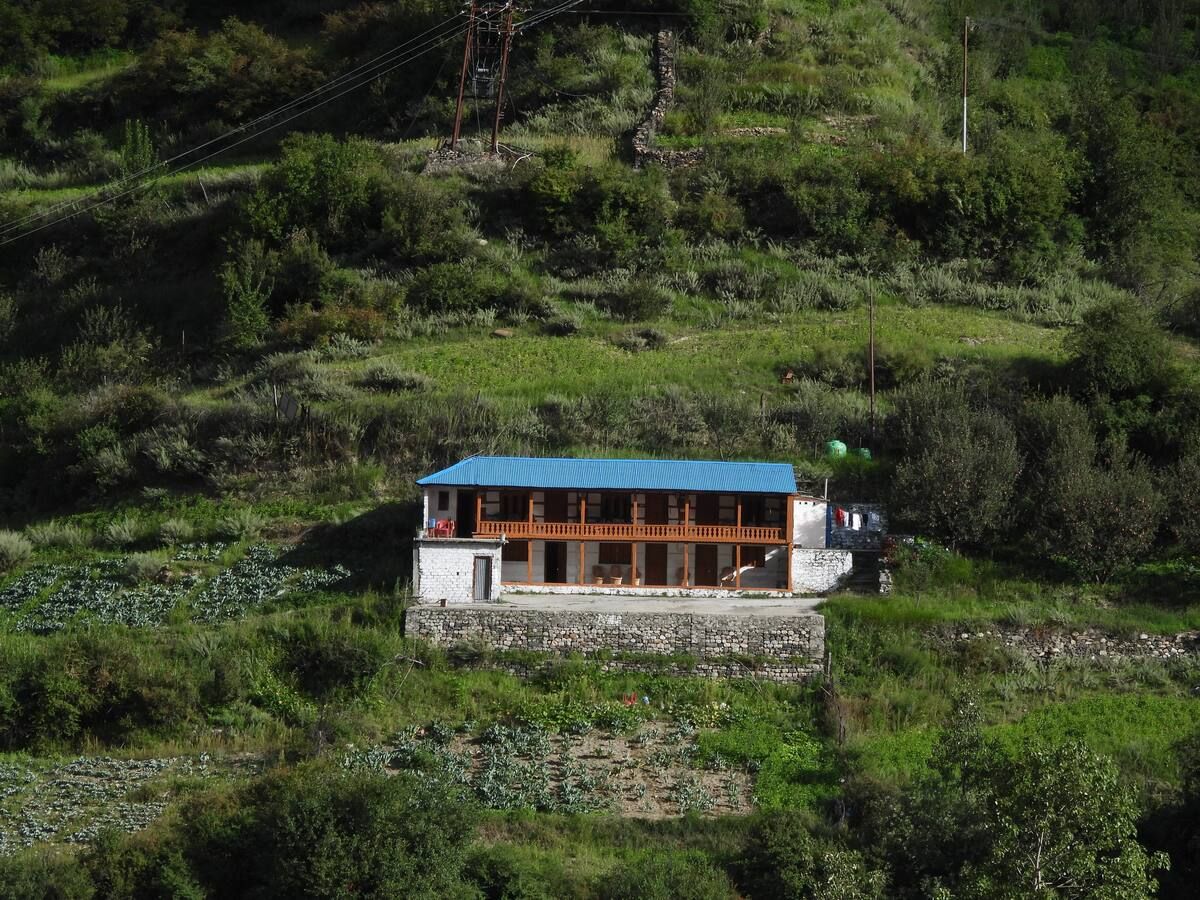
The valley is built around traditional villages featuring classical mountain architecture, with stone-and-timber houses, slate roofs, and hand-carved balconies. The Bhagirathi River carves its way through the valley floor, creating wide pebble beds bordered by steep mountain slopes. Culturally, the region has long-standing connections with indigenous communities and historical trade paths that crossed high passes towards Tibet. Today, it remains an unspoilt Himalayan enclave where life moves at a deliberate, quiet pace.
The Landscape of Harsil Valley
The natural environment of Harsil Valley is characterised by dramatic contrasts. Vast stands of fragrant deodar, pine, and birch cling to steep granite cliffs that rise straight out of the river basin. In the lower meadows and valley floor, terraced fields and apple orchards thrive, supported by glacial meltwater streams that feed into the Bhagirathi.
During the spring and summer months, the hillsides show off deep greens against bright white snow caps visible in the distance. The clarity of the mountain water here is striking, running pale turquoise during dry spells and swelling into a roaring grey-blue torrent when summer snowmelt peaks. Birdlife is abundant in the deodar canopy, with species such as the Himalayan monal, white-capped redstarts, and various alpine finches frequently seen along the watercourses and wooded edges.
Read more
Things to Do in Harsil Valley
Walking is the primary way to explore Harsil Valley. Ambling through the village lanes allows visitors to observe everyday local life, from the tending of apple orchards to the drying of seasonal harvest on traditional verandas. Crossing the pedestrian suspension bridges over the Bhagirathi River brings you to secluded pebble beaches where you can sit by the rushing water and take in the panoramic mountain views.
Outdoor enthusiasts can venture out on day walks to nearby hamlet settlements such as Dharali, Bagori, and Mukhba. Bagori is an old village known for its distinctive timber craftsmanship, weaving culture, and preserved wooden houses, while Mukhba serves as the winter seat of the goddess Ganga. Those looking for higher elevation footpaths can explore nature trails heading towards higher vantage points and glaciated side valleys. Stargazing is another remarkable highlight, as the absence of city light pollution leaves the night sky clear, revealing constellations and the Milky Way on cloudless evenings.
Best Time to Visit Harsil Valley
Harsil Valley experiences distinct mountain seasons, each bringing a completely different atmosphere to the valley.
Spring and summer, from April to June, offer the most comfortable weather for exploration. Temperatures remain pleasant, days are sunny, and the surrounding peaks are bathed in clear daylight. This is an ideal period for outdoor strolls, river walks, and trekking in the surrounding hills.
The monsoon months of July and August bring heavy cloud cover and intermittent downpours across Uttarakhand. While the vegetation turns intensely green and waterfalls tumble down every rock face, mountain roads can become unpredictable due to landslides, requiring careful monitoring of local conditions.
Autumn arrives in September and lasts through October, which is widely considered one of the finest periods to visit Harsil Valley. The post-monsoon skies are exceptionally clear, and the apple harvest is in full swing, scenting the entire valley. Winter sets in from November through February, bringing sub-zero temperatures and substantial snowfall that transforms the entire landscape into a quiet, frozen wonderland.
How to Reach Harsil Valley
Harsil Valley is reached by road via the Uttarkashi-Gangotri highway in Uttarakhand. Driving from Dehradun entails a scenic journey of around 218 kilometres, which typically takes roughly 7 hours and 40 minutes under normal traffic conditions, passing through Mussoorie, Chamba, and Uttarkashi.
Travel from New Delhi covers around 444 to 470 kilometres by road, taking approximately 11 to 12 hours depending on stops and road conditions along the plain and hill sectors. If you are travelling from Chandigarh, the driving distance is about 385 kilometres, taking roughly 11 hours and 10 minutes.
The mountain stretch beyond Uttarkashi features winding roads carved into the valleys, offering sweeping views of the river gorge. Because mountain weather and maintenance can affect travel times, it is always wise to begin drives early in the day and check local road updates before departure.
Tips for Travelling to Harsil Valley
Because of the valley's elevation, mountain weather can change quickly. Even in the middle of summer, temperatures drop considerably once the sun sets behind the ridges, making warm layers and a windproof jacket essential. If you plan to visit between late autumn and early spring, pack heavy woollens, thermal base layers, and insulated boots suitable for cold conditions.
Banking infrastructure and automated teller machines are sparse in the valley, so carry adequate cash from major towns like Uttarkashi to cover your daily needs and purchases from local artisans. Cellular connectivity can be patchy across certain pockets of the valley floor, making it practical to download offline maps and save vital travel notes before starting your ascent.
Respect the quiet pace of village life by staying on designated walking paths, avoiding littering near water bodies, and asking for permission before photographing residents or private homes.
Where to Stay in Harsil Valley
Accommodation in Harsil Valley tends to be modest, authentic, and close to nature, matching the peaceful ethos of the area. Travellers generally prefer staying in rustic riverside camps, village homestays, or simple guest lodges that provide warm hospitality and home-cooked regional meals.
Staying with local hosts gives travellers an authentic taste of mountain hospitality and Garhwali culinary traditions, while camping close to the river allows you to fall asleep to the continuous sound of running water. A curated selection of verified riverside campsites, mountain homestays, and outdoor retreats in and around Harsil Valley can be booked directly on HireACamp.
Frequently asked questions
Where is Harsil Valley located?
Harsil Valley is located in the Uttarkashi district of Uttarakhand, India, along the Uttarkashi-Gangotri highway on the banks of the Bhagirathi River.
How long does it take to reach Harsil Valley from Delhi?
Driving from Delhi to Harsil Valley covers around 444 to 470 kilometres and typically takes about 11 to 12 hours under clear road conditions.
Does it snow in Harsil Valley?
Yes, Harsil Valley receives frequent and heavy snowfall during the winter months, typically between late December and February.
What is Harsil Valley famous for?
The valley is famous for its extensive apple orchards, towering deodar forests, traditional wooden villages, and scenic views along the Bhagirathi River.
Where can I book accommodation in Harsil Valley?
You can find and book verified outdoor camps, scenic homestays, and nature stays in Harsil Valley directly on HireACamp.
Where you'll be
Harsil Valley, Uttarkashi - Gangotri Rd, Uttarkashi, Uttarakhand 249135 · 1 stay nearby shown with prices
As seen on Instagram
The posts this guide is built from
Stays near Harsil valley
Book a place to stay close by
More places near Harsil valley
Within 20 km

Built from 1 Instagram post by 1 creator. Every tip links back to the post it came from, and where creators disagree we show both sides. Guide updated 22 Oct 2026.






