
Gwaldam
Destination in Uttarakhand
Gwaldam is a peaceful hill settlement resting along the boundary of the Garhwal and Kumaon divisions in Uttarakhand. Set amidst terraced fields, pine groves, and state-run tea gardens, it serves as a scenic vantage point overlooking the Pindar Valley and peaks such as Mount Trishul. Visitors head to Gwaldam for its calm atmosphere, forested walking paths, and easy access to both regional cultures.
Getting there
By road
- From Dehradun5 hr 35 min · 275 km
- From New Delhi8 hr 50 min · 487 km
- From Chandigarh9 hr 15 min · 444 km
Typical drive times without traffic. Stations and airports from OLA Maps; distances and typical drive times from OpenStreetMap (© OpenStreetMap contributors); notes from creators' Reels.
About Gwaldam
Written with AI from map data and general knowledge. Check prices and timings locally before you go.
What Gwaldam is known for
Gwaldam sits at an elevation of roughly 1,700 to 1,900 metres, occupying a rare geographic position that bridges Garhwal Chamoli with the Kumaon hills of Bageshwar and Almora. This border status gives the town a blend of folk traditions, cuisine, and architectural nuances drawn from both cultural spheres. It is notably recognized for its small, neatly kept tea gardens, established during the British era, which remain active and lend the surrounding hillside an organized green pattern.
Beyond its tea slopes, Gwaldam is celebrated for unobstructed mountain panoramas. On clear mornings, the snow-covered peaks of Mount Trishul and Nanda Ghunti appear across the horizon above the Pindar river basin. Because it has remained outside the mainstream commercial circuits, the town retains an unhurried hill-station ambience focused on agriculture, forest life, and seasonal mountain journeys.
Things to do in Gwaldam
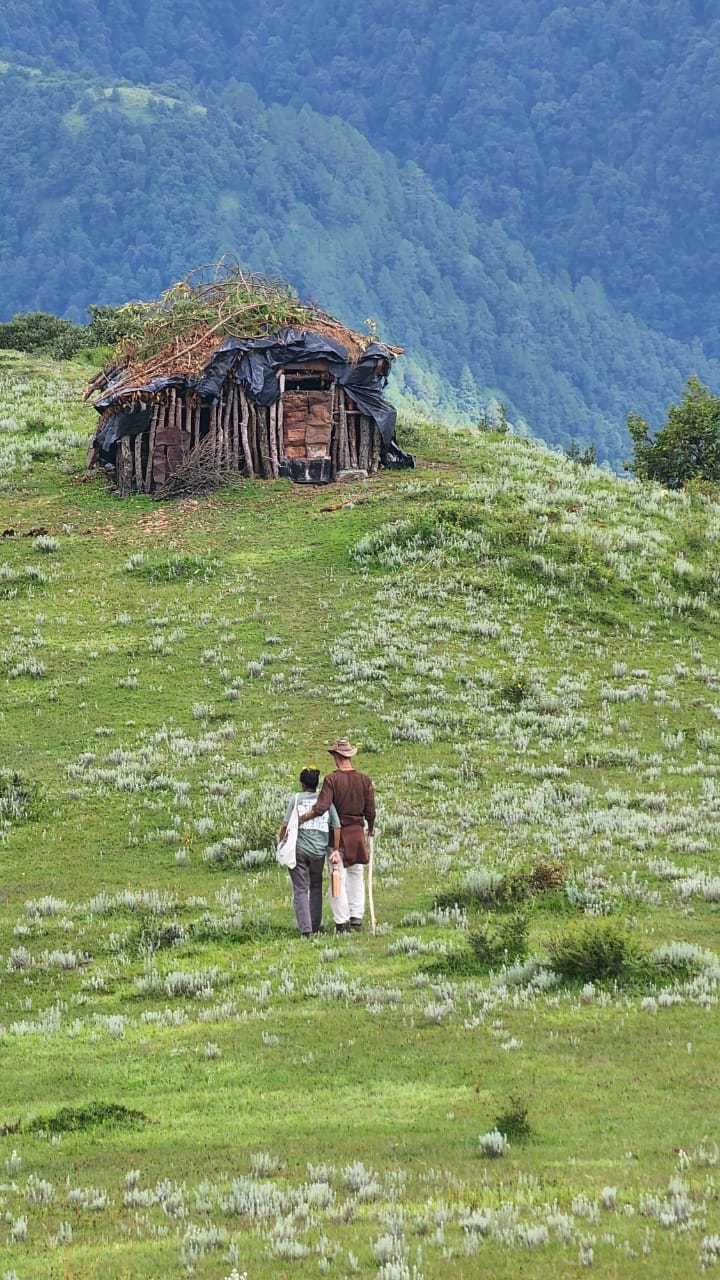
Walking through the countryside is the central highlight of spending time in Gwaldam. The gentle trails winding between the local tea estates and terrace farms offer open views of the lower valleys and let you observe traditional hill farming up close. Birdwatchers will find plenty to spot in the mixed forests of chir pine, oak, and rhododendron, where barbets, laughingthrushes, minivans, and Himalayan woodpeckers are commonly seen throughout the morning hours.
You can also set out on foot toward the higher ridges and nearby vantage points to catch the changing light on the high Himalayan peaks at dawn and dusk. The quiet paths branching off the main market road lead toward traditional hamlets featuring stone-and-wood slate houses, offering an authentic glimpse into everyday Garhwali and Kumaoni mountain living without the intrusion of mass commercial tourism.
Read more
Places to visit around Gwaldam
Gwaldam serves as a practical base for exploring the diverse landscapes and spiritual landmarks scattered across the Chamoli and Almora districts. Further southwest in the surrounding hills lies Tarag Tal, a seasonal high-altitude lake set within a secluded basin where pastoralists often graze their livestock during the warmer months.
Travellers interested in regional heritage can plan excursions south toward the historic temple sites of the region. The Dunagiri Temple, dedicated to Goddess Durga, stands atop a pine-covered ridge and attracts pilgrims throughout the year. The wider Dwarahat valley, located a scenic drive away, holds clusters of ancient stone shrines including the Ratan Deo Temple, the Vimandeshwar Mahadev Temple, and historic monuments associated with the classical Katyuri dynasty. These monuments showcase intricate North Indian nagara style stonework preserved through centuries.
Best time to visit Gwaldam
Gwaldam is an appealing destination through much of the year, with the character of the town shifting noticeably between seasons. Spring and summer, stretching from March to June, bring mild daytime temperatures and blossoming rhododendrons, making it an ideal period for forest hikes, orchard walks, and outdoor sightseeing.
The monsoon months of July and August bring heavy rainfall, turning the entire Pindar valley deeply green and filling the seasonal mountain streams. However, road journeys during this time can be disrupted by landslides, so real-time route checks are advised. Autumn, from late September through November, offers the crispiest air and the clearest skies of the year, presenting exceptional conditions for mountain photography. Winter brings cold days and freezing nights, with occasional light snowfall dusting the higher ridgelines between late December and February.
How to reach Gwaldam
Reaching Gwaldam involves a picturesque journey through the middle Himalayas of Uttarakhand. Travellers coming by rail typically arrive at Kathgodam railway station on the Kumaon side or Rishikesh and Haridwar on the Garhwal side. Kathgodam is widely preferred for its reliable road connections passing through Bhimtal, Almora, Kausani, and Garur before reaching the slopes of Gwaldam.
For air travel, Pantnagar Airport in the plains is the closest operational airport, while Dehradun Airport serves as the primary gateway from the Garhwal side. From any of these transit hubs, you can hire private taxis or take state transport buses and shared utility jeeps. Mountain roads wind through pine valleys and riverside stretches, so travel times vary depending on weather and road works; plan your travel hours around daylight.
Where to stay in Gwaldam
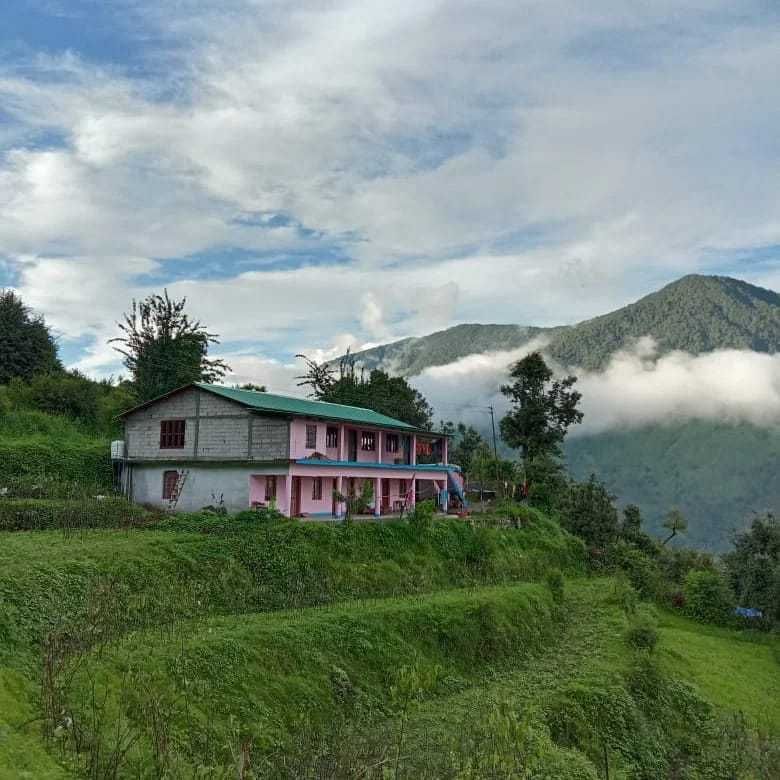
Accommodation in Gwaldam leans toward modest, nature-oriented options that match the quiet rhythm of the area. Visitors can choose between simple village homestays, small valley-facing lodges, and local guesthouses run by regional families who serve home-cooked regional meals.
If you prefer staying close to nature with unobstructed views of the pine canopy and night skies, outdoor options around the edges of the town offer an authentic mountain experience. Travellers can find and book vetted camps, homestays, and boutique rural stays in and around Gwaldam on HireACamp.
Tips for visiting Gwaldam
Because Gwaldam is a small mountain settlement, amenities are simpler than those found in larger resort towns. It is best to carry sufficient cash, as automated teller machines in hill stations can occasionally run out of paper currency or experience network interruptions. Keep personal medication and essential travel gear handy before leaving larger towns.
Even in early summer, evening breezes off the snow ranges can bring a sudden drop in temperature, so packing light woollens or windbreakers is essential year-round. Sturdy walking shoes with reliable grip are recommended for navigating unpaved trails and stone staircases around the tea gardens. Always follow basic trail etiquette by carrying your plastic waste back to proper town disposal points.
Frequently asked questions
Which Himalayan peaks can you see from Gwaldam?
Gwaldam provides sweeping views of the Trishul massif and Nanda Ghunti across the Pindar valley, alongside glimpses of other Garhwal and Kumaon ridges on clear days.
Is Gwaldam in Garhwal or Kumaon?
Gwaldam sits in the Chamoli district of the Garhwal division, directly along the geographical border with the Bageshwar district of Kumaon, creating a blend of both regional traditions.
Does Gwaldam receive snowfall in winter?
Gwaldam receives occasional light snowfall during the coldest winter weeks between late December and January, while surrounding high ridges frequently see heavier snow cover.
What is the best way to get around Gwaldam?
The town and its tea gardens are best explored on foot, while shared jeeps and private taxis are readily available from the local market for trips to nearby valleys and temples.
Where you'll be
2 stays nearby shown with prices
Stays near Gwaldam
Book a place to stay close by
Things to do in Gwaldam
30 places creators recommend within 30 km
Built from 0 Instagram posts by 0 creators. Every tip links back to the post it came from, and where creators disagree we show both sides.






