
Harsil
Village in Uttarakhand
1 post
Guide from 1 post by 1 creator
@weuttarakhand
Harsil is an alpine hamlet set along the banks of the Bhagirathi River in the Uttarkashi district of Uttarakhand. Surrounded by dense deodar forests, snow-clad peaks, and sprawling apple orchards, the settlement has long served as a peaceful stopover for pilgrims journeying to Gangotri and travellers seeking solitude in the high Himalayas. Visitors come to wander through traditional wooden villages, hike quiet river trails, and experience the slow pace of Garhwali mountain life.
Getting there
By road
- From Dehradun4 hr 50 min · 210 km
- From Chandigarh8 hr 5 min · 402 km
- From New Delhi8 hr 20 min · 439 km
Typical drive times without traffic. Stations and airports from OLA Maps; distances and typical drive times from OpenStreetMap (© OpenStreetMap contributors); notes from creators' Reels.
About Harsil
Written with AI from creators' posts and map data. Check prices and timings locally before you go.
The mountain village of Harsil
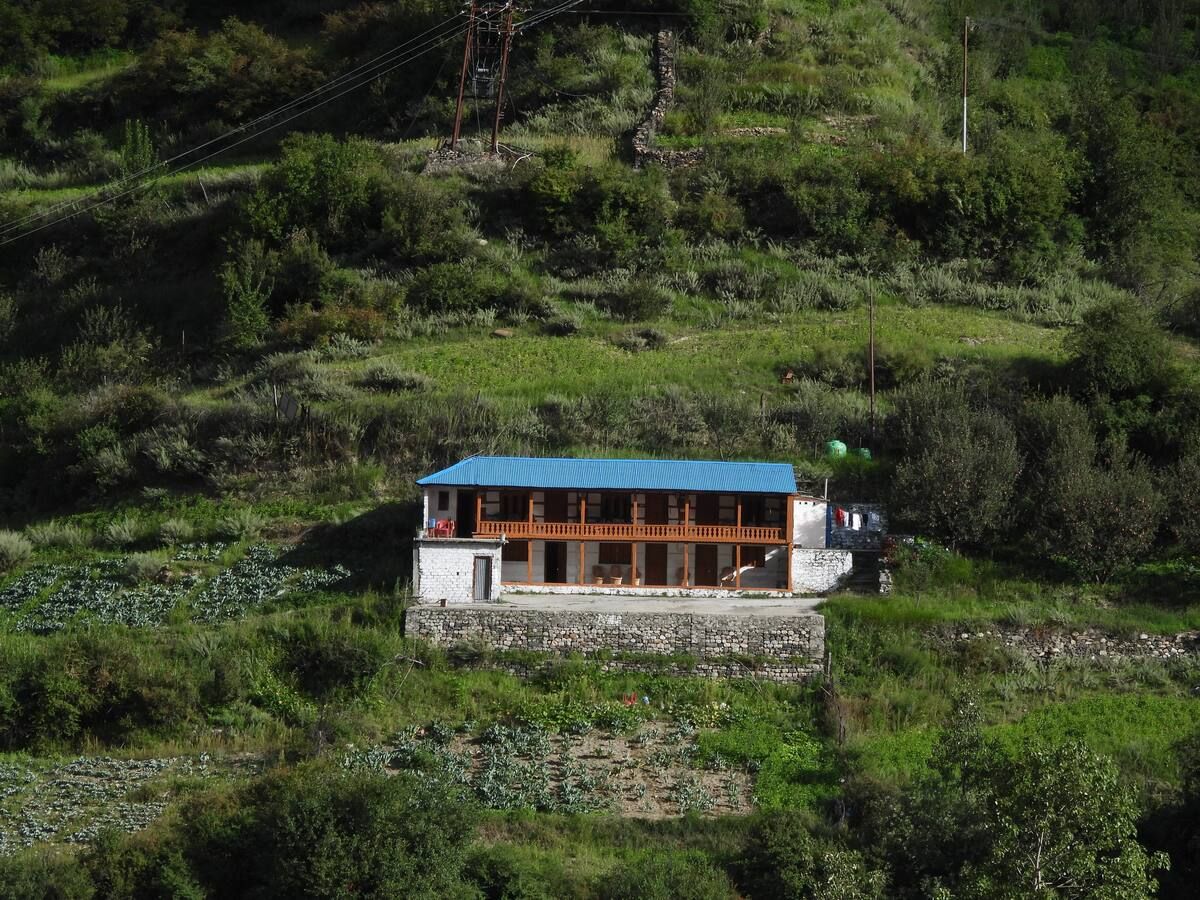
Perched at an elevation of over two thousand six hundred metres above sea level, Harsil sits in a wide river valley where the Bhagirathi flows over gravel beds and between towering granite ridges. The settlement is steeped in local history and folklore, most notably associated with Frederick Wilson, a nineteenth-century British settler who introduced commercial apple cultivation to the valley and left behind a legacy that still shapes the local economy. Today, the village retains much of its historic character, featuring two-storey timber-and-stone houses with slate roofs, carved window frames, and open courtyards where villagers dry beans, corn, and red chillies in the autumn sun.
The landscape around Harsil is dominated by extensive stands of Himalayan cedar, locally known as deodar, which scent the mountain air and blanket the slopes right down to the riverbanks. Glacier-fed streams tumble down narrow ravines to merge with the rushing Bhagirathi, creating a network of small footpaths and wooden bridges that invite unhurried exploration. Unlike bustling hill stations with commercial malls, Harsil remains centered on rural rhythms, local farming, and quiet hospitality.
Things to do in and around Harsil
Walking through the village and surrounding settlements is one of the best ways to spend time in Harsil. A stroll across the suspension bridges spanning the Bhagirathi takes you past riverside clearings and clusters of traditional homes. Many travellers spend their mornings walking along the riverbed, watching the morning mist clear off the pine ridges while waterbirds dart between smooth granite boulders.
Exploring the apple orchards is another highlight, particularly when the trees are laden with fruit in late summer. Local trails wind up through the hillsides into the cedar forests, providing quiet routes for day walks where you can enjoy views of distant glaciers and snowfields. Photography is rewarding throughout the valley, with changing light filtering through the pine needles and striking contrasts between the deep green valley floor and the rugged rock walls above. Sitting by the river with a book, sampling fresh local apples in season, and learning about traditional Garhwali architecture from local residents round out an authentic mountain stay.
Read more
Places to visit near Harsil
Harsil acts as an ideal base for exploring the upper reaches of the Bhagirathi valley. Just across the river lies Mukhba, a revered village that serves as the winter home of the idol of Goddess Ganga when the shrine at Gangotri closes under deep snow. Mukhba is known for its intricate wooden temple and genuine mountain warmth, offering a glimpse into the spiritual traditions of the region.
Further up the valley, the high-altitude pilgrimage town of Gangotri sits roughly an hour away by road, marking the starting point for treks toward the Gaumukh glacier and Tapovan meadows. Closer to Harsil, the village of Dharali is famous for its terraced apple groves and tranquil streams. For those interested in engineering history and cliffside views, the wooden walkway of Gartang Gali, built into a sheer vertical gorge in the nearby Jadh Ganga valley, offers an extraordinary excursion into the frontier terrain leading toward Nelong Valley. Travellers should check local regulations and permit requirements before venturing into protected border areas.
Best time to visit Harsil
The valley undergoes dramatic seasonal transformations, each offering a distinct experience. Spring and summer, spanning from April to June, bring mild daytime temperatures, blossoming fruit trees, and clear mountain vistas. This is the most comfortable period for sightseeing, forest walks, and outdoor getaways, as snow melts from the lower paths and roads remain largely reliable.
Monsoon arrives in July and lingers into August, bringing heavy downpours to the Garhwal Himalayas. While the valley turns exceptionally lush and green, the mountain highways are prone to rockfalls and roadblocks, making travel during these months unpredictable. Autumn, from September through November, is widely regarded as one of the finest seasons to visit. The air turns crisp and clear, the apple harvest is in full swing, and golden autumn foliage sets in against pristine blue skies. Winter arrives in December and lasts through February, bringing freezing temperatures and significant snowfall. While access can be challenging during peak winter, travellers who love snowscapes will find Harsil blanketed in deep white, with smoking chimneys and quiet lanes.
How to reach Harsil
Harsil is situated along the highway connecting Uttarkashi to Gangotri in northern Uttarakhand. The nearest railhead is located at Rishikesh or Haridwar, while the closest domestic airport is Jolly Grant Airport near Dehradun. From Dehradun or Rishikesh, the road journey winds northward through the mountains via Chamba, Tehri, and Uttarkashi, following river valleys deeper into the higher Himalayas.
Due to the winding terrain and elevation gain, the drive requires a full day on the road, and many travellers prefer to break the journey with an overnight halt in Uttarkashi before continuing up the Bhagirathi gorge to Harsil. Shared taxis and regional buses operate along the route from major transit towns, though private vehicles or taxis offer greater flexibility for stops along scenic vantage points. During the winter and monsoon periods, road conditions should always be checked locally before departing.
Tips for your visit to Harsil
Because of Harsil's high elevation, weather conditions can change rapidly regardless of the season. Even during summer, evenings and early mornings are chilly, so packing layered clothing, a windproof outer jacket, and thermal innerwear is essential. Sturdy walking shoes with good tread are recommended for navigating gravel riverbeds, earthen footpaths, and steep stone steps in the village.
Basic medical supplies and any required prescription medicines should be carried from larger towns like Uttarkashi, as medical facilities in upper valley villages are limited. Mobile network reception varies by service provider, with some carriers offering stable connectivity in the main settlement while dropping out along forest trails. Carrying sufficient cash is advisable because automated teller machines in high-altitude settlements may run out of cash or experience power-related outages.
Where to stay in Harsil
Accommodation options in and around Harsil cater primarily to nature lovers and pilgrimage travellers looking for an authentic mountain environment. Traditional village homestays allow guests to experience local Garhwali hospitality, home-cooked regional meals, and rustic timber interiors. Riverside camping grounds and eco-friendly cottages set within apple orchards are popular during the warmer months, offering front-row views of the surrounding peaks and the flowing waters of the Bhagirathi. You can discover and book verified camps, homestays, and outdoor stays around Harsil on HireACamp.
Frequently asked questions
What is Harsil famous for?
Harsil is famous for its picturesque apple orchards, deodar forests, traditional wooden Garhwali houses, and its scenic setting along the Bhagirathi River on the route to Gangotri.
Does it snow in Harsil?
Yes, Harsil receives moderate to heavy snowfall during the winter months, typically between late December and February, transforming the valley into a winter wonderland.
How far is Gangotri from Harsil?
Gangotri is situated further up the valley from Harsil, and the drive between the two places generally takes around one hour depending on road and traffic conditions.
What should I pack for a trip to Harsil?
Pack warm clothing in layers, including woollens, a windproof jacket, and thermals, along with comfortable walking shoes, personal medications, and enough cash for daily expenses.
Where can I book stays in Harsil?
You can find and book homestays, riverside camps, and nature retreats in Harsil and the surrounding valley on HireACamp.
Where you'll be
1 stay nearby shown with prices
As seen on Instagram
The posts this guide is built from
Stays near Harsil
Book a place to stay close by
Things to do in Harsil
26 places creators recommend within 30 km


Built from 1 Instagram post by 1 creator. Every tip links back to the post it came from, and where creators disagree we show both sides.






