
Jhatingri
Destination in Himachal Pradesh
Jhatingri is a tranquil hill settlement situated on a high ridge in the Mandi district of Himachal Pradesh. Surrounded by dense deodar and blue pine woodlands, it was once a favoured summer retreat for the erstwhile royal family of Mandi. Travellers visit Jhatingri to experience its crisp mountain air, forest walking trails, and sweeping views of the surrounding valleys.
Getting there
By road
- From Chandigarh4 hr 30 min · 200 km
- From Ludhiana5 hr · 240 km
- From Amritsar5 hr 50 min · 283 km
- From Dehradun7 hr 55 min · 392 km
Typical drive times without traffic. Stations and airports from OLA Maps; distances and typical drive times from OpenStreetMap (© OpenStreetMap contributors); notes from creators' Reels.
About Jhatingri
Written with AI from map data and general knowledge. Check prices and timings locally before you go.
About Jhatingri
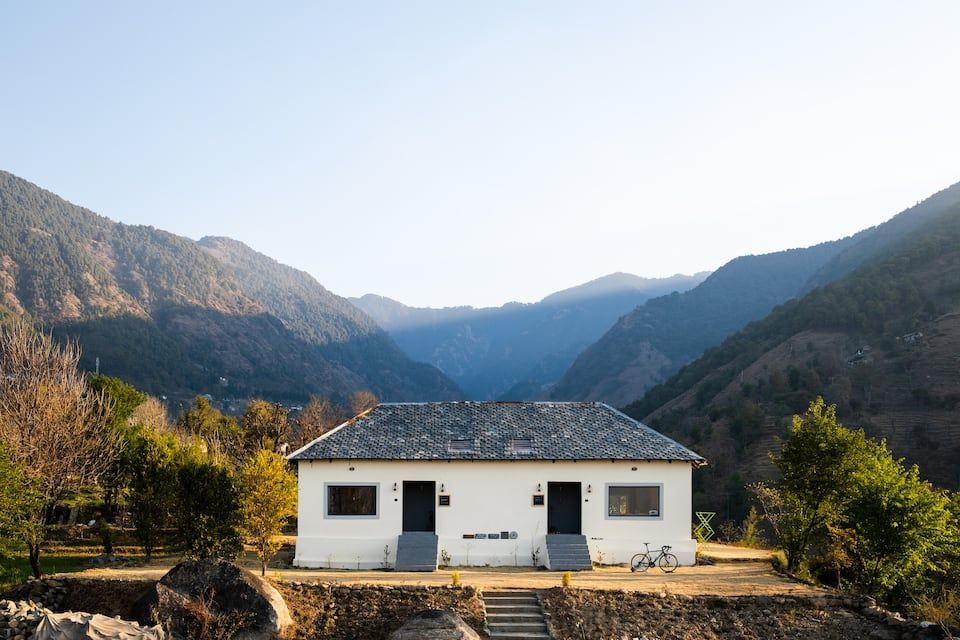
Perched on a forested mountain ridge in Himachal Pradesh, Jhatingri is a peaceful Himalayan destination known for its unhurried pace and lush woodland scenery. The town sits amidst thick stands of Himalayan cedar and pine, overlooking deep terraced valleys. Historically, the rulers of Mandi chose Jhatingri as a summer station to escape the warmth of the lower plains, leaving behind relics of old colonial-era stone architecture and forest rest houses.
Unlike heavily commercialised hill towns, Jhatingri has retained a distinctly rural and serene character. The village life revolves around small terraced farms, traditional wooden homes, and apple and plum orchards that burst into bloom during spring. For outdoor lovers and travellers seeking quiet retreats, the settlement provides an ideal base for quiet forest strolls, birdwatching, and enjoying unobstructed sunrises over the hills.
Things to do in and around Jhatingri
Walking is the best way to explore Jhatingri. Gently winding forest pathways trace the ridgeline, leading walkers through fragrant pine and deodar groves where sunlight filters through high canopies. Birdwatchers often spot Himalayan species such as monals, magpies, and warblers fluttering through the undergrowth, particularly during early mornings.
For those interested in local culture and folklore, the area is rich in ancient places of worship. Dev Pashakot Mandir is located just a short walk or drive from the village centre, serving as an important local shrine dedicated to the regional deity Pashakot. Walking along the old ridge trails also reveals ruins of stone structures dating back to royal times, offering scenic vantage points where one can sit and admire the wide Himalayan horizon.
Read more
Getaways and places to visit nearby
Jhatingri serves as a gateway to several natural attractions and sacred sites across the region. Just a short trip down the valley lies Macchial Lake and the adjacent Shri Machhindra Nath Temple. The lake is considered sacred, home to revered mahseer fish that visitors feed as a traditional gesture of respect.
Outdoor enthusiasts can venture toward Bhubbu Pass, an ancient high-altitude walking pass connecting the Uhl valley to the Kullu valley. While crossing the pass requires planning, day walks up the approach trails reward hikers with wide views of alpine meadows and rugged rock faces. Another refreshing nature spot is Lapas Waterfalls, tucked into a verdant fold of the hills where mountain streams cascade over rocky boulders.
The broader surrounding region contains revered temples, including Hurang Narayan Temple, Simsa Mata Temple, Mata Banderi Temple, and Baba Balakrupi Mandir. Further afield, the sacred waters and floating reed islands of Rewalsar Lake make for a memorable cultural day excursion.
Best time to visit Jhatingri
Jhatingri is an all-season destination, with each time of year offering a distinctly different landscape and atmosphere. Spring and summer, stretching from March to June, bring mild daytime temperatures, blossoming fruit trees, and clear blue skies, making this the most comfortable window for trekking, camping, and sightseeing.
The monsoon season from July through August brings heavy rainfall, which blankets the hillsides in deep green moss and dense mist. While the rain-washed forests look magical, travellers should be prepared for slippery trails and check local weather forecasts regarding mountain road conditions before setting out.
Autumn arrives in September and October, bringing crisp air, excellent visibility, and pleasant weather. Winter settles in from November to February, during which temperatures drop sharply, and higher ridges occasionally receive snowfall, creating a peaceful and chilly alpine setting.
How to reach Jhatingri
Jhatingri is accessible by road from major transit hubs in Himachal Pradesh and neighbouring states. The nearest broad-gauge railway stations are Pathankot and Chandigarh, while the nearest narrow-gauge railhead is located at Joginder Nagar. From these railheads, taxis and state buses operate regularly toward the Mandi and Uhl valley routes.
The closest regional airports are Kangra Airport at Gaggal near Dharamshala and Kullu-Manali Airport at Bhuntar. From either airport, travellers can hire a private taxi or take public buses along the hill highways to reach Jhatingri.
For road travellers, the route winds through scenic mountain highways via Mandi, Joginder Nagar, or the Uhl valley turn-off. The final climb to the ridge traverses hairpin bends and pine-flanked roads, offering wonderful views as you ascend toward the town.
Where to stay in Jhatingri
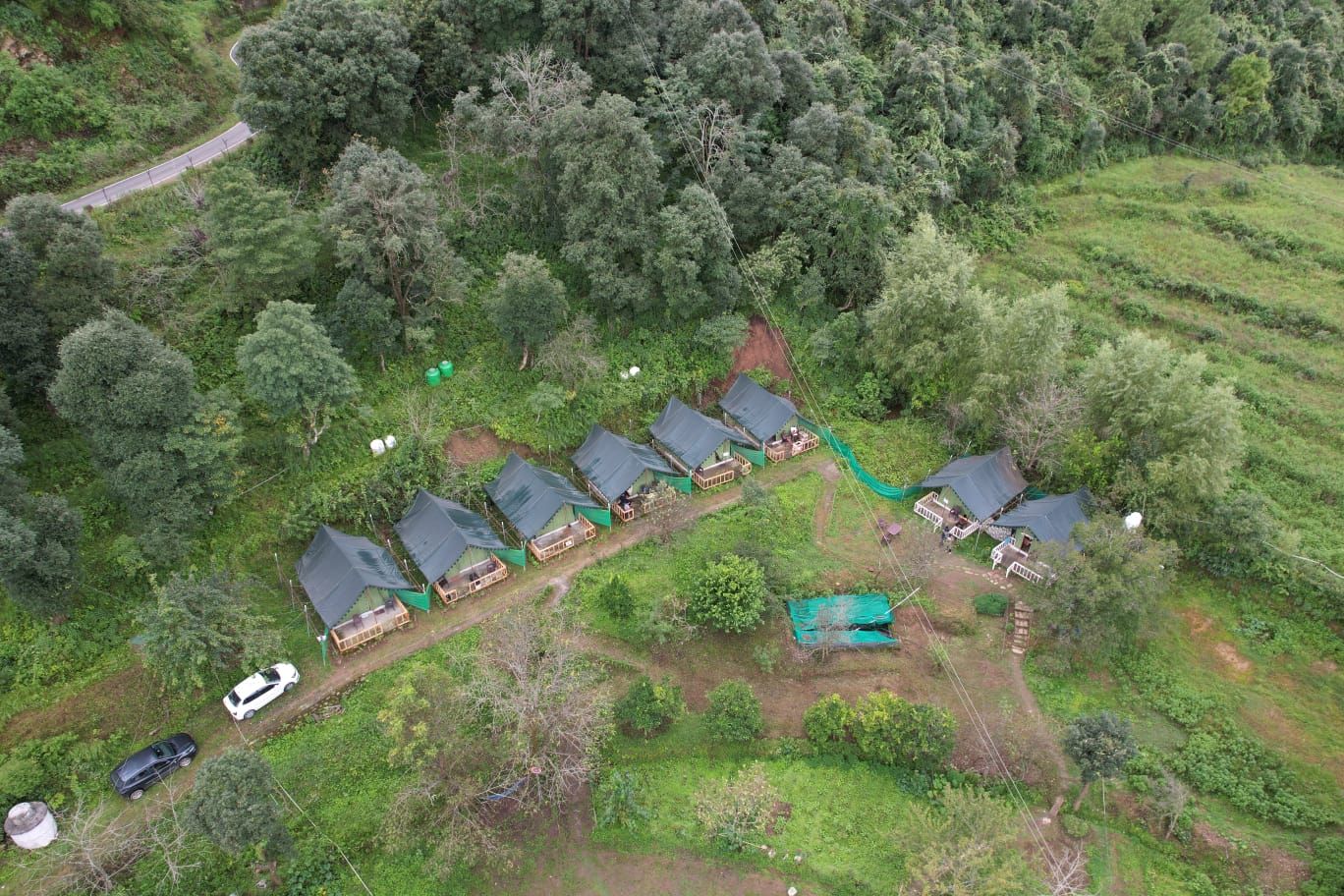
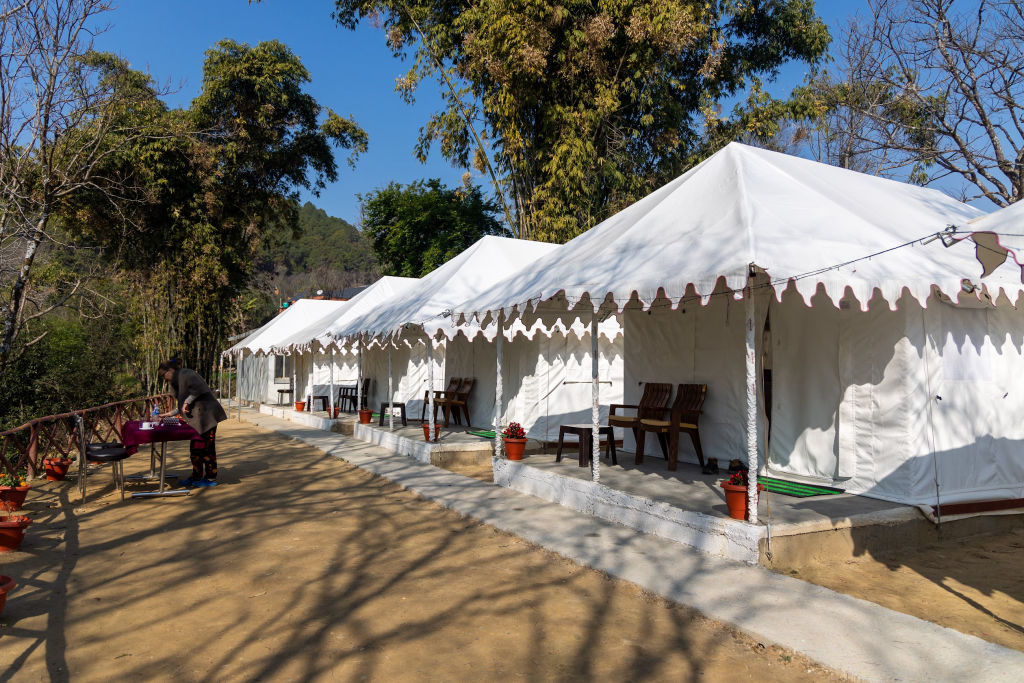
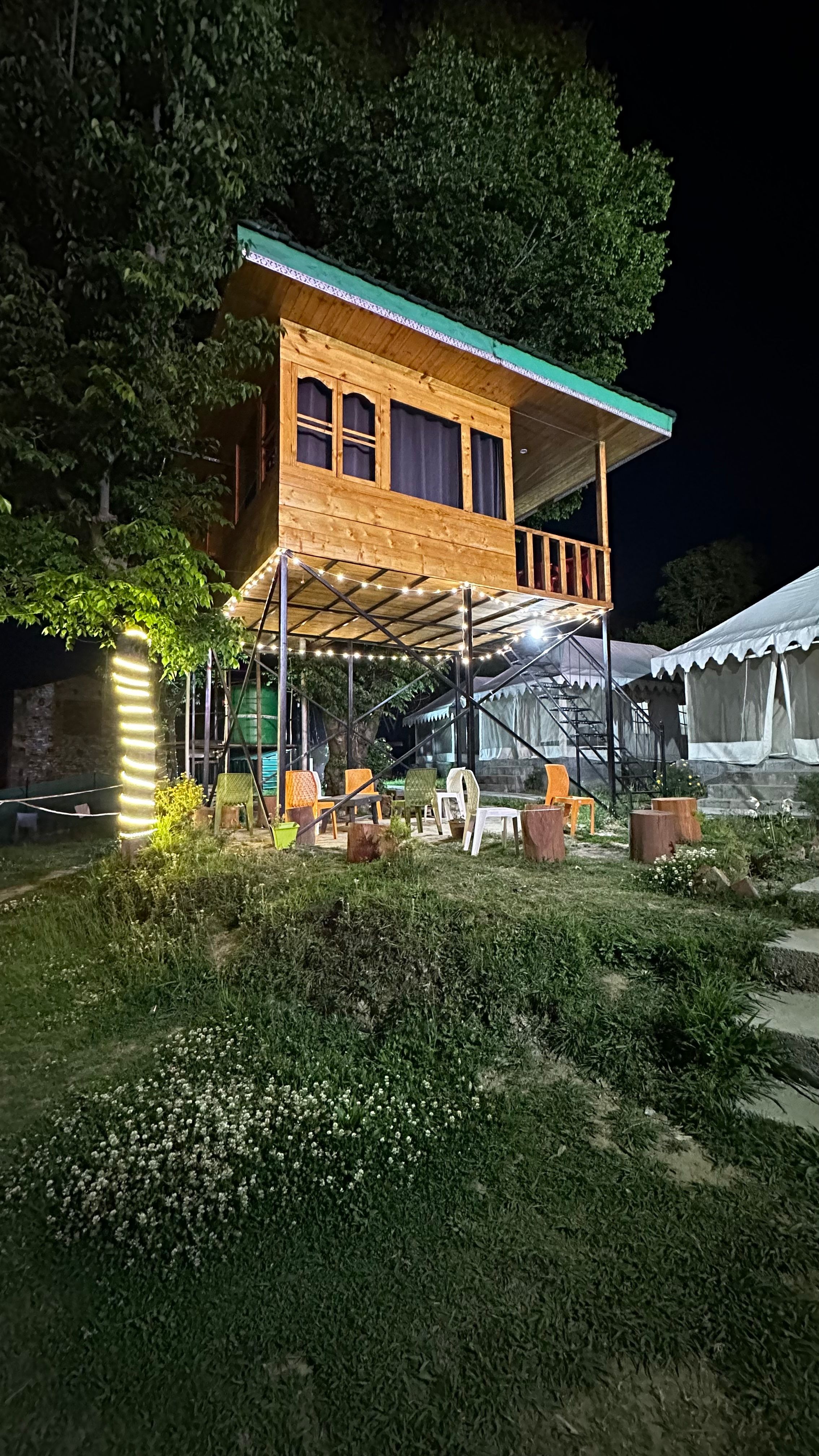
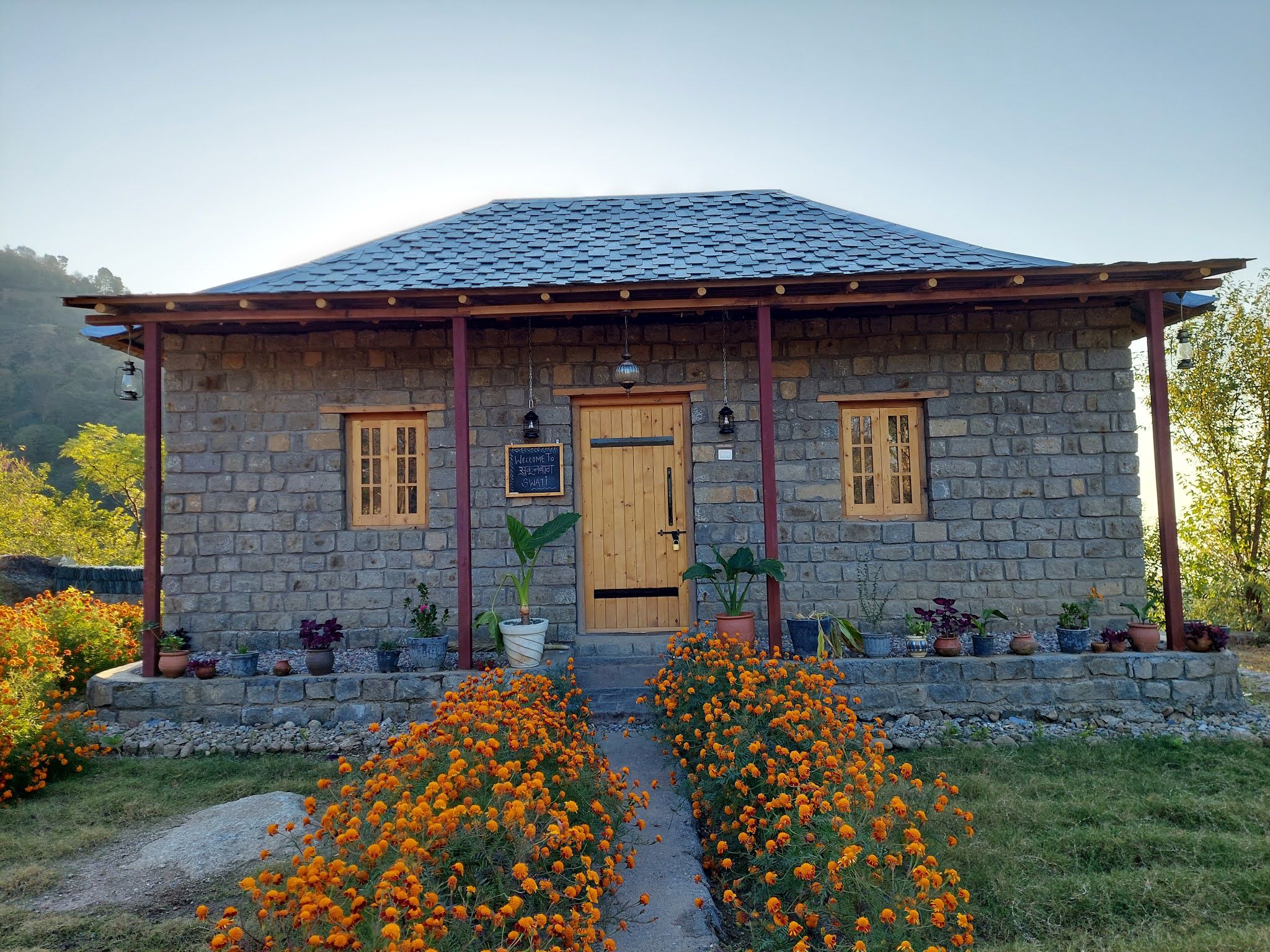
Accommodation around Jhatingri focuses on immersive nature experiences and warm local hospitality. Instead of large commercial hotels, visitors will find village homestays, cosy guesthouses, and scenic outdoor campsites scattered across the pine-covered slopes and nearby valley clearings.
Staying in a local homestay offers the chance to sample traditional Himachali food cooked with fresh regional produce, while camping gives travellers the opportunity to sleep under starry night skies. A curated selection of verified campsites, cottages, and homestays in and around Jhatingri can be booked directly through HireACamp.
Frequently asked questions
What is Jhatingri known for?
Jhatingri is known for its peaceful ridge setting, fragrant deodar and pine forests, panoramic mountain views, and its history as a royal summer retreat.
Does it snow in Jhatingri during winter?
Yes, during the peak winter months between December and February, Jhatingri and the surrounding higher ridges occasionally receive spells of snowfall.
Which places can I visit near Jhatingri?
Nearby attractions include the sacred Macchial Lake, Lapas Waterfalls, Dev Pashakot Mandir, Hurang Narayan Temple, and the trail leading to Bhubbu Pass.
How do I reach Jhatingri by road?
Jhatingri is reached by road via Mandi or Joginder Nagar. Regular buses and private taxis ply these routes, connecting travellers directly to the ridgeline.
What types of stays are available in Jhatingri?
Visitors can choose from rustic campsites, hillside cottages, and welcoming local homestays, many of which can be reserved through HireACamp.
Where you'll be
5 stays nearby shown with prices
Stays near Jhatingri
Book a place to stay close by
Things to do in Jhatingri
48 places creators recommend within 30 km

Built from 0 Instagram posts by 0 creators. Every tip links back to the post it came from, and where creators disagree we show both sides.






