
Jyotirmath
Temple near Nandaprayag, Uttarakhand
300 m from Nandaprayag
The nearest town, for stays, food and fuel.
Jyotirmath, situated in the Chamoli district of Uttarakhand, is an ancient monastic centre and revered pilgrim town perched on the slopes of the Garhwal Himalayas. Established in the eighth century by Adi Shankaracharya as the northern seat of Vedic learning, it serves as a spiritual sanctuary and a major mountain crossway. Pilgrims, mountaineers, and travellers visit Jyotirmath to witness its historic temples, experience Himalayan traditions, and access high-altitude trails.
Getting there
By road
- From Dehradun4 hr 45 min · 229 km
- From New Delhi8 hr · 441 km
- From Chandigarh8 hr 25 min · 398 km
Typical drive times without traffic. Stations and airports from OLA Maps; distances and typical drive times from OpenStreetMap (© OpenStreetMap contributors); notes from creators' Reels.
About Jyotirmath
Written with AI from map data and general knowledge. Check prices and timings locally before you go.
The Spiritual Legacy of Jyotirmath
Jyotirmath holds an indelible place in Indian spiritual history as the Uttaramnaya Matha, the northern cardinal monastery established by the philosopher-saint Adi Shankaracharya. It was here that Shankaracharya is said to have attained enlightenment under an ancient mulberry tree known as the Kalpavriksha, which still stands within the town. The monastery is traditionally tasked with the preservation and teaching of the Atharva Veda, serving as a beacon of classical Indian thought for well over a millennium.
Beyond its monastic roots, Jyotirmath plays a crucial role in the annual pilgrimage cycle of the Garhwal region. During the harsh winter months when the high-altitude shrine of Badrinath becomes inaccessible due to heavy snowfall, the idol of Lord Badrinath is brought down in a ceremonial procession to Jyotirmath. The deity is worshipped at the local Narasimha Temple until the arrival of spring, making the town a year-round pilgrimage destination steeped in continuous living heritage.
Things to See and Do in Jyotirmath
A visit to Jyotirmath centres around its serene shrines, historical sites, and sweeping mountain panoramas. Travellers should take time to walk through the Jyotirmath monastic complex, where the traditional stone architecture and quiet courtyards offer an atmosphere of deep contemplation. Close to the monastery lies the sacred Kalpavriksha, believed to be over twelve hundred years old, along with the adjacent cave where Adi Shankaracharya meditated.
The Narasimha Temple is another focal point of the town, housing the presiding deity carved out of black stone along with shrines dedicated to Lord Rama, Sita, and Hanuman. Nearby, the Vasudeva Temple showcases classical hill architecture and quiet sanctity. Aside from visiting sacred landmarks, travellers can stroll along the upper reaches of the settlement to take in grand views of prominent Himalayan summits, deep river gorges carved by the Alaknanda, and the terraced hillsides that define the Chamoli landscape.
Read more
Best Time to Visit Jyotirmath
The climate in Jyotirmath varies dramatically across seasons, offering distinct experiences depending on the time of year you plan your journey. The spring and summer months, extending from April to June, bring mild days, blooming alpine vegetation, and comfortable weather. This is the prime period for temple visits, sightseeing, and transit toward higher hiking routes, with daytime temperatures remaining pleasant while evenings turn comfortably crisp.
The monsoon arrives between July and August, bringing heavy rainfall to the steep valleys of Chamoli. While the surrounding terrain turns lush green, landslides and road disruptions along mountain highways are common, requiring travellers to monitor weather bulletins and exercise caution. Autumn, running from September through November, is widely regarded as one of the best windows to visit, characterised by crystal-clear skies, excellent mountain visibility, and invigorating cool breezes. Winter sets in from December to February, transforming the town and surrounding slopes into a cold, snow-bound landscape where travellers can witness traditional winter worship rituals amidst frosty mountain quiet.
How to Reach Jyotirmath
Jyotirmath is located in the higher reaches of the Chamoli district and is connected by a well-established road corridor that follows the river valleys of Uttarakhand. The journey typically begins from major rail hubs such as Haridwar or Rishikesh, or from the Jolly Grant Airport near Dehradun. From these gateway cities, travellers follow National Highway 7, which traces the path of the sacred Alaknanda River upstream through historical settlements including Devprayag, Srinagar, Rudraprayag, and Karnaprayag.
The final leg passes through Chamoli and the roadside town of Pipalkoti before climbing the terraced mountain curves toward Jyotirmath. The total driving distance from Rishikesh spans roughly two hundred and fifty kilometres, with journey times subject to mountain traffic and road conditions. Regular state transport buses, shared mountain taxis, and private vehicle rentals operate along this route, allowing visitors to travel steadily while taking in dramatic river canyon views.
Places to Visit Near Jyotirmath
Jyotirmath is surrounded by a wealth of religious landmarks, scenic river confluences, and protected mountain reserves. Downhill along the river highway lies Nandaprayag, where the Alaknanda and Mandakini rivers meet in a picturesque confluence surrounded by mountain hamlets. Further down the valley, Karnaprayag offers sacred stops such as the Karan Mandir and the Mata Uma Devi Mandir, marking the junction with the Pindar River.
Outdoor enthusiasts and pilgrims can also venture toward the Kedarnath Musk Deer Sanctuary, known for its dense oak and rhododendron forests and rich Himalayan wildlife. Further along the high mountain routes lie the meadows of Chopta Valley, the venerable stone shrine of Tungnath Temple, and the sweeping vantage point of Chandrashila Peak. High-altitude trekking routes such as the approach to Pangarchula Base Camp and views toward the towering Nanda Devi Peak also make Jyotirmath a natural jumping-off point for exploring the wider Garhwal range.
Tips for Your Visit to Jyotirmath
Because Jyotirmath sits at an elevation of roughly six thousand feet, travellers should dress in layers and carry warm woollens, regardless of the season. Temperatures drop sharply after sunset, and winter visits require heavy thermal wear, windproof jackets, and sturdy walking shoes with good grip on stone paving.
When visiting monastic areas and active temples like the Narasimha Temple, dress modestly, remove footwear where designated, and respect local guidelines regarding photography inside prayer halls. Mountain roads in the region can experience periodic maintenance, so building flexibility into your travel itinerary is recommended. Keep emergency cash handy, as mountain connectivity can occasionally affect digital payment terminals.
Where to Stay in Jyotirmath
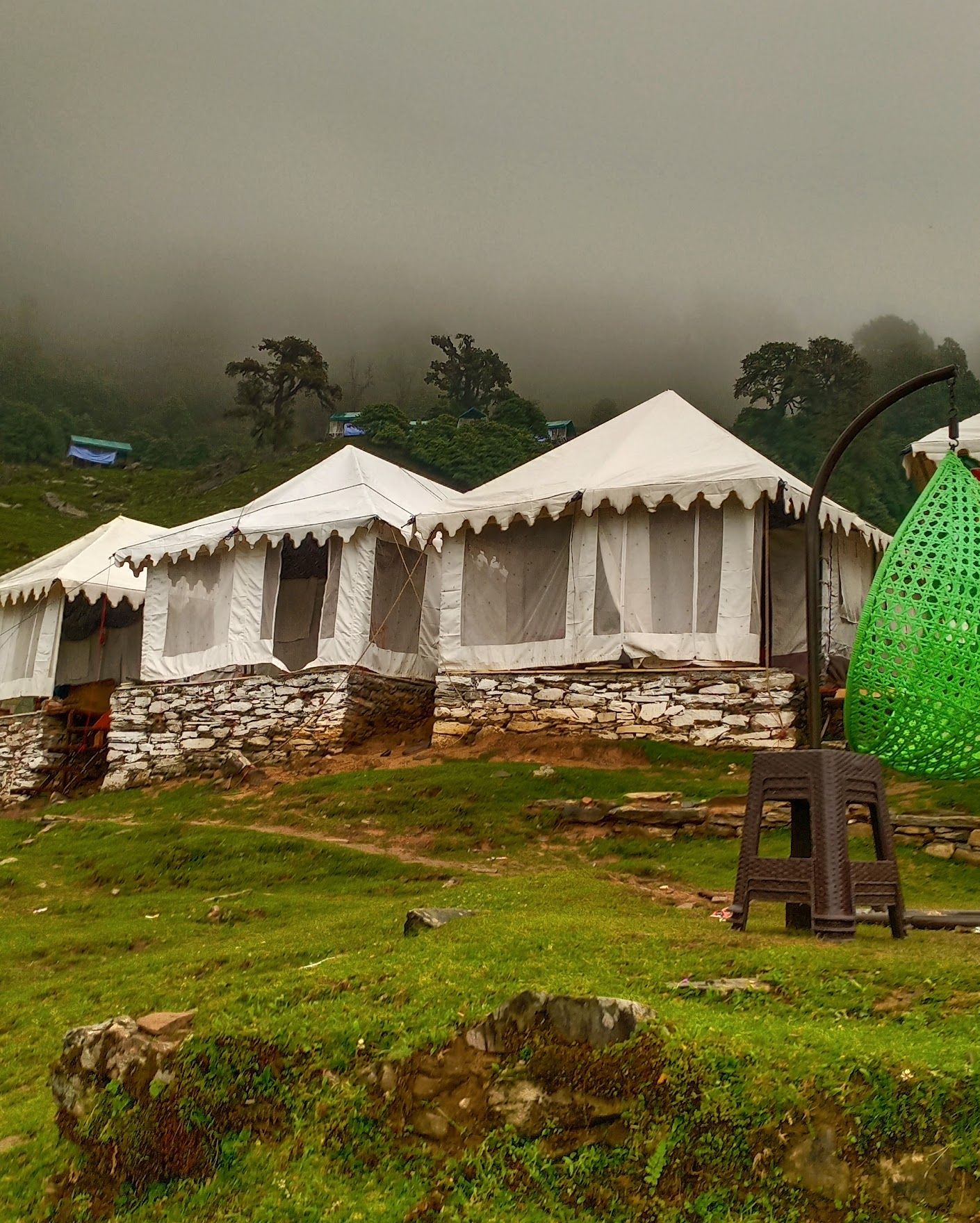
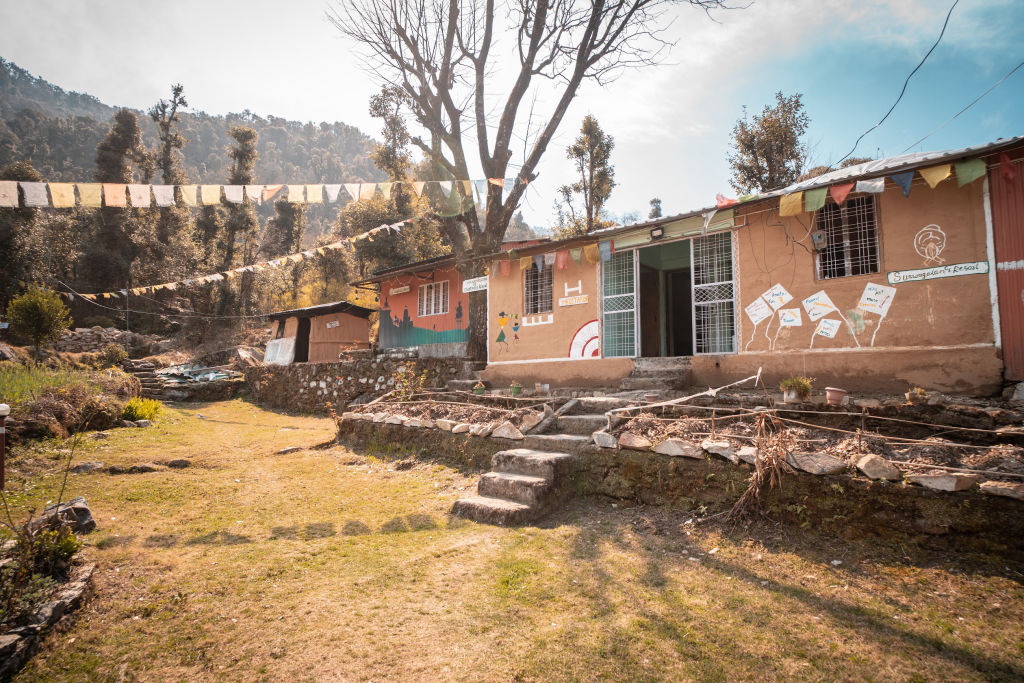
Accommodations around Jyotirmath cater to a wide spectrum of travellers, ranging from traditional pilgrim rest houses and family-run guest accommodations to mountain retreats. Staying in the main settlement keeps you close to the historic monasteries and local transport, while properties perched on the outer slopes offer quieter surroundings and expansive vistas of the valley.
Whether you are looking for rustic riverside campsites along the valleys below, traditional village homestays, or scenic hillside lodges, comfortable stays near Jyotirmath can be easily discovered and booked on HireACamp.
Frequently asked questions
What is the historical importance of Jyotirmath?
Jyotirmath was founded by Adi Shankaracharya in the eighth century as the northern cardinal seat of Vedic learning, known as the Uttaramnaya Matha. It is also famous as the place where Shankaracharya meditated under the sacred Kalpavriksha tree.
Why is Jyotirmath connected to Badrinath?
During the winter months when heavy snow closes the Badrinath Temple, the sacred idol of Lord Badrinath is transferred to the Narasimha Temple in Jyotirmath, where daily worship continues until spring.
What is the best way to travel to Jyotirmath?
Travellers generally take trains or flights to Haridwar, Rishikesh, or Dehradun, and then continue by road along the national highway through Devprayag, Srinagar, and Pipalkoti directly to Jyotirmath.
Which months are ideal for visiting Jyotirmath?
April through June offers comfortable summer weather ideal for temple visits, while September to November brings clear blue skies and crisp autumn air with striking views of Himalayan peaks.
Can I visit nearby trekking areas from Jyotirmath?
Yes, Jyotirmath serves as a primary access point for exploring regional trails and scenic highland areas, including routes toward Pangarchula, Chopta Valley, and Chandrashila Peak.
Where you'll be
Near Badrinath,Chamoli,Uttrakhnd, Chamoli Sub-District · 2 stays nearby shown with prices
Stays near Jyotirmath
Book a place to stay close by
More places near Jyotirmath
Within 20 km
Built from 0 Instagram posts by 0 creators. Every tip links back to the post it came from, and where creators disagree we show both sides.






