
Nandprayag Sangam
Heritage & Culture near Nandaprayag, Uttarakhand
400 m from Nandaprayag
The nearest town, for stays, food and fuel.
Nandprayag Sangam marks the sacred confluence of the Alaknanda and Nandakini rivers in the Chamoli district of Uttarakhand. As the second of the revered Panch Prayag river junctions, it holds immense mythological and cultural significance for pilgrims travelling along the historic Char Dham route. Visitors are drawn to its tranquil riverbanks, dramatic river colours, and peaceful Himalayan foothills away from the crowded pilgrimage centres.
Getting there
By road
- From NandaprayagNearest town2 min · 1.4 km
- From Dehradun4 hr 45 min · 228 km
- From New Delhi8 hr · 441 km
- From Chandigarh8 hr 25 min · 397 km
Typical drive times without traffic. Stations and airports from OLA Maps; distances and typical drive times from OpenStreetMap (© OpenStreetMap contributors); notes from creators' Reels.
About Nandprayag Sangam
Written with AI from map data and general knowledge. Check prices and timings locally before you go.
Significance of Nandprayag Sangam
Nandprayag Sangam is one of the Panch Prayags, the five sacred river confluences of the Garhwal Himalayas that form the sacred River Ganga system. At this specific junction, the roaring Alaknanda River, originating from the Satopanth and Bhagirath Kharak glaciers above Badrinath, meets the serene waters of the Nandakini River, which flows down from the glaciers near the Nanda Ghunti peak.
According to Hindu lore, the town derives its name from King Nanda, who is believed to have performed a grand penance and fire sacrifice here to seek Lord Vishnu's blessings. Another ancient legend ties the location to the marriage of King Dushyanta and Shakuntala, which is said to have taken place near this river junction. The confluence is considered an auspicious site for taking a dip, offering prayers, and observing time-honoured rituals against the backdrop of the rugged Himalayan hills.
The River Confluence and Setting
Situated at an elevation of roughly 870 metres above sea level, Nandprayag occupies a relatively gentle valley floor compared to the higher Himalayan reaches farther north. The town itself is small, with traditional stone-roofed houses, local market stalls, and stone steps leading right down to the riverbank.
At the sangam point, the meeting of the two rivers provides a striking natural contrast. The Alaknanda carries a heavier, grey-tinted glacial sediment, whereas the Nandakini often appears clear and turquoise-green during the non-monsoon months. Watching these two distinct streams merge into a single, forceful current under the shadow of surrounding terraced hills is one of the most memorable experiences for travellers passing through Chamoli.
Read more
Best Time to Visit Nandprayag Sangam
The ideal time to visit Nandprayag is during the autumn and spring months, specifically from September to November and March to May. During these periods, the weather across the Chamoli sub-district remains clear and pleasant, with daytime temperatures comfortable for walking along the riverbanks and exploring the surrounding countryside.
Monsoon season, which spans July and August, brings heavy rainfall across the Garhwal region. The rivers swell dramatically, turning murky and swift, and landslides often cause temporary blockages on the Badrinath highway. Travelling during this window requires extreme caution and careful monitoring of local weather bulletins. Winter, lasting from December to February, is crisp and cold, with brisk river breezes and chilly nights, though the town remains accessible as it does not experience severe snow cover.
Things to Do at Nandprayag Sangam
The primary activity at Nandprayag Sangam is spending quiet time along the stone steps of the ghats. Pilgrims often take a ceremonial dip in the cool waters before offering prayers at the small shrines dedicated to Lord Vishnu and Lord Shiva situated near the confluence. The steps offer a peaceful vantage point to sit and listen to the continuous roar of the rivers.
Beyond spiritual activities, the town offers pleasant walks through traditional Garhwal hamlets and along hillside paths lined with pine and oak. Photography enthusiasts will find excellent perspectives of the conjoining rivers from the road bridges spanning the waterways. The slow pace of life makes it a rewarding stop to rest and recharge before continuing towards higher altitude trekking trails and high-altitude shrines.
How to Reach Nandprayag
Nandprayag is situated directly along National Highway 7, the primary arterial road connecting Rishikesh to Badrinath. The nearest major railway stations are in Rishikesh, Haridwar, and Dehradun, while the closest airport is Jolly Grant Airport in Dehradun, situated around 215 kilometres away. From these transit hubs, travellers can hire private taxis, use shared jeeps, or take state-run buses heading towards Joshimath or Badrinath.
The road journey follows the course of the Alaknanda River, passing through Devprayag, Srinagar, Rudraprayag, and Karnaprayag before reaching Nandprayag. Road travel through these winding mountain routes typically takes between seven and nine hours depending on traffic and seasonal road conditions, making an early morning departure from the plains advisable.
Places to Visit Nearby
Nandprayag serves as a convenient gateway to many cultural and natural landmarks in the Chamoli region. Just a short drive south lies Karnaprayag, another major sangam town where the Alaknanda meets the Pindar River, home to the ancient Uma Devi and Karna temples. Farther up into the ridges, travellers can explore the high-altitude meadows of Chopta Valley and the famed trekking routes leading to Tungnath and Chandrashila Peak.
The region also sits near the Kedarnath Musk Deer Sanctuary, an expansive protected reserve preserving temperate forests and native Himalayan wildlife. Trekking enthusiasts heading toward higher peaks like Pangarchula often pass through this corridor on their way towards Joshimath, making the confluence a natural pause along the route.
Tips for Your Visit
When visiting the river confluence, always respect the power of the currents. Even during the drier seasons, mountain rivers can be deceptive and fast-moving, so it is safest to bathe only in designated, chained areas on the bathing ghats and avoid stepping into deep waters.
Modest attire is customary when visiting the ghats and temples out of respect for local traditions. Because mountain weather can fluctuate rapidly, carrying a light windproof jacket or woollen layer is recommended even in summer, along with sturdy shoes with good grip for navigating slick stone steps near the water.
Where to Stay Near Nandprayag
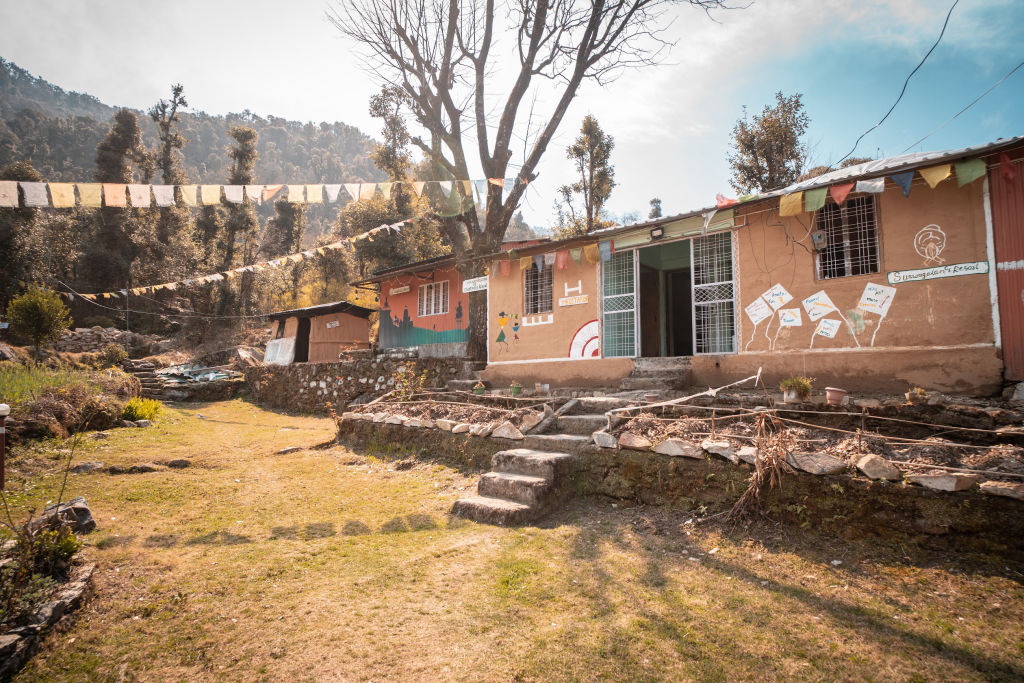
Accommodations directly around Nandprayag cater primarily to pilgrims and slow travellers looking for simple, unhurried mountain stays. Small guesthouses and family-run homestays can be found scattered throughout the town and in adjacent riverside villages, offering home-cooked regional meals and personal hospitality.
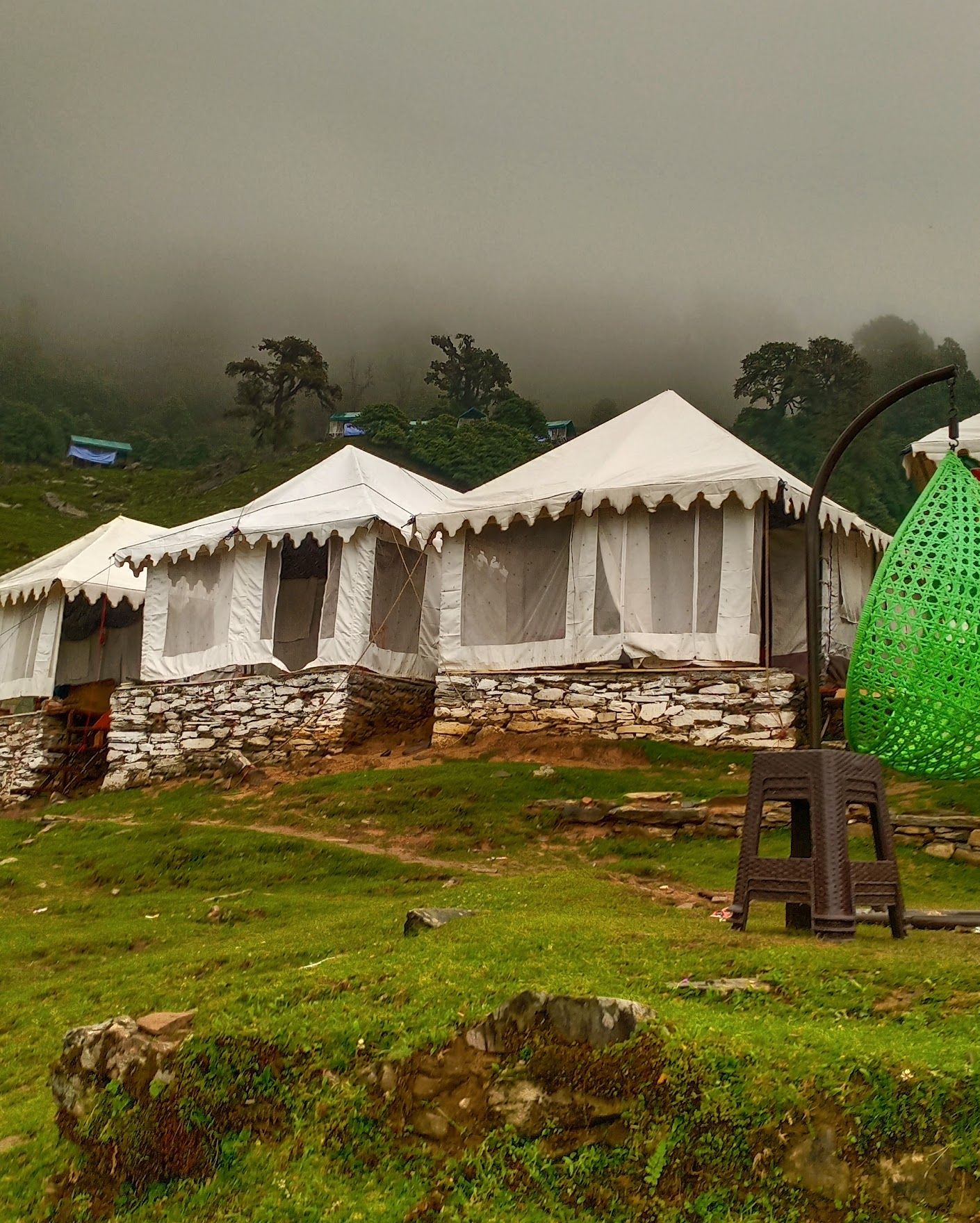
For those seeking outdoor stays, riverside campsites and scenic homestays located along the Alaknanda and Nandakini valleys can be booked through HireACamp. Staying slightly outside the main bazaar allows travellers to enjoy dark night skies, undisturbed river views, and easy access to nearby day hikes.
Frequently asked questions
Which rivers meet at Nandprayag Sangam?
Nandprayag Sangam is the holy junction where the Alaknanda River, coming from near Badrinath, meets the Nandakini River flowing from the slopes of the Nanda Ghunti mountain.
Is Nandprayag accessible throughout the year?
Yes, Nandprayag is situated at a moderate altitude along National Highway 7 and remains open year-round, though travel can be delayed by landslides during the peak monsoon months of July and August.
What is the cultural importance of the Panch Prayags?
The Panch Prayags are five sacred river confluences in Uttarakhand—Vishnuprayag, Nandprayag, Karnaprayag, Rudraprayag, and Devprayag—that progressively unite the tributaries that ultimately form the holy River Ganga.
How much time is needed to visit Nandprayag Sangam?
Most travellers spend between one and three hours visiting the sangam, taking a dip, and exploring the ghat temples, though staying overnight offers a peaceful glimpse into traditional Garhwali life.
Where you'll be
Chamoli Sub-District · 2 stays nearby shown with prices
Stays near Nandprayag Sangam
Book a place to stay close by
More places near Nandprayag Sangam
Within 20 km
Built from 0 Instagram posts by 0 creators. Every tip links back to the post it came from, and where creators disagree we show both sides.






