
Pindar River
Riverside spot near Karnaprayag, Uttarakhand
900 m from Karnaprayag
The nearest town, for stays, food and fuel.
The Pindar River is a pristine glacial river originating from the Pindari Glacier in the Kumaon Himalayas before carving its way into the Garhwal region of Uttarakhand. It joins the sacred Alaknanda River at Karnaprayag, marking one of the revered Panch Prayags of the state. Travellers visit the riverside around Karnaprayag to enjoy peaceful mountain vistas, sit along rocky riverbanks, and experience the cultural significance of this Himalayan confluence.
Getting there
By road
- From KarnaprayagNearest town6 min · 3.2 km
- From Dehradun4 hr 20 min · 209 km
- From New Delhi7 hr 35 min · 421 km
- From Chandigarh8 hr · 378 km
Typical drive times without traffic. Stations and airports from OLA Maps; distances and typical drive times from OpenStreetMap (© OpenStreetMap contributors); notes from creators' Reels.
About Pindar River
Written with AI from map data and general knowledge. Check prices and timings locally before you go.
About Pindar River
The Pindar River, also known as the Pindari River, is fed by the massive Pindari Glacier located between the peaks of Nanda Devi and Nanda Kot in the upper reaches of the Himalayas. Flowing across rugged alpine terrain, it cuts through dense mountain forests, traditional terraced villages, and deep gorges before converging with the Alaknanda at Karnaprayag.
At Karnaprayag, the confluence of the turbulent emerald-tinged Alaknanda and the brisk waters of the Pindar creates a dramatic visual contrast. In local folklore and Hindu tradition, Karnaprayag is associated with Karna of the Mahabharata, who is believed to have meditated here. The banks of the river at this junction offer a calm setting where visitors can watch the swift currents and take in the natural beauty of the surrounding hills.
Things to do along the Pindar River
Spending time along the banks of the Pindar River is primarily about relaxation and absorbing the mountainous environment. The ghats and rocky outcrops near the confluence in Karnaprayag provide convenient spots to sit, listen to the rush of mountain water, and observe daily life in a Garhwal hill town. Photography enthusiasts will find excellent angles of the rushing water against the backdrop of pine-clad hills and ancient stone temples.
For those travelling further along the river valley towards Tharali and Narayanbagar, there are quiet rural riverbanks suitable for afternoon walks and birdwatching. The surrounding region is rich in birdlife, including river chats, wagtails, and various Himalayan raptors circling above the ridges. Many outdoor enthusiasts also use the Pindar River valley as a scenic route while heading to regional trekking trails or visiting heritage temples scattered across the valley.
Read more
Best time to visit
The best time to visit the Pindar River is between October and May, when the weather across the Garhwal hills is generally pleasant and the river flows with clear, calm waters. Autumn months from October to November offer crisp mountain air, excellent valley visibility, and gentle daytime temperatures, making outdoor strolls along the riverbanks comfortable.
Spring and early summer, from March to June, bring warmer weather and blooming vegetation across the hills. This is an ideal period for travellers exploring the higher Garhwal circuits and stopping at the river confluences. The monsoon season from July to September brings intense rainfall across Uttarakhand. During this time, the river swells significantly with high silt content, and landslides are common on the mountain highways, making travel in the valley unpredictable.
How to reach Pindar River
The Pindar River is most easily accessed at Karnaprayag, which is situated along the main Badrinath National Highway (NH 7). Karnaprayag is well connected by road to major transit hubs including Rishikesh, Haridwar, and Dehradun. State transport buses and shared mountain taxis run regularly from Rishikesh and Srinagar (Garhwal) towards Karnaprayag.
The nearest railway stations are located at Rishikesh and Haridwar, while the closest domestic airport is Jolly Grant Airport in Dehradun. From these hubs, hiring a private taxi or boarding an early morning bus offers a scenic journey along the Alaknanda river valley. Private vehicles and self-drive cars can comfortably reach Karnaprayag, though mountain driving experience is recommended for navigating winding roads.
Tips for your visit
Mountain rivers in Uttarakhand have strong underwater currents and icy temperatures throughout the year. Even if the water appears shallow or peaceful near the edges, swimming or wading deep into the Pindar River is not safe. Always stay on designated ghats or firm, dry boulders well away from the main torrent.
Wear comfortable footwear with good grip, as river stones and ghat steps can be slippery with moss and spray. Weather in the hills can shift quickly, so carrying a light jacket or fleece is advisable even during summer evenings. As with all Himalayan natural spots, ensure you leave no plastic or waste behind and respect the sanctity of the riverside temples and bathing ghats.
Places to visit nearby
A visit to the Pindar River at Karnaprayag places you within driving distance of several renowned spiritual and natural landmarks in the Garhwal Himalayas. Further down the highway lies Rudraprayag, where the Mandakini River meets the Alaknanda, featuring riverside vantage points and the historic Koteshwar Mahadev cave temple set against the rock face.
Travelers interested in panoramic mountain scenery can venture toward the meadows of Chopta Valley, known as a base for high-altitude trekking and forest walks. The quiet hill village of Khirsu, surrounded by thick oak and deodar woodlands, is another nearby retreat for travellers seeking uninterrupted views of the Himalayan peaks. Traditional shrines such as the Dhari Devi Temple and Umra Narayan Temple also offer deep cultural immersion within the wider river valleys.
Where to stay near Pindar River
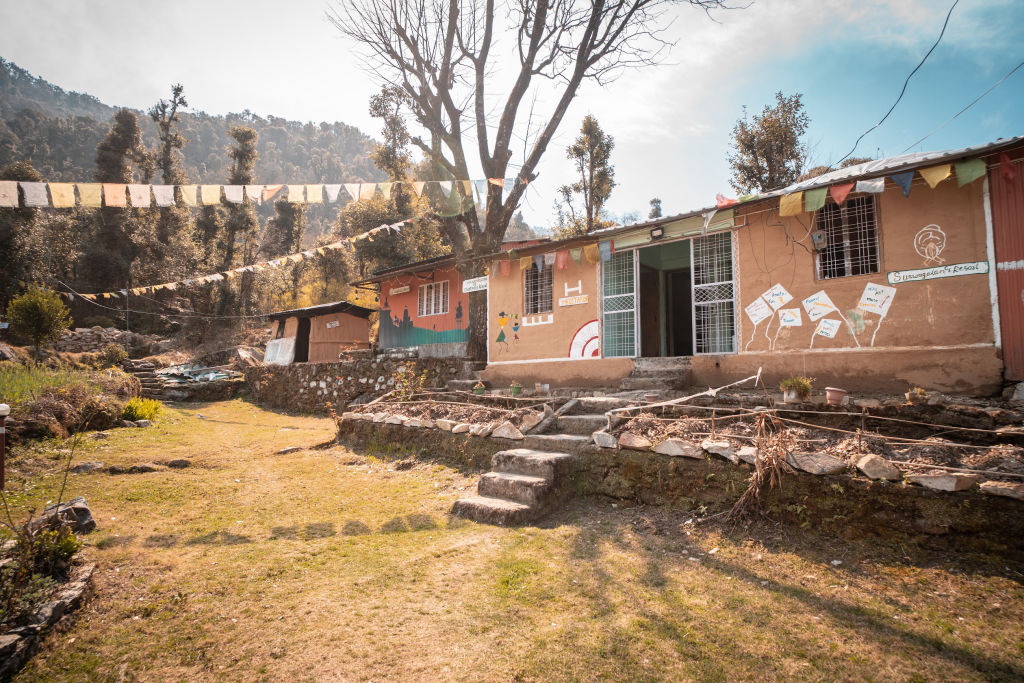
Karnaprayag and the adjacent river valleys feature a modest selection of local guesthouses, pilgrim rest houses, and family-run stays. These accommodations provide simple, comfortable facilities with authentic regional hospitality and easy access to the main road network.
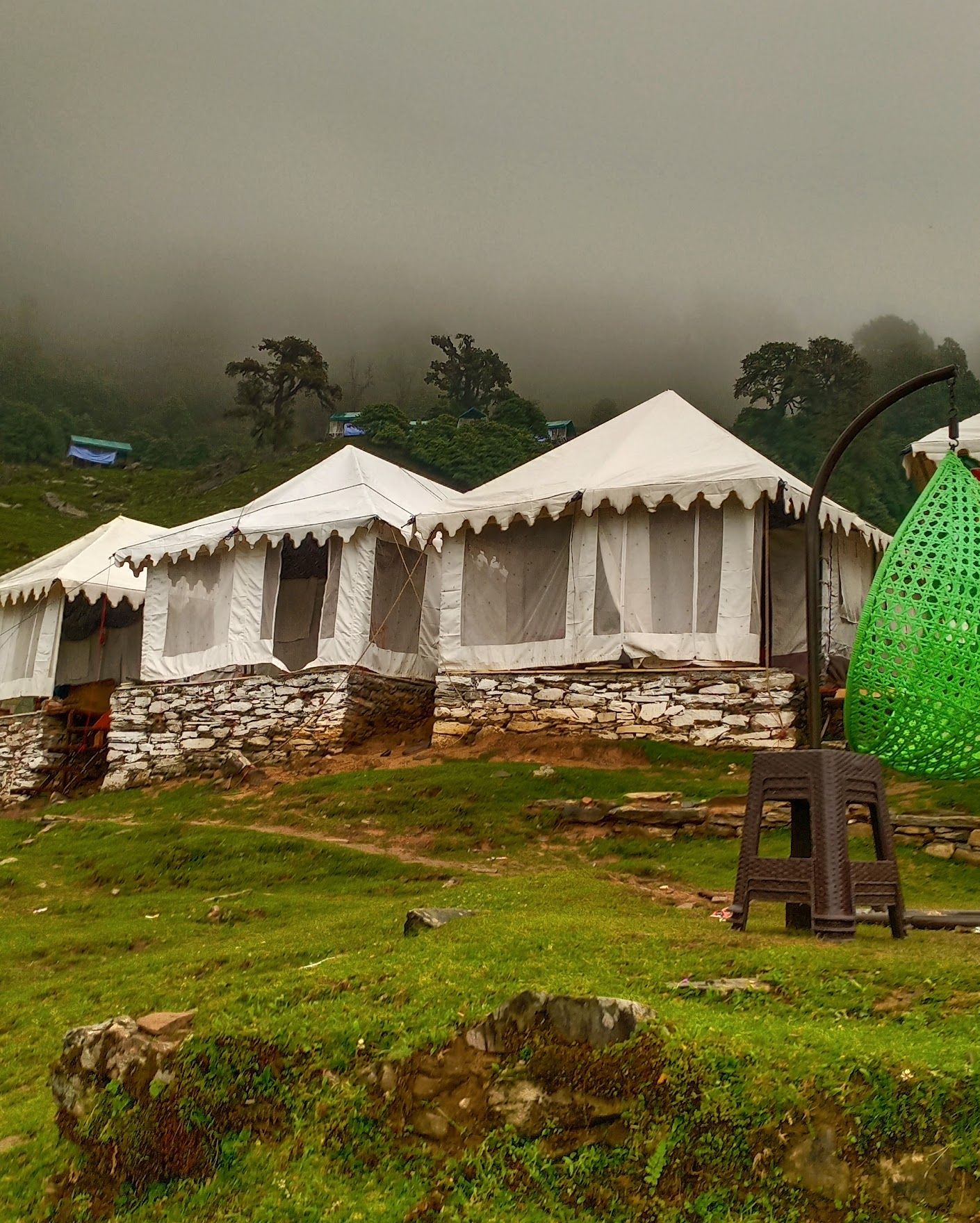
Travellers looking for quiet riverside camping, traditional village homestays, or scenic eco-stays in the surrounding hills can find options through HireACamp. Staying near the river or slightly higher up on the valley slopes allows you to wake up to the sound of flowing water and crisp mountain views.
Frequently asked questions
Where does the Pindar River meet the Alaknanda?
The Pindar River meets the Alaknanda River at Karnaprayag in Uttarakhand, which is one of the five sacred confluences known as the Panch Prayags.
Is it safe to swim in the Pindar River?
Swimming in the Pindar River is not recommended due to strong glacial currents, low water temperatures, and sudden depth changes. Visitors are advised to enjoy the river from the safety of the banks and ghats.
What is the origin of the Pindar River?
The Pindar River originates from the Pindari Glacier, nestled in the upper Kumaon Himalayas in the Bageshwar district of Uttarakhand.
Which season is best for visiting Karnaprayag and the Pindar River?
The best time to visit is from October to May, when the weather is clear, temperatures are pleasant, and river levels are stable.
Where you'll be
Karnprayag · 2 stays nearby shown with prices
Stays near Pindar River
Book a place to stay close by
More places near Pindar River
Within 20 km
Built from 0 Instagram posts by 0 creators. Every tip links back to the post it came from, and where creators disagree we show both sides.






