
Karnaprayag
Destination in Uttarakhand
Karnaprayag is a historic confluence town in the Chamoli district of Uttarakhand, nestled where the Alaknanda and Pindar rivers meet amidst the Garhwal Himalayas. Regarded as one of the sacred Panch Prayag, it draws pilgrims travelling along the Char Dham circuit as well as outdoor enthusiasts heading into high-altitude valleys. Travellers visit to experience its spiritual heritage, dramatic river valleys, and unhurried Himalayan town atmosphere.
Getting there
By road
- From Dehradun4 hr 20 min · 208 km
- From New Delhi7 hr 35 min · 420 km
- From Chandigarh8 hr · 377 km
Typical drive times without traffic. Stations and airports from OLA Maps; distances and typical drive times from OpenStreetMap (© OpenStreetMap contributors); notes from creators' Reels.
About Karnaprayag
Written with AI from map data and general knowledge. Check prices and timings locally before you go.
The significance of Karnaprayag
Karnaprayag holds an important position in the cultural and spiritual landscape of Uttarakhand as the third of the five holy confluences known as the Panch Prayag. The turbulent, silt-laden waters of the Pindar River, originating from the Pindari Glacier in the Kumaon Himalayas, merge here with the turquoise currents of the Alaknanda River. The town derives its name from Karna, one of the central figures of the Indian epic Mahabharata. According to local folklore and ancient tradition, it was here at the rocky riverbank that Karna performed intense penance to propitiate Surya, the Sun God, and was granted his impenetrable protective armour and earrings. Today, stone steps lead pilgrims down to the river confluence where bathing ghats offer quiet reflection against the sound of cascading waters. The venerable Karna Temple sits close to the meeting point of the rivers, dedicated to the legendary warrior. A short stroll higher up brings visitors to the Uma Devi Temple, an ancient shrine revered by residents across the valley. The shrine hosts regular worship rituals and seasonal festivals that celebrate the regional folklore of Garhwal.
Things to do in Karnaprayag
Spending time in Karnaprayag is an opportunity to slow down and observe the natural rhythm of life in the lower Garhwal mountains. The primary activity for visitors is visiting the river confluence, where wide concrete steps offer vantage points to watch the contrasting currents churn and mingle. The surrounding suspension bridges and vantage viewpoints provide panoramic photo opportunities of the deep gorge, terraced mountainsides, and the cluster of hillside homes. Wandering through the bustling main bazaar gives travellers a taste of local mountain commerce, where small shops sell locally grown pulses, rhododendron juice, Garhwali handlooms, and fresh seasonal mountain fruits. The town serves as a peaceful base for birdwatching, as the river banks and nearby pine groves attract kingfishers, wagtails, and Himalayan raptors throughout the morning. For those interested in cultural heritage, engaging with temple priests and village elders around the Uma Devi shrine provides valuable glimpses into the oral history and community rituals of Chamoli.
Read more
Places to visit nearby
Karnaprayag acts as a strategic crossroads linking the Garhwal and Kumaon regions, surrounded by several historically significant and picturesque destinations. A short excursion south takes travellers to the ancient temple cluster of Adi Badri, which forms part of the Panch Badri circuit. These intricately carved stone shrines date back centuries and showcase classical north Indian temple architecture amidst a peaceful village backdrop. Further east lies Gwaldam, an idyllic hill hamlet perched on the border between Garhwal and Kumaon. Surrounded by pine forests, fragrant apple orchards, and panoramic views of Mount Trishul, Gwaldam offers pleasant day walks and quiet mountain viewpoints. Another culturally notable destination is Nauti village, renowned as the traditional starting point for the historic Nanda Devi Raj Jat Yatra, a grand pilgrimage that traverses high alpine passes once every twelve years. Nature lovers can also venture toward the lush meadows and forested slopes leading into the higher reaches of Chamoli and the Pindar Valley.
Best time to visit Karnaprayag
The climate in Karnaprayag varies considerably across the seasons, making timing an essential consideration for trip planning. Spring and early summer, running from March to June, offer the most comfortable weather for exploring town, visiting open ghats, and taking road trips into adjacent valleys. Day temperatures remain pleasantly warm, while nights bring cool mountain air, making it the peak season for pilgrims and leisure travellers alike. The monsoon months of July and August bring heavy downpours across the Garhwal Himalayas. During this window, the Alaknanda and Pindar rivers swell dramatically, and road travel along the mountain highways can be interrupted by localized rockfalls and landslides, requiring extra caution and flexibility in travel schedules. Autumn, stretching from late September through November, is widely considered one of the most rewarding periods to visit. The skies clear after the rains, revealing crisp horizons, vibrant greenery, and sparkling river waters. Winter arrives between December and February, bringing cold days, sharp overnight drops in temperature, and clear vistas of snow-capped peaks in the distance.
How to reach Karnaprayag
Reaching Karnaprayag involves travelling along the scenic river arteries that connect the plains of northern India with the inner Himalayas. The closest commercial airport is Jolly Grant Airport in Dehradun, which handles daily flights from major Indian metropolitan hubs. From the airport, travellers can hire private taxis or board buses heading along National Highway 7. The nearest major railway stations are located at Haridwar, Rishikesh, and Yog Nagari Rishikesh, which are well connected to broad-gauge networks across the country. The road route follows the course of the holy rivers upward, passing through the confluences of Devprayag, Srinagar, and Rudraprayag before arriving at Karnaprayag. State transport buses, private coaches, and shared taxis operate regularly along this highway corridor throughout the day. While road widening projects have improved connectivity across the region, journey times through the hills can fluctuate depending on traffic density, weather, and seasonal pilgrimage movements, so travellers are advised to factor in ample travel time.
Tips for your visit and where to stay
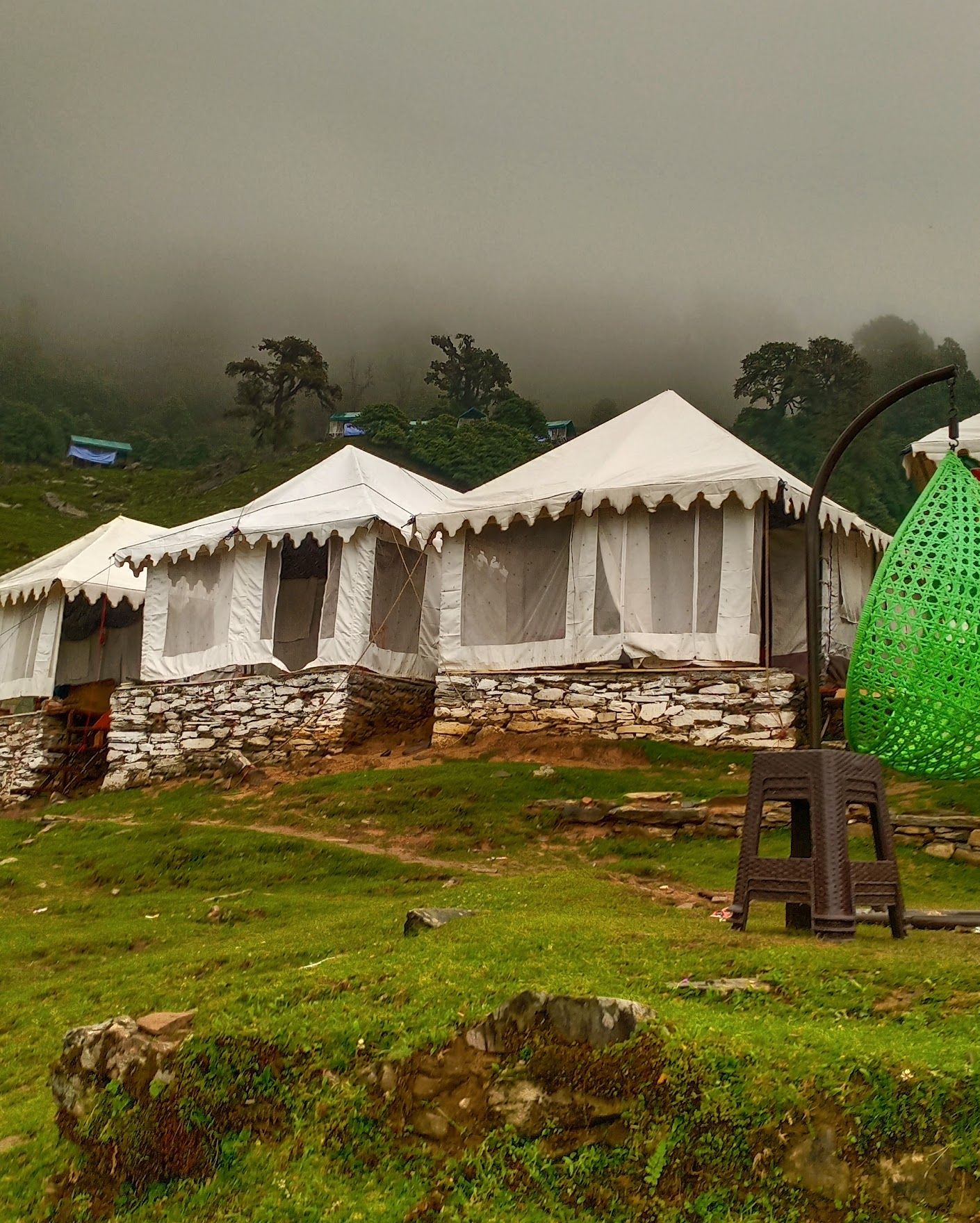
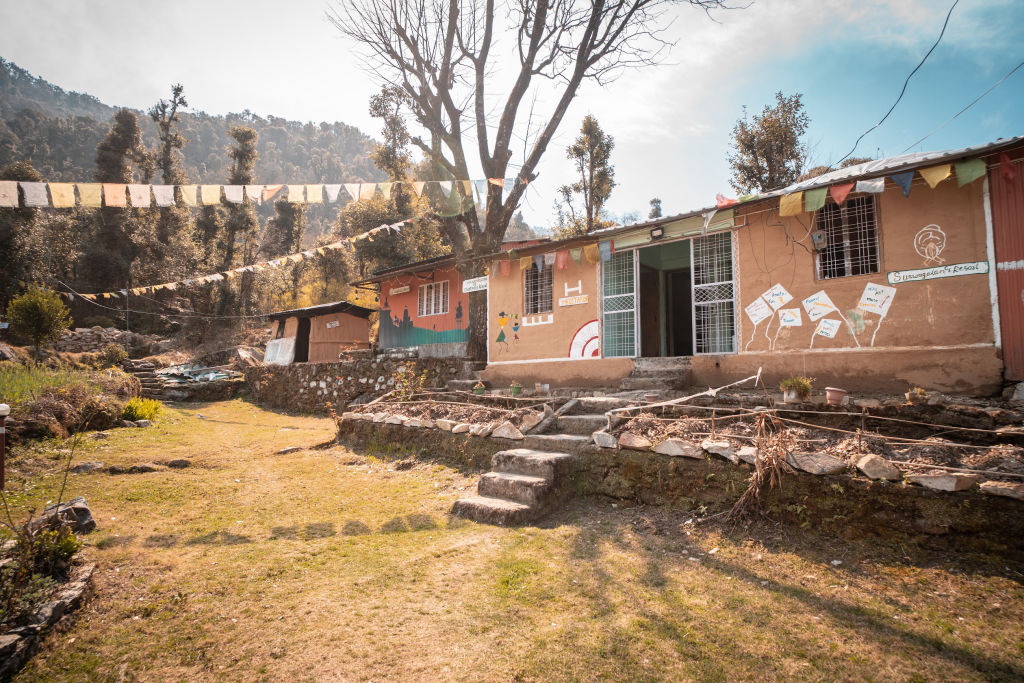
When planning an itinerary that includes Karnaprayag, keeping a few practical guidelines in mind will help ensure a smooth journey. Dress modestly when visiting sacred river ghats and local temples, and remove footwear wherever designated before stepping into sanctums. Mountain weather can change swiftly, so carrying warm layers, a dependable windproof jacket, and a rain poncho is recommended regardless of the season. Given the winding terrain, keeping travel sickness remedies on hand is beneficial for those sensitive to hill drives. Mobile networks are generally dependable in town, but keeping offline maps and a modest reserve of cash is practical for small market purchases and rural detours. For travellers seeking accommodation in the area, a variety of peaceful mountain homestays, riverside cabins, and scenic camping options around Karnaprayag and its neighboring valleys can be discovered and reserved through HireACamp.
Frequently asked questions
Which rivers meet at Karnaprayag?
Karnaprayag is the sacred confluence point where the Alaknanda River meets the Pindar River, which flows down from the Pindari Glacier.
Why is Karnaprayag spiritually significant?
It is counted among the sacred Panch Prayag of Uttarakhand and is revered in mythology as the site where Karna from the Mahabharata meditated to receive celestial gifts from the Sun God.
Can Karnaprayag be visited during winter?
Yes, Karnaprayag remains accessible during winter with clear skies and crisp, cold weather, though travellers should carry heavy woolen clothing for cold evenings.
Is Karnaprayag on the route to Badrinath?
Yes, Karnaprayag is situated directly along National Highway 7, making it a prominent stop for travellers and pilgrims journeying toward Joshimath and Badrinath.
What is the best way to travel locally around Karnaprayag?
Walking is the best way to explore the riverside ghats and local bazaars, while shared taxis and private vehicles are recommended for visiting nearby sites like Adi Badri and Gwaldam.
Where you'll be
2 stays nearby shown with prices
Stays near Karnaprayag
Book a place to stay close by
Things to do in Karnaprayag
42 places creators recommend within 30 km
Built from 0 Instagram posts by 0 creators. Every tip links back to the post it came from, and where creators disagree we show both sides.






