
Kedarnath
Destination in Uttarakhand
Kedarnath is a historic Himalayan town situated along the Mandakini River in the Rudraprayag district of Uttarakhand. Resting at an elevation of more than 3,500 metres against the backdrop of snow-capped Kedarnath Peak, it is one of the most revered pilgrimage sites in India. Pilgrims and mountain enthusiasts journey here to visit the centuries-old Shiva temple and explore the dramatic glacial valleys of the upper Garhwal Himalayas.
Getting there
By road
- From Dehradun5 hr 10 min · 249 km
- From New Delhi8 hr 25 min · 461 km
- From Chandigarh8 hr 50 min · 418 km
Typical drive times without traffic. Stations and airports from OLA Maps; distances and typical drive times from OpenStreetMap (© OpenStreetMap contributors); notes from creators' Reels.
About Kedarnath
Written with AI from map data and general knowledge. Check prices and timings locally before you go.
The Spiritual and Natural Setting of Kedarnath
Perched high in the Garhwal Himalayas, Kedarnath is set within an amphitheatre of rugged, glaciated peaks. The town developed around the sacred Kedarnath Temple, an ancient stone shrine dedicated to Lord Shiva that forms part of both the Chota Char Dham circuit and the Panch Kedar shrines. Behind the temple stands the formidable bulk of the Kedarnath peak, flanked by the Kedar Dome and adjacent ridges that stay blanketed in snow throughout much of the year.
The town itself is modest, primarily consisting of guesthouses, ashrams, and tea stalls that cater to travellers during the pilgrimage window. Flowing just beside the settlement is the Mandakini River, which originates from the Chorabari Glacier higher up the valley. The thin air, vast moraine fields, and stark mountain topography give Kedarnath a solemn and humbling atmosphere that draws people from across the globe.
Things to do in Kedarnath
The primary reason most visitors make the demanding journey is to visit the Kedarnath Temple. The structure, built out of massive interlocking grey stone slabs, has stood through centuries of harsh Himalayan weather. Standing in the temple courtyard in the early morning as the peaks catch the first light, or attending the evening aarti as the sound of bells and chants echoes off the stone walls, is a deeply moving experience regardless of one's background.
Beyond the main temple, a short and steep trail leads uphill to the Bhairavnath Temple. Situated on a ridge overlooking the valley, this small shrine offers panoramic views of the entire Kedarnath settlement and the expansive glacial basin below. For experienced walkers comfortable with high altitude, an excursion to Chorabari Tal, also known as Gandhi Sarovar, provides an intimate look at the retreating ice of the Chorabari Glacier and the tranquil waters of the tarn. Taking time to walk along the outer fringes of the town reveals the stark beauty of the alpine terrain, where wild streams cut through rocky riverbeds.
Read more
Nearby getaways in the valley
The journey to Kedarnath traverses the Mandakini Valley, which is dotted with notable mountain towns and historic shrines. Gaurikund serves as the base for the uphill walk, famous for its natural hot springs and religious heritage associated with Goddess Parvati. A short detour from the main route down the valley leads to Triyuginarayan, an ancient village known for its distinctive wooden and stone temple where, according to folklore, the celestial wedding of Shiva and Parvati occurred.
Further down the valley lies Guptkashi, a busy market town situated on a ridge that features the ancient Vishwanath Temple and offers expansive views across the valley towards the Chaukhamba massif. Travellers with extra days often branch off from Kund toward Chopta, known for its sprawling alpine meadows and the scenic trek up to Tungnath, the highest of the Panch Kedar temples, followed by the summit of Chandrashila Peak. These lower valley stops provide a welcome change of pace with dense rhododendron forests and mild weather.
Best time to visit Kedarnath
Due to heavy snowfall and extreme winter conditions, Kedarnath remains closed for approximately six months every year. The town and temple typically open to visitors in late April or early May around Akshaya Tritiya, and close shortly after Diwali in late October or early November. The visiting window is split into two distinct travel seasons: summer and autumn.
May and June offer the most stable conditions, with daytime temperatures that are comfortable for walking, though nights remain quite cold. This is also the busiest period of the year, bringing large numbers of pilgrims. The monsoon arrives in July and lasts through August, bringing persistent rain that increases the risk of landslides, road blockages, and slick trails in the mountains. September and October mark the autumn season, often considered the best time for clear mountain views. During these months, the skies clear, the air turns crisp, and daytime temperatures become cooler before early winter snow flurries begin in late October.
How to reach Kedarnath
Reaching Kedarnath requires a combination of road travel and mountain trekking. The nearest airport is Jolly Grant Airport in Dehradun, while the closest major railway stations are located in Rishikesh, Haridwar, and Dehradun. From these transit hubs, travellers take state buses, shared jeeps, or private taxis through Devprayag, Srinagar, and Rudraprayag along the banks of the Alaknanda and Mandakini rivers to reach Sonprayag.
At Sonprayag, private vehicles are generally parked, and local shuttle jeeps transport passengers for the short ride up to Gaurikund, where the road ends. From Gaurikund, travellers must cover a strenuous uphill trek of roughly sixteen to eighteen kilometres to reach the Kedarnath township. Those unable to walk the steep trail often hire local ponies, palanquins, or make use of regional helicopter ferry services operating from helipads situated along the lower valley, such as Guptkashi, Phata, and Sersi.
Trekking and packing tips for your visit
Because Kedarnath sits at an altitude above 3,500 metres, acute mountain sickness is a real possibility for those who ascend too rapidly. Spending a night at an intermediate elevation like Guptkashi or Sonprayag before attempting the walk helps the body adjust to the thinner air. Walking at a steady, measured pace and staying hydrated along the trail are vital for avoiding exhaustion.
Weather in the high Himalayas changes without warning, meaning a clear morning can turn into a damp, freezing afternoon very quickly. Always carry a reliable windproof and waterproof outer layer, warm fleece or down jackets, thermal inner wear, and gloves. Sturdy trekking shoes with ankle support and deep tread are essential for the uneven, paved mountain path. A pair of lightweight trekking poles will relieve considerable stress on your knees during the steep climb and the long descent back down.
Where to stay around Kedarnath
Accommodation options in Kedarnath itself are simple and primarily functional, consisting of ashram dormitories, basic government huts, and small guest rooms built to shelter pilgrims overnight. Because space at the top is limited and temperatures plummet after dark, many travellers prefer to base themselves lower down the valley where the weather is milder and conditions are more comfortable.
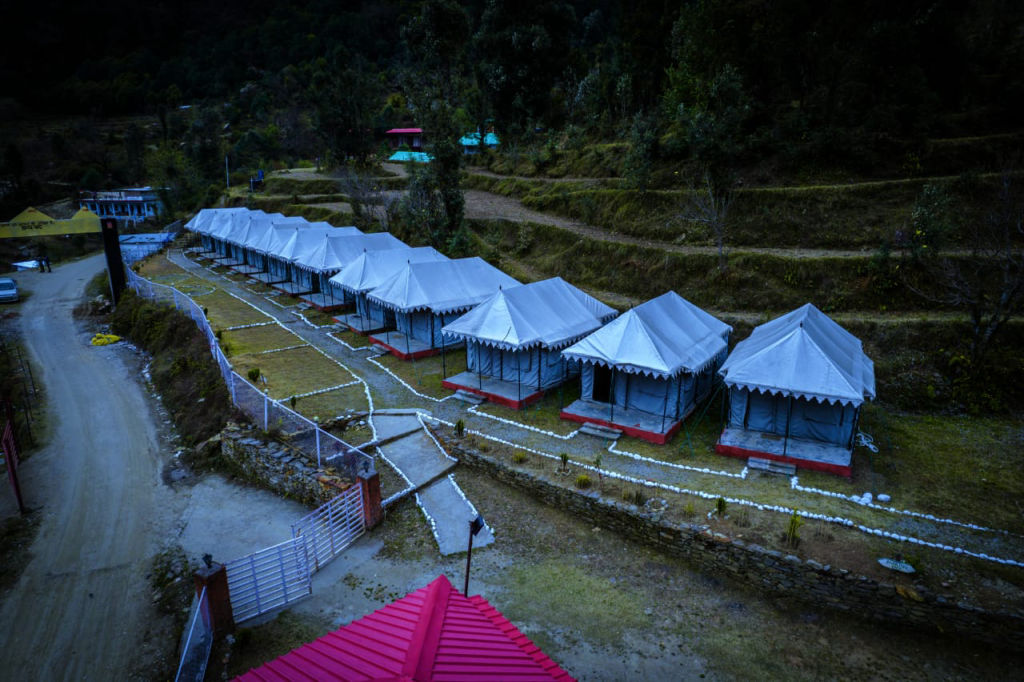
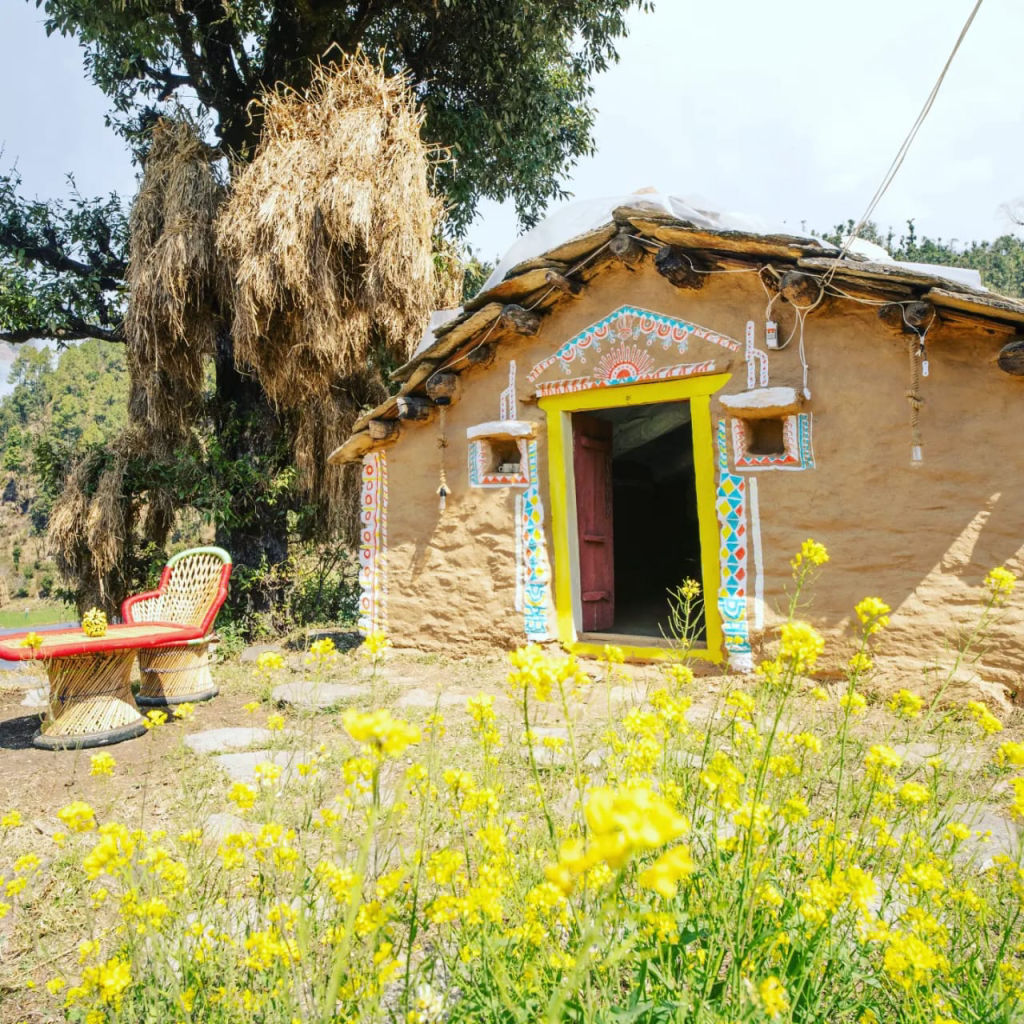
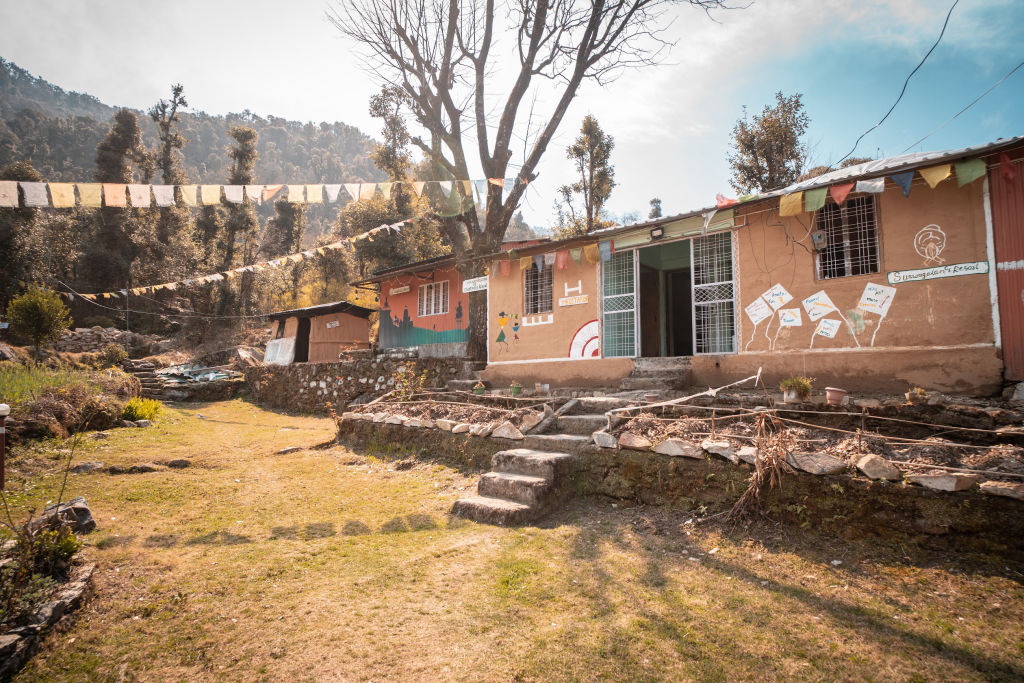
Along the valley floor—especially around Sonprayag, Guptkashi, Phata, and the meadows toward Chopta—you will find an array of restful camps, homestays, and family-run lodges. These lower valley options provide welcoming local hospitality, warm meals, and peaceful mountain views away from the crowded temple area. You can discover and book verified camps, homestays, and hillside retreats in the region directly on HireACamp.
Frequently asked questions
How long is the trek to Kedarnath from Gaurikund?
The trek from Gaurikund to Kedarnath is approximately 16 to 18 kilometres long along a paved, steep mountain path. Most walkers take between six and ten hours to complete the ascent depending on their physical fitness and pace.
Is Kedarnath open throughout the whole year?
No, Kedarnath is closed during the winter months due to heavy snow and sub-zero temperatures. It typically opens in late April or early May and closes in late October or early November following the festival of Diwali.
Can I visit Kedarnath without trekking?
Yes, visitors who cannot walk the route can hire ponies, mules, or palanquins carried by local porters from Gaurikund. Helicopter shuttle flights also operate from helipads in the lower valley, though these depend heavily on clear weather conditions.
What kind of clothing should I pack for Kedarnath?
Even in the summer months of May and June, night-time temperatures near the shrine can drop close to freezing. You should pack thermal innerwear, a heavy fleece or down jacket, a waterproof and windproof shell, a warm cap, and sturdy trekking shoes.
Where should I stay when visiting Kedarnath?
Basic guest houses and huts are available near the temple for an overnight stay, but many visitors stay in scenic camps and homestays down the valley in places like Guptkashi and Sonprayag, which can be found on HireACamp.
Where you'll be
3 stays nearby shown with prices
Stays near Kedarnath
Book a place to stay close by
Things to do in Kedarnath
40 places creators recommend within 30 km


Built from 0 Instagram posts by 0 creators. Every tip links back to the post it came from, and where creators disagree we show both sides.






