
Lippa
Destination in Himachal Pradesh
Lippa is a serene mountain village situated in the rugged upper reaches of the Kinnaur district in Himachal Pradesh. Set amidst dramatic Himalayan slopes, dense pine groves, and terraced apple orchards, the settlement is known for its rich Kinnauri culture and centuries-old Buddhist heritage. Travellers head to Lippa to experience authentic village life, escape bustling transit corridors, and explore the stark natural landscapes of the trans-Himalayan borderland.
Getting there
By road
- From Chandigarh7 hr 40 min · 367 km
- From Ludhiana9 hr 40 min · 469 km
- From Dehradun9 hr 50 min · 484 km
- From New Delhi12 hr 20 min · 657 km
Typical drive times without traffic. Stations and airports from OLA Maps; distances and typical drive times from OpenStreetMap (© OpenStreetMap contributors); notes from creators' Reels.
About Lippa
Written with AI from map data and general knowledge. Check prices and timings locally before you go.
Understanding Lippa and its landscape
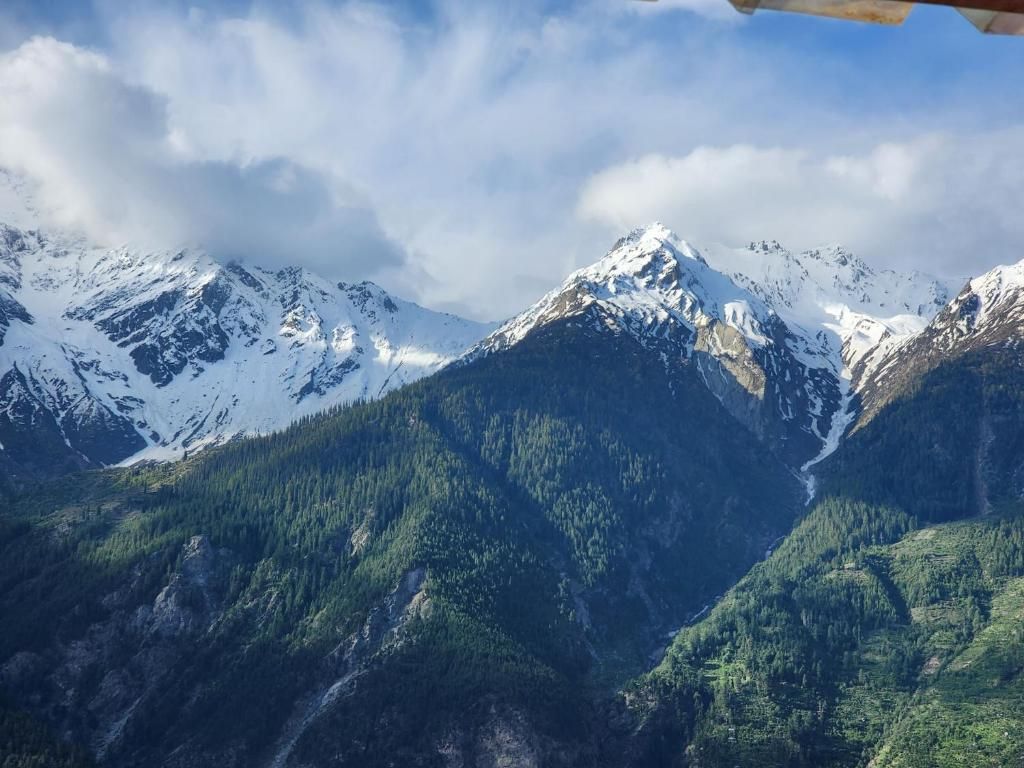
Perched high in the Taiti stream basin, Lippa occupies an alpine niche characterized by sweeping views of rugged peaks and arid slopes. The village belongs to upper Kinnaur, where the climate shifts from the lush cedar forests of the lower valleys toward the rain-shadow expanses bordering Tibet. The surrounding mountains rise steeply, sheltering pockets of juniper, birch, and alpine meadows that are home to native wildlife such as the Himalayan ibex, musk deer, and brown bear.
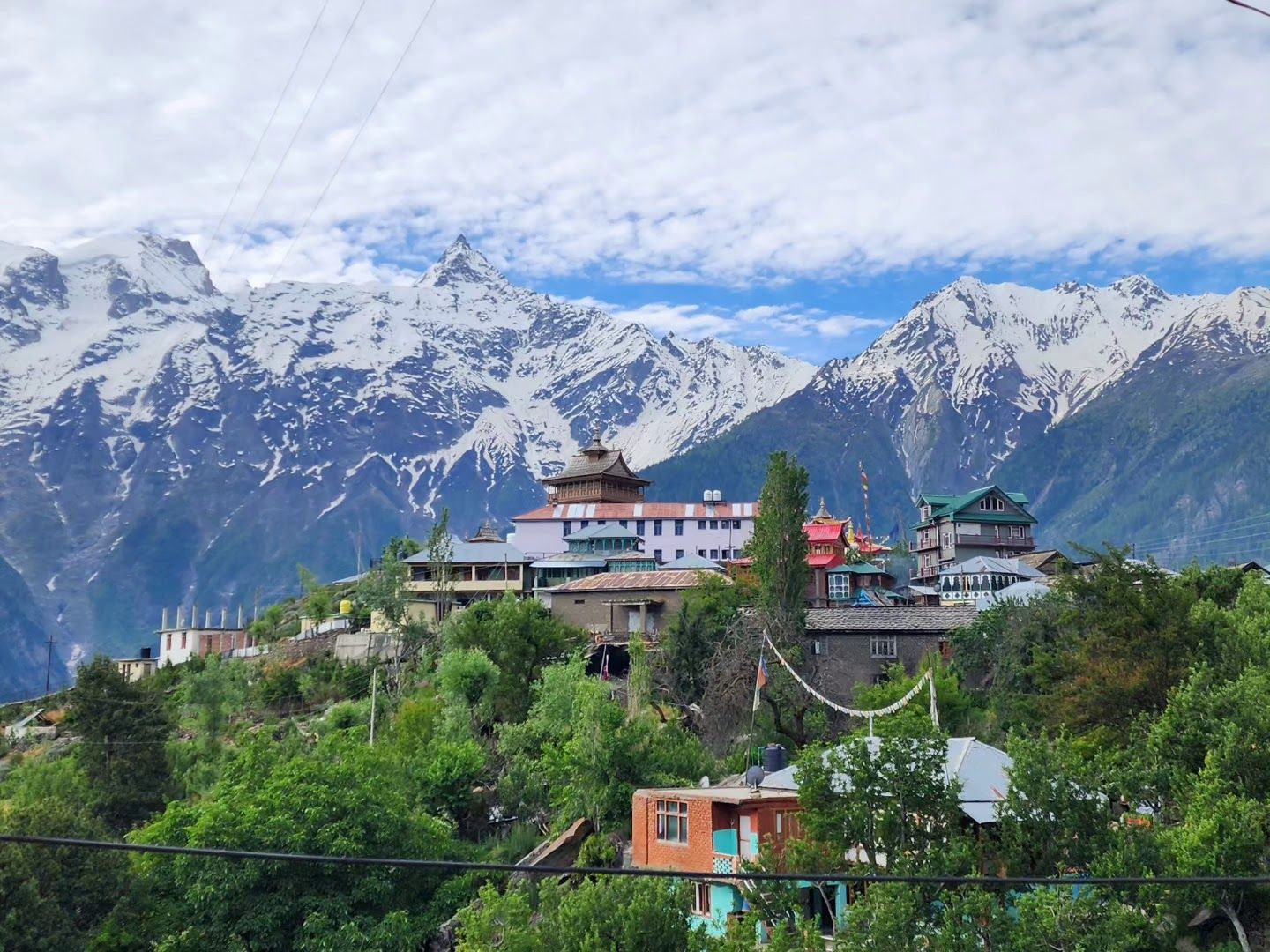
Traditional life in Lippa revolves around farming, horticulture, and pastoralism. Terraced fields climb the hillsides, supporting apple and apricot orchards alongside crops of barley, buckwheat, and pulses. Wooden houses with carved balconies and slate roofs demonstrate the vernacular Kinnauri architectural style, designed to withstand deep winter snows while providing airy living quarters during the temperate summer months.
Things to do in and around Lippa
Walking through Lippa offers a direct glimpse into Kinnaur's living traditions. You can wander along narrow village pathways flanked by dry-stone walls and wooden farmhouses, where prayer flags flutter in the mountain breeze. Lippa has a notable Buddhist presence, with local monasteries and shrines housing ancient prayer wheels, murals, and religious texts. Spending time around these quiet sanctuaries allows visitors to appreciate the spiritual syncretism between Buddhism and local animist traditions that defines Kinnauri belief systems.
Outdoor enthusiasts can venture out on day hikes along the surrounding ridges and shepherds' trails. Walking upstream along the glacial torrents that feed the village opens up dramatic views of distant snow-clad peaks like Jorkanden. Birdwatchers and nature photographers will appreciate the diverse high-altitude avifauna, including Himalayan griffons, monals, and choughs soaring above the cliffs. The tranquil pace makes it an ideal spot to sit by the mountain streams or read in an apple orchard away from highway traffic.
Read more
Places to visit near Lippa
Lippa serves as an excellent base for exploring the diverse landscapes of Kinnaur. Just across the mountain ridges lies the Lippa-Asrang Wildlife Sanctuary, a remote conservation area that protects high-altitude flora and endangered fauna. While travel into the sanctuary requires careful local navigation, the outer trails provide rugged hiking routes through unspoilt alpine wilderness.
Further down the main highway, about 18 kilometres away as the crow flies, lies the historic village of Kalpa. Kalpa provides magnificent vistas of the Kinnaur Kailash massif and is celebrated for its historic Hu-Bu-Lan-Kar monastery and bustling orchards. Further south, the Sangla and Baspa river valleys beckon with destinations like Kamru Fort, Kamru Village, and the picturesque hiking routes running between Rakchham and Chitkul. Combining Lippa with these varied cultural and scenic destinations provides a well-rounded Kinnauri journey.
Best time to visit Lippa
The optimal time to visit Lippa is from May through October, when the high-altitude passes and valley roads are free of heavy snow. Late spring and early summer bring pleasant daytime temperatures, blooming wild flora, and crystal-clear mountain streams, making it comfortable for walking and outdoor exploration.
Monsoon season in late July and August brings occasional showers to the lower reaches of Kinnaur, though Lippa sits closer to the rain-shadow belt and receives relatively less precipitation. However, access roads along the National Highway can be vulnerable to landslides, requiring flexible travel plans. Autumn, particularly September and October, is arguably the most scenic season. During these months, the apple harvest is in full swing, orchard leaves turn golden amber, and the skies are extraordinarily clear for viewing the surrounding peaks. Winters are severe, with freezing temperatures and significant snowfall that can cut off vehicle access.
How to reach Lippa
Reaching Lippa involves a scenic journey along the Hindustan-Tibet Road (National Highway 5). The nearest major railway station is in Kalka, and the nearest functional airport is in Shimla, though most travellers prefer road journeys starting from Shimla or Chandigarh. From Shimla, the highway leads through Narkanda, Rampur, and Tapri, following the Sutlej River gorge up into Kinnaur.
After passing Reckong Peo and crossing the bridge near Spello or Moorang, a link road branches off the highway to wind upward to Lippa. Due to the winding, narrow mountain terrain and unpaved stretches, private taxis or sturdy high-clearance vehicles are recommended for the final approach. Regular state transport buses connect Reckong Peo to surrounding villages, but services to interior settlements like Lippa can be infrequent, so checking schedules locally at the Peo bus terminal is advisable.
Tips for your visit
Because Lippa sits at a high elevation, take sufficient time to acclimatize if you are arriving rapidly from the plains. Stay well-hydrated, avoid overexertion on your first day, and carry basic personal medications. The mountain air is dry, and the sun can be intense at high altitudes, so a sun hat, high-SPF sunscreen, and sunglasses are essential.
Cellular reception in Lippa can be inconsistent, with state-owned networks generally offering better coverage than private operators. Power cuts can occur after weather events, so bring a portable power bank. Always carry adequate cash, as the nearest automated teller machines are located in larger hubs like Reckong Peo or Pooh. Lastly, remember that Lippa is a traditional agrarian community; dress modestly when entering local shrines and always ask for permission before photographing residents or religious rituals.
Where to stay in Lippa
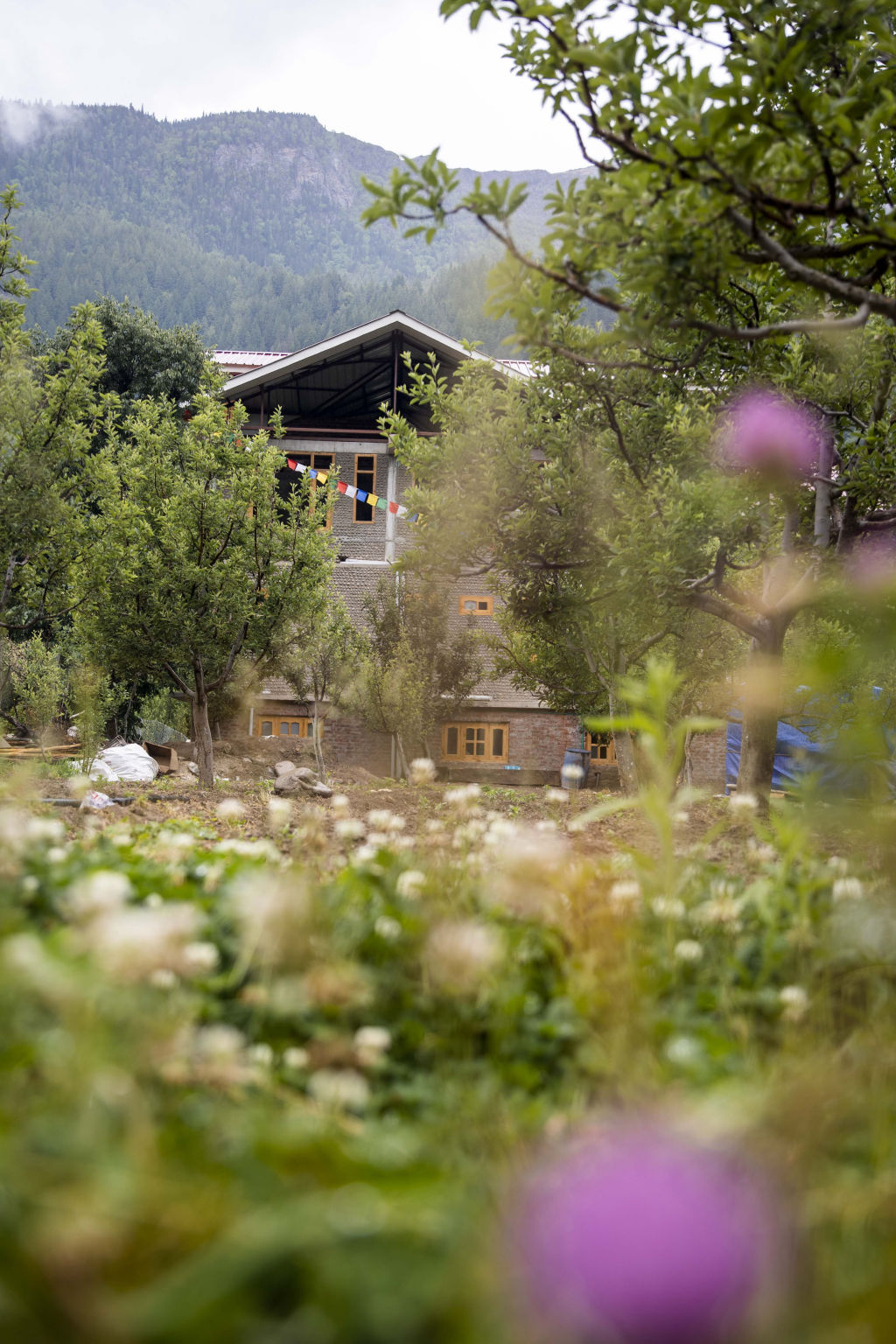
Accommodation options within Lippa are simple and intimate, consisting primarily of family-run homestays and modest village guesthouses. Staying with a local family provides an authentic glimpse into Kinnauri cuisine, featuring locally grown grains, rajma, and homemade apple preserves, alongside wood-warmed interiors that reflect regional hospitality.
Travellers interested in outdoor stays, riverside campsites, and traditional homestays across Kinnaur and surrounding valleys can explore curated accommodations on HireACamp. Booking your stay in advance helps ensure smooth logistics, especially if visiting during the peak apple harvest or festival seasons in early autumn.
Frequently asked questions
What is Lippa famous for?
Lippa is known for its traditional Kinnauri village architecture, historic Buddhist shrines, lush apple orchards, and its proximity to the rugged Lippa-Asrang Wildlife Sanctuary.
Do I need any permits to visit Lippa?
Indian nationals do not need permits to visit Lippa. Foreign travellers should check current Inner Line Permit requirements at the Reckong Peo administrative offices if their travel itinerary extends beyond Spello toward the Tibetan border.
How is the road condition to Lippa?
The main route follows National Highway 5, which is mostly paved but subject to rockfalls. The final approach to Lippa is via a steep, winding mountain road that requires cautious driving and a high-clearance vehicle.
Is Lippa open to visitors during winter?
While the village remains inhabited year-round, heavy snow can block the approach road and cause freezing conditions. Winter travel requires careful checking of local road status and self-sufficient preparation.
Where you'll be
3 stays nearby shown with prices
Stays near Lippa
Book a place to stay close by
Things to do in Lippa
25 places creators recommend within 30 km


Built from 0 Instagram posts by 0 creators. Every tip links back to the post it came from, and where creators disagree we show both sides.






