
Kukadeshwar Temple
Temple near Ghatghar, Maharashtra
5.9 km from Ghatghar
The nearest town, for stays, food and fuel.
Kukadeshwar Temple is an ancient stone sanctuary dedicated to Lord Shiva, located in the rugged Sahyadri foothills near Junnar in Maharashtra. Set near the origin of the Kukadi River, the temple draws heritage enthusiasts, trekkers, and pilgrims exploring the historical landscape around Naneghat and Manikdoh Dam. Visitors come to admire its weathered Hemadpanthi architecture, delicate stone carvings, and tranquil rural setting surrounded by Western Ghats peaks.
Getting there
By road
- From GhatgharNearest town28 min · 12 km
- From Pune2 hr 55 min · 114 km
- From Nashik3 hr 50 min · 170 km
- From Mumbai 4 hr 20 min · 223 km
Typical drive times without traffic. Stations and airports from OLA Maps; distances and typical drive times from OpenStreetMap (© OpenStreetMap contributors); notes from creators' Reels.
About Kukadeshwar Temple
Written with AI from map data and general knowledge. Check prices and timings locally before you go.
The Legacy of Kukadeshwar Temple
Tucked away in the western edges of Pune district near the historic town of Junnar, Kukadeshwar Temple stands as an enduring testament to early medieval temple architecture in Maharashtra. Dedicated to Lord Shiva, the shrine takes its name from the Kukadi River, whose headwaters gather in the surrounding valleys before flowing eastward across the Deccan plateau. The temple has stood for centuries along the old transit trails that linked the Konkan coast to the inland plateau through the high mountain passes.
While time and weather have left their mark on the superstructure, the inner sanctum and surrounding stone elements continue to evoke a deep sense of reverence and antiquity. Travellers who venture off the beaten path find a peaceful heritage site that feels untouched by heavy commercial tourism, making it an ideal retreat for those interested in archaeology, regional history, and rural exploration.
Architecture and Carvings of Kukadeshwar
The temple is constructed in the classic Hemadpanthi style typical of the medieval Deccan, characterized by locally quarried basalt blocks fitted together with precision. The entrance mandapa and inner corridors feature ornate stone pillars bearing fine geometric bands, floral motifs, and depictions of mythological figures. Even where portions of the exterior walls have weathered, the surviving friezes reveal the artistry of medieval stonemasons.
At the heart of the complex lies the subterranean or semi-sunken sanctum sanctorum housing the Shiva Lingam. A naturally fed water cistern or small kunda nearby underlines the traditional relationship between medieval water engineering and religious sanctuaries in the rain-heavy Sahyadris. Spending an unhurried hour observing the carved plinths, recessed niches, and ceiling medallions offers insight into the architectural traditions that once flourished across this trade corridor.
Read more
The Natural Setting Around Kukadeshwar
Kukadeshwar Temple is framed by dramatic Sahyadri scenery. High basalt plateaus, steep escarpments, and rolling farmland flank the approaches to the temple. The nearby waters of Manikdoh Dam create a shimmering lake basin in the valley, framed by the jagged silhouettes of peaks like Jivdhan and the crags around Naneghat.
The area retains an authentic countryside rhythm where local farmers cultivate rice, millet, and seasonal vegetables in the shadow of imposing cliff faces. In the quiet hours of early morning and late afternoon, the calls of crested serpent eagles, drongos, and bulbuls echo across the valley, making the temple grounds an atmospheric resting point for nature lovers driving or cycling through the Junnar region.
Best Time to Visit Kukadeshwar Temple
The ideal time to visit Kukadeshwar Temple is between July and February, when the Western Ghats showcase their most pleasant weather. The monsoon season, extending from July to September, transforms the surrounding hills into vibrant green slopes threaded with countless temporary waterfalls. Rain showers can be intense, but the mist-veiled landscape and full water reservoirs make the journey visually striking.
Post-monsoon and winter months, from October through February, offer clear skies, cool breezes, and comfortable temperatures for exploring outdoor ruins and mountain paths. The surrounding fields turn golden, and walking around the stone pavilions is far more comfortable than during the summer. Summer months from March to May can be dry and warm, so visitors planning a trip then should aim for early morning or late afternoon visits.
Places to Explore Near Kukadeshwar
The region surrounding Kukadeshwar Temple is filled with significant natural and historical landmarks. Just a short journey away lies Naneghat, an ancient toll pass dating back over two millennia, famous for its rock-cut inscriptions and sweeping views down to the Konkan plains. Towering above the pass is Jivdhan Fort, a formidable hill fort that once guarded the trade corridor and now attracts hikers.
A short drive east brings you to the broad catchment of Manikdoh Dam, known for its tranquil reservoir views. Farther along the mountain ridge, Malshej Ghat offers dramatic canyon overlooks and monsoon cloudscapes, while the massive ramparts of Harishchandragad and Gorakhgad provide world-class trekking opportunities for adventurous outdoor travellers. Those interested in sacred architecture can also journey north toward the ancient Shree Amruteshwar Temple near Ratanwadi.
How to Reach Kukadeshwar Temple
Kukadeshwar Temple is accessed via the historic taluka hub of Junnar. Junnar is well connected by state highway to major cities in Maharashtra, located roughly halfway between Pune and Nashik, and accessible from Mumbai via the scenic Malshej Ghat route on the Kalyan-Ahmednagar highway.
From Junnar, rural roads lead west toward the village and temple. The final stretch winds past farming settlements and along the edge of the Manikdoh backwaters. While state transport buses connect Junnar to nearby villages at limited intervals, having your own private vehicle, motorbike, or hired cab provides the flexibility needed to navigate the rural lanes and explore neighbouring attractions at your own pace.
Tips for Your Visit
When planning a visit to Kukadeshwar Temple, keep in mind that this is a remote rural location with limited commercial infrastructure. Wear comfortable walking shoes suitable for uneven stone surfaces and dirt trails. Because mobile connectivity can be intermittent in the shadow of the ghats, it is wise to download offline maps before setting out from Junnar.
Carry sufficient drinking water and light refreshments, as shops near the temple itself are modest and may keep irregular hours. As with all active places of worship and heritage sites, visitors are expected to dress modestly, remove footwear before stepping into the sanctum, and treat the ancient stone carvings with care without climbing on damaged structures.
Where to Stay Near Kukadeshwar
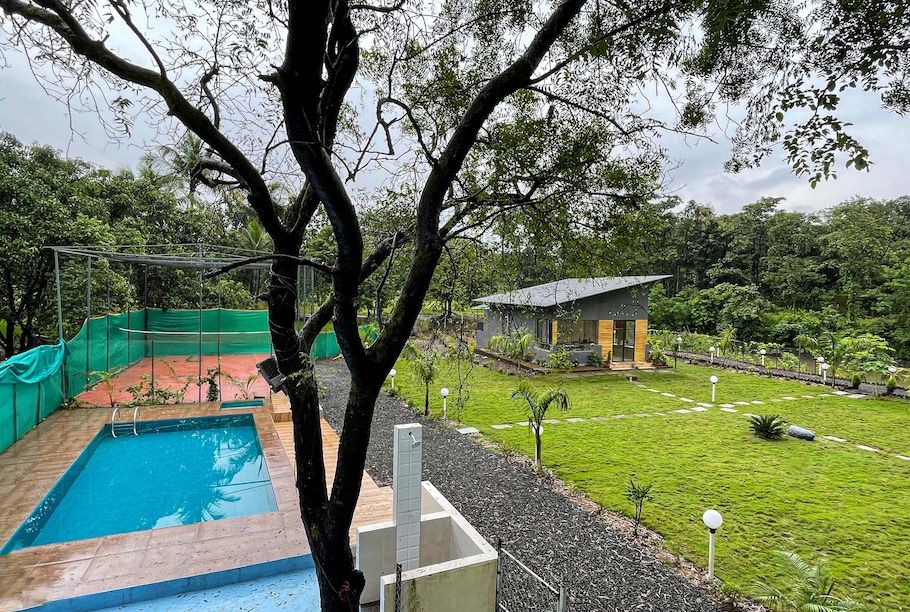
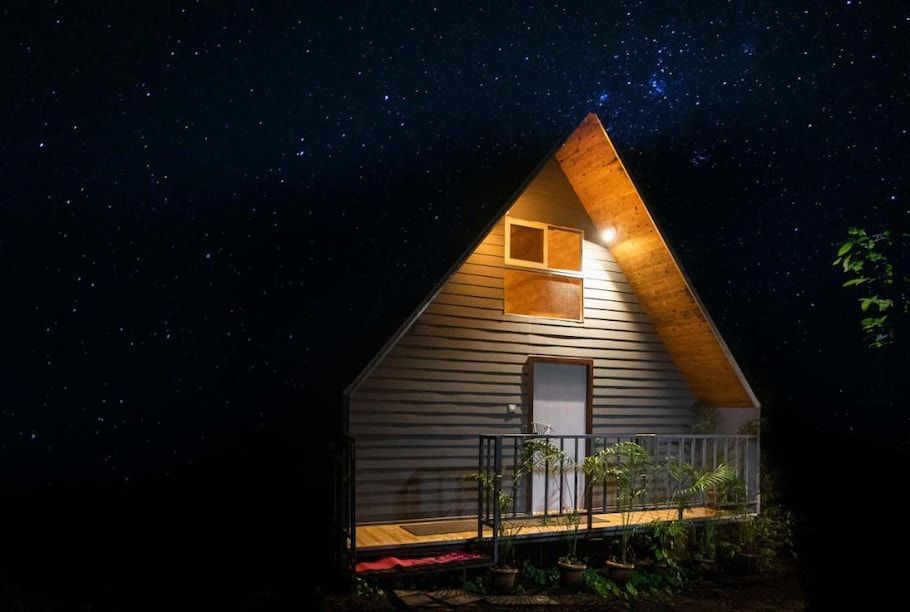
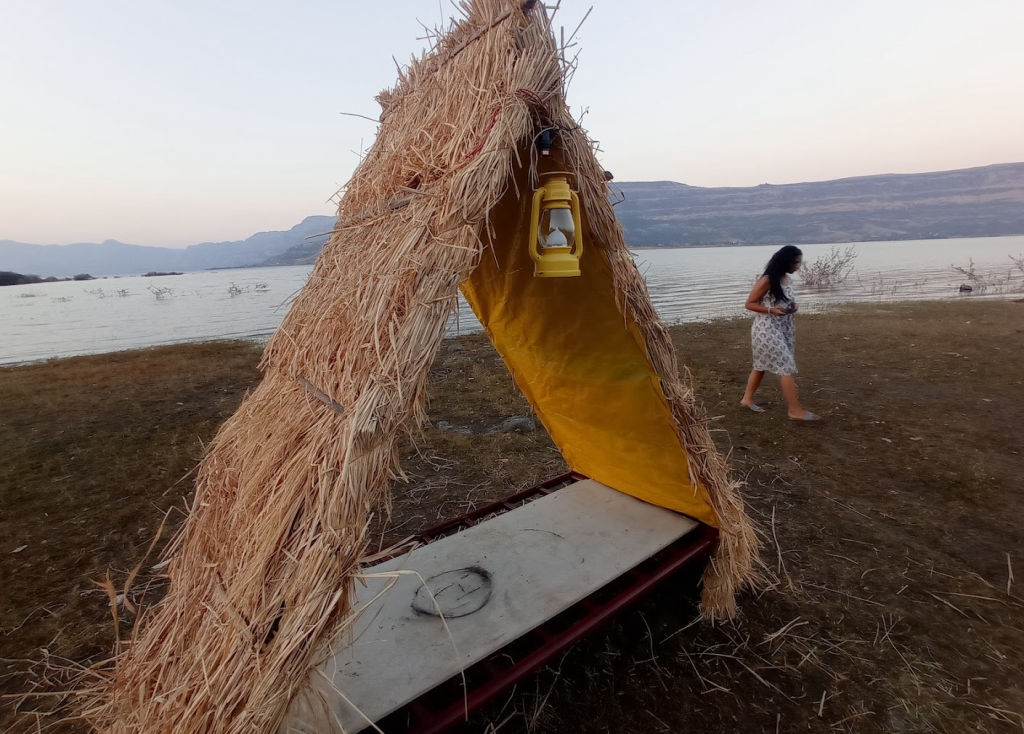
Because Kukadeshwar Temple sits in a tranquil rural pocket, lodging directly adjacent to the shrine is sparse. However, the wider Junnar region, the shores of nearby dams, and the foothills of the Sahyadri ranges offer a variety of inviting accommodation options. Travellers can find scenic campsites, comfortable rural homestays, and rustic nature cottages listed on HireACamp. Staying nearby allows you to enjoy early morning views of the mist-covered peaks and explore the area's ancient forts and temples without feeling rushed.
Frequently asked questions
Which deity is Kukadeshwar Temple dedicated to?
Kukadeshwar Temple is dedicated to Lord Shiva, who is enshrined as a Shiva Lingam within the inner stone sanctum.
What architectural style is seen at Kukadeshwar Temple?
The temple is constructed in the medieval Hemadpanthi style, characterized by intricately carved basalt pillars, stone lintels, and interlocking masonry.
Can Kukadeshwar Temple be visited during the monsoon?
Yes, monsoon is one of the most picturesque times to visit, as the surrounding Sahyadri hills turn lush green and seasonal streams flow through the valleys, though visitors should drive carefully on wet rural roads.
What other attractions can be visited alongside Kukadeshwar Temple?
Visitors often combine Kukadeshwar Temple with trips to the historic Naneghat mountain pass, Jivdhan Fort, Manikdoh Dam, and the scenic viewpoints of Malshej Ghat.
Are there food and accommodation facilities at the temple?
Facilities right at the temple are minimal, but basic meals can be found in nearby villages and Junnar town, while campsites and homestays are available throughout the surrounding area on HireACamp.
Where you'll be
Kukadeshwar, Junnar, MH · 3 stays nearby shown with prices
Stays near Kukadeshwar Temple
Book a place to stay close by
More places near Kukadeshwar Temple
Within 20 km


Lists for this area
Ranked by how many creators recommend each place


Built from 0 Instagram posts by 0 creators. Every tip links back to the post it came from, and where creators disagree we show both sides.






