
Bering Nag Temple
Temple near Sangla, Himachal Pradesh
500 m from Sangla
The nearest town, for stays, food and fuel.
Bering Nag Temple is an ancient and revered shrine located in Sangla in the Kinnaur district of Himachal Pradesh. Dedicated to Lord Bering Nag, an incarnation of the snake deity Lord Shiva, the temple serves as the spiritual heart of the Sangla Valley. Travellers and pilgrims visit to experience its distinct Himalayan wood-and-stone architecture, serene valley surroundings, and deep-rooted local customs.
Getting there
By road
- From SanglaNearest town2 min · 500 m
- From Chandigarh6 hr 55 min · 333 km
- From Ludhiana8 hr 50 min · 435 km
- From Dehradun9 hr · 450 km
Typical drive times without traffic. Stations and airports from OLA Maps; distances and typical drive times from OpenStreetMap (© OpenStreetMap contributors); notes from creators' Reels.
About Bering Nag Temple
Written with AI from map data and general knowledge. Check prices and timings locally before you go.
About Bering Nag Temple
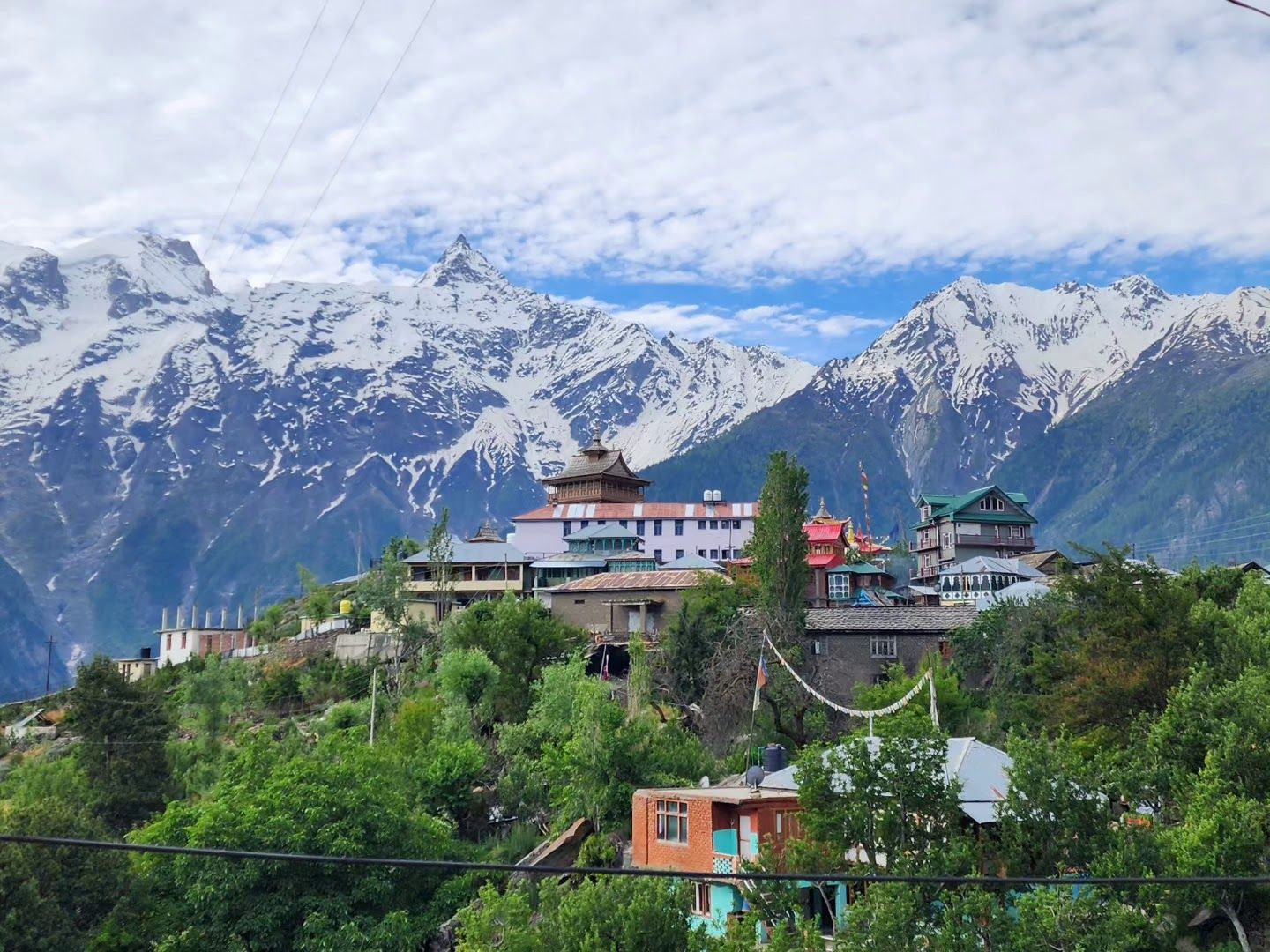
Bering Nag Temple stands in the midst of the scenic town of Sangla, cradled by the dramatic slopes of the Baspa Valley in Kinnaur. The temple is dedicated to Bering Nag Ji, the primary serpent deity of the valley, deeply revered by the local Kinnauri community. Throughout history, the local population has turned to the deity for protection, abundant crops, and safe passage through the rugged mountain terrain.
The temple is not only a center of worship but also the social and cultural axis of the village. During major mountain festivals, village elders and residents gather within its courtyards to conduct ceremonies, play traditional brass instruments, and perform Kinnauri folk dances. A visit here offers a rare glimpse into the syncretic spiritual practices of the high Himalayas, where nature worship and traditional Hindu customs blend harmoniously.
Architectural features of the temple
The construction of Bering Nag Temple reflects the traditional Kath Kuni style of architecture, native to Himachal Pradesh. This indigenous building technique alternates heavy wooden beams with dressed stone blocks without using mortar. Such construction provides natural insulation against cold winters and grants remarkable flexibility, allowing the building to withstand seismic activity over centuries.
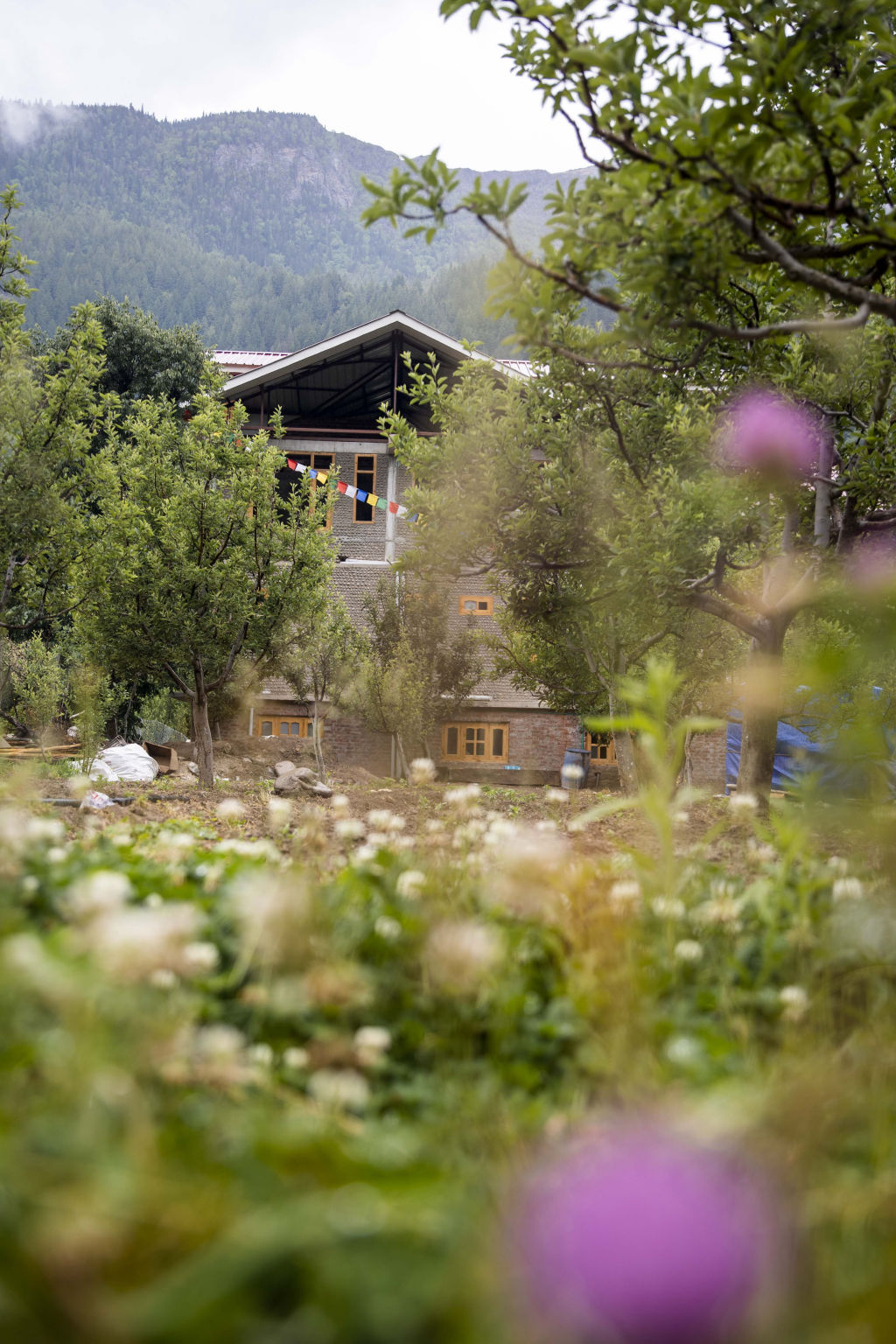
Elaborate wood carvings adorn the doorway, gables, and balconies of the shrine. Intricate motifs depicting serpents, celestial figures, birds, and floral designs are carved into deodar wood. The multi-tiered sloping slate roof protects the structure from heavy snowfall and rain, while giving the temple a timeless, organic silhouette that blends with the cedar and pine trees of the surrounding slopes.
Read more
Best time to visit
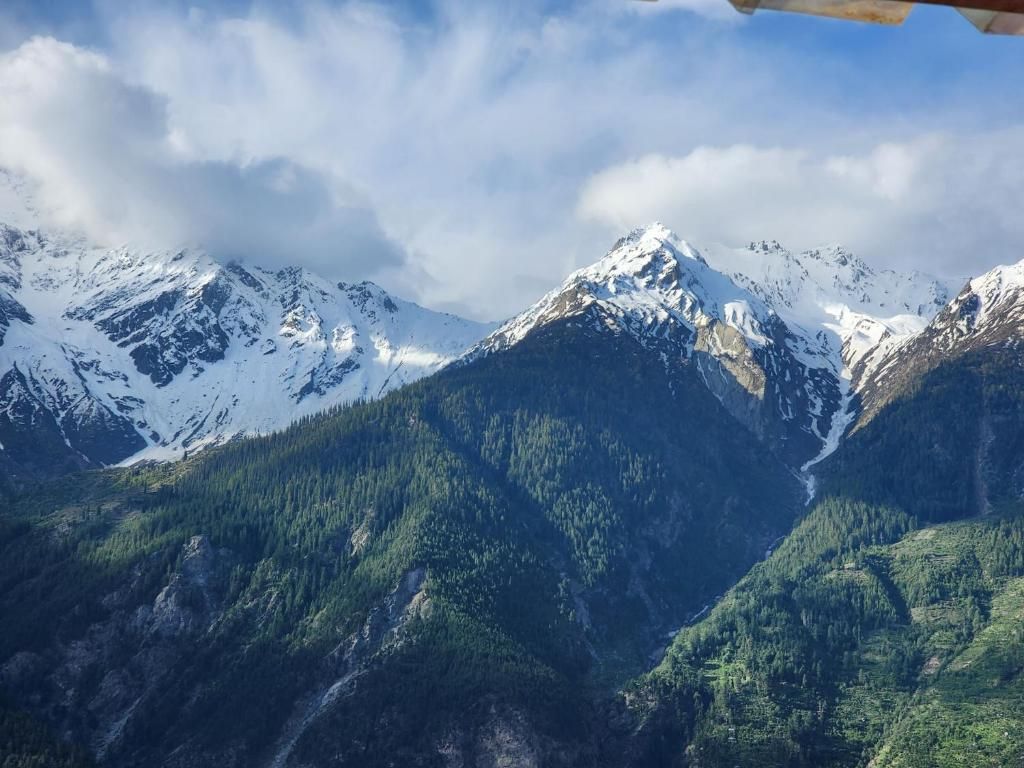
The best time to visit Bering Nag Temple is between April and October, when Sangla Valley enjoys pleasant weather and clear mountain views. Spring and early summer bring blooming orchards of apple and apricot throughout the valley, with daytime temperatures remaining comfortable for walking and exploration.
Monsoon arrives in July and August, and while the valley turns lush green, Kinnaur can experience occasional landslides that disrupt mountain highways. Autumn, spanning September and October, brings crisp air, golden foliage, and some of the clearest skies of the year. During winter, from late November through March, the temple and the surrounding town are blanketed in snow, and temperatures drop sharply below freezing. While the snow-covered scenery is striking, travellers should prepare for challenging road conditions.
Things to do around Bering Nag Temple
A visit to Bering Nag Temple pairs well with a slow walk through the old quarter of Sangla. The lanes around the temple are lined with traditional multi-storey Kinnauri houses featuring carved balconies and slate roofs. Wandering these paths gives visitors an authentic look at day-to-day mountain life, from women weaving wool on handlooms to elders conversing in sunny courtyards.
You can also take short walks down toward the valley floor, where the Baspa River flows over smooth boulders. The surrounding orchards and pine woodlands offer calm settings for day walks and photography, especially during late afternoon when the peaks catch the warm alpine light.
How to reach Sangla
Bering Nag Temple is situated centrally in Sangla, which is connected to the rest of Himachal Pradesh by the Hindustan-Tibet National Highway before turning into the Baspa Valley at Karcham. The nearest major airport is in Chandigarh, and the closest broad-gauge railway station is also in Chandigarh or Kalka. From there, road transport via Shimla, Rampur, and Karcham is the primary way to reach the town.
Regular state transport buses and private taxis ply the route from Shimla to Sangla. The drive takes you along the winding Satluj and Baspa gorges, offering dramatic canyon views. Because mountain roads in Kinnaur are prone to weather-related delays, it is best to check regional road conditions before starting your journey.
Places to visit nearby
The Baspa Valley holds several historic and natural destinations close to Bering Nag Temple. Just a short drive uphill lies Kamru Village, famed for the historic Kamru Fort with its wooden tower and peaceful shrine. Higher up the valley, the village of Rakchham and the Rakcham Wildlife Sanctuary offer pristine forests and riverside walks beneath towering granite peaks.
Further east lies Chitkul, celebrated as the last inhabited village near the border along this route. Hikers can explore trails leading toward Sangla Kanda Lake or embark on longer expeditions such as the Rakchham-Chitkul hike, the Buran Pass, or the Rupin Pass trek. Across the ridge in the main Kinnaur Valley, the village of Kalpa provides sweeping views of the sacred Kinnaur Kailash massif.
Tips for your visit
Dress modestly when entering the temple grounds, as it is an active place of daily worship. Visitors are expected to remove their shoes before stepping onto the temple platform. Leather items such as belts or wallets may need to be left outside certain sanctum spaces; follow any posted guidelines or advice given by local caretakers.
Sangla sits at an elevation of more than two thousand meters above sea level. Even in summer, evenings turn brisk, so carry warm layers. In autumn and winter, heavy woollens and thermal wear are essential. Carry adequate cash for your expenses in the village, as mountain connectivity can cause intermittent issues with digital payment methods and automated teller machines.
Where to stay
Sangla and the wider Baspa Valley offer a variety of accommodations for travellers seeking an authentic mountain experience. Traditional wooden homestays in and around Sangla provide comfortable rooms and home-cooked Kinnauri meals, allowing guests to experience warm local hospitality.
Riverside campsites along the Baspa River and peaceful rural stays nestled in apple orchards are also popular choices during the warmer months. You can find and book campsites, homestays, and outdoor retreats in Sangla on HireACamp.
Frequently asked questions
Which deity is worshipped at Bering Nag Temple?
The temple is dedicated to Bering Nag Ji, the serpent deity revered across the Sangla Valley as an aspect of Lord Shiva and a guardian protector of the region.
Where is Bering Nag Temple located?
It is located in the town of Sangla in the Kinnaur district of Himachal Pradesh, set within the scenic Baspa Valley.
What architectural style is Bering Nag Temple built in?
The temple is constructed using the traditional Kath Kuni style, an indigenous method that alternates wooden deodar beams with stone blocks to ensure durability and earthquake resilience.
Is Bering Nag Temple open during the winter months?
The temple remains open for village rituals year-round, but heavy snowfall in mid-winter can make approach roads to Sangla difficult to navigate. Always check local travel conditions before planning a winter visit.
Are there other attractions near Bering Nag Temple in Sangla?
Yes, nearby highlights include the historic Kamru Fort, the village of Rakchham, the Baspa River, and Chitkul, all located within the same valley.
Where you'll be
Shree Bairing Nag Ji Temple Sangla, Sangla · 3 stays nearby shown with prices
Stays near Bering Nag Temple
Book a place to stay close by
More places near Bering Nag Temple
Within 20 km


Built from 0 Instagram posts by 0 creators. Every tip links back to the post it came from, and where creators disagree we show both sides.






