
Kamru Fort
Fort near Sangla, Himachal Pradesh
1.1 km from Sangla
The nearest town, for stays, food and fuel.
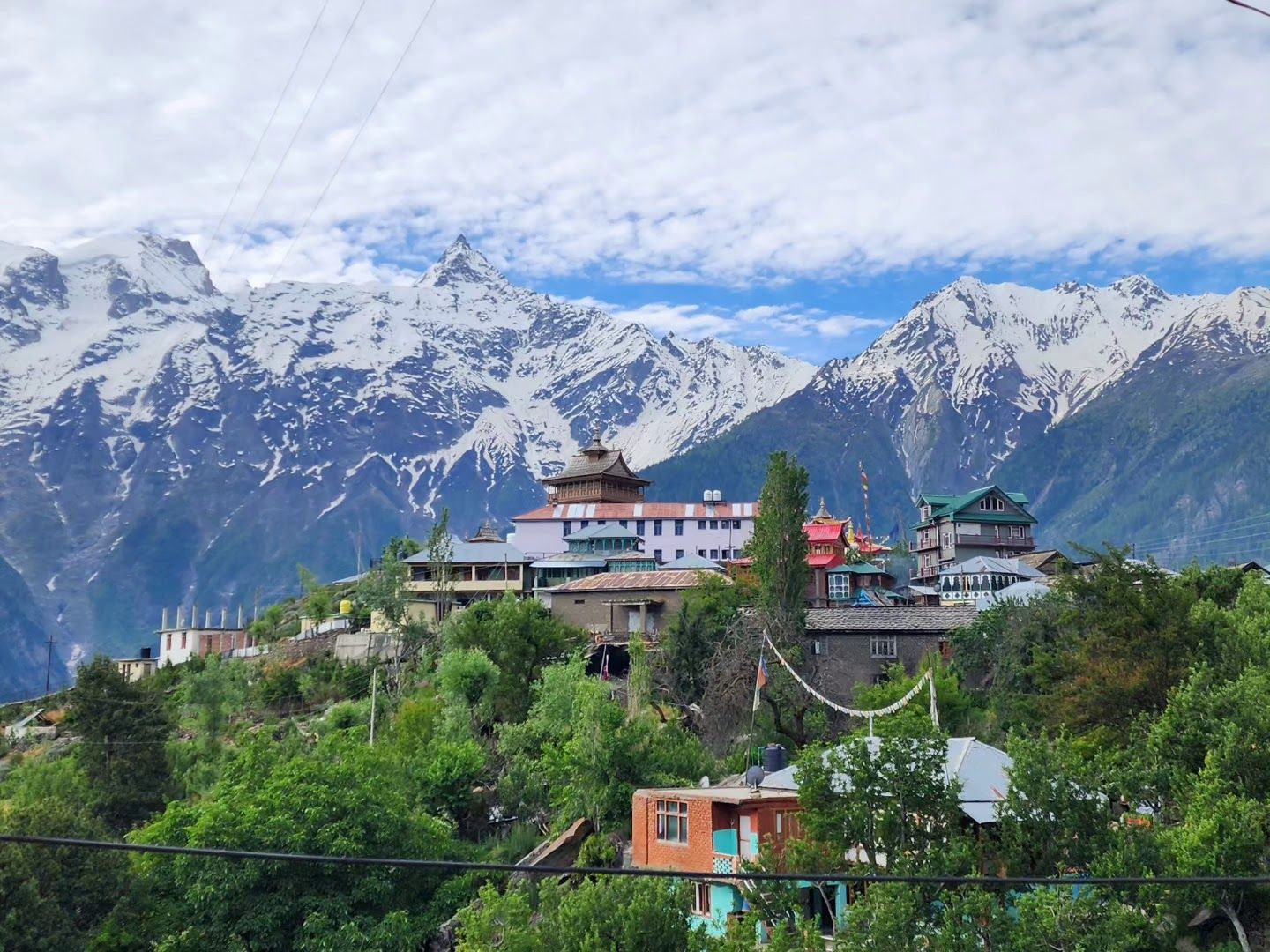
Kamru Fort is a historic multi-storeyed wooden stronghold situated above the village of Kamru in the picturesque Baspa Valley of Himachal Pradesh. Once the seat of the rulers of the erstwhile Bushahr kingdom, it stands against a backdrop of snow-draped Himalayan peaks and apple orchards. Travellers visit to explore its traditional hill architecture, visit the revered shrine of Kamakhya Devi housed within, and take in panoramic views of the Sangla region.
Getting there
By road
- From SanglaNearest town4 min · 1.5 km
- From Chandigarh6 hr 50 min · 332 km
- From Ludhiana8 hr 50 min · 433 km
- From Dehradun8 hr 55 min · 448 km
Typical drive times without traffic. Stations and airports from OLA Maps; distances and typical drive times from OpenStreetMap (© OpenStreetMap contributors); notes from creators' Reels.
About Kamru Fort
Written with AI from map data and general knowledge. Check prices and timings locally before you go.
About Kamru Fort
Kamru Fort is perched on a commanding knoll above Kamru Village near Sangla in the Kinnaur district of Himachal Pradesh. Standing at an elevation of roughly 2,600 metres above sea level, the fort is one of the oldest structures in the region. It served as the original capital and ancestral seat of the rulers of Bushahr, an ancient kingdom that controlled trade routes along the Sutlej and Baspa valleys before shifting its royal residence down to Sarahan and Rampur.
The fort is distinguished by its tower-like architecture, built in the traditional Kath Kuni style native to the Western Himalayas. This technique uses alternating layers of hand-cut local stone and thick timber beams without mortar, allowing the structure to flex naturally during seismic activity and withstand the region's harsh winter weather. The fort is crowned by an overhanging wooden balcony and a sloping slate roof, guarded by a series of ornamental wooden gates.
Deep spiritual significance permeates the complex. Within the grounds is a sanctuary dedicated to Kamakhya Devi, an incarnation of Goddess Durga whose idol is believed to have been brought from Assam centuries ago. Local custom holds the deity in high regard, and coronation rituals for the kings of Bushahr were historically performed here before the deity's presence.
Things to do around Kamru Fort
A visit to Kamru Fort begins with a pleasant walk through Kamru Village. The approach path meanders through clusters of slate-roofed Kinnauri houses, fields of buckwheat, and flourishing apple and apricot orchards. Along the way, visitors pass intricate carved wooden doorways and encounter local weavers crafting traditional Kinnauri woollens and caps.
Inside the outer fortified complex, visitors can view the shrine of Kamakhya Devi and examine the craftsmanship of the wooden facades. Intricate carvings of deities, floral motifs, and mythological scenes adorn the doorway lintels and balconies. Out of respect for local traditions, visitors are often asked to tie a traditional Kinnauri cap and cloth belt before entering certain prayer spaces.
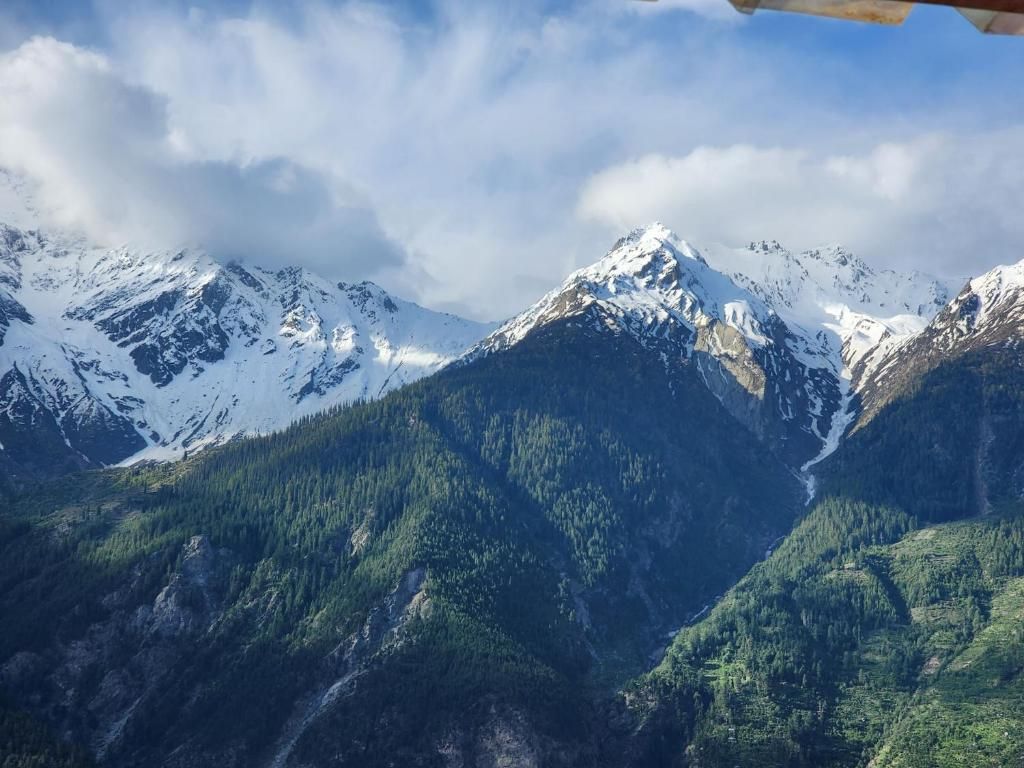
The vantage points around the fort provide sweeping views across the Baspa Valley. You can look down upon the Baspa River meandering along the valley floor, gaze across to the towering ridges of the Greater Himalayas, and spot snow-capped summits like Kinnaur Kailash and Jorkanden on clear days. The tranquil atmosphere makes it a rewarding location for landscape photography and quiet contemplation.
Read more
Best time to visit
The ideal time to visit Kamru Fort is between April and October, when the valley is accessible and the weather is pleasant. During spring, from April to May, temperatures begin to rise, snow starts melting on the lower slopes, and the fruit orchards burst into vibrant pink and white blossoms. Days are crisp and clear, making it a comfortable time for walking uphill to the fort.
Summer, spanning June and July, brings mild daytime temperatures and lush greenery to the Baspa Valley. This is the peak travel period for Kinnaur. While the valley receives less monsoon rainfall than the outer Himalayan ranges, occasional showers can cause roadblocks along the Hindustan-Tibet Highway, so checking weather and road conditions before driving is advisable.
Autumn, from September through late October, offers perhaps the most scenic conditions. The monsoon clouds dissipate, leaving behind crystal-clear blue skies and views of the surrounding peaks. The orchards are heavy with ripening apples, and the deciduous trees turn shades of golden yellow. Winter brings heavy snowfall to Kamru and Sangla, turning the landscape white and dropping temperatures below freezing; the fort may become difficult to access during heavy snow spells.
How to reach Kamru Fort
Kamru Fort is located just above Sangla town in the Kinnaur district of Himachal Pradesh. To reach the fort, travellers first make their way to Sangla, which is connected by mountain roads to Shimla via the national highway running along the Sutlej River valley through Rampur Bushahr and Tapri, before turning south at Karcham into the Baspa Valley.
From Sangla town, the base of Kamru village is only a couple of kilometres away and can be reached by a short taxi ride or a steady walk. The final stretch to the fort itself requires climbing on foot along a stone-paved pathway that winds uphill through the village and passes through several historic gates. The walk takes roughly twenty to thirty minutes depending on your pace and fitness.
Public buses run from Shimla and Rampur to Sangla, though private vehicles and hired taxis provide greater flexibility for travelling across the region. The nearest airport and broad-gauge railway station are in Chandigarh, from where road journeys typically span two days with an overnight stop along the Sutlej Valley.
Tips for your visit
Because the approach to Kamru Fort involves an uphill walk on cobbled village paths and stone steps, wearing sturdy walking shoes with good grip is essential. The high altitude of the Sangla Valley means the air is thin, so take your time on the ascent and drink water to stay hydrated.
Dress modestly and respect local customs. At the entrance to the fort and the Kamakhya Devi shrine, you will be expected to remove your shoes, and you may be provided with a traditional Kinnauri cap and sash to wear around your waist as a mark of respect. Leather items such as belts or wallets are often not permitted inside temple enclosures.
Carry some cash with you for small purchases in the village, as connectivity for digital payments can be erratic in the hills. Always ask for permission before taking photographs of local residents, especially village elders and temple priests. Keep the village and fort grounds clean by carrying your litter back to your accommodation.
Places to visit nearby
The Baspa Valley and wider Kinnaur region offer numerous scenic and cultural destinations close to Kamru Fort. Further up the valley lies the village of Chitkul, often visited alongside the scenic hamlet of Rakchham. The trail between Rakchham and Chitkul is popular among hikers for its riverside paths through pine and birch forests with views of the Rakcham Wildlife Sanctuary.
Down in the valley, the sparkling waters of the Baspa River offer peaceful picnic spots and opportunities for quiet nature walks along the riverbed. Adventure seekers can explore high-altitude hiking paths leading towards Sangla Kanda Lake or the challenging passes of Buran, Rupin, and Nalgan that connect Kinnaur with neighbouring valleys.
Across the Sutlej Valley, the historic village of Kalpa provides dramatic frontal views of the Kinnaur Kailash massif and is home to traditional Kinnauri temples, Buddhist monasteries, and extensive apple orchards. Karcham Dam, situated at the confluence of the Baspa and Sutlej rivers, is another notable landmark on the approach into the valley.
Where to stay around Kamru Fort
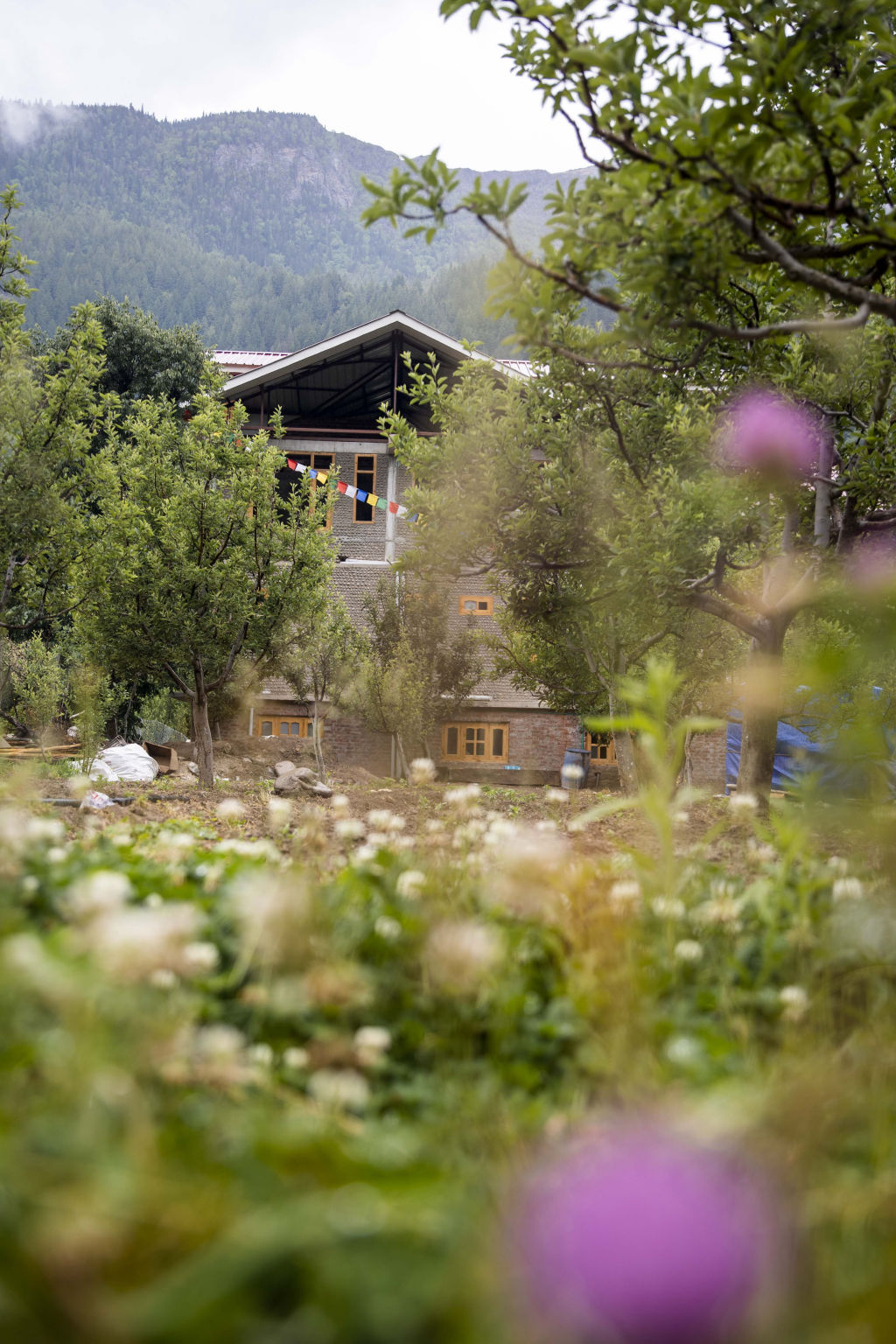
Visitors planning a stay near Kamru Fort will find accommodation options spread across Sangla town, Kamru Village, and the surrounding settlements in the Baspa Valley. The area offers a choice between scenic riverside campsites along the Baspa River, traditional wooden homestays run by local Kinnauri families, and rustic guesthouses nestled among the orchards.
Staying in a village homestay allows you to experience warm local hospitality and sample traditional home-cooked meals, while camping by the river provides an immersive outdoor experience close to nature. You can explore available camps, homestays, and outdoor getaways around Sangla and the Baspa Valley on HireACamp.
Frequently asked questions
Can you go inside Kamru Fort?
Visitors can enter the outer courtyard and the shrine of Kamakhya Devi located within the fortified complex. The upper residential quarters of the historic tower are typically kept locked and are opened only during specific local festivals and ceremonies.
How difficult is the walk to Kamru Fort?
The walk from the base of Kamru village to the fort takes about twenty to thirty minutes along a steady uphill stone path. While it involves climbing a number of stone steps, it is manageable for most people with reasonable fitness.
Is there a dress code for visiting Kamru Fort?
Yes, visitors are expected to dress modestly and remove their footwear before entering the temple areas. Caretakers may provide a traditional Kinnauri cap and a fabric belt that must be worn inside the sacred courtyard.
How far is Kamru Fort from Sangla town?
Kamru Fort is located just above Sangla, approximately two kilometres from the main market area. The base of the village can be reached by a short drive, followed by a walk up through the village paths.
What is the architectural style of Kamru Fort?
The fort is built in the traditional Kath Kuni style, an indigenous Himalayan construction technique featuring interlocked wooden beams and stone layers built without mortar, engineered to withstand earthquakes.
Where you'll be
Kamru, Sangla · 3 stays nearby shown with prices
Stays near Kamru Fort
Book a place to stay close by
More places near Kamru Fort
Within 20 km


Built from 0 Instagram posts by 0 creators. Every tip links back to the post it came from, and where creators disagree we show both sides.






