
Sangla
Destination in Himachal Pradesh
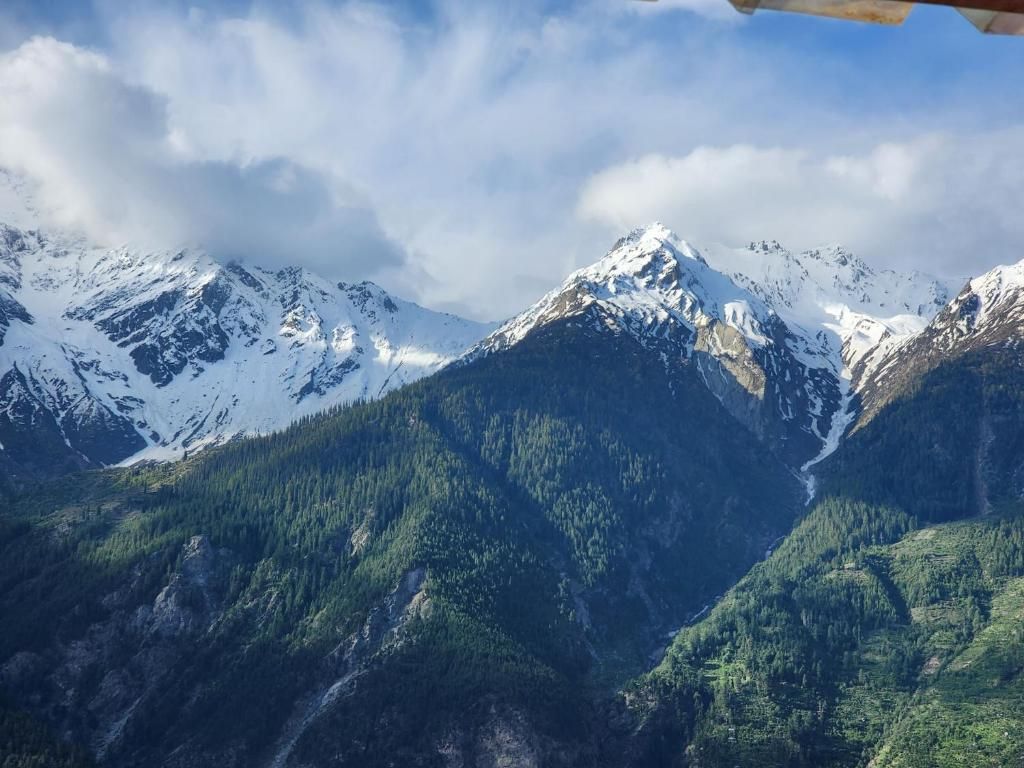
Sangla is a picturesque mountain town located in the Kinnaur district of Himachal Pradesh, set deep within the fertile Baspa River valley. Towered over by the rugged crags of the Greater Himalayas and surrounded by expansive apple orchards, it serves as the cultural heart of the valley. Travellers visit Sangla to experience authentic Kinnauri traditions, explore ancient wood-and-stone architecture, and use the town as a base for scenic Himalayan treks.
Getting there
By road
- From Chandigarh6 hr 50 min · 333 km
- From Ludhiana8 hr 50 min · 435 km
- From Dehradun9 hr · 449 km
- From New Delhi11 hr 30 min · 623 km
Typical drive times without traffic. Stations and airports from OLA Maps; distances and typical drive times from OpenStreetMap (© OpenStreetMap contributors); notes from creators' Reels.
About Sangla
Written with AI from map data and general knowledge. Check prices and timings locally before you go.
About Sangla and the Baspa Valley
Sangla sits at an elevation of roughly 2,700 metres above sea level along the rushing waters of the Baspa River, a major tributary of the Sutlej. Because of its location in the lower part of Kinnaur, the landscape here strikes a vivid contrast between lush greenery and towering, barren rock faces. Thick stands of cedar, pine, and birch cling to the steep valley sides, while clear glacier-fed streams rush down into the main riverbed.
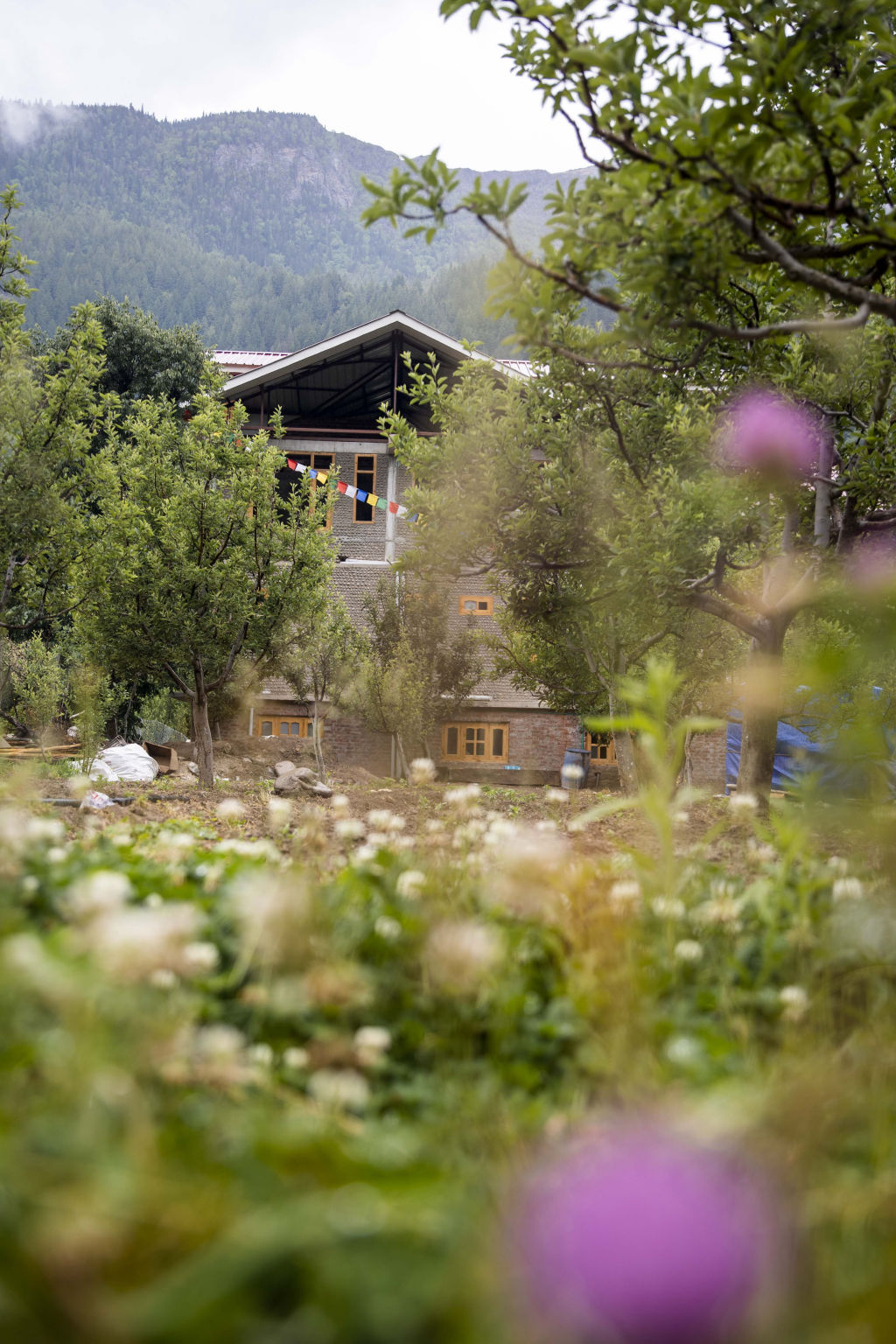
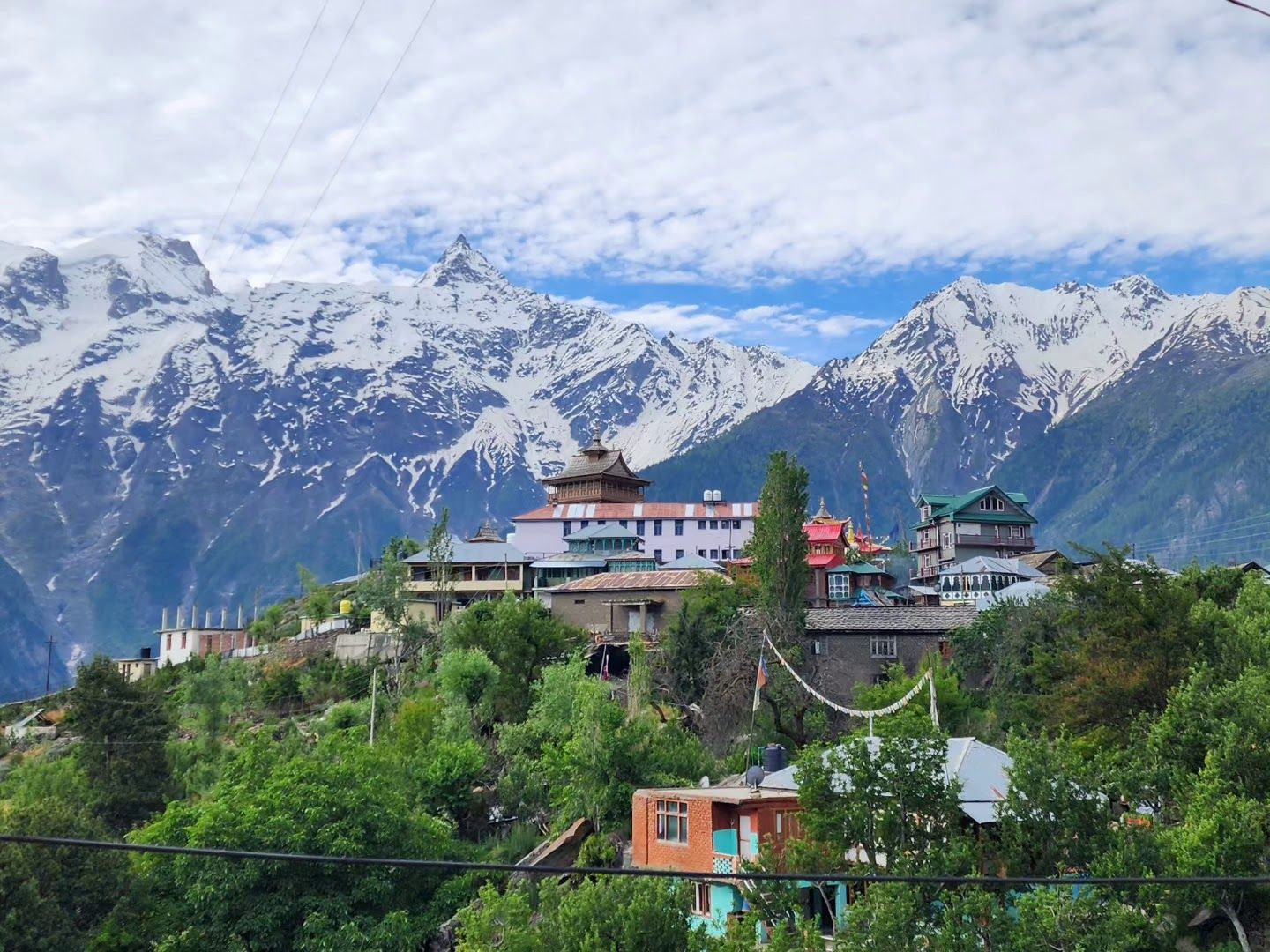
The town itself is deeply rooted in Kinnauri culture, a unique synthesis of Hinduism and Tibetan Buddhism. Traditional homes in Sangla showcase classic Kath Kuni architecture, featuring interlocking layers of cedar timber and uncut slate stones designed to withstand earthquakes and harsh winters. Small temple courtyards, intricately carved wooden balconies, and terraced plots of buckwheat and apples define the settlement, creating a peaceful, timeless atmosphere for anyone arriving from the bustling plains.
Things to do in Sangla
One of the most rewarding ways to experience Sangla is simply walking through its narrow, stone-paved lanes and surrounding orchards. The town is famous for producing some of the highest-quality apples and walnuts in India. During late spring and summer, the trees are laden with blossoms and ripening fruit, making peaceful strolls through the terraced fields a highlight for nature lovers.
A walk up to the historic Kamru village, located just uphill from the main town, brings you to the imposing Kamru Fort. This towering wooden structure served as the original seat of the rulers of Bushahr and houses shrines dedicated to local deities, including Kamakhya Devi. While access to the inner fortress sanctum may be subject to local religious protocols, walking through the ornate wooden gateway and taking in the panoramic views of the entire valley below is well worth the uphill climb.
Down by the Baspa River, travellers can spend quiet afternoons exploring the stony riverbanks, admiring the crystal-clear water, or watching local anglers. The valley is known for its trout populations, and the cool mountain breeze makes the riverside an ideal spot for afternoon picnics, photography, and birdwatching.
Read more
Places to visit around Sangla
A short drive further up the valley leads to Rakcham, a picturesque village nestled midway between Sangla and Chitkul. Rakcham is flanked by dramatic granite cliffs and dense pine forests, offering exceptionally peaceful walking paths along the river where herds of sheep and Kinnauri livestock graze freely in the summer meadows.
Continuing to the end of the motorable road in the Baspa Valley brings you to Chitkul, celebrated as the last inhabited village near the Indo-Tibet border. Chitkul features wooden houses, sweeping views of snowfields, and a distinctive landscape where alpine meadows give way to high-altitude cold desert terrain. Visiting Chitkul makes for a classic day excursion from Sangla.
Across the Sutlej Valley, roughly twelve kilometres away in a straight line, lies the mountain village of Kalpa. Situated directly opposite the sacred Kinnaur Kailash massif, Kalpa offers dramatic vistas of snow-capped peaks that shift in colour with the morning and evening light. Combining a trip to Sangla with a stop in Kalpa provides travellers with a comprehensive look at Kinnauri geography and heritage.
Trekking and wilderness trails nearby
Sangla serves as a major gateway for ambitious high-altitude trekking routes crossing between Himachal Pradesh and Uttarakhand. The most famous among these is the Rupin Pass trek, which connects the Tons Valley in Uttarakhand to Sangla. The final stages of this crossing bring trekkers directly into the lower Baspa Valley through dramatic waterfalls, glacial bowls, and birch forests.
Another legendary alpine traverse is the Borasu Pass route, situated about 28 kilometres from Sangla. This challenging pass connects the Baspa Valley to the Har Ki Dun valley in the Garhwal Himalayas, traversing extensive glaciers, boulder fields, and remote moraines. Farther south and east lie the protected forests of Govind Pashu Vihar National Park and Sanctuary, an expansive reserve known for high-altitude wildlife including the snow leopard, musk deer, and western tragopan.
For casual hikers who prefer shorter day routes, local trails wind up the valley ridges towards seasonal shepherd camps, offering elevated vantage points over the meandering Baspa River and the serrated ridgelines of the Greater Himalayan range.
Best time to visit Sangla
Sangla experiences distinct seasonal shifts, and the ideal time to travel depends on what kind of mountain landscape you wish to see. The spring and summer months from April to June are very pleasant. During this period, daytime temperatures are mild, wild flowers begin to bloom across the valley floor, and the roads are generally clear of winter snow.
The monsoon season arrives in July and lasts through August. While the valley becomes intensely green, the approach routes along the Hindustan-Tibet highway are susceptible to landslides and road closures during heavy rains. Travellers visiting during mid-monsoon must keep flexible itineraries and monitor weather updates carefully.
Autumn, from September to late October, is arguably the most spectacular season to visit Sangla. The skies turn exceptionally clear, the chill sets in, and the apple harvest reaches its peak. Valley trees take on rich gold and bronze hues against crisp blue skies. Winter, running from December through March, brings heavy snowfall and freezing temperatures, transforming the valley into a quiet, snow-covered landscape where road access can be intermittently disrupted.
How to reach Sangla
Sangla is accessible by road from Shimla, which is the nearest major transit hub connected to broader highway and rail networks. From Shimla, the road follows National Highway 5 through Narkanda, Rampur Bushahr, and Jeori, tracking the dramatic gorge of the Sutlej River until reaching Karcham. At Karcham, travellers turn off the highway onto the narrower Baspa Valley road, which follows the river upstream directly into Sangla.
The drive from Shimla typically takes between eight and ten hours under normal conditions, though road conditions and weather can cause delays. State-run buses and private taxis operate regularly between Shimla, Reckong Peo, and Sangla during the open months. The nearest commercial airport with scheduled passenger flights is Jubbarhatti Airport near Shimla, though many travellers choose to drive all the way from Chandigarh, which offers broader air and railway connectivity.
Where to stay in Sangla
Sangla offers a comfortable mix of traditional mountain hospitality and scenic outdoor accommodation. Riverside campsites set in the shadow of pine woods and apple orchards provide an immersive experience close to nature, allowing you to fall asleep to the sound of the Baspa River.
Within the villages of Sangla, Rakcham, and Batseri, family-run homestays and modest wooden guesthouses offer a warm look into local Kinnauri domestic life and home-cooked regional meals. You can find and book riverside camps, homestays, and nature retreats in and around Sangla on HireACamp.
Frequently asked questions
What is Sangla known for?
Sangla is best known for its pristine natural beauty in the Baspa Valley, extensive apple and walnut orchards, ancient Kath Kuni architecture such as Kamru Fort, and its position as a gateway for classic Himalayan treks like the Rupin Pass.
How far is Chitkul from Sangla?
Chitkul is located approximately 22 kilometres further up the valley from Sangla, usually taking about an hour to drive along the scenic mountain road running beside the Baspa River.
Does Sangla get snow in the winter?
Yes, Sangla receives substantial snowfall between December and March, with temperatures frequently dropping well below freezing and snow covering the orchards and village rooftops.
Do mobile networks work in Sangla?
Major Indian telecom operators generally provide cellular voice connectivity and mobile data in Sangla town, although internet speeds and signal strength can fluctuate during severe weather or when travelling into outlying side valleys.
How many days should I plan for a trip to Sangla?
A stay of two to three days is ideal to explore Sangla town, visit Kamru Fort, spend time by the Baspa River, and take a day excursion to Rakcham and Chitkul.
Where you'll be
3 stays nearby shown with prices
Stays near Sangla
Book a place to stay close by
Things to do in Sangla
35 places creators recommend within 30 km


Built from 0 Instagram posts by 0 creators. Every tip links back to the post it came from, and where creators disagree we show both sides.






