
Shangarh
Destination in Himachal Pradesh
Shangarh is a peaceful highland village located in the Sainj Valley of Himachal Pradesh. Surrounded by dense deodar forests and towering peaks, the settlement is known for its wide alpine meadow and historic Shangchul Mahadev Temple. Travellers visit Shangarh to experience traditional Himachali mountain life, scenic walking trails, and fresh Himalayan air away from crowded resort towns.
Getting there
By road
- From Chandigarh5 hr 55 min · 227 km
- From Ludhiana6 hr 30 min · 257 km
- From Amritsar8 hr · 370 km
- From Dehradun9 hr 30 min · 399 km
By train, bus or air
- Inter State Bus Terminal Sarvari KulluNearest bus stand1 hr 30 min · 64 km
- Bhuntar AirportNearest airport1 hr 15 min · 52 km
Typical drive times without traffic. Places, distances and typical drive times from OLA Maps; notes from creators' Reels.
Shangarh and Surrounding Valleys Itinerary
A practical itinerary exploring Shangarh and the scenic routes through Tirthan Valley towards Jalori Pass.
Shangarh to Jalori Pass Circuit
Best for travellers seeking quiet Himalayan valleys and scenic high-altitude passes
Day 1
Exploring Shangarh, Tirthan, and Jalori
morning
Shangarh valleyAbout 2 hr
Visit this offbeat destination with few visitors.
midday
Tirthan Valley RoadAbout 1 hr 30 min · 14 km from the last stop
Drive through Tirthan Valley, located approximately 280 km from Chandigarh (6 to 7 hours travel).
afternoon
Jalori PassAbout 1 hr 30 min · 12 km from the last stop
Ascend towards Jalori Pass, situated about 295 km from Chandigarh (7 to 8 hours travel).
- Shangarh is an offbeat destination that typically sees few visitors.
- If traveling from Chandigarh, expect roughly 6 to 7 hours (280 km) to reach Tirthan Valley and 7 to 8 hours (295 km) to reach Jalori Pass.
Visit lengths are suggestions; distances are straight-line between stops.
About Shangarh
Written with AI from map data and general knowledge. Check prices and timings locally before you go.
About Shangarh and the Sainj Valley
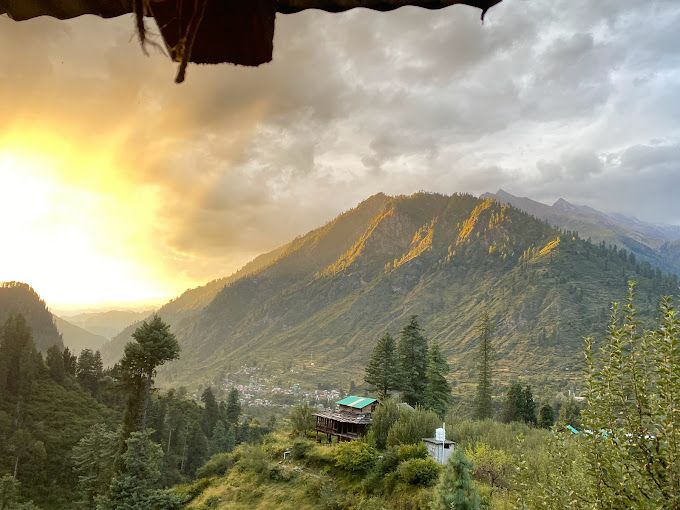
Shangarh rests at the edge of the Sainj Valley within the Kullu region of Himachal Pradesh. Unlike commercial hubs along the central river corridors, Shangarh preserves the gentle pace and architecture of rural mountain life. Traditional wooden and stone houses, known as Kathkuni architecture, dot the hillside, interspersed with terraced fields of maize and apple orchards.
The village sits framed by pine-covered slopes that rise into the higher ridgelines of the Great Himalayan National Park conservation zone. Because the valley receives less transit traffic than the neighbouring Beas corridor, Shangarh has become a favoured retreat for hikers, birdwatchers, and travellers looking for unhurried days in the western Himalayas.
The Shangarh Meadow and Shangchul Mahadev Temple
The defining feature of the village is the expansive green expanse of the Shangarh meadow. Spanning several acres of gently undulating turf, it is ringed by towering deodar trees with mountain silhouettes in the distance. The turf remains immaculate throughout the year, maintained carefully by local residents.
At the edge of this landscape stands the Shangchul Mahadev Temple, located roughly 3 kilometres by path from the village centre. Constructed in the indigenous tiered timber and stone style, the temple is dedicated to the presiding local deity. Because the entire meadow is revered as holy ground belonging to the deity, visitors are expected to maintain quiet and observe local customs. Footwear is restricted on certain parts of the grass, and activities like camping, cooking, or playing loud music on the meadow itself are strictly forbidden by village authorities. Taking time to sit quietly along the meadow's edge offers a rare sense of spaciousness in the mountains.
Read more
Things to do in Shangarh
Walking and day hiking are the principal outdoor activities in and around Shangarh. Gentle trails lead through thick deodar groves, crossing small mountain streams and connecting scattered hamlets across the upper reaches of the Sainj Valley. A short walk around the Shangarh valley, just 2 kilometres from the core village, offers views of rural farming hamlets and traditional timber grain stores.
Nature enthusiasts will find Shangarh an exceptional base for birdwatching and photography. The mixed coniferous and broadleaf forests host a variety of Himalayan avifauna, particularly during the early morning hours. Visitors can also spend time exploring surrounding village trails, observing local orchard farming, or setting out on quiet walks toward nearby forest watercourses. The slow rhythm of the village makes it an ideal setting for reading, landscape painting, and unwinding in clean mountain air.
Places to visit around Shangarh
Shangarh serves as an excellent starting point for exploring the broader Sainj and Seraj mountain country. The border of the Great Himalayan National Park lies approximately 13 kilometres away, offering access to dramatic river valleys, rich temperate forests, and high-altitude trekking routes. Heading toward the south, the Tirthan Valley Road lies about 12 kilometres away as the crow flies, leading to celebrated angling streams and riverside walks.
Further excursions can take you to the rustic village of Gadagushaini, situated around 18 kilometres away, known for its tranquil streams and open pastures. About 23 kilometres from Shangarh, Jalori Pass rises high on the ridge dividing the Kullu and Shimla regions, offering panoramic viewpoints and walking trails toward alpine lakes and fort ruins. For ambitious trekkers willing to venture across nearby ridgelines toward the Parvati Valley, places such as Pulga (28 kilometres away) and the trailheads for the Kheerganga Trek (29 kilometres away) lie across the mountain geography.
Best time to visit Shangarh
Shangarh experiences distinct seasonal shifts, each offering a different way to enjoy the landscape. Spring and summer, stretching from April to June, bring comfortable daytime weather, open walking trails, and vivid green pastures. Daytime temperatures are pleasant, though light woollens are advisable for crisp mornings and cool evenings.
The monsoon season arrives in July and lasts through August, cloaking the Sainj Valley in mist and waterfall cascades. While the countryside becomes exceptionally lush, mountain roads in the area can become vulnerable to landslides and heavy rain; travellers should check regional weather and road bulletins before journeying. Autumn, from September through November, offers crisp mountain air, stable weather, and remarkably clear views of distant peaks. Winter settles in from December to February, bringing freezing nights and periodic snowfall that covers the Shangarh meadow in a blanket of white.
How to reach Shangarh
Reaching Shangarh typically involves travelling along the national highway toward Kullu and diverting into the Sainj Valley near the Aut tunnel. From the turn-off, a winding mountain road climbs upward through pine forests to reach the village plateau. Because hill roads can vary depending on weather and maintenance, all travel times should be planned with flexibility.
By road under typical, traffic-free conditions, Chandigarh is located 227 kilometres away, taking about 6 hours of driving. Travellers starting from Ludhiana have a journey of 257 kilometres, which takes around 6 hours and 30 minutes. From Amritsar, the distance is roughly 370 kilometres, taking approximately 8 hours. If you are travelling from Dehradun, expect a drive of 399 kilometres, taking about 9 hours and 30 minutes. From New Delhi, the distance is 486 kilometres, requiring about 10 hours of typical road travel. Travellers reliant on public transit can take buses along the Delhi-Manali route, alight near Aut, and hire local taxis or board regional valley buses to complete the ascent.
Where to stay in Shangarh
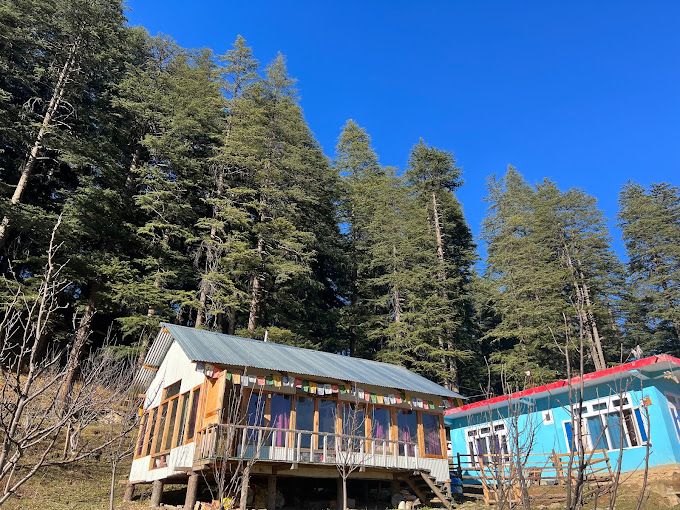
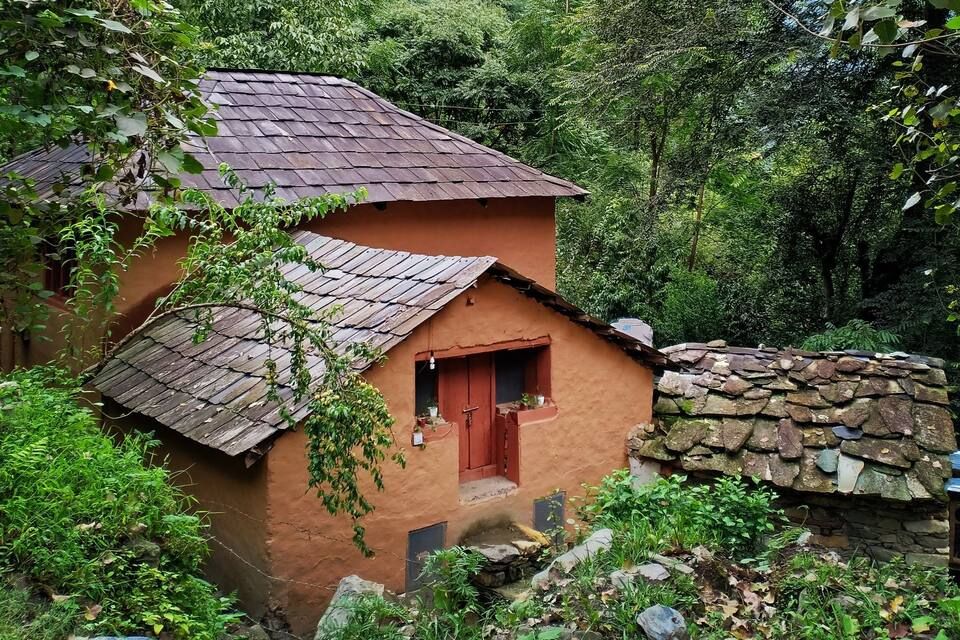
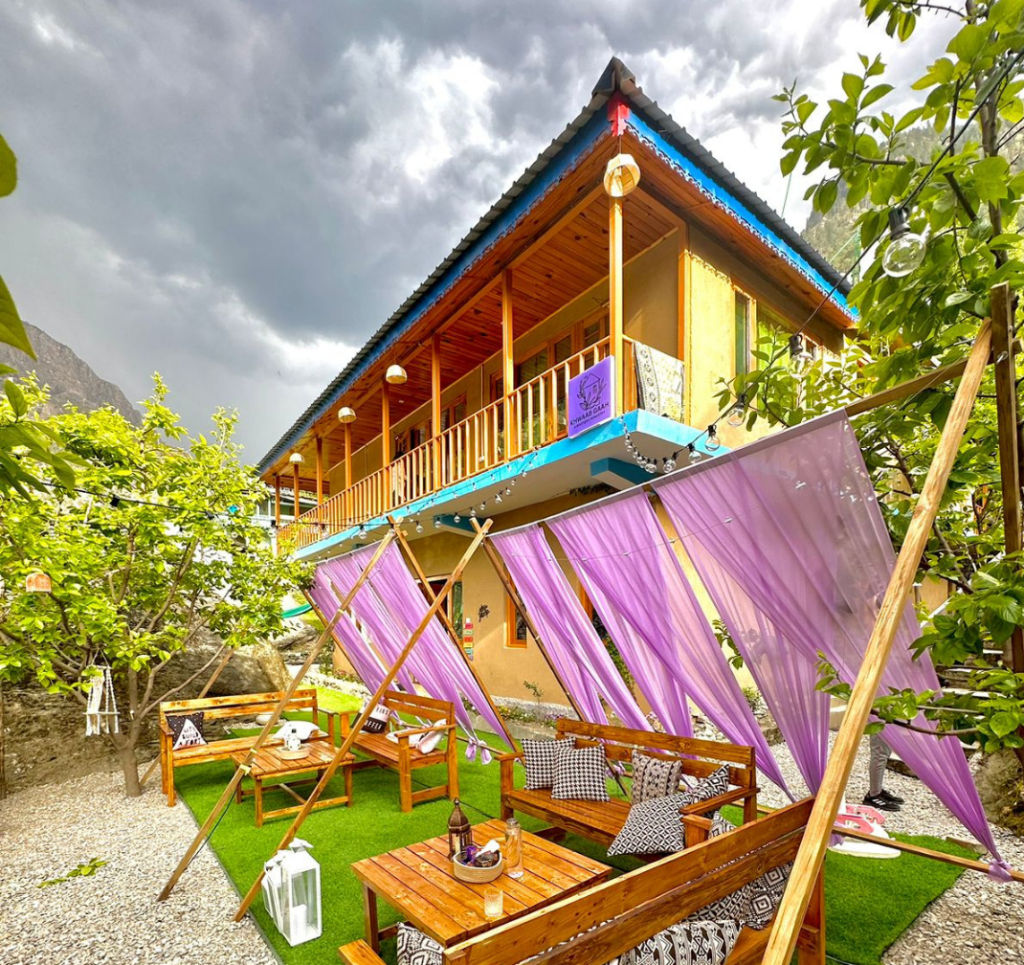
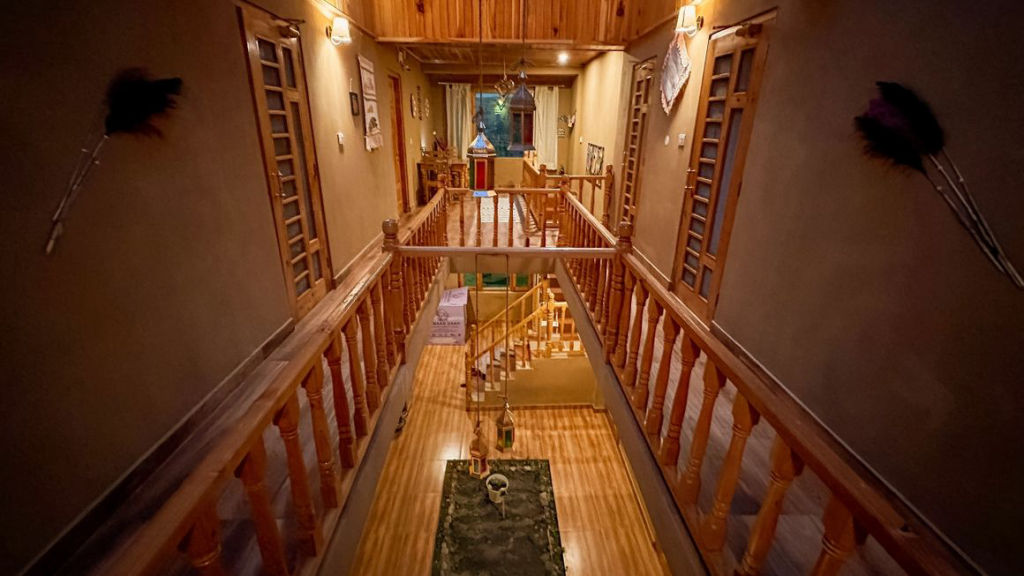
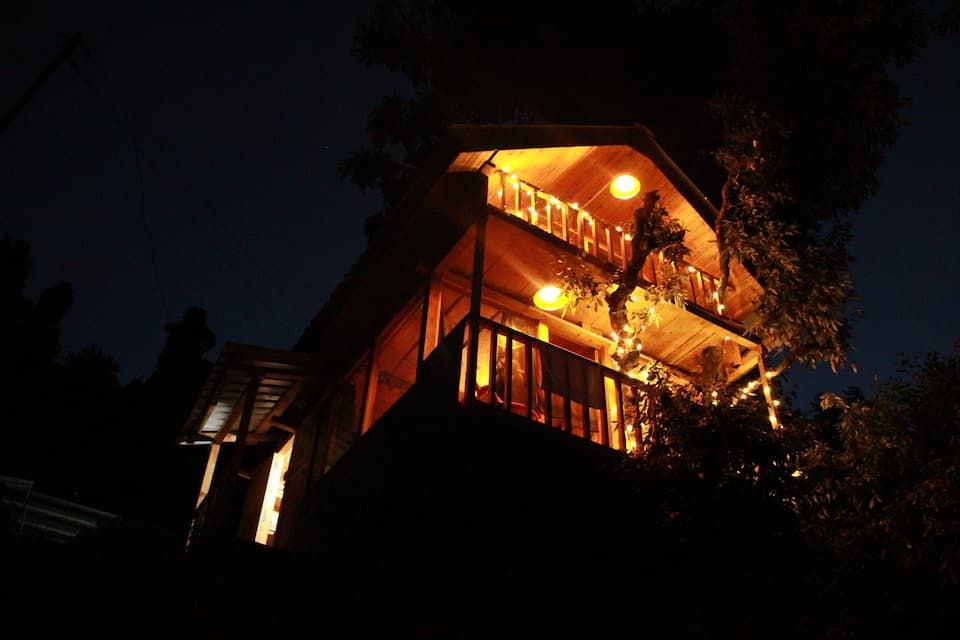
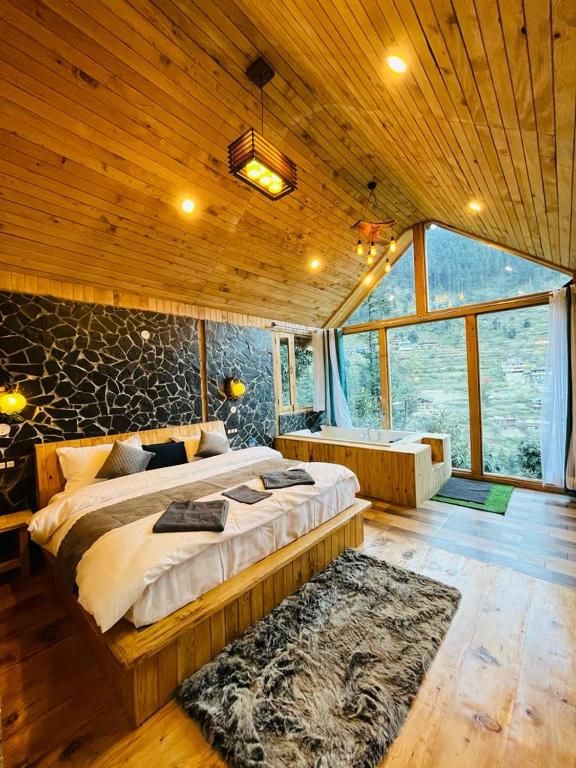
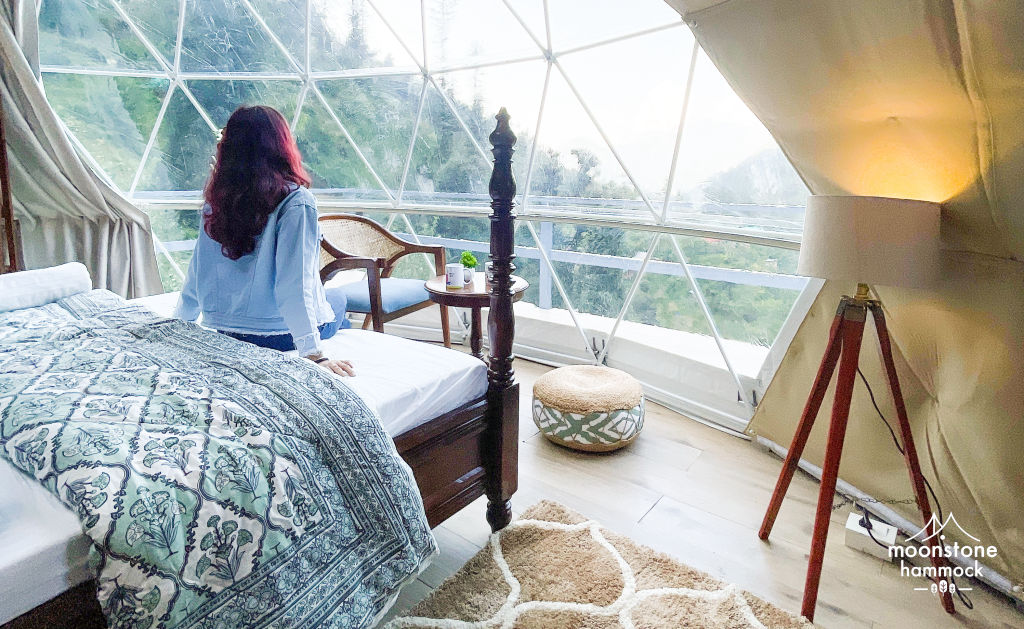
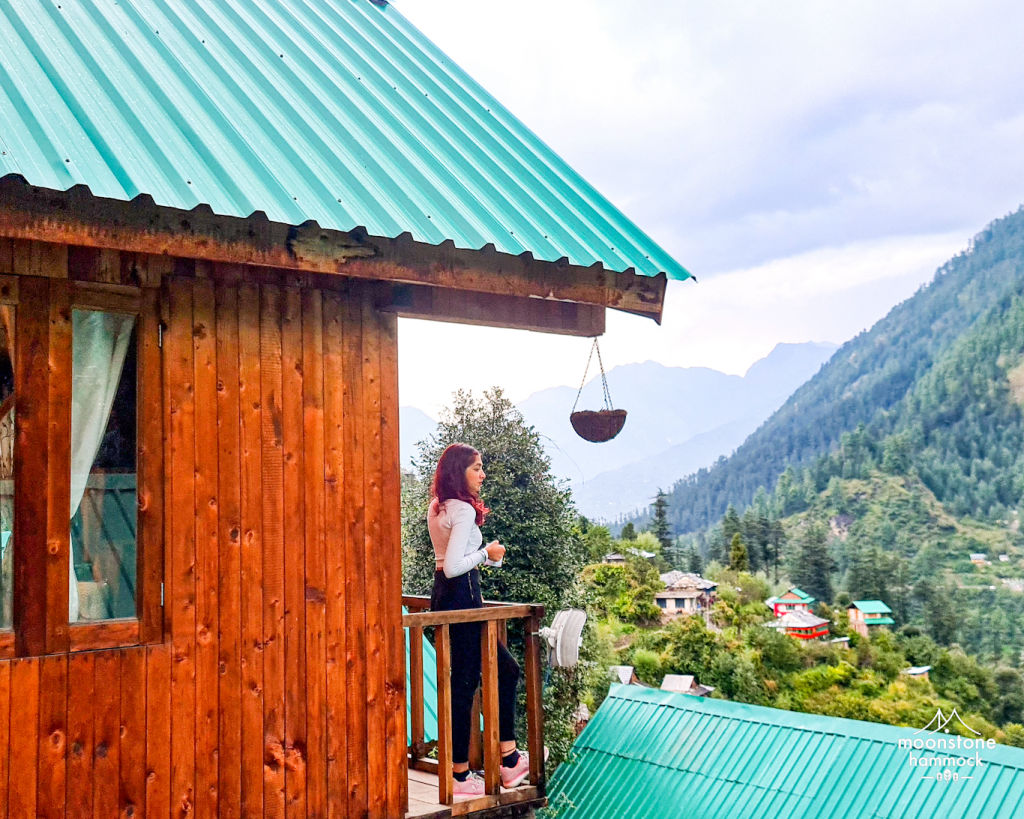
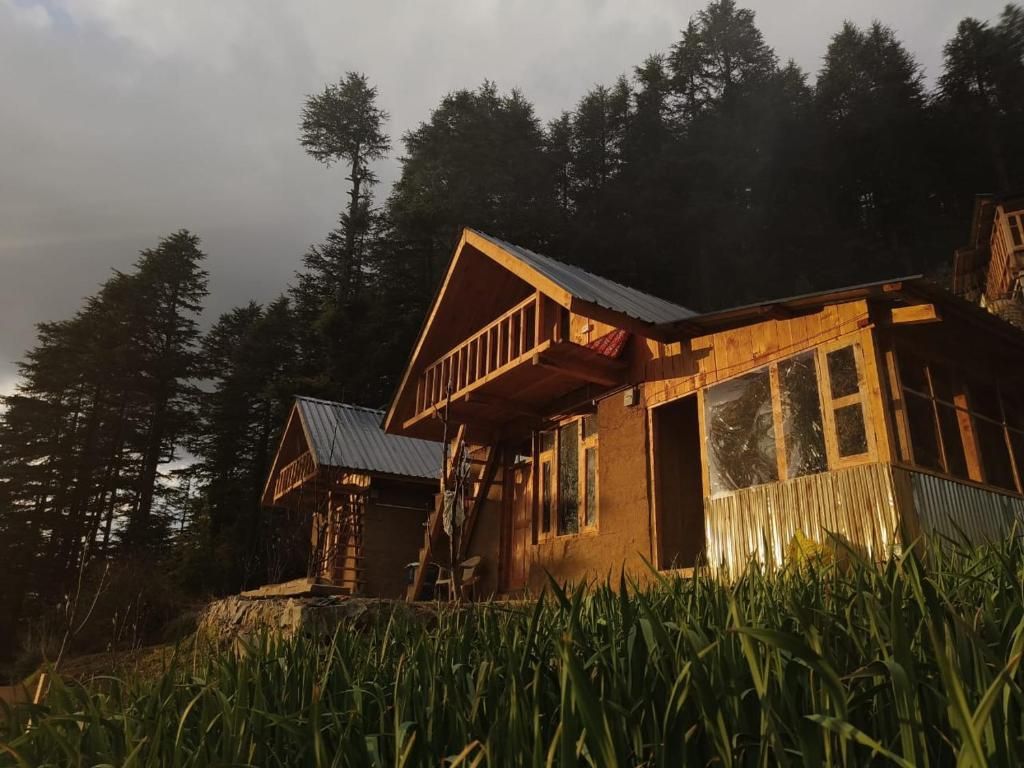
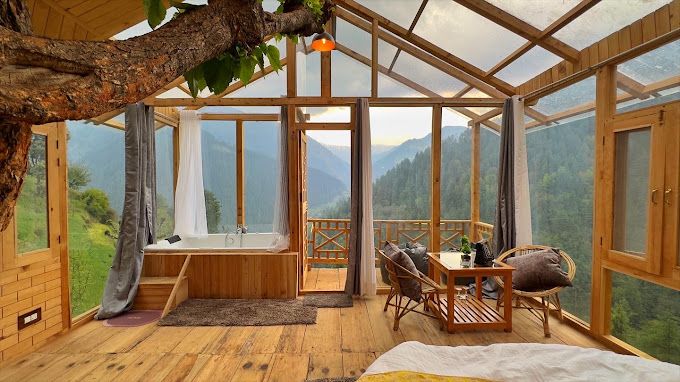
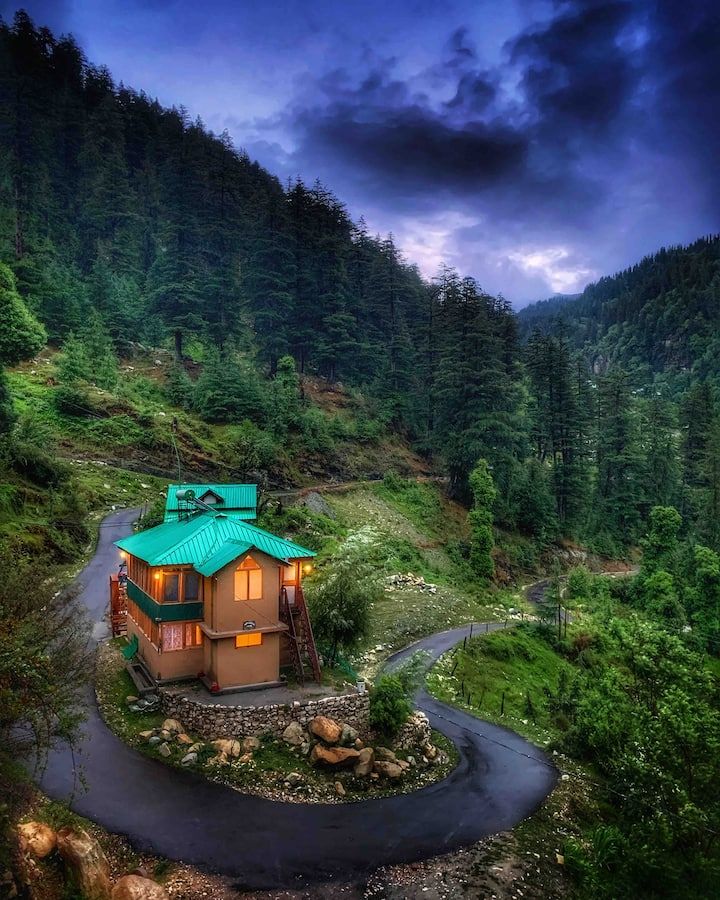
Accommodation in Shangarh reflects the rustic character of the surrounding landscape. Visitors can find family-run homestays, wooden alpine cottages, and rural farm stays scattered along the hillsides bordering the village and meadow.
Staying in a local homestay is an excellent way to experience Himachali hospitality, sample regional grain and vegetable dishes, and learn about local customs. Outdoor enthusiasts can also find campsites set on private orchards and clearings away from the sacred temple pasture. You can explore and book verified stays, homestays, and camps in and around Shangarh on HireACamp.
Frequently asked questions
Where is Shangarh located?
Shangarh is situated in the Sainj Valley within the Kullu district of Himachal Pradesh, accessible by a mountain road that branches off near Aut.
Does it snow in Shangarh?
Yes, Shangarh regularly receives snowfall during the peak winter months, particularly from late December through early February.
Are visitors allowed to walk on the Shangarh meadow?
Visitors can walk on designated sections of the meadow, but local custom requires removing footwear on sacred portions; pitching tents, consuming alcohol, and littering on the meadow are strictly prohibited.
How far is Shangarh from Chandigarh and Delhi?
Shangarh is approximately 227 kilometres from Chandigarh, taking about 6 hours by road, and about 486 kilometres from New Delhi, which takes roughly 10 hours under typical conditions.
What is the primary temple to visit in Shangarh?
The primary historic site is the Shangchul Mahadev Temple, an ancient timber-and-stone shrine located approximately 3 kilometres from the village core.
Where you'll be
12 stays nearby shown with prices
Stays near Shangarh
Book a place to stay close by
Things to do in Shangarh
48 places creators recommend within 30 km


Built from 0 Instagram posts by 0 creators. Every tip links back to the post it came from, and where creators disagree we show both sides.






