
Malshej Ghat
Nature near Ghatghar, Maharashtra
4.7 km from Ghatghar
The nearest town, for stays, food and fuel.
Malshej Ghat is a rugged mountain pass nestled in the Western Ghats of Maharashtra, connecting the Thane and Ahmednagar districts. Renowned for its dramatic basalt cliffs, seasonal monsoon waterfalls, and mist-laden valleys, it is a favored nature destination for travellers seeking fresh mountain air and scenic road trips. The pass also serves as a gateway to several historic hill forts, ancient trade routes, and protected wilderness areas in the Sahyadris.
Getting there
By road
- From GhatgharNearest town1 hr 25 min · 59 km
- From Nashik2 hr 40 min · 123 km
- From Mumbai 2 hr 55 min · 143 km
- From Pune3 hr 15 min · 146 km
Typical drive times without traffic. Stations and airports from OLA Maps; distances and typical drive times from OpenStreetMap (© OpenStreetMap contributors); notes from creators' Reels.
About Malshej Ghat
Written with AI from map data and general knowledge. Check prices and timings locally before you go.
The Landscape and Setting of Malshej Ghat
Carved through the rugged Deccan Traps of the northern Western Ghats, Malshej Ghat rises along National Highway 61 in Maharashtra. The mountain pass connects the Konkan coastal plains with the elevated Deccan plateau, presenting a landscape of sheer vertical rock faces, deep gorges, and expansive tablelands. For centuries, these rugged ridges formed critical passage routes, guarded by historic hill forts scattered across the skyline.
During the wet season, the rugged dark rock transforms into vibrant green slopes. Thick layers of moss carpet the cliffs, and seasonal mountain streams feed dozens of waterfalls that tumble straight down the hillsides toward the valley floor. Thick cloud banks roll continuously over the pass, enveloping the highway in mist and creating an atmospheric setting that draws outdoor lovers, landscape photographers, and weekend travelers from across the region.
Things to Do at Malshej Ghat
Exploring the panoramic viewpoints along the pass is one of the most rewarding ways to experience Malshej Ghat. A leisurely drive or walk along designated highway viewpoints reveals sprawling views of the valley below, dotted with small rural hamlets and patchwork farm fields. Watching low-hanging clouds glide over the sheer rock faces while enjoying the cool mountain breeze is an essential part of the journey.
Waterfalls are the defining natural feature of the pass throughout the monsoon months. Dozens of roadside cascades spill directly onto the slopes, giving travellers a chance to admire the water and feel the fresh mountain spray. Travellers should enjoy the water safely from designated spots, taking care to avoid slippery rocks and fast-moving currents.
Birdwatching and nature photography are also rewarding pastimes around the ghat. The open plateaus, scrub forests, and surrounding reservoirs attract both forest species and wetland birds. Taking an early morning walk along the quieter village roads near the pass provides ample opportunities to spot resident birds and capture scenic valley vistas before mid-day traffic increases.
Read more
Best Time to Visit Malshej Ghat
The monsoon season, spanning from late June through September, is when Malshej Ghat is at its most dramatic. Heavy rains revitalize the Sahyadris, causing waterfalls to flow in abundance and blanketing the entire mountain pass in deep green vegetation and cool, drifting fog. Travellers visiting during this time should be prepared for frequent showers, slick roads, and reduced visibility.
From October to February, the post-monsoon and winter months offer clear skies and comfortable temperatures. As the heavy fog lifts, wide-angle views across the valleys and distant mountain peaks open up completely. Daytime temperatures remain pleasant for outdoor walking and exploring historic sites, while nights turn pleasantly crisp and cool.
Summer, lasting from March until early June, brings dry and warm weather to the plateau. The landscape takes on golden and brown hues as seasonal streams dry up. While less popular for waterfall viewing, the summer months offer quiet roads and empty viewpoints, making it a calm stop for road trippers crossing between the Konkan coast and the Deccan interior.
Flora, Fauna, and Avian Life
Malshej Ghat sits in an ecologically rich section of the Western Ghats, recognized globally for its high levels of biodiversity. The mountain slopes support patches of moist deciduous and semi-evergreen forests, home to diverse indigenous trees, wild wildflowers, and specialized rock-clinging plants that bloom during the monsoon.
The area is especially noted for its birdlife. Birdwatchers visiting the pass and nearby reservoirs can spot alpine swifts, kestrels, cuckoos, and quails navigating the cliff edges. During the later stages of the monsoon and early winter, migrating flamingos and various waterfowl often congregate at the shallow backwaters and reservoirs in the surrounding plains, drawing wildlife enthusiasts from throughout Maharashtra.
Mammals in the surrounding hills are shy and largely nocturnal, but the forests shelter small populations of barking deer, wild boar, common langurs, and small carnivores like civets. The arrival of the rains also triggers an emergence of amphibians and reptiles, with numerous tree frogs and harmless snakes thriving in the damp undergrowth and seasonal pools.
How to Reach Malshej Ghat
Malshej Ghat is well connected by road and easily reached from major urban hubs in western Maharashtra. The pass lies directly on National Highway 61, making it a straightforward drive for private vehicles, rental cars, and state transport buses.
From Mumbai and Thane, routes head east through Kalyan and Murbad before winding upward through the ghat. From Pune, travellers typically head north through Junnar and Narayangaon to reach the pass from the plateau side. State transport buses run regularly along the Kalyan-Ahmednagar route, stopping at transit points along the highway near the crest of the pass.
For those travelling by rail, the nearest major railway junctions are in the Konkan plain, such as Kalyan, or along the central line on the plateau. From these stations, state buses or hired taxis provide road connections to the ghat. Drivers should exercise heightened care during the monsoon, as dense mist and wet road surfaces demand cautious driving.
Places to Visit Nearby
The area surrounding Malshej Ghat is filled with historic fortifications, scenic reservoirs, and renowned hiking trails. A short journey away lies Naneghat, an ancient trade route carved into the rock face during the Satavahana era, known for its historic stone inscriptions and dramatic valley views. Nearby Sindola Fort offers another vantage point with remnants of stone bastions and water tanks.
For trekkers, Harishchandragad is one of the most prominent hill forts in the region, famed for its sheer semicircular cliff face, Kokankada, and ancient caves. Gorakhgad Fort provides a steep, adventurous climb up weathered rock-cut steps to an elevated peak overlooking the surrounding forest canopy.
Travellers interested in serene waterscapes can visit Ambit Dam or travel toward the scenic water bodies around Bhandardara, where Vasundhara Waterfall flows during the wet season. Deeper in the mountain ranges, the narrow canyon of Sandhan Valley and the historic stone architecture of Shree Amruteshwar Temple offer additional cultural and outdoor exploration.
Tips for Visiting Malshej Ghat
Visiting Malshej Ghat during the peak monsoon requires practical preparation. Bring sturdy footwear with reliable traction, as road shoulders and walking trails become extremely slippery when wet. High-quality raincoats or waterproof jackets and dry bags for mobile phones and cameras are indispensable against the relentless mountain downpours.
Driving through the pass in fog demands patience and sensible road etiquette. Turn on headlights or fog lamps, maintain a generous following distance, and avoid abrupt stops on blind turns. Park only in designated laybys away from flowing traffic to ensure your own safety and that of other motorists navigating the pass.
Practicing responsible tourism helps keep the ghat clean and safe for future visitors. Avoid discarding plastic wrappers, bottles, or food containers along the slopes and roadside stalls. Stay well back from unfenced drop-offs, especially in gusty conditions, and respect the natural wildlife and rural communities that call the surrounding hills home.
Where to Stay near Malshej Ghat
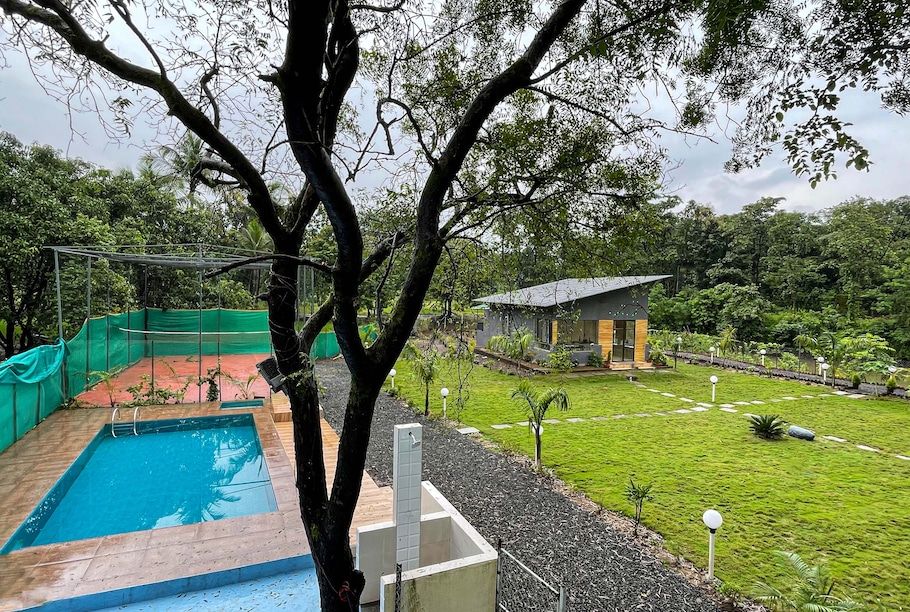
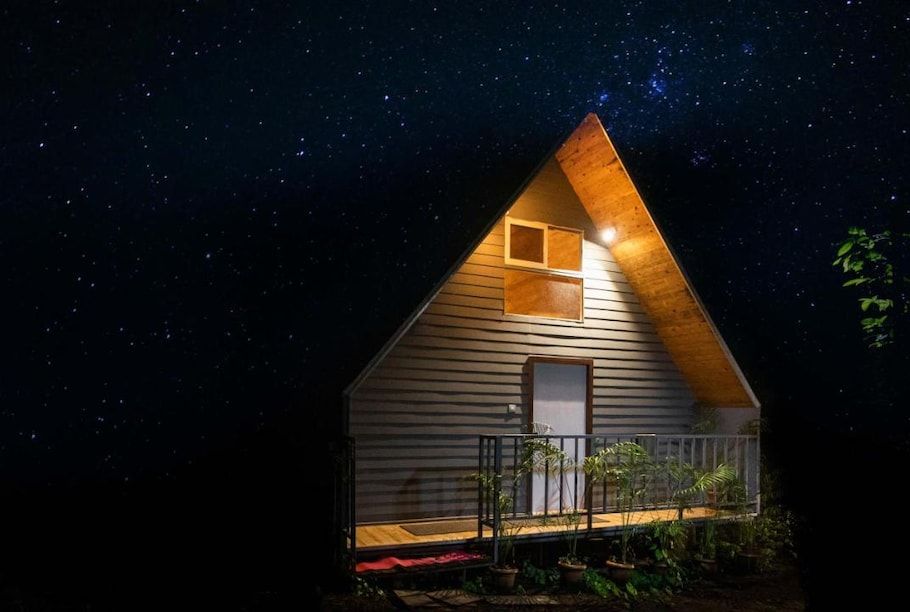
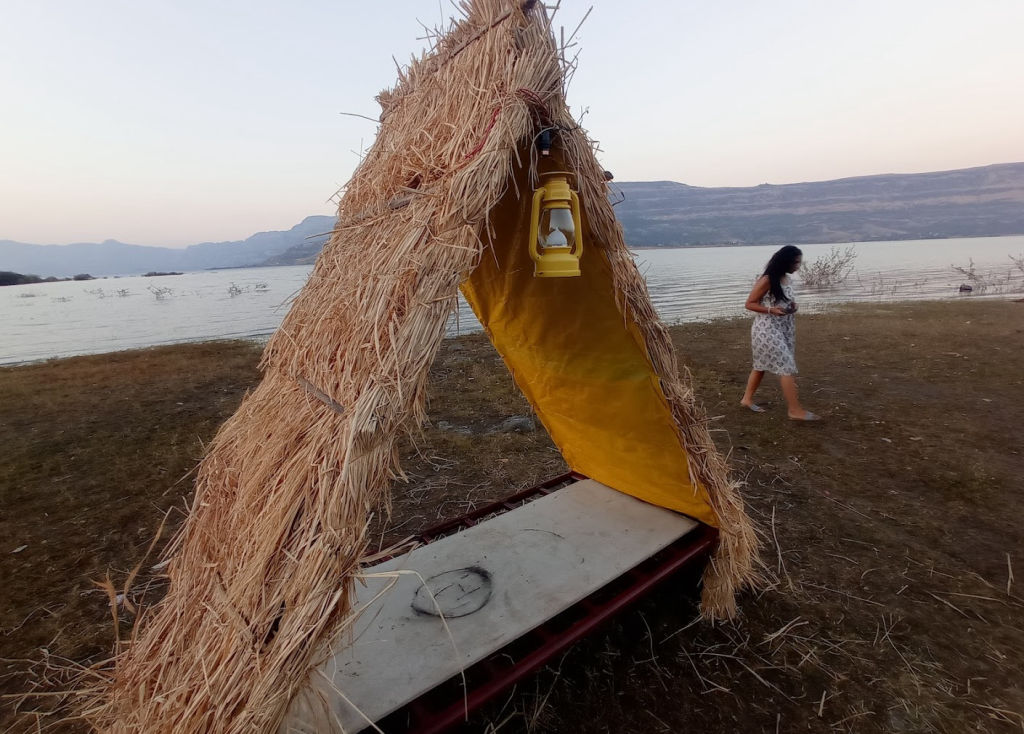
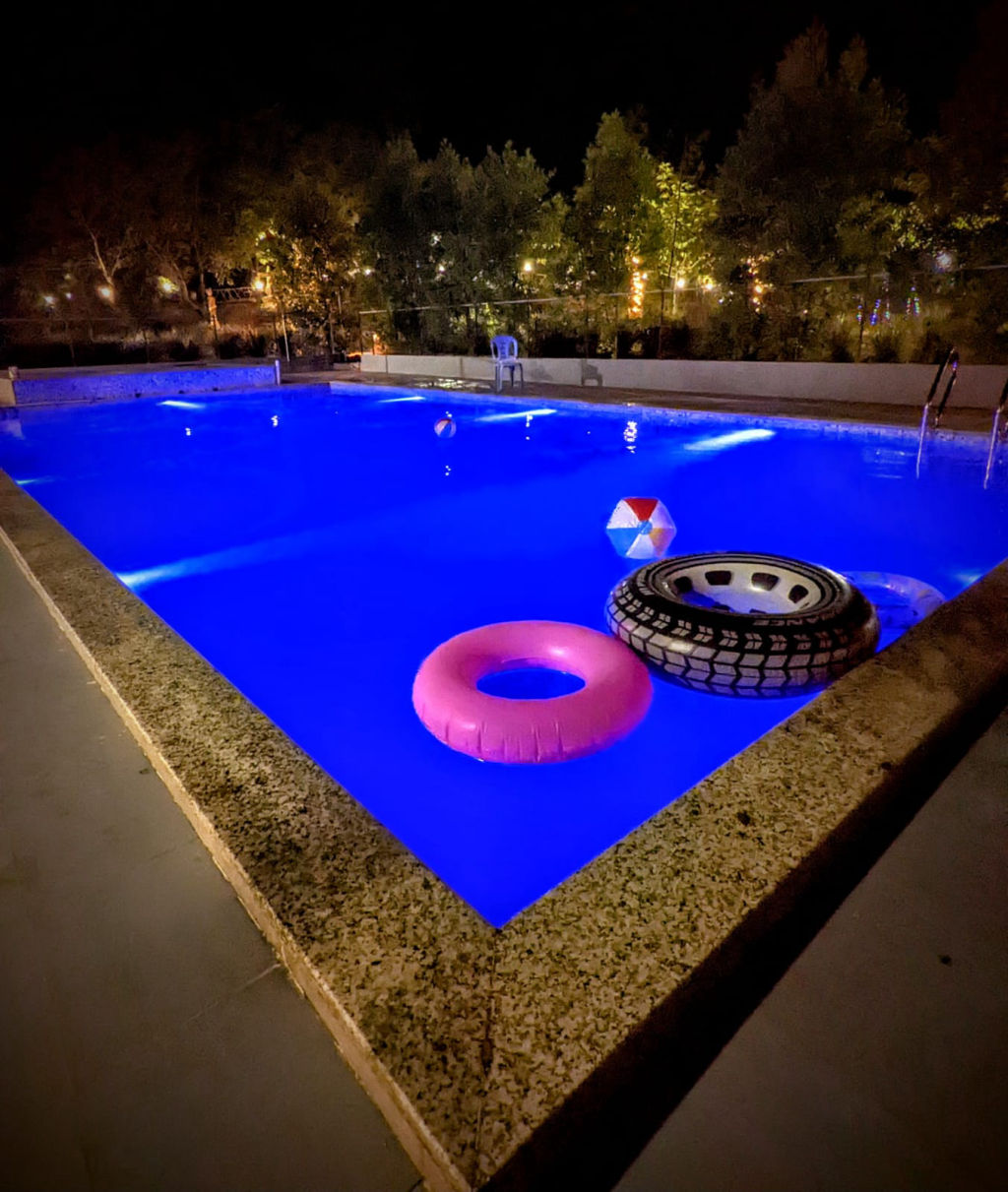
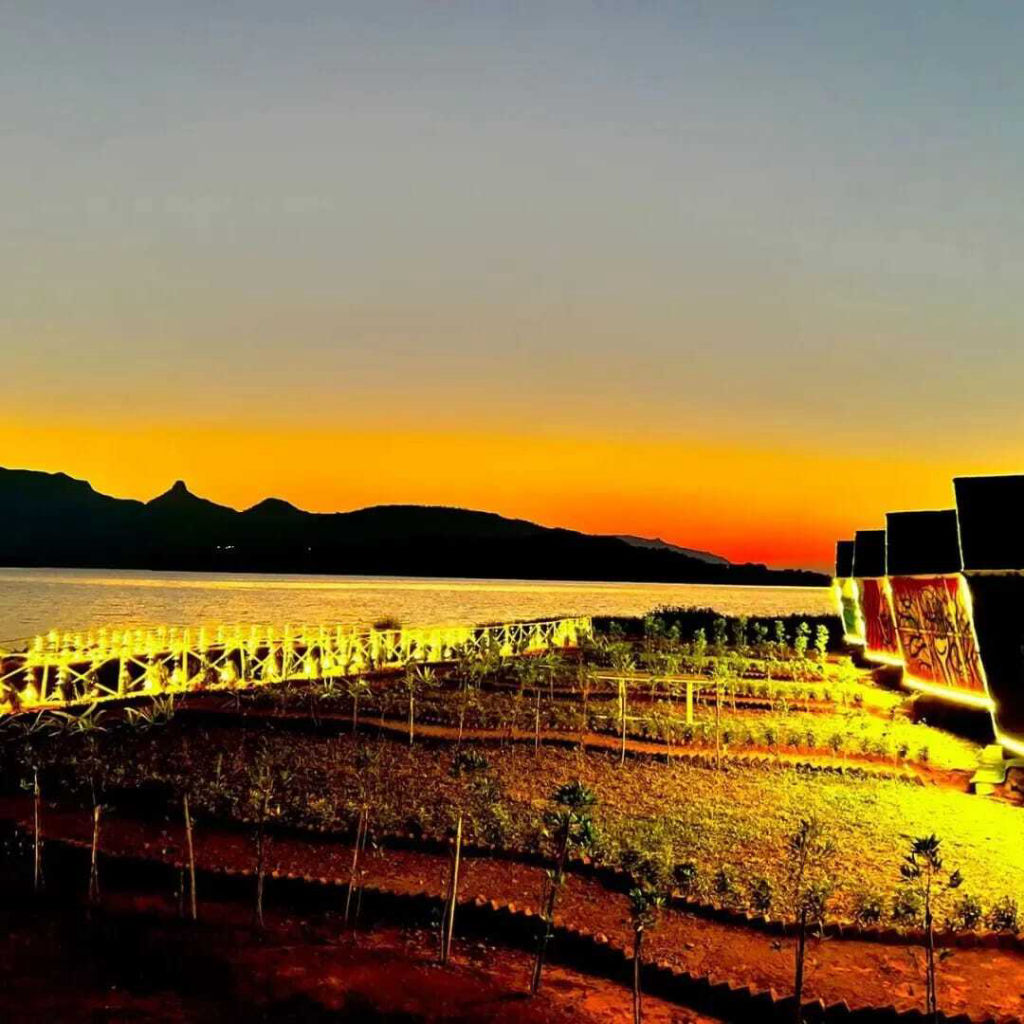
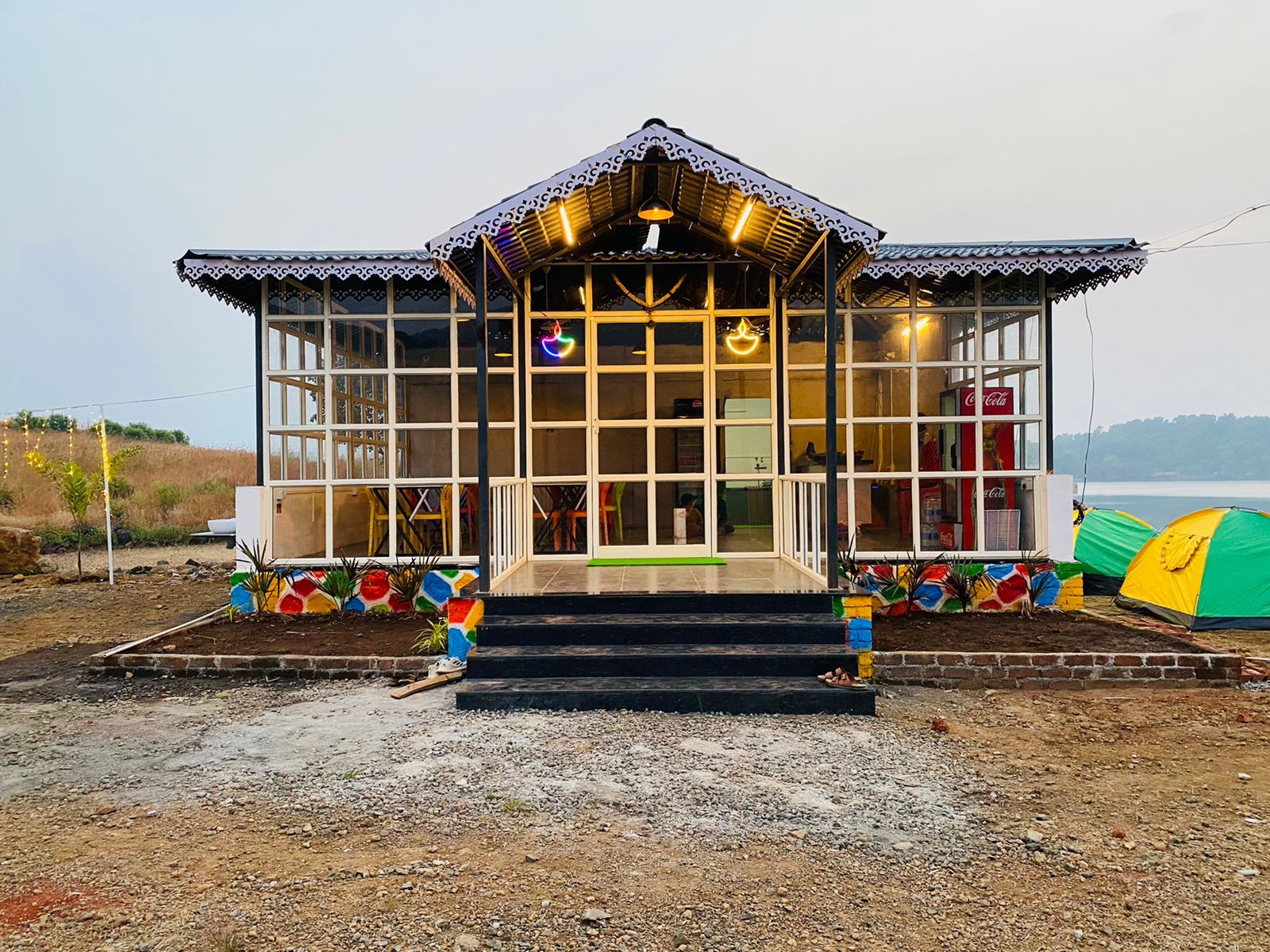
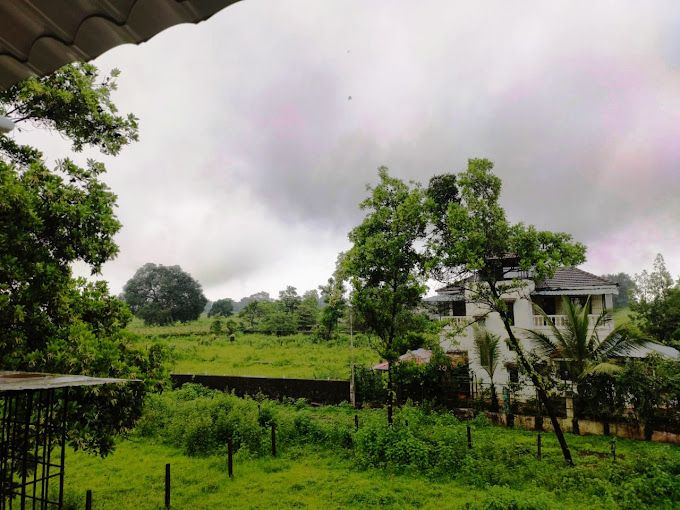
A range of pleasant accommodations can be found throughout the valleys and farming villages surrounding Malshej Ghat. Travellers can find rustic campsites, traditional homestays, and peaceful rural stays on HireACamp. Booking a stay in the surrounding countryside allows you to experience the tranquil morning atmosphere, wake up to misty hill views, and explore the region at your own pace before daytime road traffic begins.
Frequently asked questions
Which is the best time to see waterfalls at Malshej Ghat?
The peak monsoon months of July and August offer the most dramatic waterfall displays, as seasonal streams flow at maximum volume down the rock faces.
Is Malshej Ghat safe to visit during heavy rains?
Malshej Ghat is generally safe if travellers exercise caution on winding roads, drive slowly through dense fog, and keep well away from slick cliff edges and fast-flowing water.
Can Malshej Ghat be visited as a day trip from Mumbai or Pune?
Yes, both cities are within reasonable driving distance for a full-day road trip, although staying overnight nearby makes for a much more relaxed and unhurried experience.
What should I pack for a monsoon trip to Malshej Ghat?
Pack reliable rain gear, quick-drying clothing, shoes with good grip, a warm layer for chilly mountain winds, and waterproof covers for your electronics.
Are there trekking routes near Malshej Ghat?
Yes, the surrounding Sahyadri range features numerous treks, including the historic stone pass of Naneghat and fort climbs such as Harishchandragad, Gorakhgad, and Sindola Fort.
Where you'll be
8 stays nearby shown with prices
Stays near Malshej Ghat
Book a place to stay close by

More places near Malshej Ghat
Within 20 km


Lists for this area
Ranked by how many creators recommend each place


Built from 0 Instagram posts by 0 creators. Every tip links back to the post it came from, and where creators disagree we show both sides.






