
Vasuki Tal
Lake near Trijugi Narayan, Uttarakhand
2.3 km from Trijugi Narayan
The nearest town, for stays, food and fuel.
Vasuki Tal is an alpine glacial lake set high above the Kedarnath valley in the Garhwal Himalayas of Uttarakhand, accessible from base hubs near Ukhimath. Surrounded by sheer mountain ridges, moraines, and snowfields, it draws trekkers and pilgrims captivated by its remote wilderness and mythological lore. The lake offers dramatic views of the surrounding peaks and provides an immersive high-altitude trekking experience.
Getting there
By road
- From Trijugi NarayanNearest town35 min · 12 km
- From Dehradun5 hr 40 min · 277 km
- From New Delhi8 hr 15 min · 456 km
- From Chandigarh8 hr 40 min · 413 km
Typical drive times without traffic. Stations and airports from OLA Maps; distances and typical drive times from OpenStreetMap (© OpenStreetMap contributors); notes from creators' Reels.
About Vasuki Tal
Written with AI from map data and general knowledge. Check prices and timings locally before you go.
About Vasuki Tal
Tucked away in the upper reaches of the Garhwal Himalayas in Uttarakhand, Vasuki Tal is an alpine glacial lake known for its crystal-clear waters and stark high-altitude terrain. Perched high above the Kedarnath valley, the lake rests in a dramatic cirque surrounded by jagged mountain ridges and snowfields. It is widely revered in Hindu mythology, linked to the serpent Vasuki and the legends surrounding Lord Shiva and the Pandavas. The stillness of the water reflects the towering Himalayan peaks, creating an atmosphere of deep solitude and spiritual significance.
The landscape around Vasuki Tal is defined by glacial moraines, loose scree, and patches of alpine meadow that bloom briefly during the short Himalayan summer. Rare high-altitude flora such as the Brahma Kamal can occasionally be spotted along the rocky slopes leading to the lake. For travelers and trekkers, arriving at the shores of the lake provides an intimate encounter with an untamed Himalayan environment far removed from commercial hubs.
The Trekking Experience to Vasuki Tal
The journey to Vasuki Tal is a demanding high-altitude trek that requires sound physical fitness and careful footwork. Trekkers typically access the trail from the sacred Kedarnath shrine, climbing upward through steep ridges, boulder-strewn moraines, and narrow mountain paths. As you ascend beyond the tree line, the trail transitions from verdant valley bottoms into an arid, rocky wilderness shaped by glaciers.
Negotiating the ascent demands stamina, especially along the final ridge crossing that drops down toward the lake basin. The path often features loose gravel and steep gradient changes, making trekking poles and sturdy boots essential. Because the elevation climbs well beyond four thousand meters, acclimatization is a vital factor. Trekkers must pace themselves, listen to their bodies, and give adequate time to adjust to the thin mountain air before attempting the summit ridges.
Read more
Best Time to Visit Vasuki Tal
The ideal windows for trekking to Vasuki Tal are during the pre-monsoon summer months of May and June, and the post-monsoon autumn season from September to October. During the late spring and early summer, the winter snow begins to melt, exposing the trail and unlocking access to the lake basin. Days during this period are generally clear, offering pleasant daytime temperatures for hiking, although nights remain bitterly cold.
Autumn is widely considered the finest season for photography and panoramic mountain views. After the monsoon rains retreat in September, the skies turn remarkably clear, offering crisp vistas of the snow-clad Garhwal peaks against deep blue horizons. By late October, temperatures drop dramatically, water sources freeze, and winter storms bring heavy snowfall that renders the route impassable until the following spring. Trekking during the monsoon months of July and August is not recommended due to heavy rains, frequent landslides, and slick rocky terrain.
How to Reach Vasuki Tal
Reaching Vasuki Tal involves traveling by road into the Rudraprayag district of Uttarakhand before continuing on foot. The nearest major railheads and airport are located in Rishikesh, Haridwar, and Dehradun. From these transport hubs, regular state buses, shared taxis, and private cabs travel up the winding mountain highways along the Ganga, Alaknanda, and Mandakini river valleys toward Rudraprayag, Ukhimath, and Sonprayag.
The road journey winds through scenic mountain valleys and small hill towns. From the roadhead at Gaurikund, trekkers first embark on the long pilgrimage path up to Kedarnath. After resting and acclimatizing at Kedarnath, the specialized trail to Vasuki Tal branches off, climbing up the mountainside into the alpine wilderness. Local conditions, road clearance, and weather forecasts should always be checked in transit before starting the trek.
Essential Tips for Your Visit
Preparing thoroughly is critical for anyone venturing up to Vasuki Tal. High altitude and unpredictable mountain weather require high-quality gear. Layered clothing is indispensable, including thermal base layers, a fleece jacket, a windproof and waterproof outer shell, and heavy-duty trekking boots with deep grip. A comfortable backpack, UV-protection sunglasses, cold-weather gloves, and a reliable headlamp should also be carried.
Because the trail lacks built infrastructure, tea stalls, or shelter past Kedarnath, trekkers should carry ample drinking water, water purification tablets, and energy-dense snacks such as nuts, dried fruits, and energy bars. Hiring a knowledgeable local mountain guide is strongly recommended, as weather can deteriorate rapidly and cloud cover can obscure trail markings on the moraine. Travelers must also practice strict environmental conservation, carrying back all non-biodegradable waste to preserve the fragile alpine ecosystem.
Places to Visit Nearby
The broader region around Ukhimath and the Mandakini Valley is dotted with remarkable natural and spiritual landmarks that complement a trip to Vasuki Tal. Ukhimath itself serves as the winter seat of the Kedarnath deity and provides sweeping views of the Chaukhamba peaks. A short drive away lies Chopta Valley, a scenic expanse of meadows that serves as the starting point for the trek to Tungnath and Chandrashila.
Further down the valley, travelers can explore the sacred confluence at the Rudraprayag Sangam, where the Mandakini and Alaknanda rivers meet. Spiritual travelers also visit traditional temples such as Koteshwar Mahadev, carved into river caves, and Budha Kedar Temple nestled near the Bhilangna River valley. For those drawn to remote waters, Badhani Tal offers another serene lake experience amidst green forested hills.
Where to Stay near Vasuki Tal
Accommodations directly at Vasuki Tal are non-existent, as camping by the lake is subject to strict local forestry regulations and extreme weather. Trekkers typically secure overnight shelter in the pilgrim settlements around Kedarnath before embarking on their day hike to the lake and returning before nightfall.
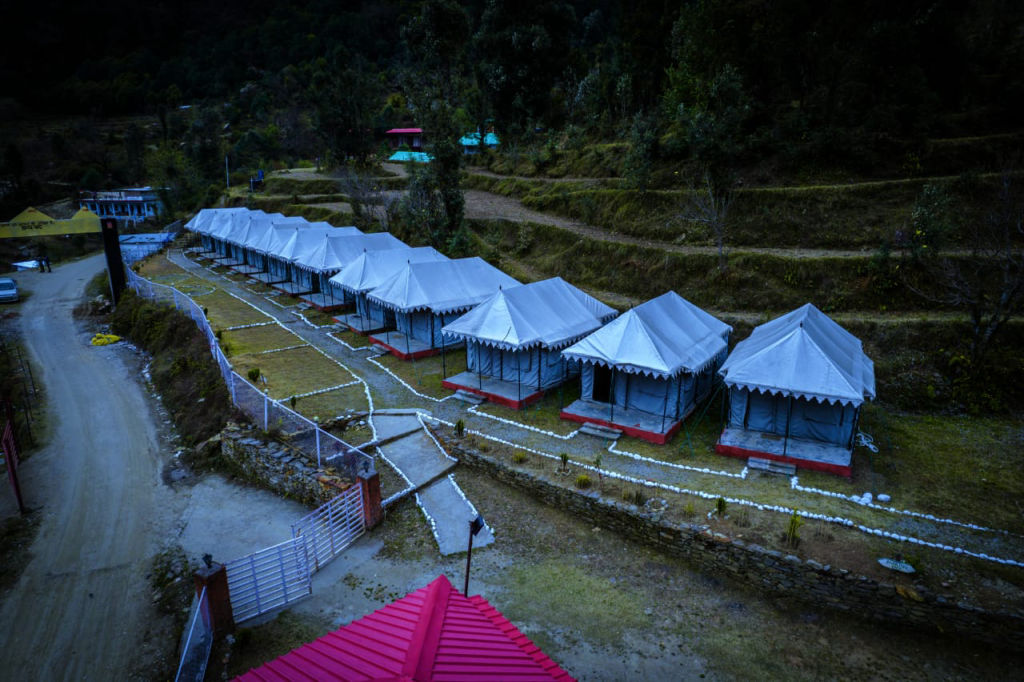
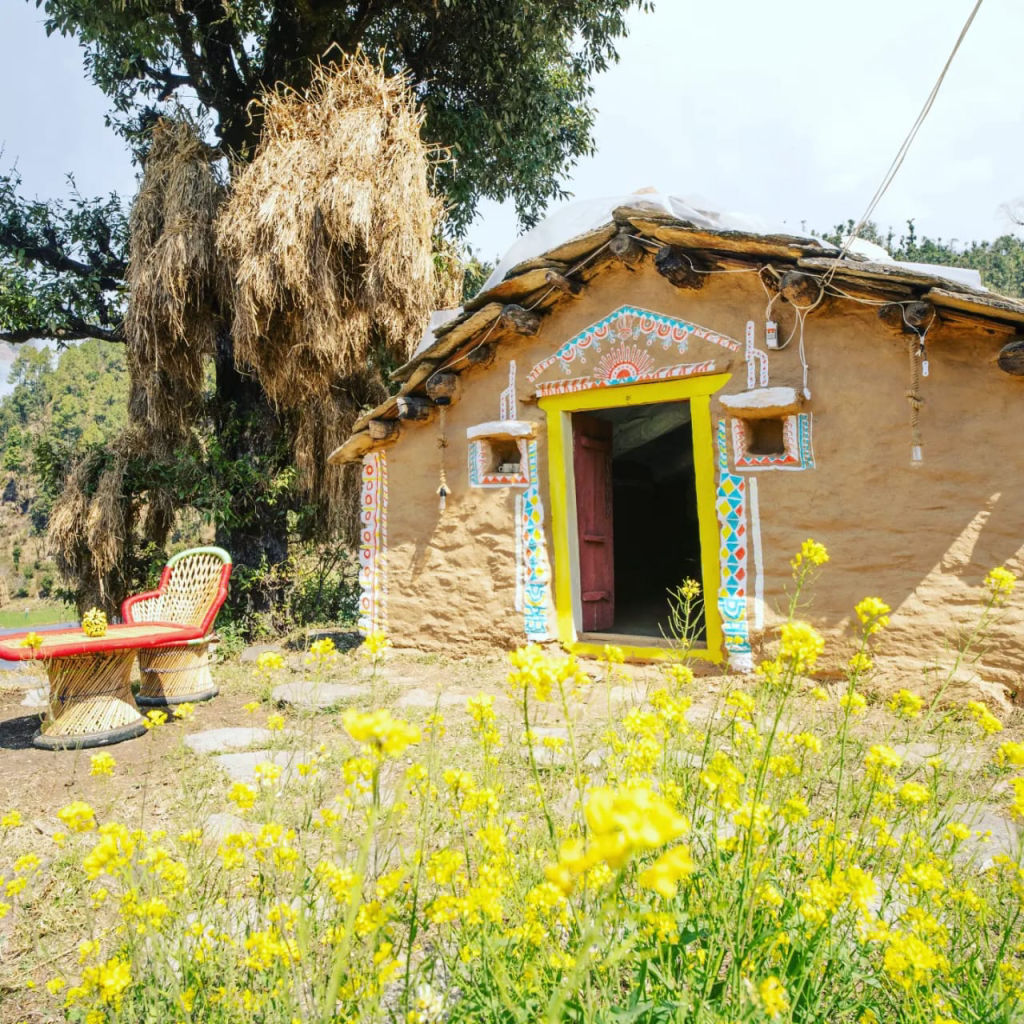
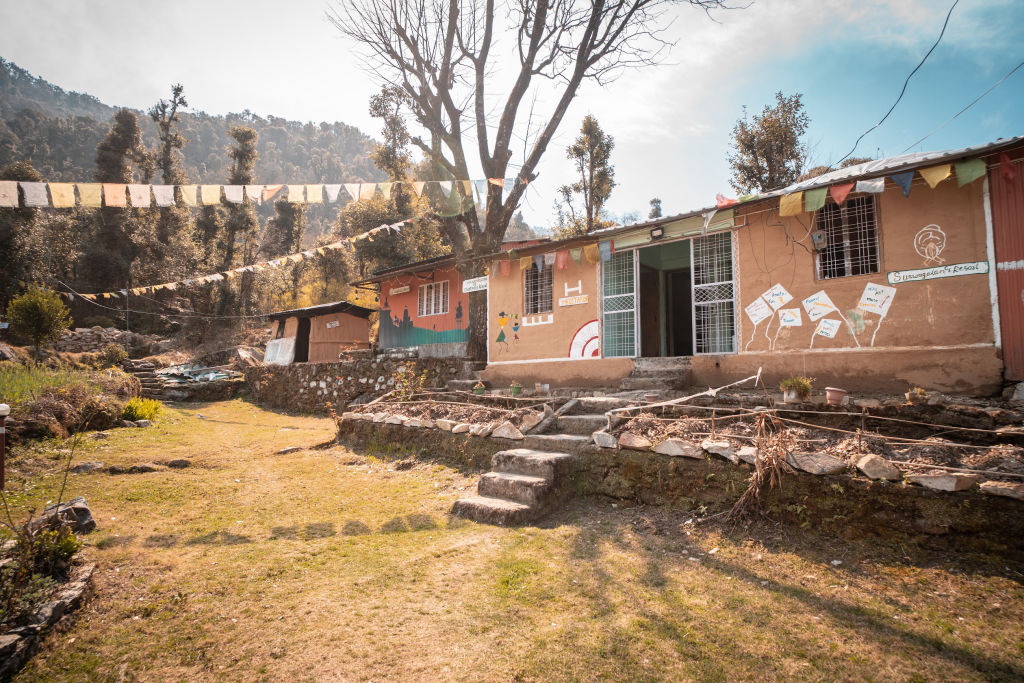
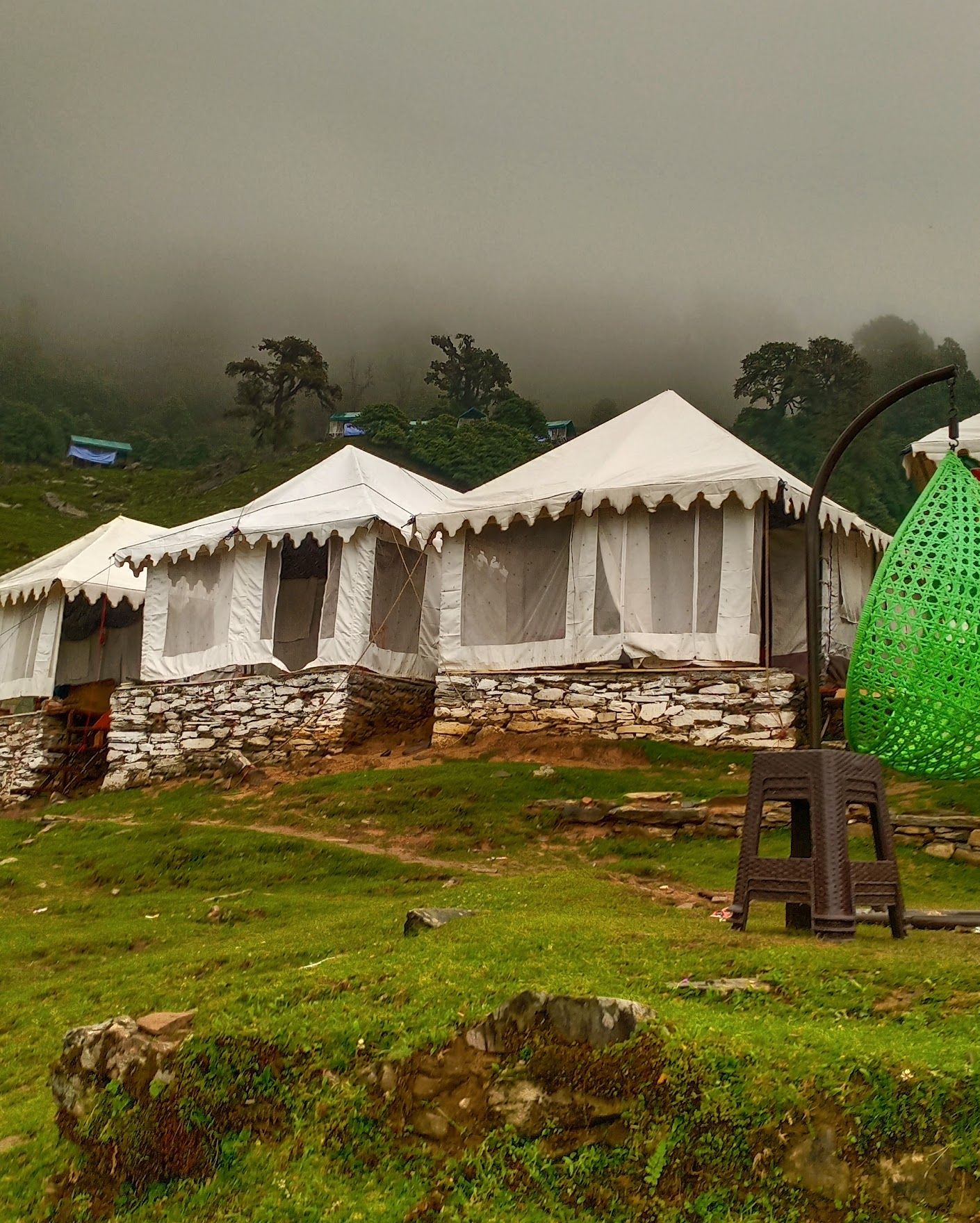
In the lower valleys around Ukhimath, Guptkashi, and Chopta, you will find a broad selection of rustic mountain lodges, village homestays, and scenic campsites. These bases allow travelers to acclimatize comfortably, enjoy home-cooked regional meals, and immerse themselves in the warm hospitality of the Garhwal hills. You can browse and book verified riverside camps, traditional homestays, and outdoor getaways across the Ukhimath region directly on HireACamp.
Frequently asked questions
How difficult is the trek to Vasuki Tal?
The trek to Vasuki Tal is moderately difficult to strenuous. It involves steep climbs over rocky moraines and loose scree at high altitude, demanding good cardiovascular fitness and prior hiking experience.
Can you stay overnight at Vasuki Tal?
Staying overnight directly at the lake is generally not permitted or advised due to extreme weather conditions, freezing temperatures, and forestry guidelines. Trekkers usually complete the trip as an out-and-back day trek from Kedarnath.
Where does the trail to Vasuki Tal begin?
The trail to Vasuki Tal branches off from the Kedarnath temple settlement, which is reached by trekking from the roadhead at Gaurikund in the Mandakini Valley.
Do I need a local guide for Vasuki Tal?
Yes, hiring an experienced local guide is strongly recommended because the trail traverses unmarked boulder fields and glacial moraines that can become disorienting in dense fog or sudden weather changes.
What is the best season to trek to Vasuki Tal?
The best months are May to June before the monsoon, and September to October after the rains clear. These windows offer stable weather, accessible trails, and the clearest mountain views.
Where you'll be
Ukhimath · 4 stays nearby shown with prices
Stays near Vasuki Tal
Book a place to stay close by
More places near Vasuki Tal
Within 20 km


Built from 0 Instagram posts by 0 creators. Every tip links back to the post it came from, and where creators disagree we show both sides.






