
Kedarnath Dham
Temple near Trijugi Narayan, Uttarakhand
2.3 km from Trijugi Narayan
The nearest town, for stays, food and fuel.
Kedarnath Dham is one of the most revered Hindu shrines dedicated to Lord Shiva, located in the Rudraprayag district of Uttarakhand. Situated high in the Garhwal Himalayas near the headwaters of the Mandakini River, the ancient temple draws thousands of pilgrims and trekkers each year. Set against a dramatic backdrop of glaciated peaks, it forms a central pillar of the sacred Char Dham and Panch Kedar pilgrimage circuits.
Getting there
By road
- From Trijugi NarayanNearest town35 min · 12 km
- From Dehradun5 hr 40 min · 277 km
- From New Delhi8 hr 15 min · 456 km
- From Chandigarh8 hr 40 min · 413 km
Typical drive times without traffic. Stations and airports from OLA Maps; distances and typical drive times from OpenStreetMap (© OpenStreetMap contributors); notes from creators' Reels.
About Kedarnath Dham
Written with AI from map data and general knowledge. Check prices and timings locally before you go.
About Kedarnath Dham
Kedarnath Dham stands at an elevation of more than three thousand meters above sea level in the upper reaches of the Garhwal Himalayas. The temple is built from large, evenly cut stone slabs set upon a broad rectangular platform, representing an extraordinary feat of historic alpine engineering. Inside the sanctum lies an irregular, triangular stone lingam that has been worshipped for centuries. Surrounding the shrine are massive peaks, including Kedarnath Main and Kedar Dome, which cast vast shadows over the temple courtyard.
According to ancient lore, the shrine traces its roots to the Mahabharata epic, where the Pandavas sought the grace of Lord Shiva to atone for the fratricidal war at Kurukshetra. The temple structure seen today is widely attributed to the eighth-century philosopher Adi Shankaracharya, who revived the pilgrimage circuit across the Himalayas. The temple's timeless architecture has endured extreme sub-zero weather, heavy snows, and powerful flash floods over the centuries, maintaining its position as one of the twelve sacred Jyotirlingas.
The Trek to Kedarnath Dham
The journey to the temple involves a challenging mountain trek that ascends alongside the deep gorges of the Mandakini River. The walking trail begins across the river at Gaurikund and winds steadily upward through temperate forests, over rushing tributaries, and across rocky glacial outwashes. As you gain height, the tree line gives way to open alpine pastures and scree slopes, with panoramic views of snow-draped ridges opening up on all sides.
The trail is broad and paved, with railings installed along exposed cliffs, but the relentless gradient and thinning air make it physically demanding. Shelters, drinking water points, and resting benches are spaced along the path to help walkers pace themselves. Completing the ascent on foot is considered an essential part of the pilgrimage experience, asking visitors to slow their rhythm and absorb the rugged wilderness of the Garhwal range before arriving at the temple gates.
Read more
Best Time to Visit Kedarnath Dham
Due to heavy snowfall and sub-zero winter temperatures, Kedarnath Dham is accessible to visitors for only about six months of the year. The shrine generally opens around late April or early May during the auspicious day of Akshaya Tritiya and closes shortly after Diwali in late autumn.
The summer months of May and June bring pleasant daytime temperatures, making this the peak pilgrimage window, though trails and base towns are at their busiest. The monsoon season of July and August brings heavy rain, thick cloud cover, and frequent rockfalls along the mountain highways, requiring careful monitoring of weather reports. September and October are regarded by seasoned travellers as the ideal months to visit, offering clear skies, crisp mountain air, and dramatic visibility of the Himalayan peaks.
How to Reach Kedarnath Dham
Reaching Kedarnath Dham requires combining air or rail transit with long mountain drives through Uttarakhand. The closest commercial airport is Jolly Grant Airport in Dehradun, while the nearest railway stations are located in Rishikesh, Haridwar, and Dehradun. From these hubs, the route follows national highways alongside the Ganga, Alaknanda, and Mandakini rivers, passing key mountain towns such as Devprayag, Srinagar, Rudraprayag, and Guptkashi.
Private and shared vehicles travel up to Sonprayag, where local shared taxis ferry passengers across the short distance to Gaurikund. From Gaurikund, the walking trail climbs directly to the temple plateau. Travel times on mountain roads vary considerably depending on monsoon conditions and seasonal traffic, so travellers should allow for generous buffer days when planning their itinerary.
Places to Visit Near Kedarnath Dham
The valleys surrounding Kedarnath are filled with historic temples, high-altitude meadows, and river confluences. A short drive away lies the Chopta Valley, a scenic alpine meadow area that acts as the starting point for the trek to Tungnath, the highest Shiva shrine in the world. Farther down the valley, Ukhimath houses the historic Omkareshwar Temple, where the deities of Kedarnath and Madhyamaheshwar are worshipped during the winter.
Outdoor enthusiasts can explore pristine highland lakes such as Badhani Tal, nestled amidst quiet pastoral landscapes, or head toward the high vantage points of Belak Pass. Spiritual wayfarers can visit ancient stone sanctuaries like Budha Kedar, Koteshwar Mahadev, and Umra Narayan. The dramatic confluence at Rudraprayag Sangam View Point, where the Mandakini and Alaknanda rivers meet, is another rewarding stop on the journey.
Tips for Your Visit
Travelling to high elevations requires thoughtful physical preparation. Give your body time to adjust to the altitude by spending an overnight halt in lower towns like Guptkashi, Phata, or Ukhimath before starting your trek from Gaurikund. Walk at an even, unhurried pace, drink plenty of water, and avoid overexertion along steep sections of the trail.
Weather in the Garhwal mountains changes rapidly, so carry layered clothing including thermal innerwear, a fleece, and a sturdy windproof, waterproof jacket. High-ankle trekking shoes with good grip are indispensable for walking on wet stone and gravel. Keep a compact medical kit with basic remedies for cold, muscle aches, and altitude discomfort, and always keep your phone and essential documents protected in waterproof covers.
Where to Stay Around Kedarnath
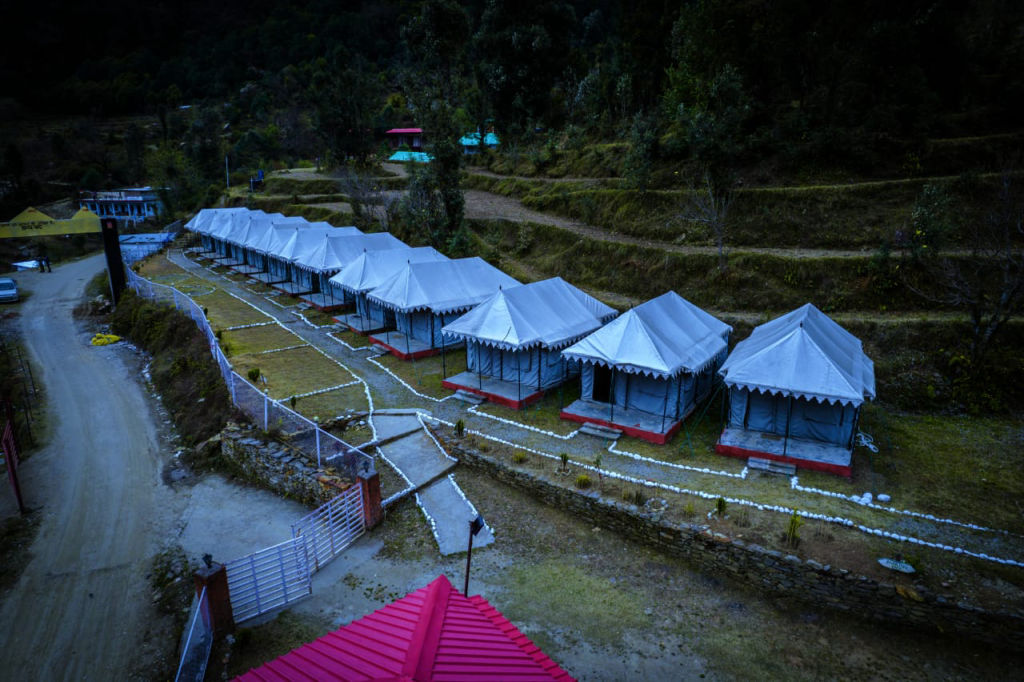
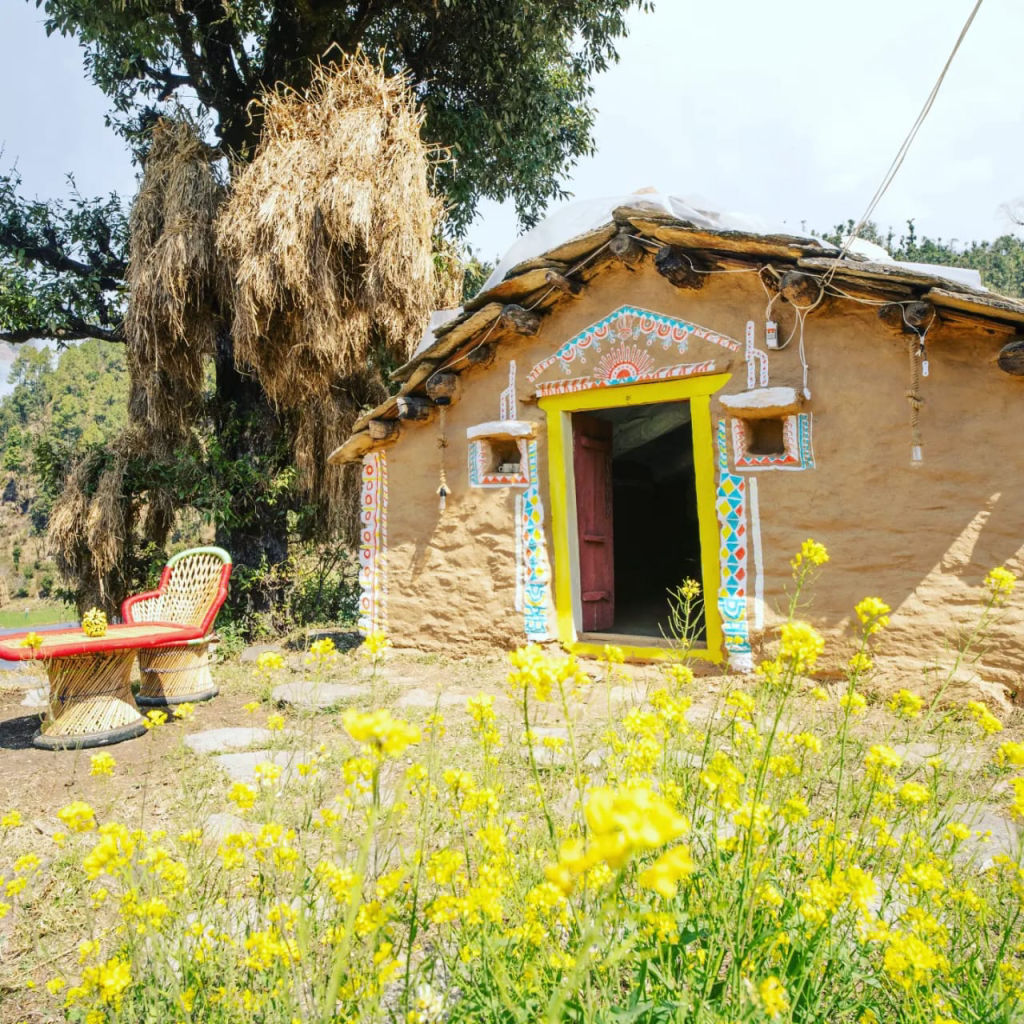
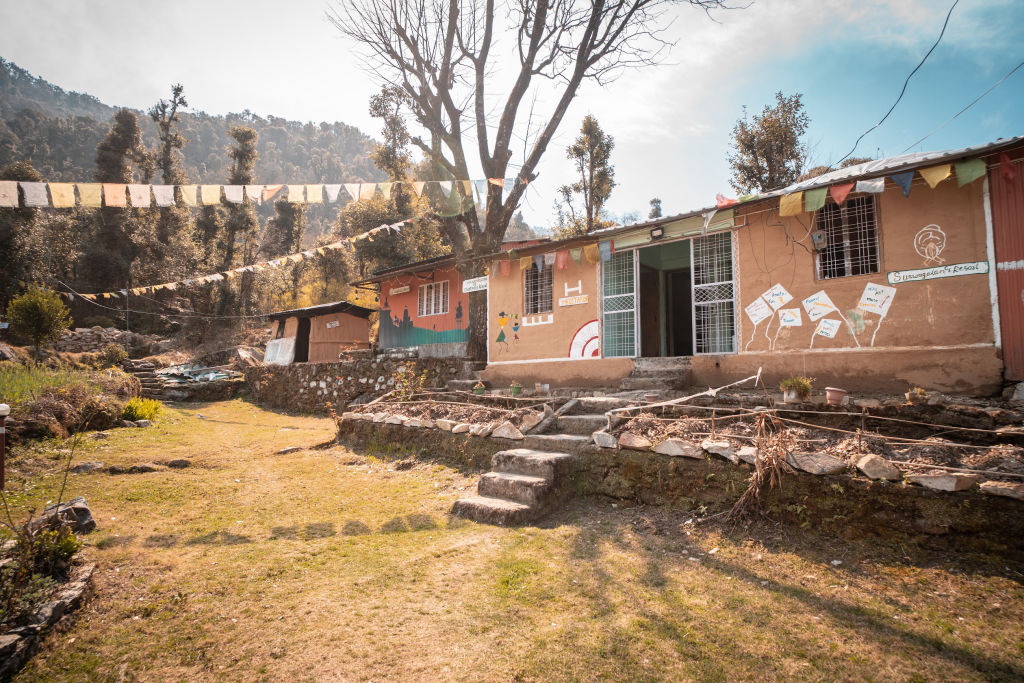
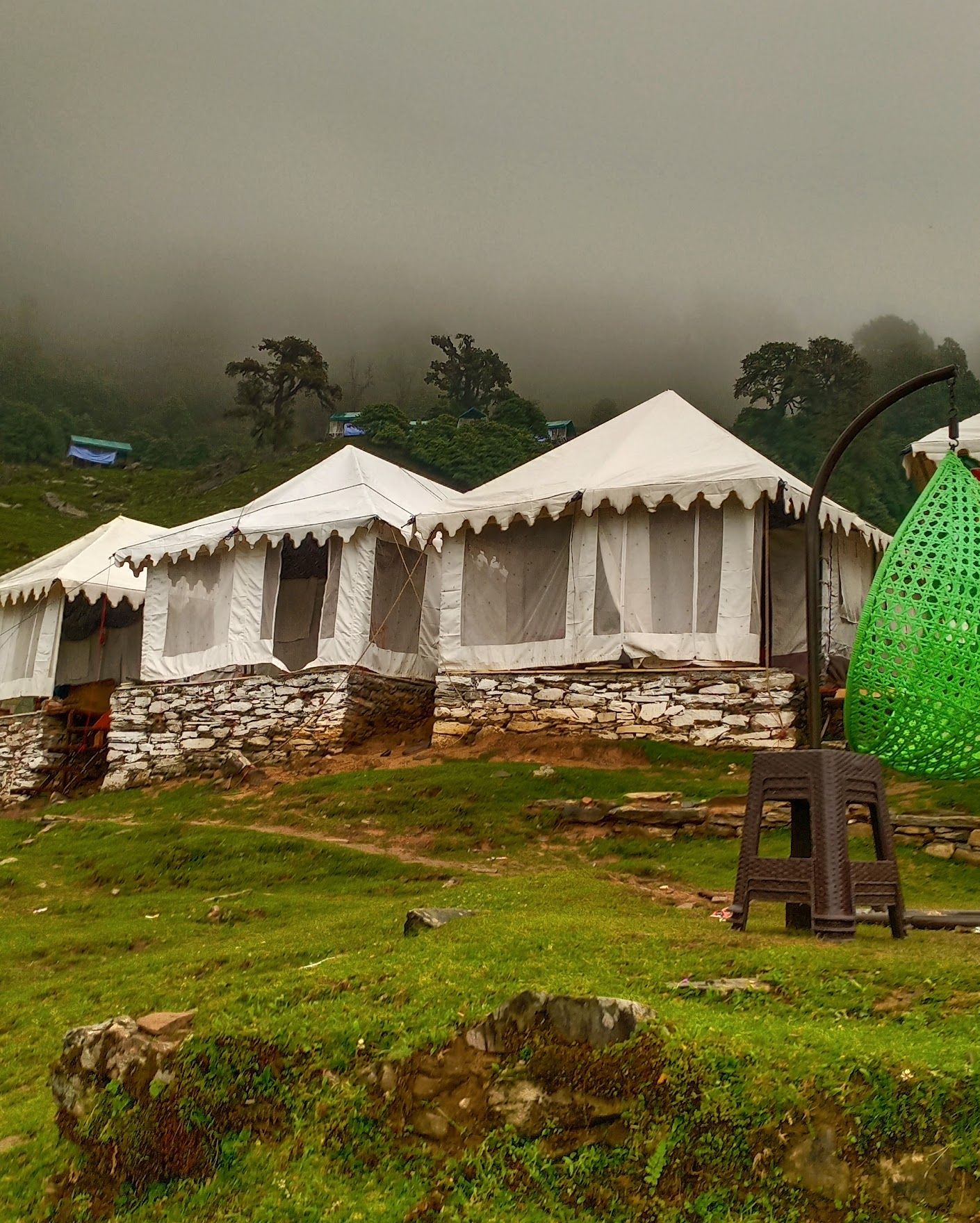
Accommodation options in the area range from simple guest houses and pilgrim dormitories near the temple complex to scenic homestays, lodges, and camps located in the lower valley settlements of Sonprayag, Guptkashi, and Chopta. Staying down in the valleys offers milder weather and a quieter, more restful environment.
If you want to stay close to nature while exploring the Garhwal Himalayas, various experiential riverside stays, alpine camps, and welcoming local homestays can be discovered and booked on HireACamp.
Frequently asked questions
When does Kedarnath Dham open and close each year?
Kedarnath Dham typically opens to visitors in late April or early May around Akshaya Tritiya and closes for the winter shortly after Diwali in late October or early November.
How long is the trek to Kedarnath Dham?
The uphill trek begins from Gaurikund and covers a steep mountain trail to the temple plateau, typically taking between six to ten hours on foot depending on fitness and pacing.
Where is the deity worshipped during the winter months?
During the winter closure when the shrine is buried under heavy snow, the symbolic idol is carried down and worshipped at the Omkareshwar Temple in Ukhimath.
What kind of clothing should I carry for Kedarnath?
Carry warm thermal layers, a fleece, a windproof outer jacket, woollen gloves, warm socks, and reliable rainwear, as temperatures drop near freezing even during summer nights.
Can I visit Kedarnath Dham during the monsoon season?
While the temple remains open during the monsoon in July and August, travel can be unpredictable due to heavy rainfall and mountain landslides, so checking regional weather alerts is strongly advised.
Where you'll be
Kedarnath Dham, Ukhimath · 4 stays nearby shown with prices
Stays near Kedarnath Dham
Book a place to stay close by
More places near Kedarnath Dham
Within 20 km


Built from 0 Instagram posts by 0 creators. Every tip links back to the post it came from, and where creators disagree we show both sides.






