
Gaurikund Temple
Temple near Gaurikund, Uttarakhand
800 m from Gaurikund
The nearest town, for stays, food and fuel.
Gaurikund Temple is a sacred Hindu shrine situated in the Mandakini River valley in the Rudraprayag district of Uttarakhand, near Ukhimath. Dedicated to Goddess Parvati, the temple marks the legendary site where she undertook deep penance to win Lord Shiva as her consort. Today, travellers and pilgrims visit the shrine both for its spiritual aura and as the traditional roadhead and base camp for the trek up to Kedarnath Dham.
Getting there
By road
- From GaurikundNearest town1 min · 200 m
- From Dehradun5 hr 10 min · 249 km
- From New Delhi8 hr 25 min · 461 km
- From Chandigarh8 hr 50 min · 418 km
Typical drive times without traffic. Stations and airports from OLA Maps; distances and typical drive times from OpenStreetMap (© OpenStreetMap contributors); notes from creators' Reels.
About Gaurikund Temple
Written with AI from map data and general knowledge. Check prices and timings locally before you go.
The Legend and Spiritual Roots of Gaurikund Temple
Gaurikund Temple occupies a deeply revered position in the Garhwal Himalayas. The shrine is consecrated to Goddess Parvati, who is affectionately worshipped here as Gauri. According to ancient Hindu traditions and regional folklore, this river valley is the exact setting where Parvati spent countless years performing rigorous penance to win the heart and hand of Lord Shiva. Her unwavering devotion moved Shiva, ultimately leading to their celestial union in the nearby mountain hamlet of Triyuginarayan.
Pilgrims visiting the temple revere it not only for its historical connection to the divine couple but also as an indispensable spiritual prelude to the sacred journey up to Kedarnath. The sanctum preserves a quiet, enduring atmosphere where pilgrims, sadhus, and mountain travellers gather to offer prayers, seek blessings for safe passage across the high trails, and reflect upon the deep spiritual traditions rooted in the valley.
The Setting along the Mandakini River
Perched in the upper reaches of the Garhwal mountains, Gaurikund Temple rests against steep crags, wooded spurs, and mist-laden ravines. The Mandakini River rushes vigorously through the gorge below the temple settlement, filling the valley with the thunderous roar of glacial waters and cool mountain air. The natural environment features dense stretches of pine, oak, and deodar trees alongside rugged rock faces characteristic of high-altitude Uttarakhand.
Historically, Gaurikund has been celebrated for its natural thermal springs. For centuries, pilgrims have taken a purifying dip in these warm mineral waters before bowing before the deity at Gaurikund Temple and commencing the uphill climb to Kedarnath. Although the landscape surrounding the spring experienced changes following past mountain flash floods, the intimate connection between the thermal waters, the river, and the temple remains central to the region's pilgrim identity.
Read more
Gaurikund as the Kedarnath Trek Gateway
Beyond its independent religious significance, Gaurikund Temple serves as the primary gateway to the high Himalayas of the Kedarnath region. The settlement represents the final vehicular terminus in the valley, marking the boundary where paved motor roads end and the famous mountain trail to Kedarnath Dham begins. For countless travellers, stepping out from the vicinity of the temple marks a conscious passage into an ancient tradition of high-altitude walking.
From the temple precinct, the footpath climbs along the flanks of the river gorge, leading travellers through changing landscapes of waterfalls, suspension bridges, and alpine birch forests. Even for those visiting without undertaking the full climb to Kedarnath, spending time around Gaurikund offers a vivid glimpse into the communal spirit of Himalayan travel, where trekkers, porters, and pilgrims from every corner of India converge before embarking on their mountain journeys.
Best Time to Visit Gaurikund Temple
The ideal time to visit Gaurikund Temple falls within two distinct windows: late spring to early summer from May to June, and the autumn months of September and October. In May and June, the valley opens after winter, and temperatures are generally comfortable for daytime exploring and trekking, though mornings and evenings remain brisk.
The monsoon period between July and August brings heavy rain to the Garhwal slopes. During these months, the terrain around Gaurikund is prone to mudslides, rockfall, and swollen streams, which can cause significant delays on mountain roads. Once the rains recede in September, autumn ushers in crisp mountain air, exceptionally clear skies, and panoramic views of the surrounding ridges. By November, winter conditions begin to set in with sub-zero temperatures and snow, leading to seasonal slowdowns and closures.
Places to Explore around Gaurikund
A trip to Gaurikund Temple provides easy access to several culturally and naturally significant landmarks across the broader Ukhimath area. Just across the valley lies Triyuginarayan Temple, renowned as the sacred site of Shiva and Parvati's marriage, where an eternal sacred fire is believed to have burned since the divine wedding. The village around Triyuginarayan offers a tranquil, unhurried mountain setting with panoramic views.
Further up the valley rises the sacred shrine of Kedarnath Dham, framed by soaring snow peaks and rugged glacial valleys. Trekkers seeking extended wilderness routes can venture towards Vasuki Tal, a high-altitude glacial lake set amidst rugged mountain pastures. Downhill towards Ukhimath and Chopta, travellers can explore scenic trails leading towards Chandrashila Peak, which commands sweeping vistas of the greater Himalayan ranges.
How to Reach Gaurikund Temple
Reaching Gaurikund Temple involves a scenic journey through the valleys of the Garhwal Himalayas. The major transport gateways are Haridwar, Rishikesh, and Dehradun, which are well connected by trains and domestic flights. From these foothill towns, travellers journey by road following the course of the Ganga, Alaknanda, and Mandakini rivers, passing through towns such as Devprayag, Srinagar, and Rudraprayag.
From Rudraprayag, the road continues northward toward Ukhimath and the transport hub of Sonprayag. Private and commercial vehicles typically park at Sonprayag, from where authorised local shuttles ferry passengers across the final short distance to the Gaurikund roadhead. Because mountain driving conditions depend heavily on weather and ongoing road maintenance, it is best to set out early in the day and budget generous travel time.
Tips for Visiting Gaurikund Temple
Given Gaurikund's mountain climate and elevation, proper preparation ensures a smooth and safe trip. Layered woolen clothing, windproof outer jackets, and sturdy shoes with reliable traction are essential year-round, as mountain weather can shift rapidly from sunshine to chilling fog or rain. Carrying a reliable waterproof poncho or compact umbrella is also highly recommended.
Visitors should allow themselves time to acclimatise to the altitude before embarking on strenuous walking. Keep your belongings sealed inside protective dry bags and carry personal medicines and basic first-aid items. Because mobile connectivity and automated teller machines can be unpredictable in the upper reaches of the valley, carrying sufficient cash and keeping emergency contact numbers handy is always advisable.
Where to Stay near Gaurikund
Travelers visiting Gaurikund Temple can choose from accommodations spread across the nearby valley settlements, including Sonprayag, Guptkashi, and Ukhimath. Staying in these lower hamlets often offers a quieter atmosphere and more spacious surroundings compared to the bustling roadhead.
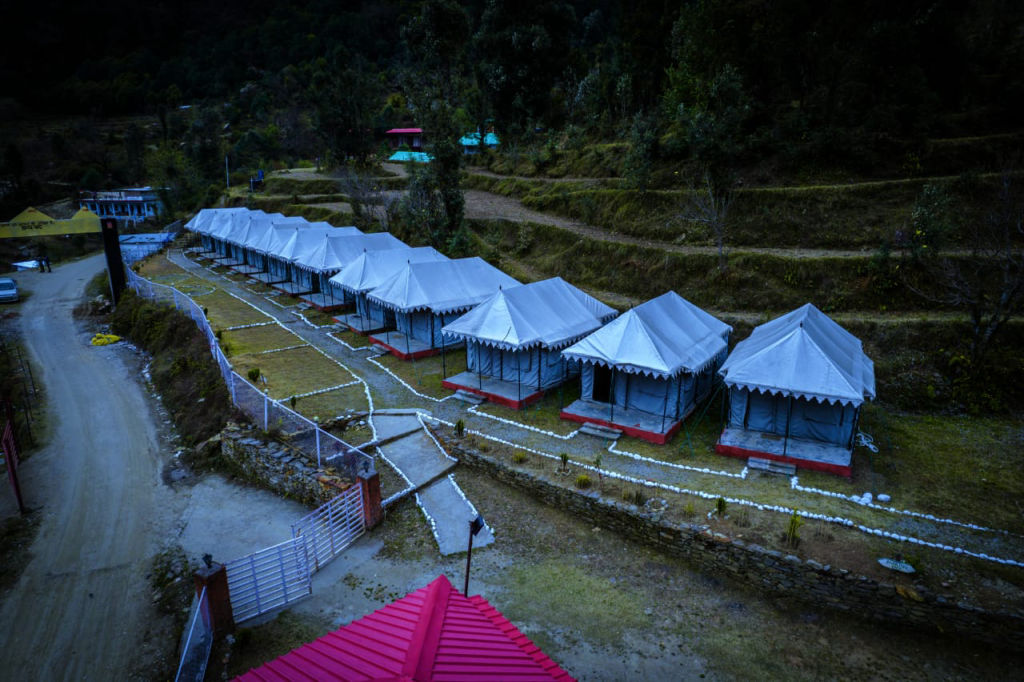
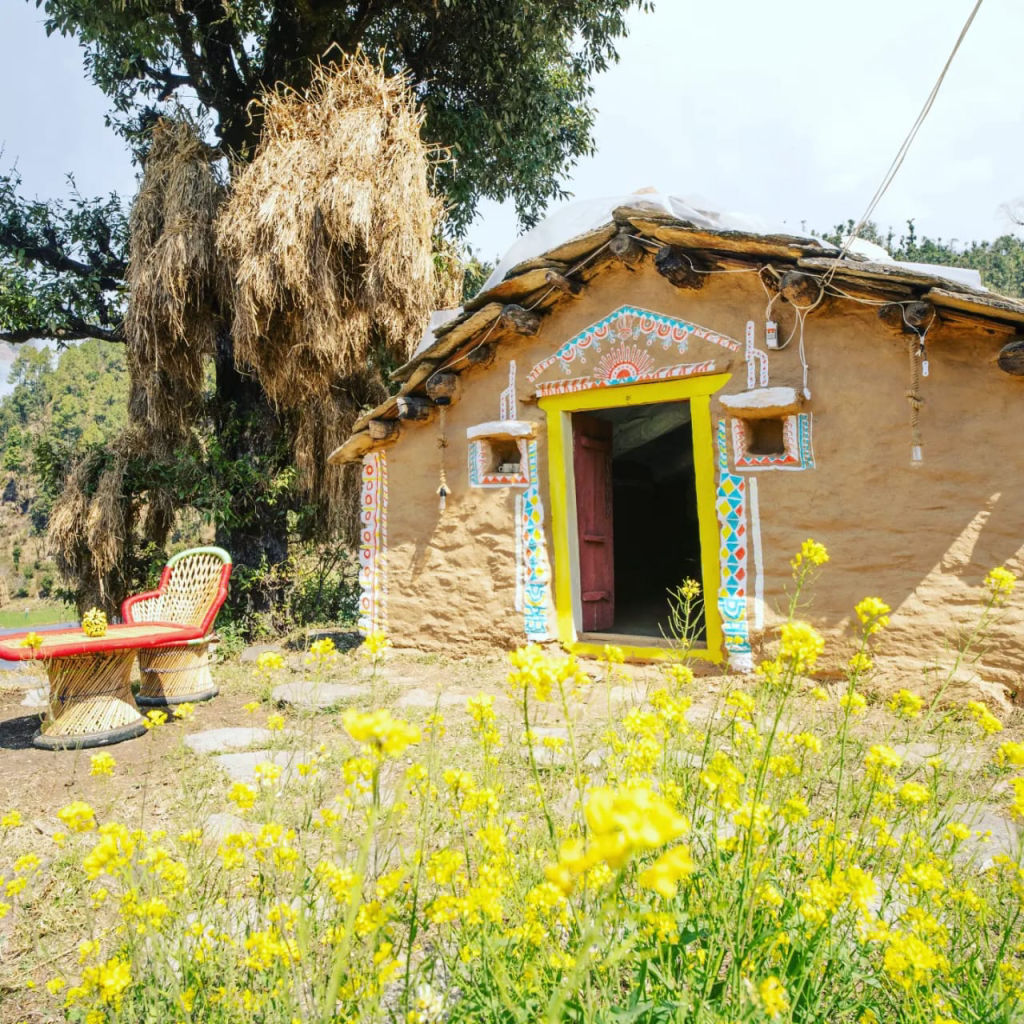
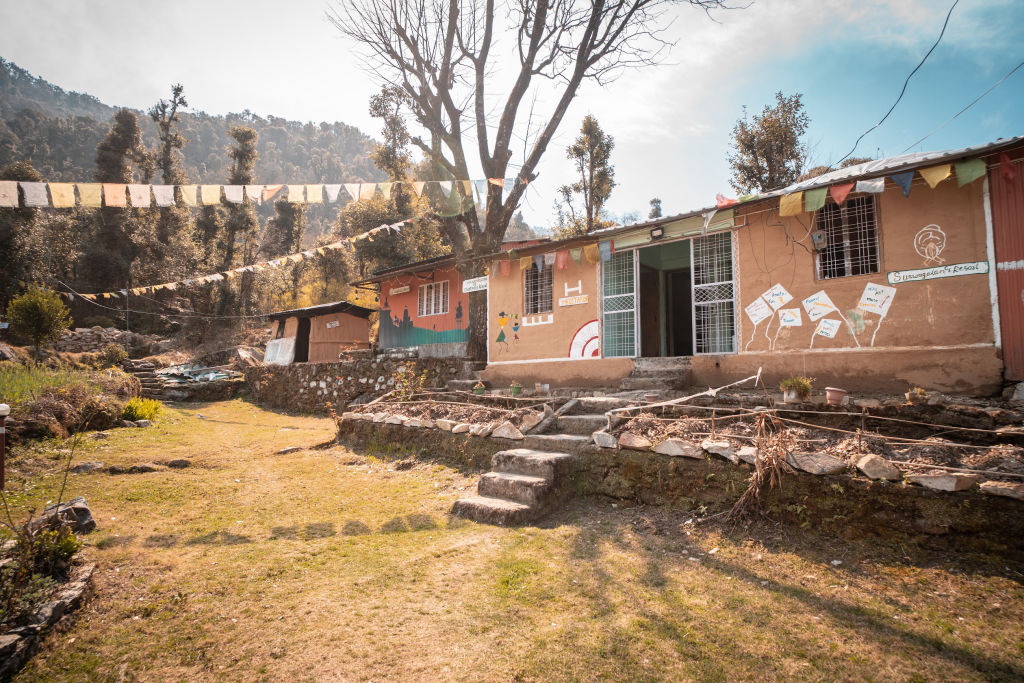
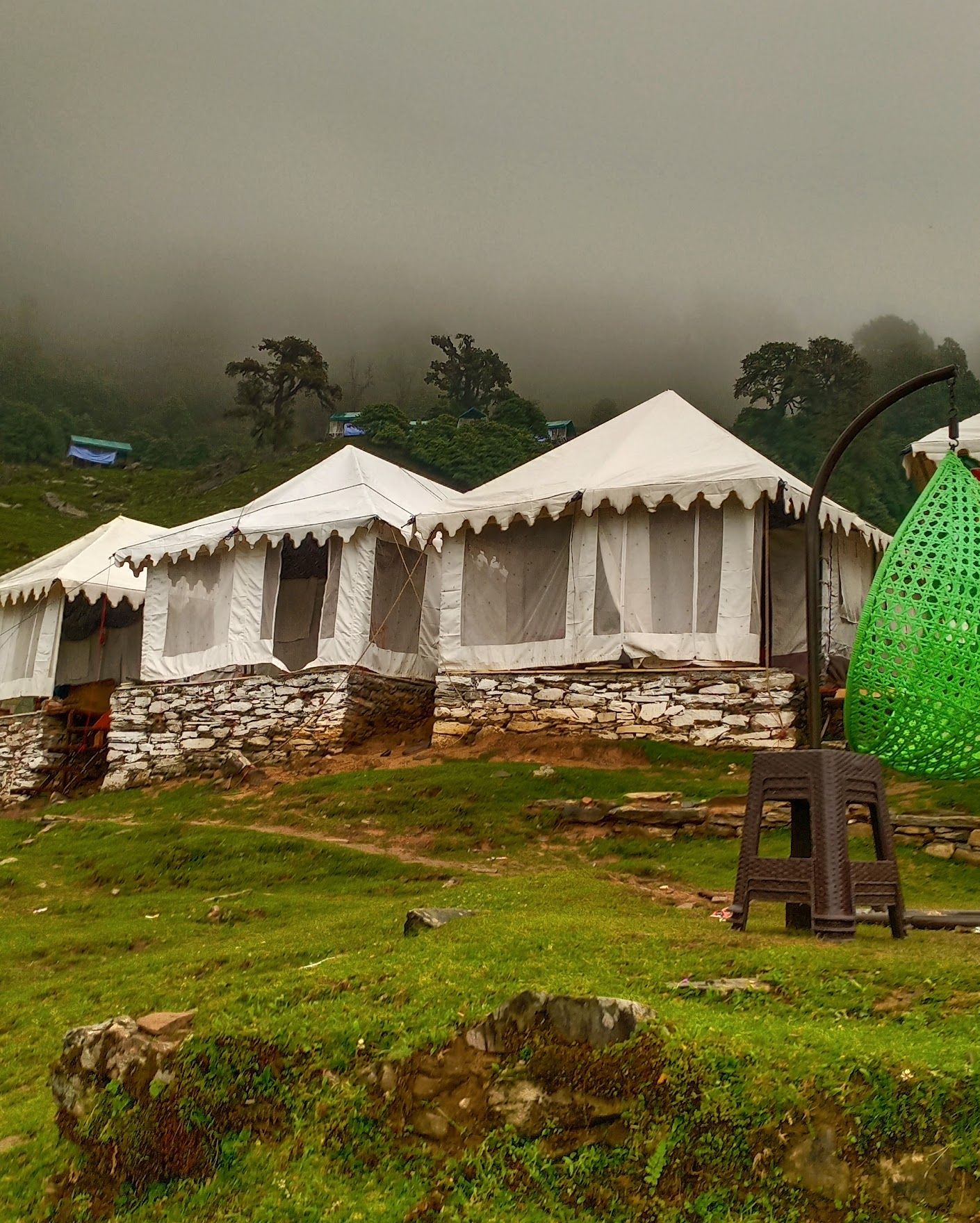
For those seeking memorable outdoor experiences, characterful homestays, and riverside campsites nestled within the forests of the Garhwal Himalayas, accommodations in the surrounding valley can be discovered on HireACamp. Opting for a homestay or camp lets you enjoy authentic local meals, peaceful evenings under the stars, and crisp Himalayan mornings.
Frequently asked questions
Where is Gaurikund Temple located?
Gaurikund Temple is located in the Mandakini River valley in the Rudraprayag district of Uttarakhand, near Ukhimath. It marks the final roadhead for vehicles before the foot trail ascends towards Kedarnath.
What is the mythological significance of Gaurikund Temple?
According to Hindu tradition, Gaurikund is the holy site where Goddess Parvati carried out intense penance to win Lord Shiva as her husband. The temple honors her devotion, and pilgrims traditionally offer prayers here before climbing to Kedarnath.
Can I drive directly to Gaurikund Temple?
Private vehicles are generally required to park at Sonprayag, a few kilometres down the valley. From Sonprayag, regulated local shuttle vehicles carry passengers across the remaining stretch to the Gaurikund roadhead.
When is the best time to visit Gaurikund Temple?
The best time to visit is during May and June for comfortable summer weather, or between September and October for clear skies and crisp post-monsoon mountain views. July and August bring heavy monsoon rains that can make mountain travel difficult.
Are there hot water springs at Gaurikund?
Yes, Gaurikund has historically been renowned for its natural thermal springs. Pilgrims traditionally take a ritual bath in these warm waters before praying at Gaurikund Temple and commencing the Kedarnath trek.
Where you'll be
Ukhimath · 4 stays nearby shown with prices
Stays near Gaurikund Temple
Book a place to stay close by
More places near Gaurikund Temple
Within 20 km


Built from 0 Instagram posts by 0 creators. Every tip links back to the post it came from, and where creators disagree we show both sides.






