
Kamru Village
Heritage & Culture near Sangla, Himachal Pradesh
2.4 km from Sangla
The nearest town, for stays, food and fuel.
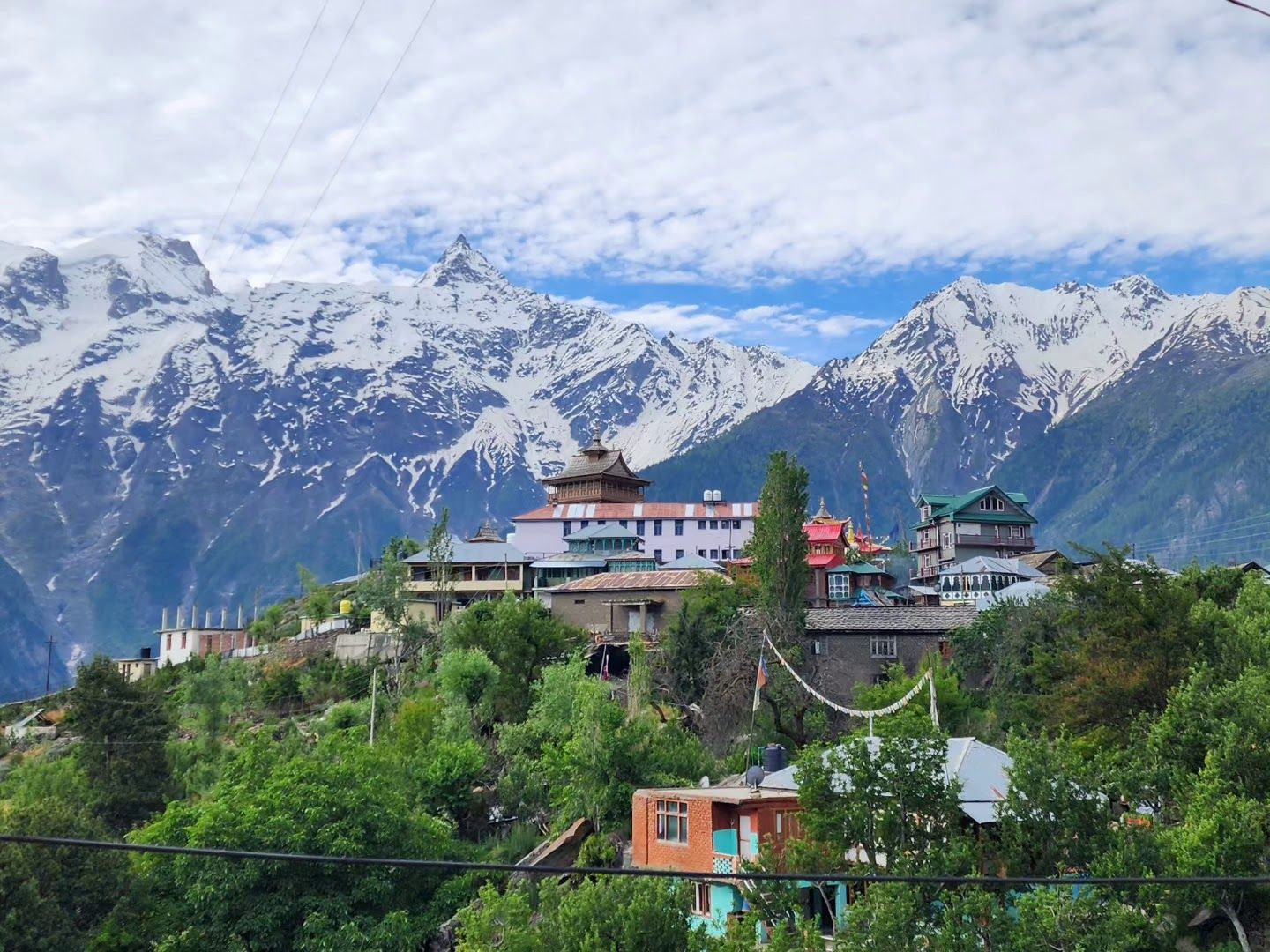
Kamru Village is a historic settlement perched on the slopes of the Baspa Valley just above Sangla in the Kinnaur district of Himachal Pradesh. Renowned as the ancestral seat of the erstwhile Bushahr kingdom, the village attracts travellers for its classic tower-style fort, intricate wood-and-stone architecture, and centuries-old local traditions. Set against towering Himalayan ridges and apple orchards, it provides an authentic glimpse into high-altitude Kinnauri culture.
Getting there
By road
- From SanglaNearest town14 min · 4.8 km
- From Chandigarh6 hr 55 min · 330 km
- From Ludhiana8 hr 50 min · 432 km
- From Dehradun9 hr · 447 km
Typical drive times without traffic. Stations and airports from OLA Maps; distances and typical drive times from OpenStreetMap (© OpenStreetMap contributors); notes from creators' Reels.
About Kamru Village
Written with AI from map data and general knowledge. Check prices and timings locally before you go.
About Kamru Village
Kamru Village sits at an elevation of roughly 2,800 metres above sea level in the picturesque Sangla Valley, also known as the Baspa Valley. Before the rulers of the Bushahr dynasty shifted their capital down to Sarahan and eventually to Rampur on the banks of the Sutlej River, Kamru served as their original seat of power. This deep royal pedigree remains evident throughout the settlement, which has preserved its cultural lineage despite the passage of centuries.
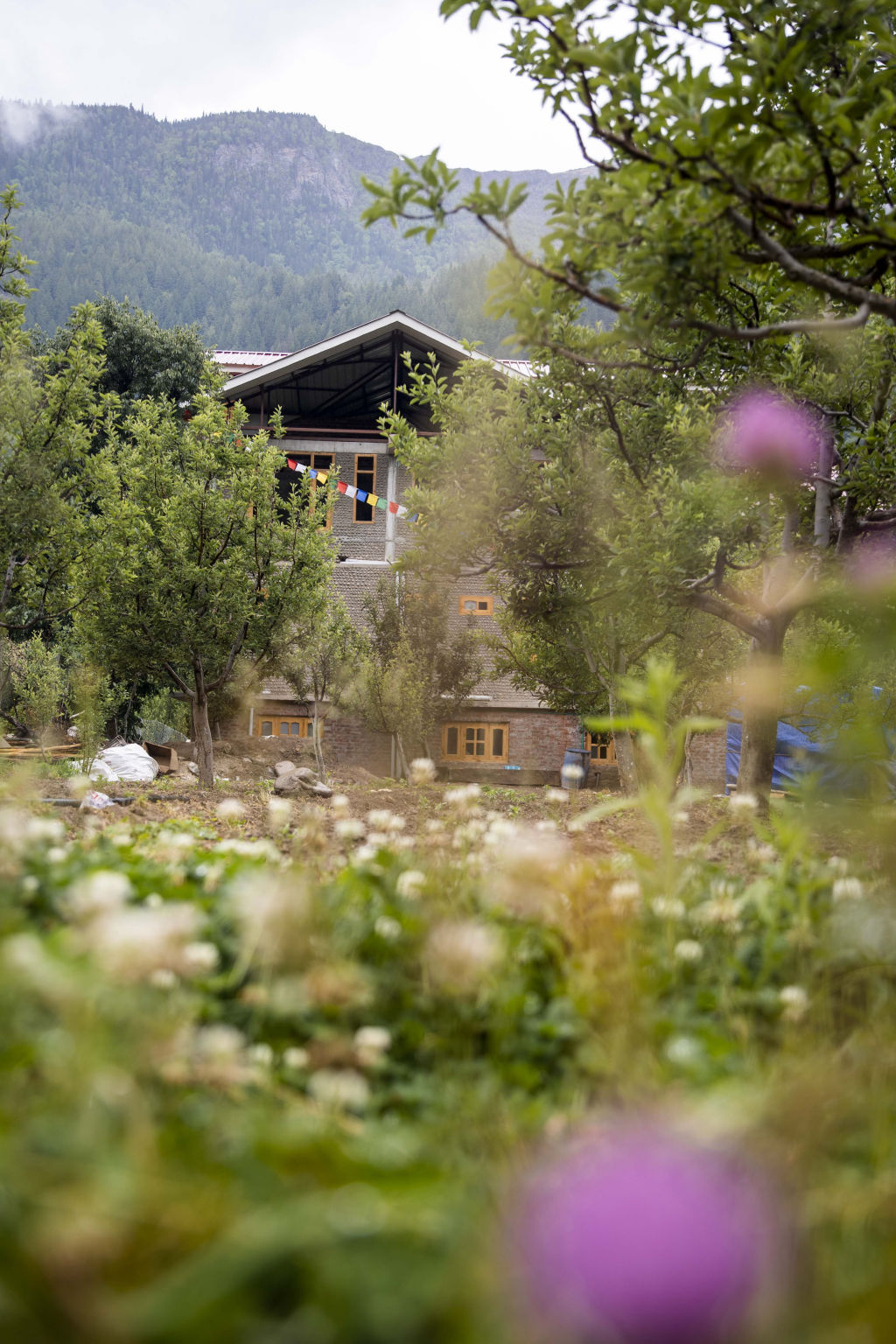
The layout of the village is tightly clustered on a hillside facing the valley floor. Stone-paved paths wind upward past two- and three-storey timber homes with carved balconies, wood-paneled facades, and sloped slate roofs. Prayer flags flutter from rooftops and sacred shrines, reflecting the harmonious blend of Hinduism and Tibetan Buddhism that characterizes the spiritual landscape of Kinnaur.
The Historic Fort of Kamru
The defining landmark of the village is Kamru Fort, an ancient vertical tower that rises several storeys above the surrounding homes. Unlike sprawling lowland fortifications, Kamru Fort is built in the indigenous Kath-Kuni architectural style, which alternates courses of dry stone masonry with hand-hewn deodar cedar beams without the use of mortar. This traditional technique gives the structure flexibility, allowing it to withstand high-altitude seismic activity for hundreds of years.
At the top of the fort stands a temple dedicated to Kamakhya Devi, whose idol is believed to have been brought from Assam centuries ago. The royal lineage maintained an intense devotion to the deity, and coronations of the Bushahr kings traditionally took place within the fort complex. To enter the inner courtyard, visitors are typically asked to tie a traditional Kinnauri fabric belt around their waist and wear a Himachali cap as a gesture of reverence to the presiding deity.
Read more
Village Life and Culture
Walking through Kamru Village offers an unhurried window into everyday Kinnauri mountain life. The villagers are predominantly agrarian, cultivating terraced fields of buckwheat, barley, potatoes, and vast orchards of crisp Kinnauri apples that ripen in late summer. Sheep rearing and wool spinning remain common household crafts, and older residents can often be seen sitting on sunny verandas carding wool or spinning yarn using traditional drop spindles.
Kinnauri social traditions place heavy emphasis on hospitality, community cohesion, and ecological respect. The attire of local residents is distinctive, often featuring the green-velvet-trimmed thepthang cap and heavy woolen jackets woven from native fleece. During local festivals, traditional brass trumpets, drums, and folk dances fill the stone courtyards, celebrating seasonal shifts and village deities.
Best Time to Visit Kamru
The best time to visit Kamru Village spans from April through October, with each season offering a different atmosphere. Spring and early summer, from April to June, bring mild temperatures, blooming fruit trees, and clear blue skies that make walking along the village paths comfortable. This is the most popular time for travellers exploring the Baspa Valley.
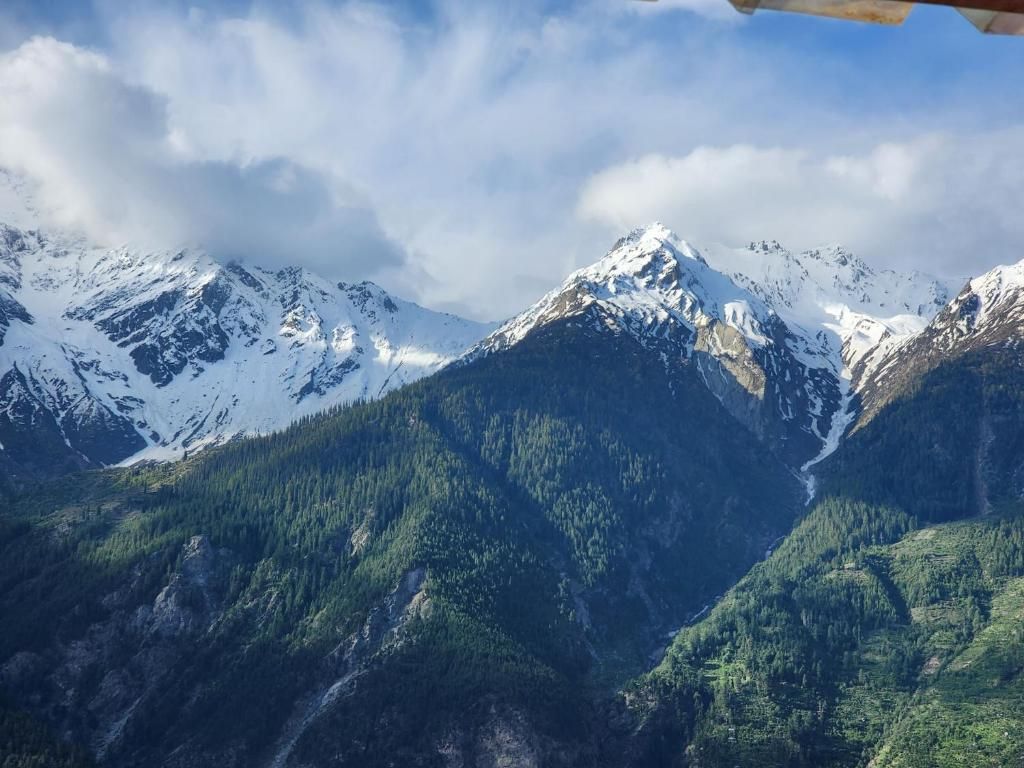
From July to August, the monsoon brings cloud cover and intermittent rain across Himachal Pradesh. While the valley turns exceptionally green, road travel along the Hindustan-Tibet Highway and into the Sangla Valley can be disrupted by rockfalls and landslides, requiring extra caution. Autumn, running from September through October, is considered by many to be the most rewarding season; the weather turns crisp, the skies clear to reveal panoramic views of snow-dusted peaks, and the apple orchards are heavy with fruit. Winters, from December to March, are severely cold with significant snowfall, during which many local establishments close.
How to Reach Kamru Village
Kamru Village is located immediately above the town of Sangla in Kinnaur. The primary access route begins in Shimla, following National Highway 5 along the Sutlej river gorge through Rampur, Jeori, and Wangtu to Karcham. At the Karcham dam, the road branches off the main highway and climbs southeast along the Baspa River directly into Sangla.
From Sangla town, Kamru is accessible via a short uphill motorable road or an energetic walk up a series of traditional stone stairways. The journey from Shimla to Sangla takes between seven and nine hours by road depending on transit conditions. The nearest broad-gauge railway junction and major airport are located at Chandigarh, from where private taxis and state transport buses operate toward Kinnaur via Shimla.
Places to Explore Nearby
A visit to Kamru is naturally paired with other attractions in the Sangla Valley and the wider Kinnaur region. Further up the valley lies Chitkul, the last inhabited village near the border with Tibet, known for its wooden houses, pristine river meadows, and broad mountain views. The valley floor along the Baspa River is also popular for nature walks, trout fishing, and relaxing by the crystalline glacial waters.
Beyond the Baspa Valley, the heritage village of Kalpa lies approximately 12 kilometres away as the crow flies, situated across the Sutlej valley on the slopes facing the sacred Kinnaur Kailash massif. Trekkers frequently use the surrounding valleys as jumping-off points for wilderness routes such as the Rupin Pass and Borasu Pass, both of which traverse high-altitude ridges into neighbouring Uttarakhand.
Where to Stay and Visiting Tips
Accommodation options in and around Kamru include family-run homestays, guesthouses, and scenic riverside campsites situated on the outskirts of Sangla. Booking a homestay directly in or near the village provides an authentic opportunity to experience local food, such as hearty buckwheat dishes and local preparations of wild greens. You can find camps, homestays, and outdoor stays around Sangla and Kamru on HireACamp.
When exploring Kamru Village, wear sturdy walking shoes with good grip, as the pathways consist of uneven cobblestones and steep ascents. Remember that the fort and temple complex are active religious sanctuaries; remove your shoes where indicated, dress modestly, and always ask permission before taking photographs of local residents or the sanctum interiors. Given the high elevation, carry layers of warm clothing even during the summer months, as temperatures drop rapidly once the sun slips behind the mountains.
Frequently asked questions
How far is Kamru Village from Sangla?
Kamru Village sits just above Sangla town. It is approximately two kilometres by road or a twenty- to thirty-minute uphill walk along traditional stone paths from the Sangla market area.
Can travellers go inside Kamru Fort?
Visitors are typically allowed into the outer courtyard and the temple area within the fort complex, though access to certain interior residential chambers may be restricted. Visitors must adhere to the traditional dress customs requested at the gate before entering.
What is the architectural style of Kamru Fort?
The fort is built in the Kath-Kuni architectural style, which is traditional to Himachal Pradesh. It features alternating layers of dry stonework and solid deodar wood beams built without cement or mortar, providing flexibility and strength against earthquakes.
What should I wear when visiting Kamru Village?
Dress modestly in comfortable layers suitable for mountain weather and uphill walking. At the fort entrance, visitors are generally required to wear a traditional Kinnauri cap and tie a fabric belt around the waist, which are provided on-site.
Is Kamru Village open during the winter months?
While the village remains inhabited throughout the winter, heavy snowfall often blankets the area from December to March, making road access challenging and causing temperatures to drop well below freezing.
Where you'll be
Kamroo & Kuppa, Sangla · 3 stays nearby shown with prices
Stays near Kamru Village
Book a place to stay close by
More places near Kamru Village
Within 20 km


Built from 0 Instagram posts by 0 creators. Every tip links back to the post it came from, and where creators disagree we show both sides.






