
Amarnath Peak
Peak near Baltal, Ladakh
7.2 km from Baltal
The nearest town, for stays, food and fuel.
Amarnath Peak is a towering mountain summit rising in the Greater Himalayas along the high-altitude rim connecting Ladakh with the Kashmir region. Standing sentinel over dramatic glacial valleys and historic pilgrimage trails, it attracts experienced mountaineers, alpine trekkers, and nature lovers seeking raw mountain landscapes.
Getting there
By road
- From BaltalNearest town1 hr 20 min · 10 km
Typical drive times without traffic. Stations and airports from OLA Maps; distances and typical drive times from OpenStreetMap (© OpenStreetMap contributors); notes from creators' Reels.
About Amarnath Peak
Written with AI from map data and general knowledge. Check prices and timings locally before you go.
About Amarnath Peak
Amarnath Peak rises sharply in the Greater Himalayan range, situated near the geographical meeting point of the Ladakh plateau and the upper Kashmir valley. Towering at over five thousand metres above sea level, the peak is distinguished by its sheer rock faces, hanging glaciers, and perennial snowfields that feed glacial streams below.
Historically, this rugged summit has formed the dramatic backdrop for ancient trans-Himalayan crossings and pilgrimage routes. While the cave temple in the adjoining valley sees seasonal foot traffic, the upper ridges of Amarnath Peak remain an untamed mountaineering challenge. The surrounding amphitheatre of scree, ice, and alpine rock makes it an imposing presence visible from several trails traversing the higher reaches of the region.
The High-Altitude Landscape and Trekking Routes
The terrain surrounding Amarnath Peak is characterized by classic glaciated Himalayan landforms. The lower approaches wind through deep gorges lined with silver birch and junipers before opening into expansive alpine meadows known locally as margs. Beyond the treeline, the landscape yields to sprawling moraines, frozen tarns, and loose boulder fields.
Several challenging trekking routes circumvent the lower slopes of the massif. Routes originating from the base valley at Baltal or winding up from Chandanwari offer long-distance hikers views of the peak's ice-clad precipices. Walking these trails requires navigating steep ascents, rocky scree tracks, and glacial meltwater streams, offering an authentic high-altitude wilderness experience far removed from paved roads.
Read more
Best Time to Visit Amarnath Peak
The optimal window for travelling around Amarnath Peak is during the short Himalayan summer, spanning from late June through September. During these months, the snow retreats from the lower passes, alpine trails become passable, and day temperatures in the surrounding valleys remain relatively pleasant.
By early October, autumn sets in with crisp air and sub-zero night temperatures, swiftly followed by heavy winter snowfalls. From November through May, the entire mountain massif is cloaked in deep snow and ice, bringing severe avalanche hazards and cutting off high passes. Unless you are undertaking an organized winter expedition with specialized technical equipment, travel during the winter months is not practical.
How to Reach the Amarnath Peak Region
Reaching the base areas around Amarnath Peak typically involves travelling by road from either Srinagar or Leh. Travellers coming from Srinagar usually take the National Highway towards Sonamarg and Baltal, which serves as the northern approach to the range. Alternatively, the southern trailheads are accessed via Anantnag and Pahalgam, ending at Chandanwari.
From these roadheads, further progress towards Amarnath Peak is on foot or by pack animals along designated mountain paths. Because there are no motorable roads leading directly onto the mountain, visitors should plan for dedicated trekking days to reach viewpoints or high camps near the peak's base.
Places to Explore Nearby
The region surrounding Amarnath Peak is rich in high-altitude natural attractions and spiritual landmarks. A short distance away lies the revered Shri Amarnath Cave Temple, nestled beneath towering limestone crags. Further south, the trail from Chandanwari leads towards scenic alpine meadows and rugged canyons that showcase the dramatic transition of terrain between the lush Lidder Valley and the barren Himalayan divide.
Tremendous glacial lakes dot the surrounding wilderness. Glacial tarns such as Tulian Lake, Doda Sar, and Sorus Nag sit cupped in high cirques, framed by jagged ridgelines. Exploring these bodies of water involves strenuous mountain hikes that provide vantage points of the surrounding peaks, including the sheer faces of the Amarnath massif.
Essential Tips for High-Altitude Travel
Due to the extreme elevation of the Amarnath Peak area, acclimatization is critical. Travellers should spend at least two days at intermediate elevations such as Sonamarg, Pahalgam, or Leh before attempting strenuous hikes toward the peak. High altitude pulmonary or cerebral issues can develop quickly without proper rest and hydration.
Weather conditions in this part of the Himalayas are notoriously volatile. Sudden afternoon showers, dense fog, and unseasonal blizzards can occur even at the height of summer. Always pack layered technical clothing, windproof and waterproof outerwear, sturdy trekking boots, and reliable thermal protection. Hiring an experienced local guide is strongly recommended when venturing onto off-trail moraines or higher ridges.
Where to Stay Around Amarnath Peak
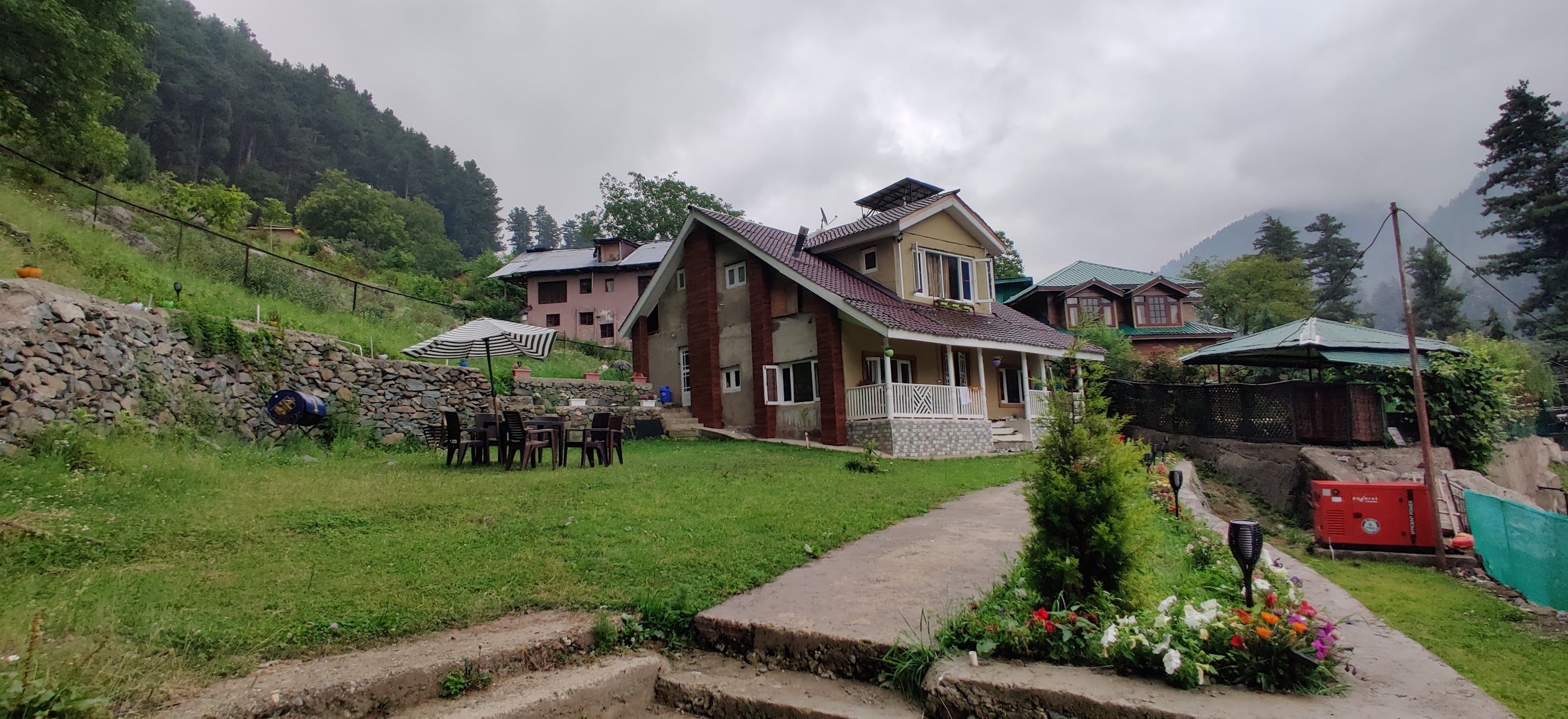
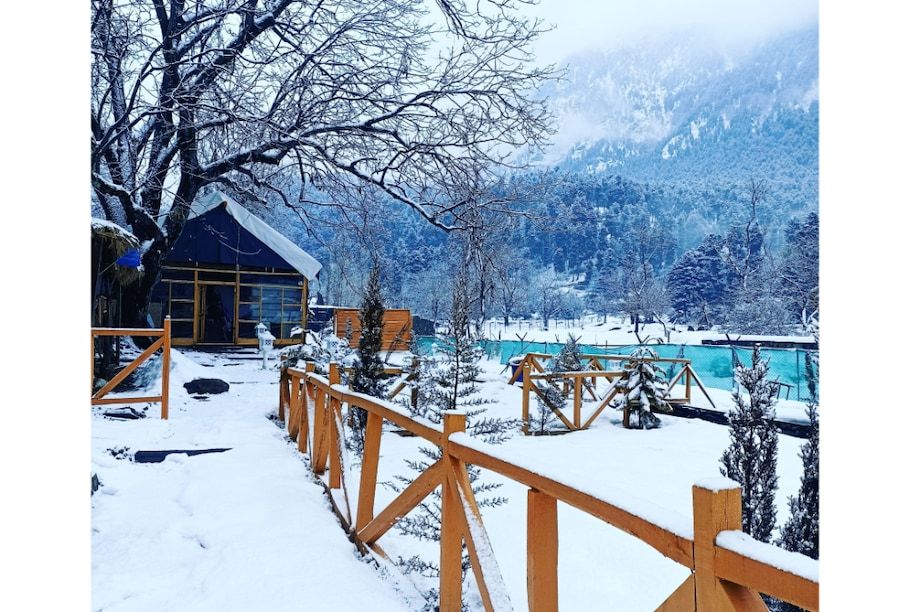
Permanent accommodation is not available on Amarnath Peak itself due to its steep terrain and protected alpine environment. Most visitors establish base camps in the valleys below, such as near Baltal, Sonamarg, or Pahalgam, where basic facilities are available during the operational season.
For those who wish to experience the mountain atmosphere up close, camping at designated trail sites is the primary option. You can explore verified homestays, guesthouses, and scenic campsites in the accessible valleys nearby through HireACamp to plan a comfortable stay before heading into the high mountains.
Frequently asked questions
Where is Amarnath Peak located?
Amarnath Peak is situated in the Greater Himalayan range along the high-altitude divide connecting Ladakh and the upper valleys of Kashmir in northern India.
Can beginners climb Amarnath Peak?
No, climbing to the summit of Amarnath Peak involves technical mountaineering over steep rock and glacial ice. However, fit beginners can hike the established trails and valleys surrounding the peak with a local guide.
What is the best season to explore Amarnath Peak?
The best time to visit the area is from late June to September, when trails are generally clear of heavy snow and weather conditions are most stable.
Do I need permits to trek near Amarnath Peak?
Access to specific trails around the Amarnath massif may require security clearances, registrations, or local permits depending on the season and route taken. It is best to verify current travel requirements locally before starting your journey.
Where you'll be
2 stays nearby shown with prices
Stays near Amarnath Peak
Book a place to stay close by
More places near Amarnath Peak
Within 20 km
Built from 0 Instagram posts by 0 creators. Every tip links back to the post it came from, and where creators disagree we show both sides.






