
Sapni
Destination in Himachal Pradesh
Sapni is a quiet heritage village situated in the Kinnaur district of Himachal Pradesh, best known for its towering centuries-old fortress and traditional wood-and-stone architecture. Surrounded by dense deodar groves and sloping apple orchards, the settlement looks out across the rugged valleys flanking the Sutlej and Baspa rivers. Travellers make the journey to Sapni to admire historic Himalayan craftsmanship, experience everyday Kinnauri village life, and escape the crowds of busier tourist circuits.
Getting there
By road
- From Chandigarh6 hr 50 min · 324 km
- From Ludhiana8 hr 45 min · 425 km
- From Dehradun8 hr 55 min · 440 km
- From New Delhi11 hr 25 min · 613 km
Typical drive times without traffic. Stations and airports from OLA Maps; distances and typical drive times from OpenStreetMap (© OpenStreetMap contributors); notes from creators' Reels.
About Sapni
Written with AI from map data and general knowledge. Check prices and timings locally before you go.
The architectural heritage of Sapni
Sapni is renowned across the Kinnaur region for its distinctive architectural legacy, centered on the ancient Sapni Fort. Built several centuries ago under the rulers of the erstwhile Bushahr kingdom, this imposing multi-storey structure stands as a masterwork of Kath-Kuni construction. In this traditional indigenous building style, thick alternating layers of hand-cut deodar timber beams and local stone are interlocked without the use of mortar or metal nails, creating flexible yet extraordinarily resilient walls designed to withstand harsh alpine weather and seismic tremors.
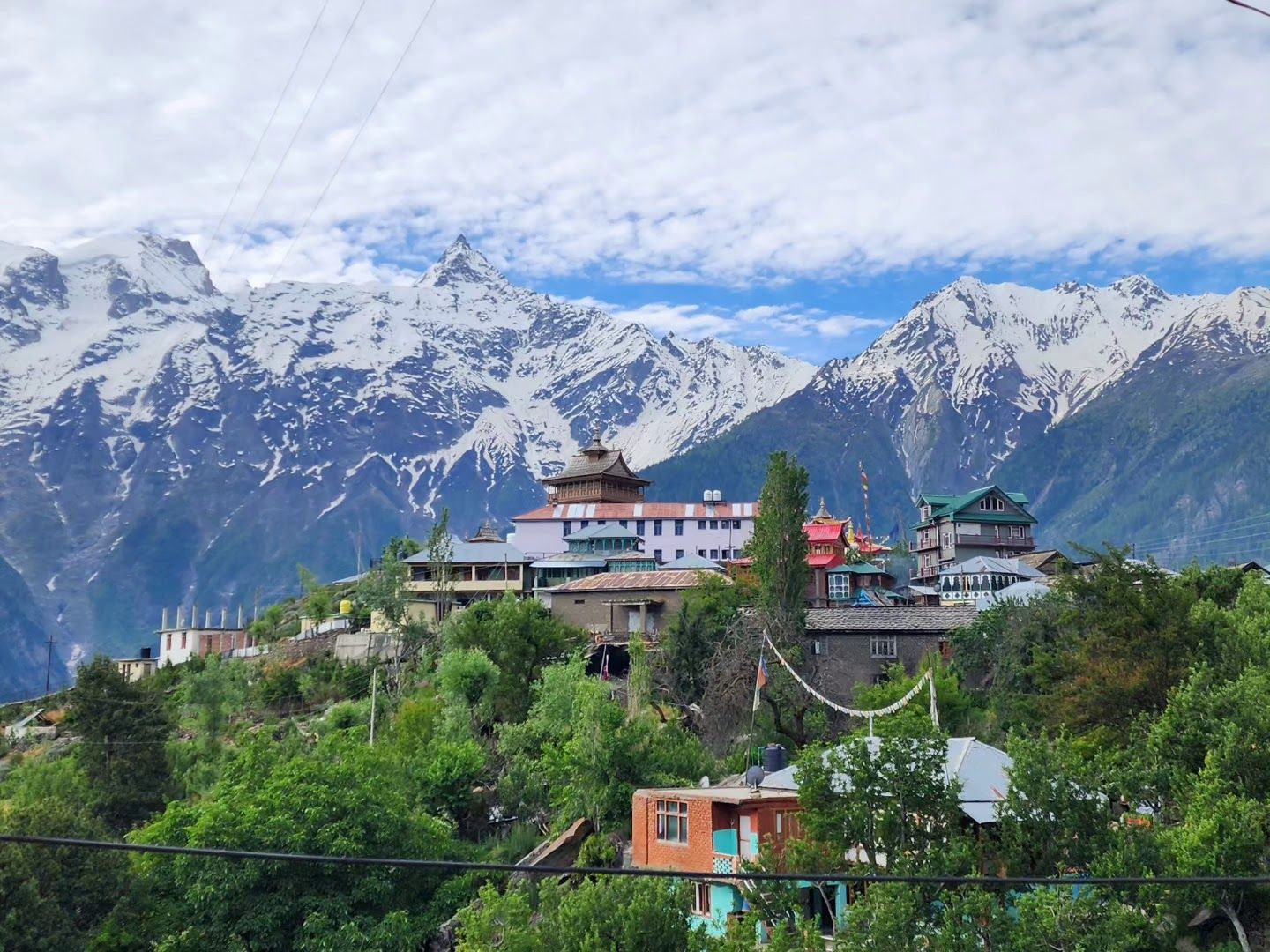
The fort originally served both as an administrative redoubt and a sacred complex. The upper floors of the main tower house shrines dedicated to the local deity and Goddess Bhimakali, featuring intricately carved wooden lintels, door frames, and balconies. Surrounding the fort, the wider village exhibits the same vernacular ingenuity, with double-storied houses featuring stone-slate roofs, carved wooden eaves, and elevated verandas where villagers dry crops and wool in the mountain sun.
Things to do in Sapni
The pace of life in Sapni invites slow, unhurried exploration on foot. A walking tour through the village's narrow cobblestone lanes offers an authentic glimpse into everyday mountain living. You can observe local woodcarvers at work, see traditional woven Kinnauri shawls and caps being made on handlooms, and explore the small shrines tucked between traditional homesteads. The locals are known for their hospitality and deep connection to indigenous customs, making casual interactions an enriching part of the visit.
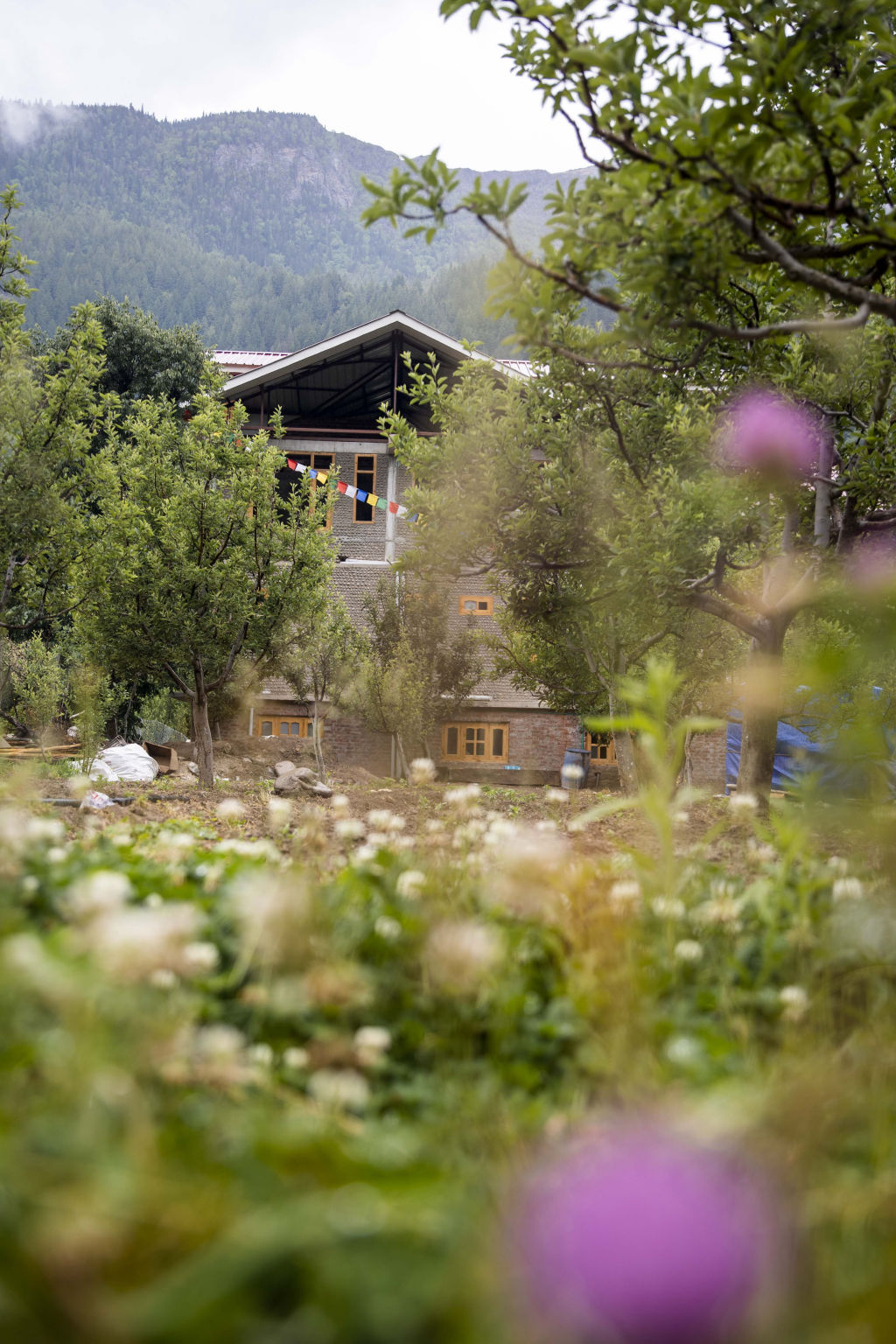
Beyond the village cluster, dirt tracks and footpaths meander through lush apple, apricot, and walnut orchards. In spring, these slopes are blanketed with pale blossoms, while late summer brings deep red apples ripening on the boughs. For birdwatchers and nature enthusiasts, the surrounding cedar and pine woods provide habitats for regional birdlife such as Himalayan monals, laughingthrushes, and nutcrackers. Photographers will find endless inspiration in the interplay of ancient timber, steep terraced fields, and snow-dusted ridges across the horizon.
Read more
Places to visit around Sapni
Sapni serves as an excellent base for discovering the broader cultural and natural landmarks of lower and middle Kinnaur. Just across the valley system lies the historic settlement of Kalpa, famous for its sweeping views of the sacred Kinnaur Kailash massif. A short excursion to Kalpa lets you explore Buddhist monasteries, sacred Hindu shrines, and dramatic viewpoints overlooking the Sutlej gorge.
Further up the adjacent Baspa Valley, travellers can visit Sangla with its iconic Kamru Fort, as well as Chitkul, the last inhabited village near the Indo-Tibetan border. For active trekkers, Kinnaur is a gateway to demanding alpine routes including the Rupin Pass and trails leading toward the Borasu Pass and Chanshal range. These regional excursions combine high-altitude passes, glaciated river valleys, and remote shepherd pastures, complementing the serene village atmosphere of Sapni.
Best time to visit Sapni
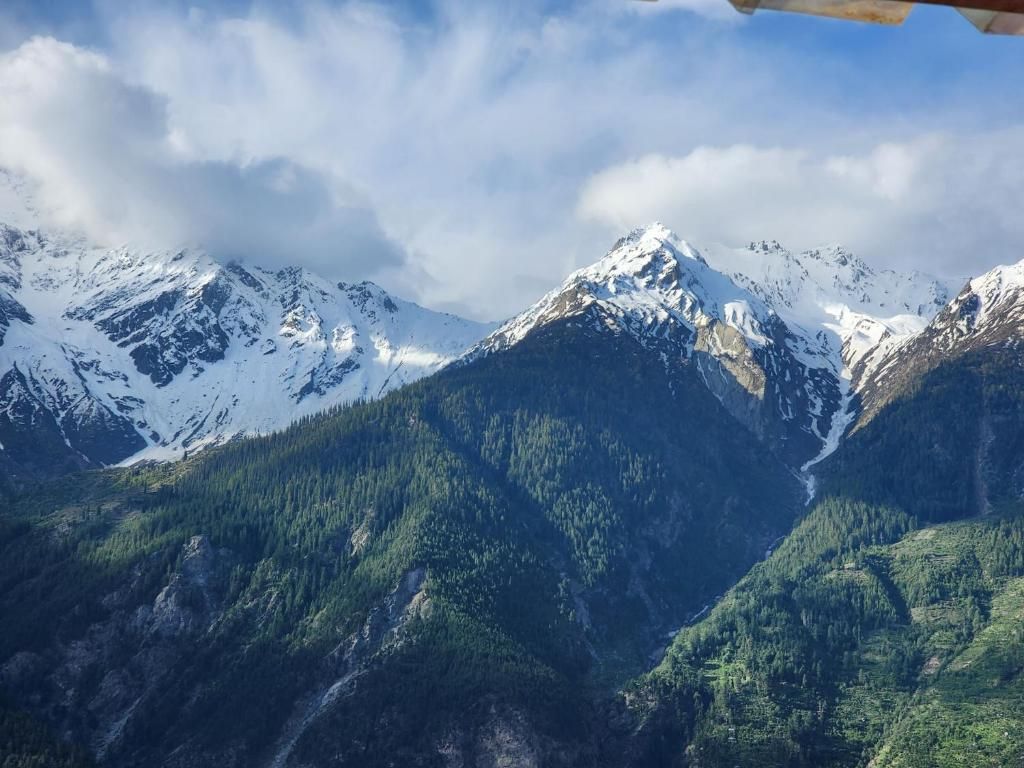
The ideal time to plan a trip to Sapni is between April and October, though each season brings a distinct character to the mountain landscape. Spring, from April to May, brings pleasant daytime temperatures, clear blue skies, and blooming fruit orchards across the terraced hillsides. The snow on higher surrounding peaks remains thick, providing striking contrasts against the green valleys.
Summer, spanning June and early July, offers mild and comfortable weather, making it suitable for long walks and exploring regional trails. The late monsoon months of July and August can bring localized downpours and landslides along the Hindustan-Tibet highway, so road status should be monitored closely during this window. Autumn, running from September through October, is considered by many to be the finest season to visit. The air turns remarkably crisp, the skies remain crystal clear, and the apple harvest fills the village with activity. Winter brings intense cold and regular snowfall from December to March, transforming the village into a quiet, snowbound retreat accessible only to well-prepared winter travellers.
How to reach Sapni
Sapni is located in Kinnaur, accessed via the National Highway 5 corridor commonly known as the Hindustan-Tibet Road. The journey typically begins from Shimla, which is well connected to major northern Indian transport hubs. From Shimla, the road winds through Narkanda, Rampur Bushahr, and Jeori before following the rugged Sutlej canyon toward Tapri and Karcham. Near Karcham, where the Baspa River meets the Sutlej, a diversion leads up the mountain slope toward Sapni.
The nearest broad-gauge railway stations and major airports are in Chandigarh and Shimla. Travellers relying on public transport can board state transport buses or shared utility vehicles operating between Shimla, Rampur, Reckong Peo, and Sangla, disembarking near Karcham or local junctions to take connected local transport uphill. Given the steep gradient and unpaved stretches near the village, a sturdy vehicle with high ground clearance is recommended for self-drivers.
Tips for travellers visiting Sapni
Because Sapni is a traditional village with deep spiritual customs, visitors should conduct themselves with sensitivity. When visiting temple premises or the fort complex, remove your shoes where indicated, dress modestly, and always ask permission before taking photographs of local residents, ceremonies, or sacred interiors. Certain inner sanctums may be closed to non-locals, and instructions from temple keepers should be followed carefully.
Sturdy walking shoes with good tread are essential for navigating the steep stone paths and uneven dirt tracks. The climate can change swiftly at this altitude, so carrying warm layers, a windproof outer jacket, and sun protection is advisable regardless of the season. Financial and medical services in Sapni are minimal; it is wise to withdraw necessary cash and purchase personal supplies in larger transit towns such as Tapri, Reckong Peo, or Rampur before heading up to the village.
Where to stay around Sapni
Accommodations directly within Sapni are rustic and limited, consisting largely of family-run homestays and modest village guesthouses. Staying in a local homestay offers a wonderful opportunity to experience authentic Kinnauri hospitality, home-cooked regional meals prepared with local buckwheat and lentils, and wood-warmed interiors.
For travellers seeking alternative arrangements, including eco-camps, riverside stays, or comfortable cottages, a wider range of properties can be found in the nearby valleys of Sangla, Reckong Peo, and Kalpa. You can explore and book verified camps, homestays, and outdoor getaways around Sapni and the wider Kinnaur region on HireACamp.
Frequently asked questions
What is Sapni famous for?
Sapni is renowned for the historic Sapni Fort, a multi-tiered tower built in the traditional Kath-Kuni architectural style with interlocking wood and stone, set amidst scenic apple orchards.
Where is Sapni located?
Sapni is a mountain village situated in the Kinnaur district of Himachal Pradesh, elevated on a ridge above the confluence of the Sutlej and Baspa rivers.
How do I get to Sapni from Shimla?
You can drive or take a bus from Shimla along National Highway 5 via Narkanda, Rampur, and Tapri up to Karcham, where a local mountain road climbs toward Sapni.
Can I visit Sapni during the winter?
Yes, but winter brings heavy snowfall and sub-zero temperatures, so you should expect limited road access, cold conditions, and basic amenities.
Are there places to stay in and around Sapni?
Accommodation in Sapni consists primarily of traditional village homestays, while nearby areas like Sangla, Kalpa, and Reckong Peo offer eco-camps, cottages, and guesthouses on HireACamp.
Where you'll be
3 stays nearby shown with prices
Stays near Sapni
Book a place to stay close by
Things to do in Sapni
37 places creators recommend within 30 km


Built from 0 Instagram posts by 0 creators. Every tip links back to the post it came from, and where creators disagree we show both sides.






