
Kedarnath Temple
Temple near Kedarnath, Uttarakhand
200 m from Kedarnath
The nearest town, for stays, food and fuel.
Kedarnath Temple is a revered Hindu pilgrimage site dedicated to Lord Shiva, set amidst the high peaks of the Garhwal Himalayas in Uttarakhand near Ukhimath. Resting near the head of the Mandakini River valley against a backdrop of snow-capped mountains, it is one of the twelve Jyotirlingas and the most prominent shrine of the Chardham circuit. Pilgrims and outdoor enthusiasts undertake the journey here each year to experience its sacred atmosphere, ancient architecture, and dramatic high-altitude mountain scenery.
Getting there
By road
- From Dehradun5 hr 10 min · 249 km
- From New Delhi8 hr 25 min · 461 km
- From Chandigarh8 hr 50 min · 418 km
Typical drive times without traffic. Stations and airports from OLA Maps; distances and typical drive times from OpenStreetMap (© OpenStreetMap contributors); notes from creators' Reels.
About Kedarnath Temple
Written with AI from map data and general knowledge. Check prices and timings locally before you go.
About Kedarnath Temple
Kedarnath Temple stands at an altitude of over three thousand five hundred metres above sea level, sheltered by the towering Kedarnath peak and neighbouring Himalayan summits. Constructed from massive grey stone slabs, the ancient shrine features a traditional north Indian temple style that has withstood centuries of harsh mountain weather, avalanches, and severe winters.
The temple houses a conical stone lingam inside its sanctum, worshipped as Sadashiva. A large stone sculpture of Nandi the bull guards the entrance courtyard. Due to its extreme alpine location, the temple remains accessible to travellers and devotees for only about six months a year, typically opening in late April or early May around Akshaya Tritiya and closing shortly after Diwali as heavy snowfall blanket the entire valley.
History and Spiritual Significance
According to Hindu tradition and the Mahabharata, the Pandavas sought the blessings of Lord Shiva to atone for the sins of the Kurukshetra war. Shiva eluded them by taking the form of a bull and diving into the earth at Kedarnath, leaving behind his hump on the surface, which is venerated as the primary deity in the temple.
The present stone structure is widely attributed to the eighth-century philosopher Adi Shankaracharya, who is said to have revived the temple and attained samadhi behind the shrine. Kedarnath is revered not only as one of the twelve sacred Jyotirlingas across India but also as the primary temple among the Panch Kedar, five holy Shiva shrines scattered across the upper Garhwal region.
Read more
The Trek to Kedarnath Temple
Reaching Kedarnath Temple requires an arduous mountain trek from the roadhead at Gaurikund. The trail spans approximately sixteen kilometres, steadily climbing along the roaring Mandakini River through lush valley forests before opening up into barren alpine meadows surrounded by rugged cliffs and glaciers.
The climb involves significant elevation gain and is demanding on physical endurance. While many pilgrims choose to complete the trek on foot, traditional options such as ponies, palanquins, and porter-assisted baskets are available locally along the route. Helicopter shuttle services also operate from nearby lower helipads during the active pilgrimage season, subject to weather clearance and local booking regulations. Along the trail, government shelters, rest points, and tea stalls provide basic refreshments and a chance to acclimatise.
Best Time to Visit Kedarnath Temple
The pilgrimage season runs from May through October, divided into two distinct travel windows. The summer months of May and June offer clear morning skies and daytime temperatures that are relatively comfortable for trekking, making this the busiest period of the year. Nighttime temperatures remain cold, often hovering near freezing.
July and August bring the monsoon rains to the lower hills, which can lead to landslides, roadblocks, and slippery trekking trails across Uttarakhand. Travelling during these peak wet months demands extra caution and flexible schedules. September and October mark the autumn season, characterised by crisp mountain air, exceptional visibility of the surrounding peaks, and fewer crowds, though temperatures drop sharply as winter approaches.
How to Reach Kedarnath Temple
The road journey to Kedarnath begins from major transit hubs in Uttarakhand such as Rishikesh, Haridwar, or Dehradun. The nearest airport is Jolly Grant Airport in Dehradun, while the closest major railway junctions are in Haridwar and Rishikesh.
From these gateway cities, travellers drive along the mountain highways following the Alaknanda and Mandakini river valleys past towns such as Devprayag, Srinagar, and Rudraprayag, continuing through Ukhimath and Guptkashi toward Sonprayag. Sonprayag serves as the vehicle checkpoint, from where shared local transport ferries passengers to Gaurikund, the official starting point of the pedestrian trail to Kedarnath Temple.
Places to Visit Nearby
The Kedarnath valley and surrounding Rudraprayag district are rich in natural wonders and ancient shrines. Vasuki Tal is a pristine high-altitude glacial lake situated in the mountains above Kedarnath, accessible via a steep, challenging trek suited for experienced hikers.
Lower down the valley, Triyuginarayan Temple is an ancient village shrine famous as the celestial wedding venue of Lord Shiva and Goddess Parvati, where an eternal flame is kept alive. The town of Ukhimath serves as the winter seat of the Kedarnath deity when the upper temple closes for the season. Other regional high-altitude landmarks, such as Kedartal, Auden's Col, and Badhani Tal, offer spectacular views for trekkers exploring the broader Garhwal ranges.
Tips for Your Visit
High-altitude travel requires careful preparation. Acclimatisation is vital, so spend a day at lower altitudes such as Guptkashi or Ukhimath before beginning the strenuous ascent to avoid acute mountain sickness. Carry plenty of warm clothing, including thermal innerwear, windproof jackets, woollen caps, and gloves, as mountain weather changes rapidly.
Sturdy, broken-in trekking shoes with good grip and ankle support are essential for the rocky paths. Keep a reliable raincoat or poncho, a walking pole, basic first-aid supplies, and any personal medication handy. Mandatory biometric or online registration is typically enforced for Chardham pilgrims by the state authorities, so make sure to verify official registration requirements locally before setting out.
Where to Stay Near Kedarnath Temple
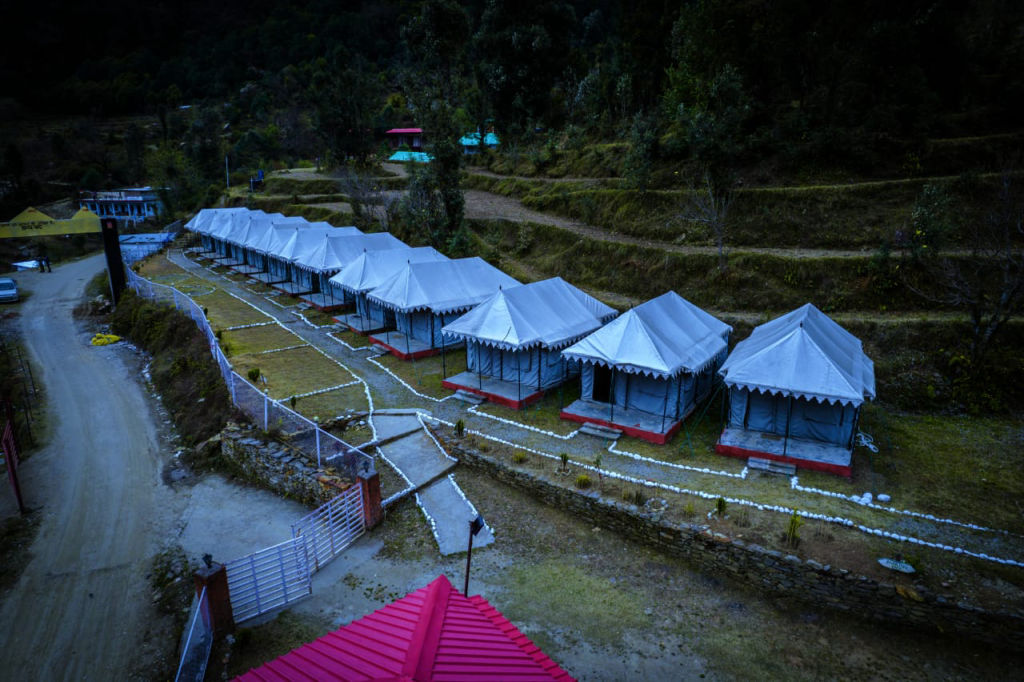
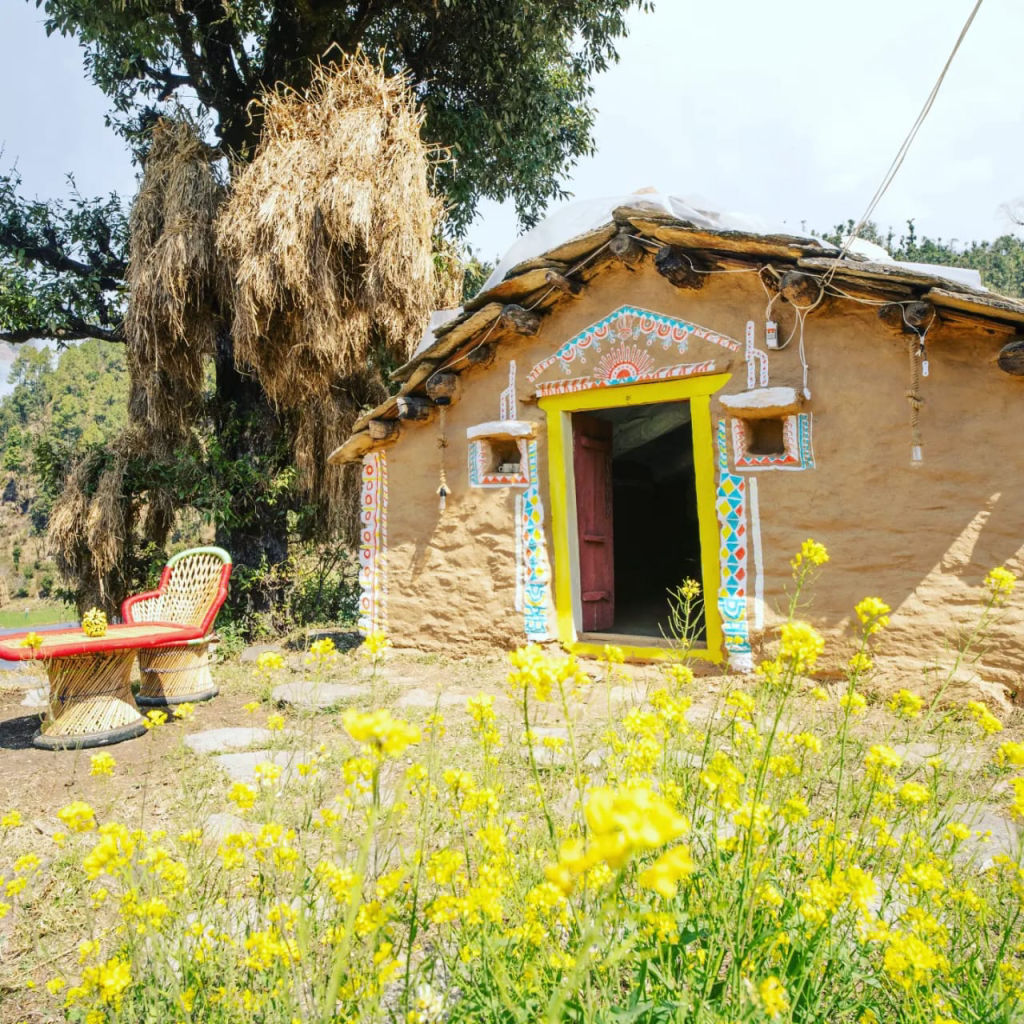
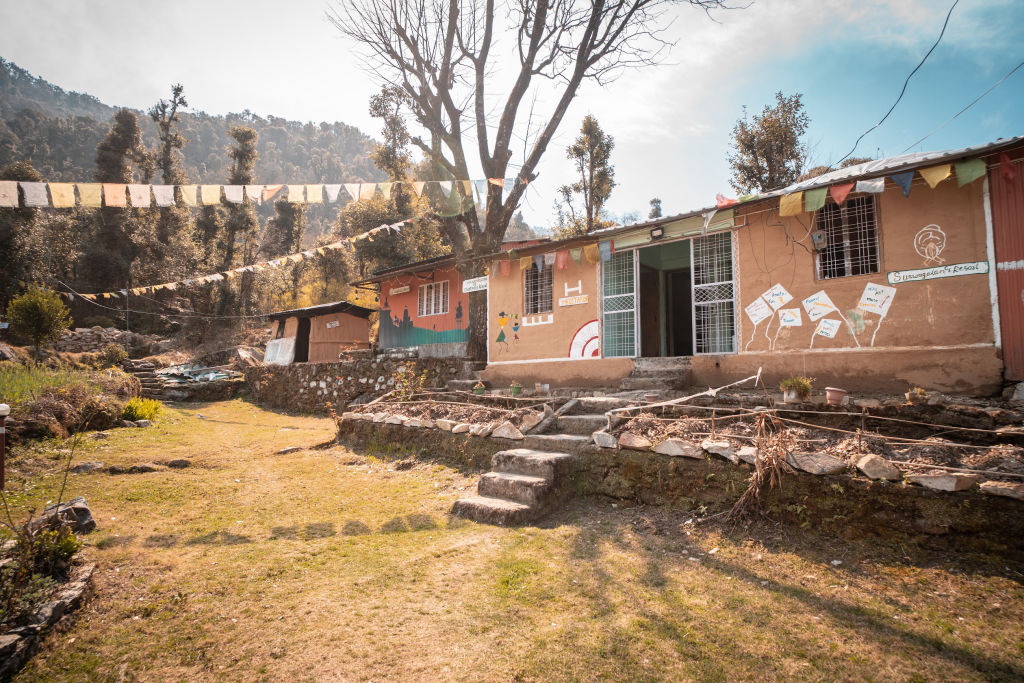
A range of accommodation options is available along the pilgrimage corridor, from base towns in the lower valley to simple lodgings near the temple complex itself. Settlements such as Guptkashi, Phata, Sitapur, and Ukhimath offer pleasant valleys with riverside campsites, comfortable homestays, and guesthouses that serve as excellent staging points before or after the trek.
For those wishing to immerse themselves in nature and experience local mountain hospitality, rustic homestays and outdoor camps across the region can be easily discovered and booked on HireACamp.
Frequently asked questions
How long is the trek to Kedarnath Temple?
The trek from the base at Gaurikund to Kedarnath Temple is roughly sixteen kilometres each way along a paved mountain path. Depending on your fitness level and pace, the one-way climb generally takes between six and ten hours.
When does Kedarnath Temple open and close each year?
The temple doors typically open in late April or early May on Akshaya Tritiya and close shortly after the festival of Diwali in late October or early November. During the harsh winter months, the temple remains inaccessible due to heavy snow, and the deity is worshipped at Ukhimath.
Can elderly people or children visit Kedarnath Temple?
Yes, elderly travellers and children frequently visit the temple, but the high elevation and steep terrain require caution. Alternatives to walking, including ponies, palanquins, and seasonal helicopter services, can be arranged locally for those unable to make the long uphill trek.
What kind of clothing is needed for Kedarnath?
Layered woollen clothing, thermal wear, and windproof outer jackets are essential throughout the open season, as temperatures often drop close to freezing at night. Sturdy trekking shoes, rain protection, and sun protection such as hats and sunglasses are also strongly recommended.
Where you'll be
Himalaya, Ukhimath · 3 stays nearby shown with prices
Stays near Kedarnath Temple
Book a place to stay close by
More places near Kedarnath Temple
Within 20 km


Built from 0 Instagram posts by 0 creators. Every tip links back to the post it came from, and where creators disagree we show both sides.






