
Trijugi Narayan
Destination in Uttarakhand
Trijugi Narayan, also widely known as Triyuginarayan, is a scenic mountain village situated in the Rudraprayag district of Uttarakhand. Nestled in the upper reaches of the Garhwal Himalayas, it is revered as the mythological site of the celestial wedding of Lord Shiva and Goddess Parvati, witnessed by Lord Vishnu. Travellers and pilgrims visit to explore its ancient stone temple, witness its eternal sacred fire, and soak in quiet Himalayan landscapes.
Getting there
By road
- From Dehradun5 hr 35 min · 255 km
- From New Delhi8 hr 50 min · 467 km
- From Chandigarh9 hr 15 min · 424 km
Typical drive times without traffic. Stations and airports from OLA Maps; distances and typical drive times from OpenStreetMap (© OpenStreetMap contributors); notes from creators' Reels.
About Trijugi Narayan
Written with AI from map data and general knowledge. Check prices and timings locally before you go.
The story and significance of Trijugi Narayan
Trijugi Narayan holds a deeply revered place in Indian mythology and Himalayan folklore. According to local belief, this picturesque village served as the capital of King Himavat, the father of Goddess Parvati, and the venue where Lord Shiva married Parvati. Lord Vishnu is said to have conducted the wedding rites, while Lord Brahma acted as the presiding priest. Because of this divine occasion, the temple in the village is dedicated to Lord Vishnu and is visited by thousands of couples and spiritual seekers seeking blessings for lifelong partnerships.
A central feature of the temple is the Akhand Dhuni, a sacred flame believed to have remained continuously lit since the time of the celestial marriage. Pilgrims often bring wood offerings to keep the fire burning and receive the sanctified ash, known as vibhuti, as a blessing. Directly in front of the temple courtyard are several holy stone water reservoirs or kunds fed by perennial mountain springs, known as Rudra Kund, Vishnu Kund, Brahma Kund, and Saraswati Kund, where pilgrims perform rituals before offering prayers.
Things to do in Trijugi Narayan
Visiting the central Triyuginarayan Temple forms the core experience of spending time here. Built in a classical stone architectural style that shares striking similarities with the Kedarnath Temple, the shrine showcases finely carved granite slabs and wooden eaves that have weathered Himalayan centuries. Spending time quietly in the courtyard listening to temple bells and mountain winds offers a deeply meditative pause from fast-paced travel.
Beyond the temple, wandering the village of Trijugi Narayan reveals traditional Garhwali mountain life. Narrow paved pathways wind between stone-and-timber homes featuring slate roofs, carved window frames, and stack yards of firewood. The surrounding terraces host small-scale farming of seasonal grains and vegetables. A short stroll beyond the village perimeter leads to open grassy knolls that offer sweeping panoramic views of snow-dusted Garhwal peaks and dense forests of oak, pine, and rhododendron.
Read more
Places to visit around Trijugi Narayan
Trijugi Narayan serves as a peaceful gateway to several notable trails and riverside valleys in Rudraprayag. Just down the winding mountain road lies Sonprayag, the confluence of the Mandakini and Vasuki rivers, and Gaurikund, famous for its thermal springs and for serving as the base camp for the Kedarnath pilgrimage trek. Travellers visiting Trijugi Narayan often pair their stay with walks through these bustling transit hamlets before escaping back to the relative quiet of the higher village.
For trekkers, the trails stretching westward from Trijugi Narayan lead across high alpine passes toward the expansive meadows of Panwali Kantha, renowned for vast rolling grasslands and dramatic Himalayan sunrises. Across the mountain ridgelines in the neighbouring valley flows the pristine Bhilangna River, whose tributaries wind through secluded pine groves and remote farming communities. These surrounding valleys provide exceptional day-hike routes for anyone interested in rural landscapes, quiet riverbeds, and untouched forest trails.
Best time to visit Trijugi Narayan
The ideal time to visit Trijugi Narayan depends on whether you seek clear mountain weather, vibrant village life, or snowy Himalayan vistas. The spring and summer months from April to June are exceptionally pleasant, with clear blue skies, blooming rhododendrons, and comfortable daytime temperatures that invite outdoor exploration and walking around the village.
Autumn, running from late September through November, is another wonderful window to plan a trip. The skies are washed clean following the monsoon rains, offering the sharpest visibility of the distant snow peaks and crisp, cool weather. The monsoon season in July and August brings heavy cloud cover and frequent landslides along the mountain highways, making road travel challenging. Winter arrives between December and February, blanketing the village in deep cold and occasional snowfall, transforming Trijugi Narayan into a quiet, frosty wonderland for those prepared for sub-zero temperatures.
How to reach Trijugi Narayan
Trijugi Narayan is situated off the primary route that heads toward Kedarnath in the Garhwal region of Uttarakhand. The nearest railhead is at Rishikesh or Haridwar, while the closest domestic airport is Jolly Grant Airport near Dehradun. From these points, travellers typically proceed by road following the National Highway alongside the holy rivers, passing through historic confluence towns like Devprayag, Srinagar, and Rudraprayag before ascending into the Mandakini valley toward Guptkashi.
The final approach begins near Sonprayag, where a dedicated mountain road branches off and climbs through terraced fields and deodar clusters to reach Trijugi Narayan village. Shared mountain jeeps and private taxis operate regularly between Sonprayag and Trijugi Narayan, though road conditions can fluctuate depending on the season and recent weather. Having a driver experienced with high-altitude Himalayan hill roads is recommended.
Tips for your visit
Because Trijugi Narayan sits at an elevation of roughly 2,000 metres above sea level, temperatures tend to drop rapidly once the sun dips behind the mountain ridges, even during summer. Packing warm woollen clothing, windproof jackets, and comfortable, sturdy walking shoes is essential. If you are visiting during late autumn or winter, heavy thermal base layers and insulated gloves are necessary.
Travellers should also be mindful of basic mountain logistics. Cash is essential, as digital payment connectivity and functional automated teller machines in high mountain hamlets can be inconsistent. When visiting the temple and village kunds, dress modestly, remove footwear where indicated, and ask for permission before photographing local residents or private homes. Lastly, always keep a buffer day in your travel plans, particularly if travelling near the monsoon or deep winter when mountain roads can encounter temporary closures.
Where to stay in Trijugi Narayan
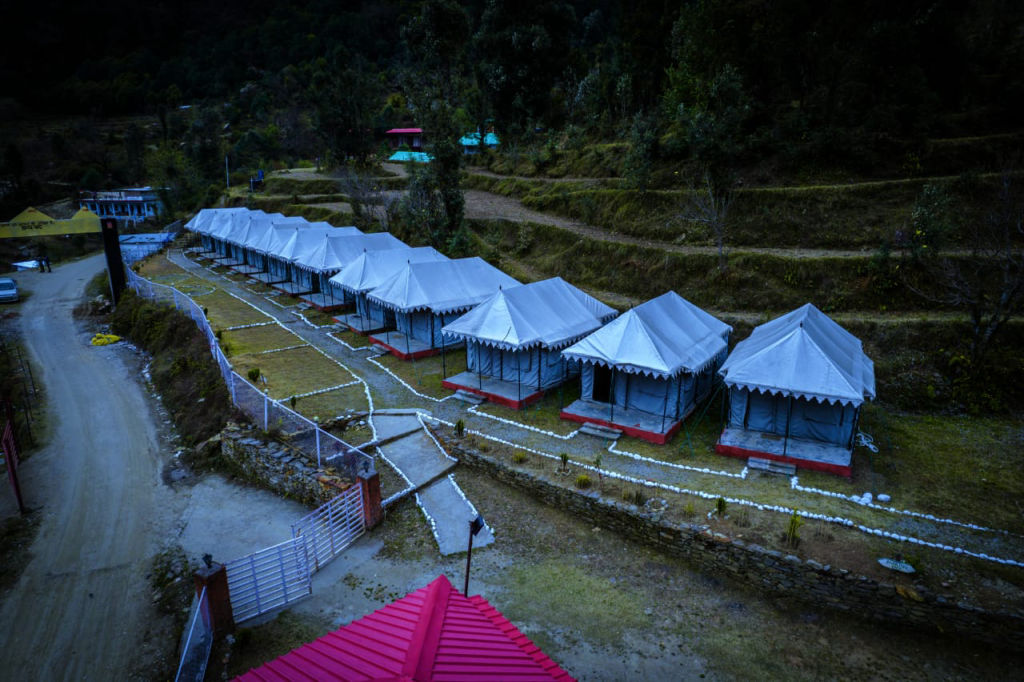
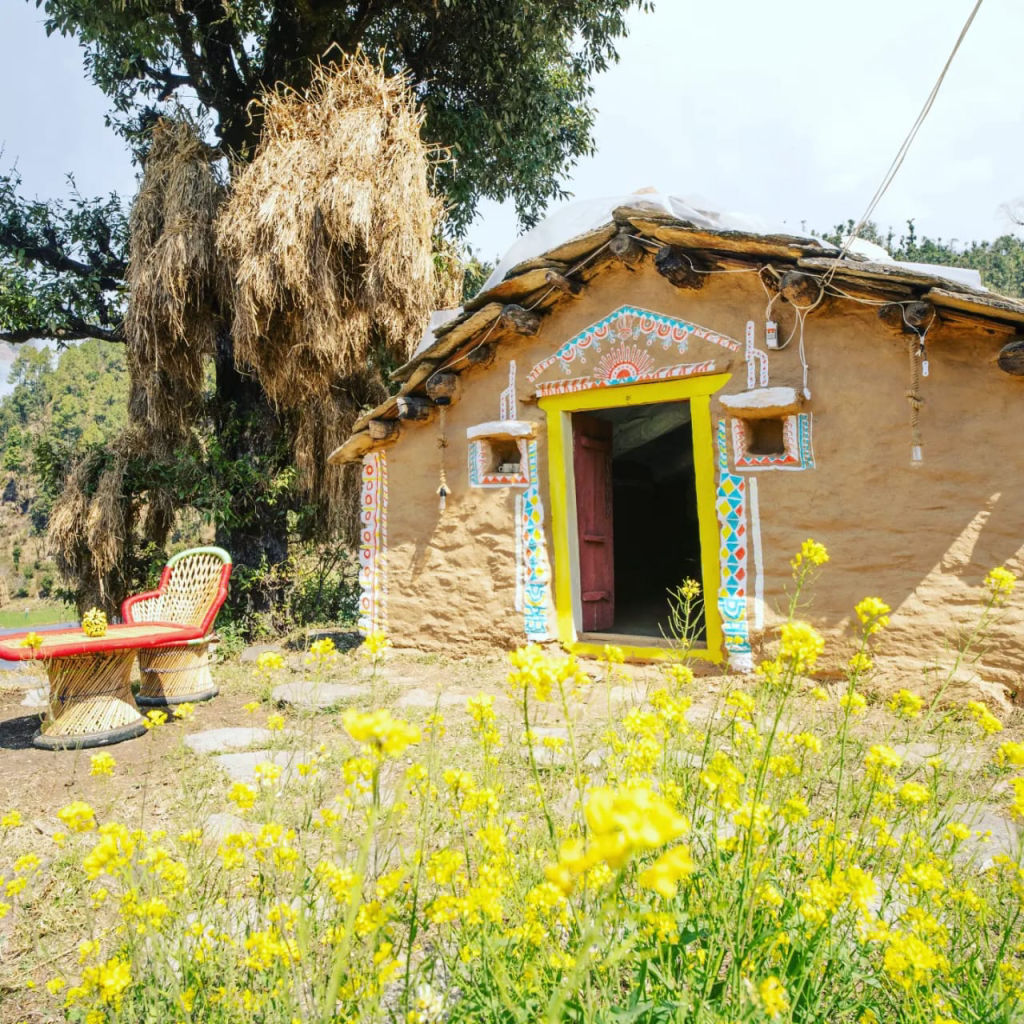
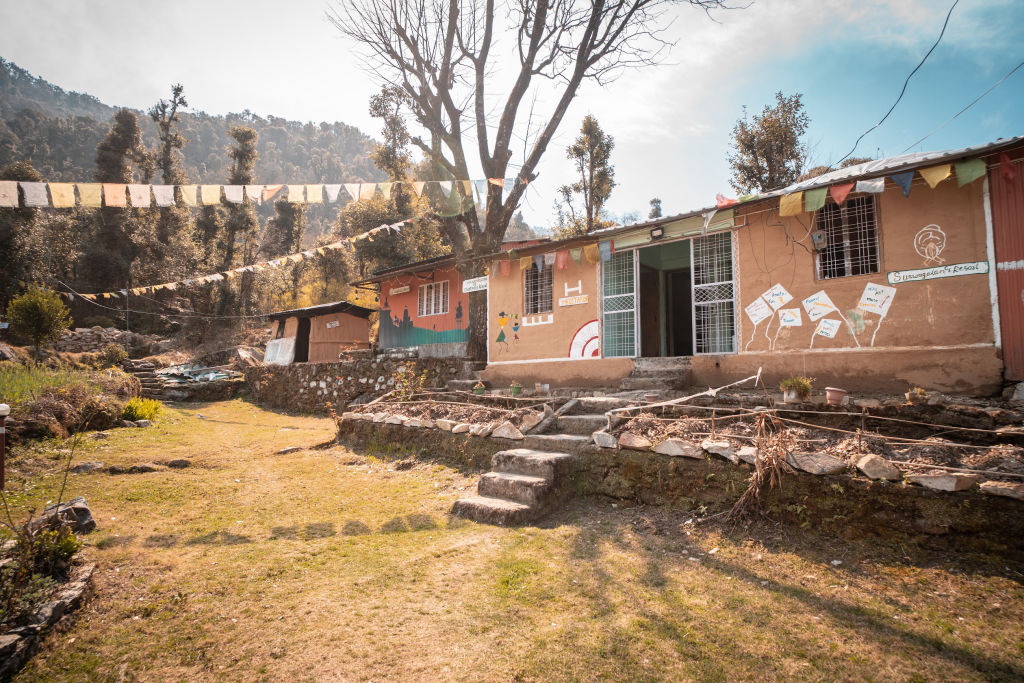
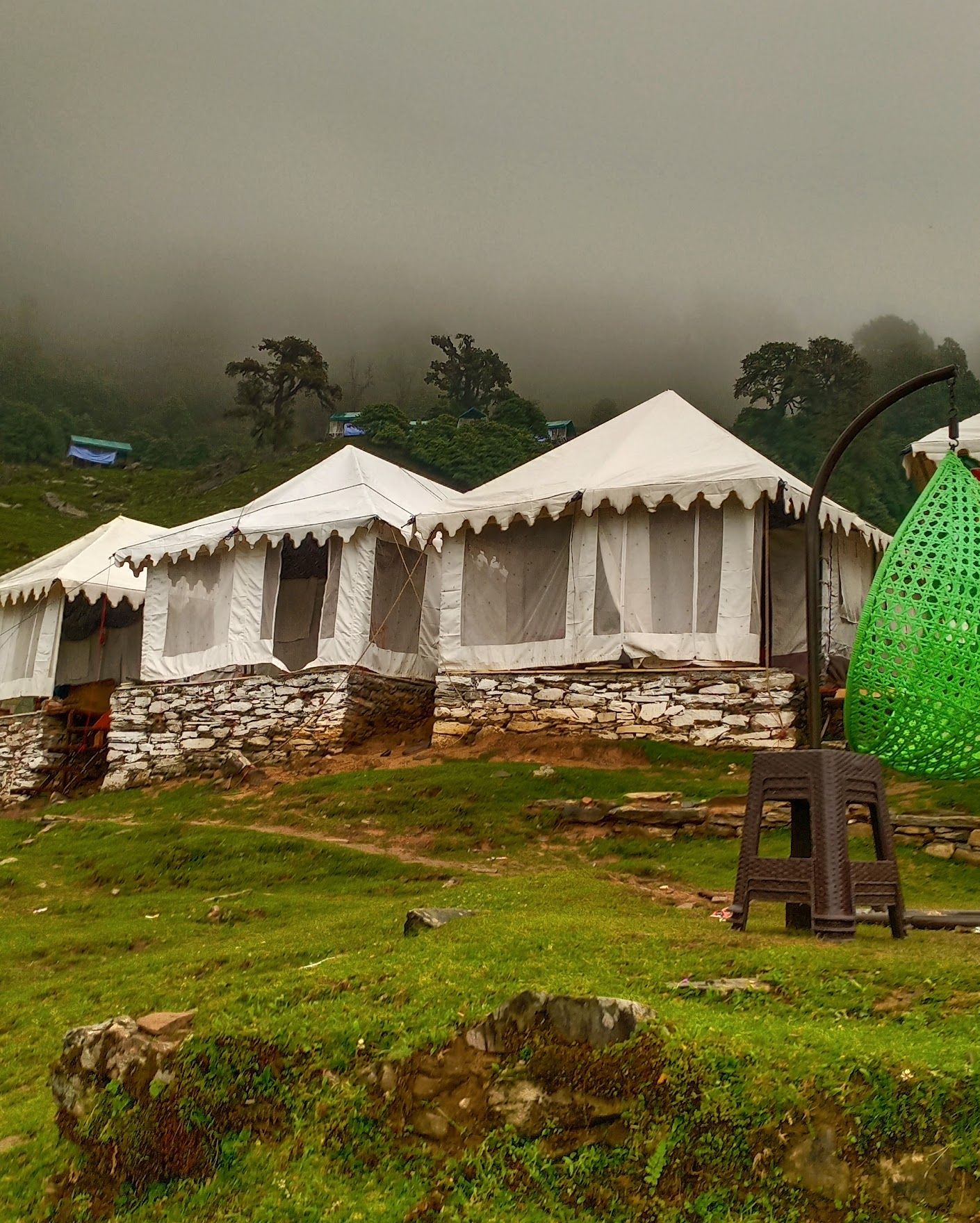
Accommodation around Trijugi Narayan consists largely of humble village homestays, simple pilgrim guesthouses, and scenic mountain campsites perched along the surrounding grassy ridges. Staying within or immediately outside the village gives visitors an authentic taste of local Garhwali hospitality, hearty mountain meals, and tranquil mornings undisturbed by highway traffic. Travellers looking to discover homestays, eco-lodges, and outdoor camps in and around Trijugi Narayan can find and book an ideal spot through HireACamp.
Frequently asked questions
What is Trijugi Narayan temple famous for?
Trijugi Narayan is famous as the legendary site of the celestial wedding of Lord Shiva and Goddess Parvati, witnessed by Lord Vishnu. It is also renowned for the Akhand Dhuni, an eternal sacred fire that has reportedly remained lit since their wedding.
Can couples get married at Trijugi Narayan?
Yes, many couples choose to get married at the temple courtyard, inspired by the mythological union of Shiva and Parvati. Travellers planning a wedding should coordinate directly with the local temple committee and priests well in advance.
Does it snow in Trijugi Narayan during winter?
Yes, Trijugi Narayan receives snowfall during the peak winter months, particularly in January and February. The village becomes quiet and cold, requiring heavy winter clothing and sturdy footwear.
How do I reach Trijugi Narayan from Sonprayag?
Trijugi Narayan is located a short uphill drive from Sonprayag along a winding mountain road. Local shared taxis and private cabs are typically available at Sonprayag to make the steep ascent.
Where you'll be
4 stays nearby shown with prices
Stays near Trijugi Narayan
Book a place to stay close by
Things to do in Trijugi Narayan
45 places creators recommend within 30 km

Built from 0 Instagram posts by 0 creators. Every tip links back to the post it came from, and where creators disagree we show both sides.






