
Gaurikund
Destination in Uttarakhand
Gaurikund is a revered pilgrim town situated along the banks of the Mandakini River in the Garhwal Himalayas of Uttarakhand. Perched at an elevation of roughly 2,000 metres, it is widely known as the traditional base camp and starting point for the trek to the holy shrine of Kedarnath. Travellers and pilgrims visit to pay respects at its ancient shrines, bathe in its natural hot springs, and prepare for the ascent into the high mountains.
Getting there
By road
- From Dehradun5 hr 10 min · 249 km
- From New Delhi8 hr 25 min · 461 km
- From Chandigarh8 hr 50 min · 418 km
Typical drive times without traffic. Stations and airports from OLA Maps; distances and typical drive times from OpenStreetMap (© OpenStreetMap contributors); notes from creators' Reels.
About Gaurikund
Written with AI from map data and general knowledge. Check prices and timings locally before you go.
About Gaurikund
Gaurikund rests in the Rudraprayag district of Uttarakhand, cradled by steep, forested Himalayan ridges along the roaring waters of the Mandakini River. Named after Goddess Parvati, who is worshipped locally as Gauri, the town holds deep spiritual meaning within Hindu tradition. According to regional mythology, this is the sanctified spot where Gauri performed intense ascetic penance and meditation to win Lord Shiva as her consort. It is also traditionally revered as the location where Lord Shiva restored life to Lord Ganesha by giving him an elephant head.
Today, Gaurikund functions as the bustling gateway to the Kedarnath pilgrimage. The settlement acts as the terminal roadhead for vehicular transit along this part of the valley. From here, foot trails take over as travellers begin their steep mountain journey upward. The atmosphere throughout town is an engaging blend of intense spiritual devotion, mountain endurance, and the natural drama of the high Garhwal Himalayas.
Things to do in Gaurikund
A visit to Gaurikund revolves primarily around centuries-old religious rituals and mountain trail preparation. At the centre of the town stands the Gauri Temple, dedicated to Goddess Parvati. Pilgrims gather here in large numbers to offer morning prayers and seek safe passage before starting their demanding uphill journey. The temple's modest, enduring stone structure offers a tranquil place for quiet contemplation amid the hum of town activity.
Another defining landmark is the thermal hot water spring, known locally as Gaurikund. Ritual bathing in these naturally warm, mineral-rich waters before entering the temple or starting the trek has been observed for generations. Even when Himalayan breezes bring a persistent chill to the valley, the springs provide warmth and respite to arriving pilgrims.
Beyond ritual observance, the town offers an authentic glimpse into the rhythm of mountain pilgrimages. Strolling through the vibrant bazaar lanes reveals local porters, pack mules, shops stocked with wooden walking sticks and rain ponchos, and hillside stalls serving steaming cups of spiced tea. Taking a slower walk along paths overlooking the Mandakini River allows travellers to appreciate the dense stands of pine, oak, and rhododendron that blanket the lower slopes.
Read more
Places to visit around Gaurikund
The mountains and valleys surrounding Gaurikund are filled with remarkable spiritual landmarks and scenic high-altitude trails. The most prominent is Kedarnath Dham, located roughly five kilometres away in straight-line distance. Reaching the temple requires following a winding, scenic pedestrian trail up through the alpine valley. Set dramatically against towering snow-covered peaks, Kedarnath is one of the twelve sacred Jyotirlingas and the ultimate destination for most visitors passing through Gaurikund.
High above Kedarnath sits Vasuki Tal, a remote glacial lake renowned for its deep blue waters and pristine setting among rugged rock faces and hanging glaciers. Trekking to Vasuki Tal demands good physical fitness and rewards adventurers with panoramic views of the surrounding Himalayan peaks.
Down valley lies Triyuginarayan Temple, positioned approximately five kilometres from Gaurikund as the crow flies. This revered village shrine is traditionally celebrated as the divine wedding site of Lord Shiva and Goddess Parvati. An eternal sacred flame is preserved inside the courtyard, drawing travellers interested in ancient architecture and living mythology.
Those looking to venture slightly farther into neighboring river valleys can explore Badhani Tal, an alpine lake surrounded by rolling meadows, or travel toward the tranquil banks of the Bhilangna River and ancient cultural sites such as Budha Kedar Temple and Maithiyana Devi Temple.
Best time to visit Gaurikund
The visiting season for Gaurikund is closely tied to the opening and closing of the Kedarnath temple doors, generally running from late April or early May through the start of November. The pre-monsoon months of May and June are the most popular times to arrive. During this window, days are generally mild and clear, making walking conditions comfortable, although nights remain chilly.
July and August bring the southwest monsoon to the Garhwal region. Heavy cloud cover, dense fog, and frequent rainfall can cause landslides along mountain highways and muddy trails. Travellers visiting during the rainy season must monitor local weather bulletins, check on road statuses, and plan for possible travel delays.
September and October provide what many consider the best conditions in the valley. The monsoon clouds clear out, leaving brilliant blue skies, crisp mountain air, and exceptional visibility of the surrounding peaks. Temperatures cool down significantly as autumn progresses. By November, bitter cold and early winter snowfall signal the end of the pilgrimage season, after which the upper valley remains under heavy snow until spring.
How to reach Gaurikund
Gaurikund is accessed by road from the major plains and foothills of Uttarakhand. The nearest airport is Jolly Grant Airport in Dehradun, while the railheads at Rishikesh and Haridwar provide convenient train connections from across India. From these transport centres, travellers typically hire private taxis or take state transport buses and shared jeeps that travel up along the course of the Alaknanda and Mandakini rivers.
The typical driving route winds through mountain settlements including Devprayag, Srinagar, Rudraprayag, and Guptkashi before arriving at Sonprayag. Private and commercial vehicles from outside the immediate area are generally halted at Sonprayag to manage vehicular congestion. From Sonprayag, regular local shuttle transport carries passengers over the final short mountain road directly into Gaurikund.
Essential travel tips
Gaurikund sits at a considerable mountain elevation, and ascending rapidly from the plains can challenge your stamina. Taking adequate time to rest and acclimatize in the valley before starting an uphill trek is strongly recommended. Maintaining good hydration and walking at an even, unhurried pace helps prevent altitude-related discomfort.
Packing effective clothing layers is crucial regardless of the season. Temperatures can fluctuate swiftly from warm daytime sun to biting evening winds. Travellers should pack thermal base layers, a warm fleece or down jacket, a reliable windproof and waterproof outer layer, and sturdy trekking shoes that provide good ankle support on rocky paths.
Connectivity and banking options become limited this high in the hills. While mobile networks function in good weather, signals can drop during storms. It is wise to carry adequate cash, as automated teller machines in the upper valley can experience technical downtimes during peak travel months. Finally, practice responsible travel by packing out all non-biodegradable waste to keep this fragile mountain corridor clean.
Where to stay in Gaurikund
Accommodation directly in Gaurikund consists largely of modest pilgrim lodges, basic guesthouses, and communal dharamsalas designed to host travellers for a single night before an early morning trek. Because space in the narrow valley is limited, lodging within the town can fill up very quickly during May, June, and early October.
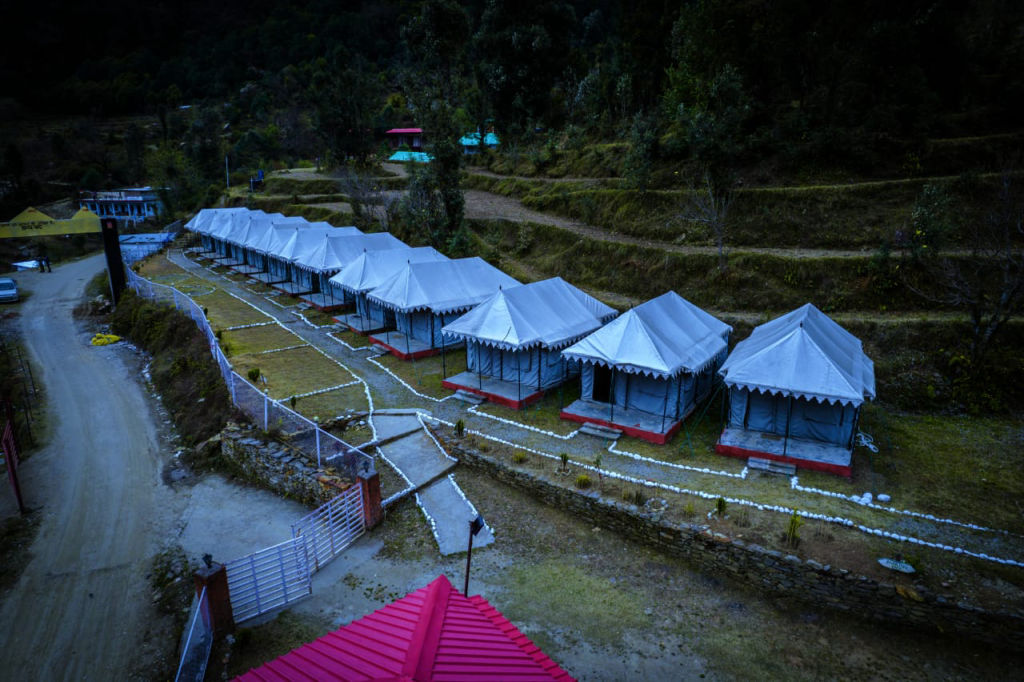
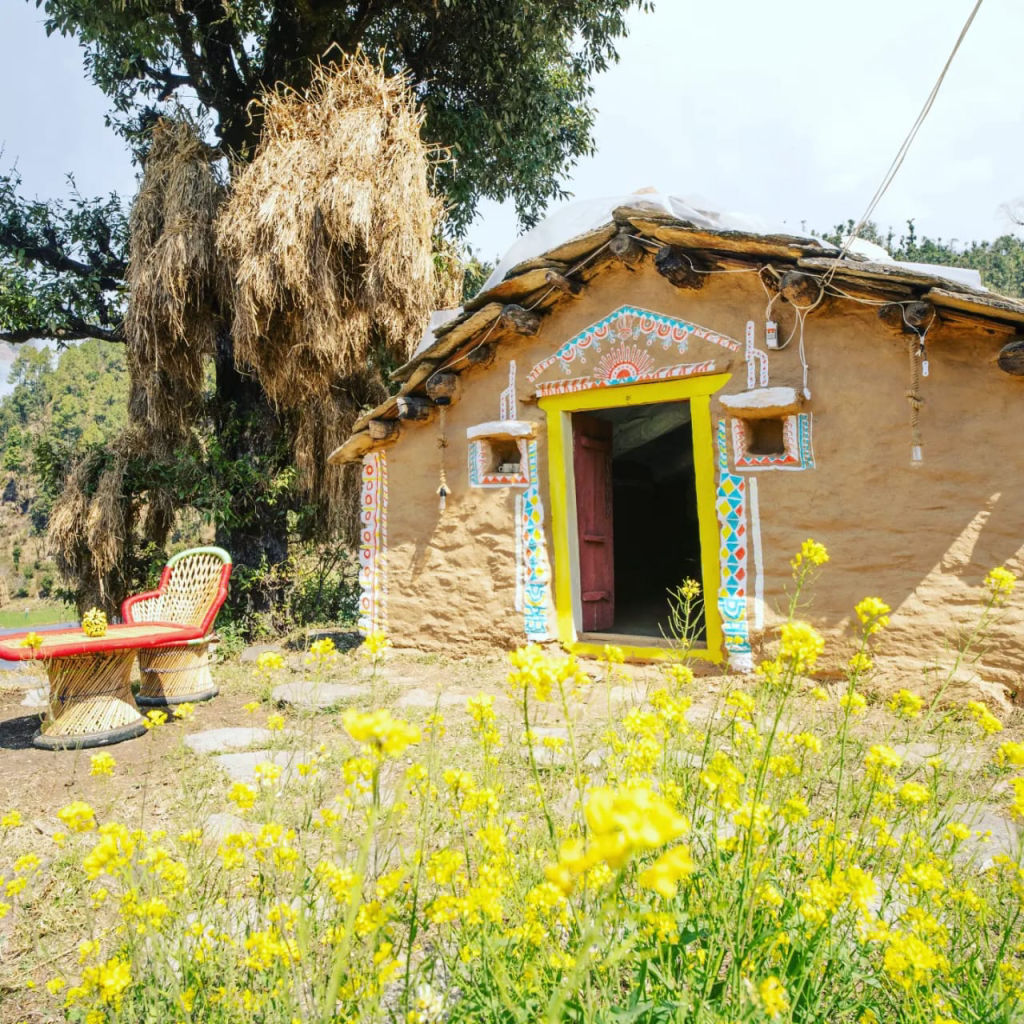
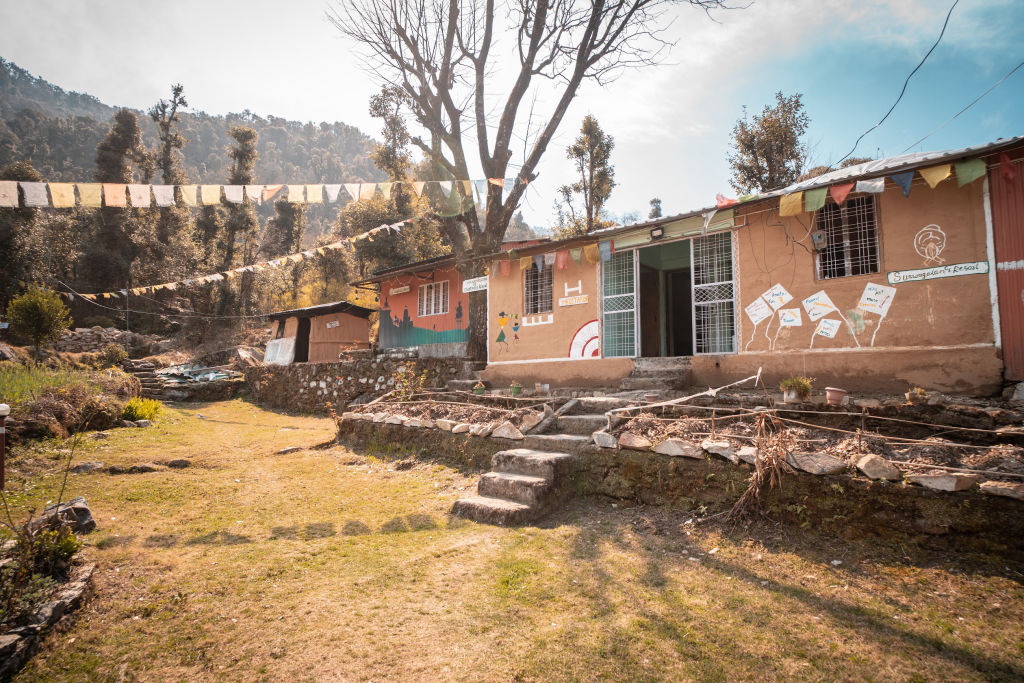
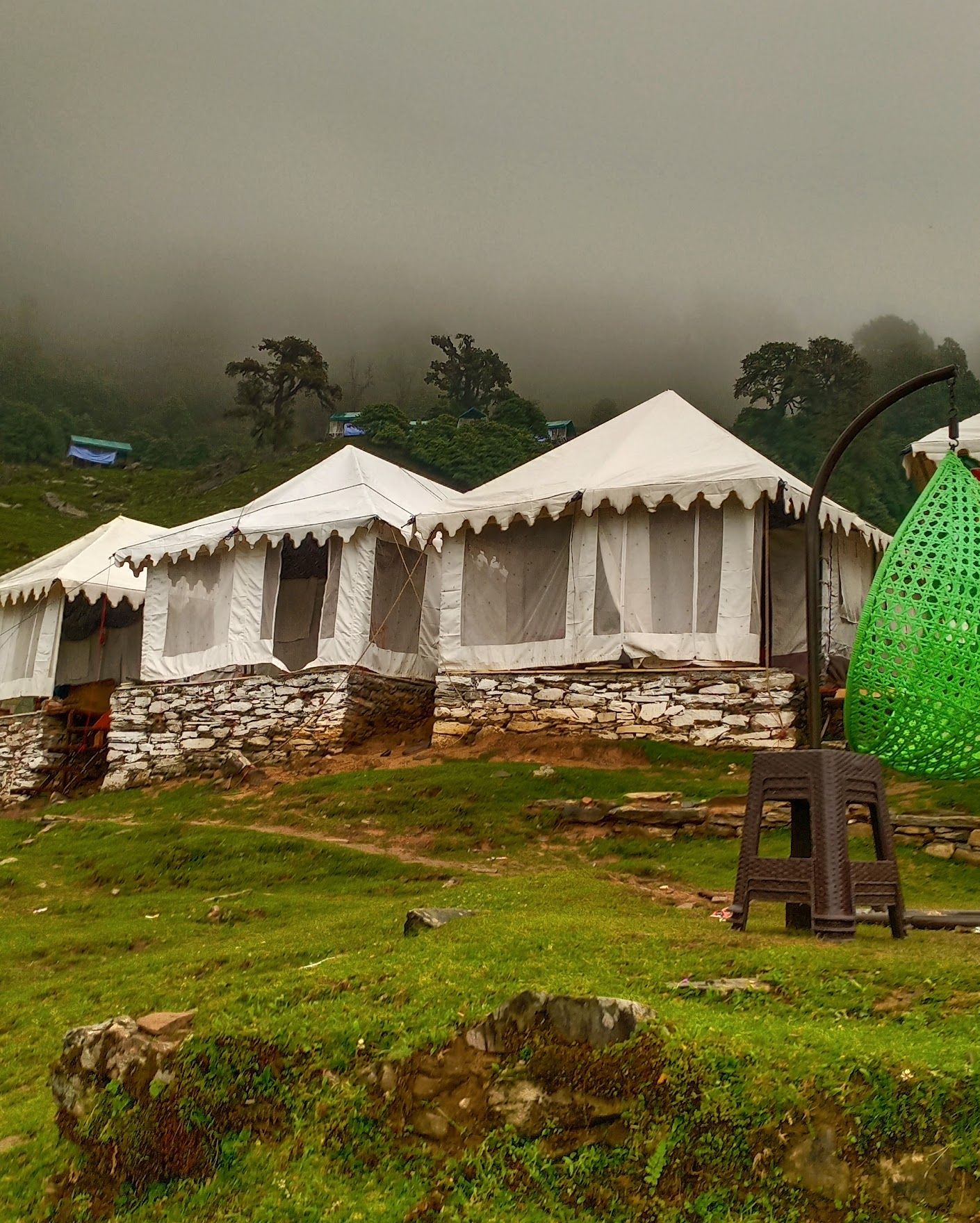
Many travellers find it convenient to stay in nearby valley towns such as Sonprayag, Guptkashi, or surrounding rural villages, where a wider selection of quiet hillside stays and scenic settings is available. A wide variety of verified riverside camps, traditional village homestays, and rustic mountain retreats throughout the valley can be explored and booked on HireACamp.
Frequently asked questions
What is Gaurikund most famous for?
Gaurikund is famous as the traditional starting base for the Kedarnath Dham trek, as well as for its historic temple dedicated to Goddess Parvati and its natural thermal hot springs.
Can private cars be driven directly into Gaurikund?
During the main travel season, private vehicles are usually required to park at Sonprayag. From Sonprayag, travellers board authorized local shuttle jeeps to reach Gaurikund.
Is Gaurikund open throughout the year?
Gaurikund experiences heavy winter snow and freezing conditions, so town activity and guesthouses primarily operate between late April or early May and early November, matching the Kedarnath pilgrimage season.
What should I wear when visiting Gaurikund?
Dress in warm layers, including thermal inners, a fleece or windproof jacket, sturdy walking shoes, and waterproof outerwear, as mountain temperatures can drop suddenly and rains are common.
Where can I find accommodation near Gaurikund?
Simple lodges exist in Gaurikund, while a variety of scenic camps, homestays, and guesthouses in surrounding valley settlements can be booked on HireACamp.
Where you'll be
4 stays nearby shown with prices
Stays near Gaurikund
Book a place to stay close by
Things to do in Gaurikund
48 places creators recommend within 30 km


Built from 0 Instagram posts by 0 creators. Every tip links back to the post it came from, and where creators disagree we show both sides.






